You’ve probably found yourself scrolling through lodge photos late at night, torn between two very different pictures: a safari vehicle idling near a pride of lions, or a kayak gliding across glassy water at sunrise. Both look incredible. Both cost real money. And the fear of paying a premium for the wrong setting is what makes the bush lodge or lakeside lodge decision so tricky.
This guide breaks the choice down into practical comparisons. We’ll look at what each type of lodge actually delivers day to day, how to match the stay to your travel style, when to go, what you should expect to budget, and how to combine both in a single trip. By the end, you should know which option fits your priorities, or whether the smartest answer is to split your time between the two.
What a Bush Lodge Actually Delivers
A bush lodge is built around one thing: getting you in front of wildlife, reliably and safely. The rhythm of the day revolves around game drives in open-sided vehicles, led by a professional guide and often a tracker who reads spoor, bird calls and animal behaviour along the way. Everything else, from meal times to evening campfires, is scheduled around those drives. If you wake early, you’ll quickly adjust to the routine, because the best sightings happen when the bush is coolest and most active.
The setting is usually remote by design, because that’s where the wildlife lives. That remoteness is part of the appeal, but it shapes your logistics and your budget. Most bush lodges price their stays as packages, so the headline rate covers far more than just a room. Expect the nightly rate to bundle together your guided activities, meals and often drinks, which is why a bush lodge can look expensive next to a standard hotel until you break down what’s actually included.
- Drives typically run in the early morning and late afternoon, roughly 5:30–9:30 am and 3:30–6:30 pm, when animals are most active and midday heat sends them into cover.
- Trackers sit at the front of the vehicle reading fresh tracks, while guides use radio contact with other vehicles to locate predators and interpret what you’re seeing.
- Reaching a remote camp often means a light-aircraft hop onto a dirt strip or a road transfer of three or more hours, so build travel time into your first and last days.
- All-inclusive rates generally cover the drives, all meals and often house drinks, which makes comparing lodges easier once you look at the total package rather than the room rate.
What a Lakeside Lodge Actually Delivers
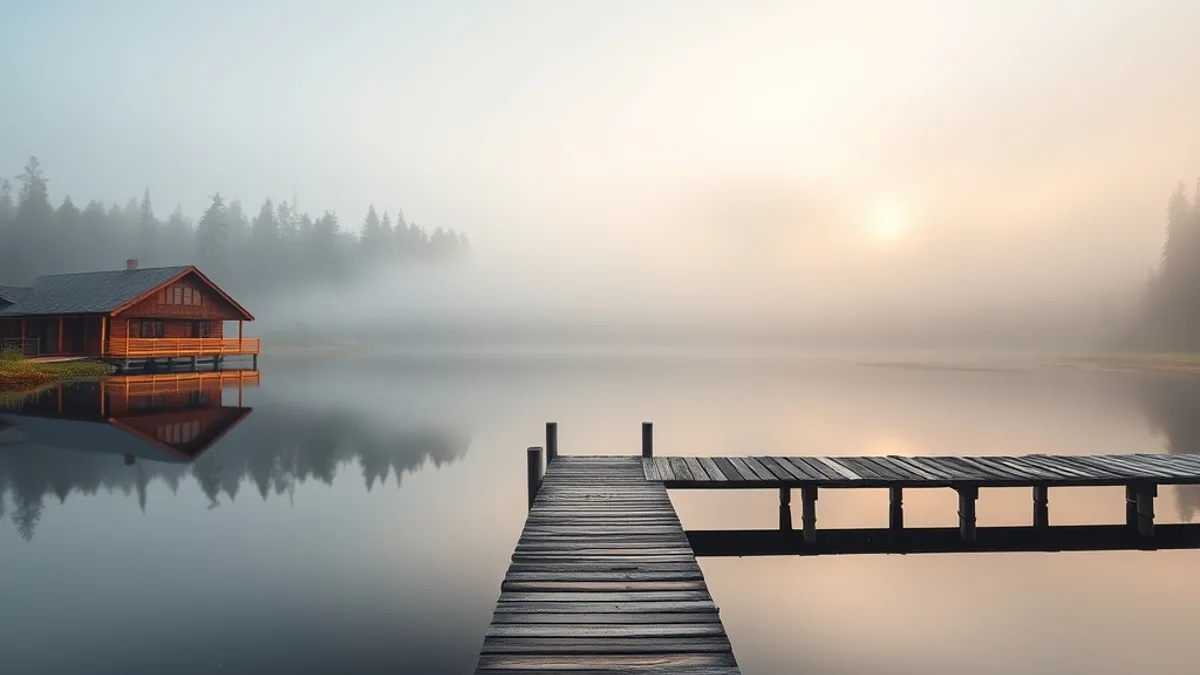
A lakeside lodge works on an entirely different clock. The water is the main attraction, and the activities flow from it: kayaking in the early morning calm, slow boat cruises at golden hour, swimming off a jetty, or fishing when the mood strikes. Nothing is compulsory, and nothing depends on a guide’s schedule.
That flexibility is the real product. If you want to sleep in, read on a deck for three hours, then paddle out before dinner, nobody will hand you a wake-up call at dawn. Access is easier too, since lakeside properties are usually reachable by road in under two hours from a regional airport or town, which cuts transfer costs and travel fatigue considerably.
Pricing works differently as well. Most lakeside lodges quote room-only or half-board rates, with activities added on separately. That keeps the base rate lower, but a full week of boat trips and guided fishing can add up, so price your wish list before you book. For a sense of how restorative this style of stay can be, see this take on lakeside cabins built around sauna nights and still water.
- Kayaks and small boats are often available to guests on a self-serve basis, so a quick paddle before breakfast costs nothing extra.
- Boat cruises are usually booked at the lodge the day before, letting you pick your slot around the weather rather than a fixed itinerary.
- Fishing trips and guided excursions carry separate fees, so confirm what’s included before assuming your rate covers them.
Bush Lodge or Lakeside Lodge: Matching the Stay to Your Travel Style
The honest way to decide is to ask what the trip is actually for. If ticking off the Big Five or witnessing a great migration is the whole point of flying all that way, a bush lodge is the right tool. The drives, the trackers and the prime locations exist to maximize sightings, and nothing at a lakeside lodge can replicate a leopard in a tree at first light.
If instead you’re craving unstructured days, water activities and genuine rest, a lakeside lodge delivers that far better. There are no 5:30 am alarms, no vehicle rules, and no pressure to be anywhere. You swim, paddle, eat and sleep on your own schedule.
First trip or fifth?
First-time safari-goers get more value from a bush lodge, because the guided format compresses years of animal knowledge into a few days and dramatically improves your odds of memorable sightings. Repeat Africa travelers often know what they want already, and many choose to pair both settings in one trip: intensity first, recovery after.
Traveling with young children
Families with young kids often find lakeside lodges easier all around. There are fewer early starts, no minimum-age restrictions on game drives to work around, and the water activities keep children happily occupied. If you like the idea of safari country without the rigid schedule, some properties near safari regions offer that middle ground, such as these spacious homesteads near safari country. A bonus worth knowing: malaria risk is generally lower at higher-altitude lakeside areas than in lowland bush country, which matters to many parents.
Seasons and Timing for Each Setting
Timing shapes a bush lodge trip more than almost any other decision. From June to October, the dry season concentrates game around permanent water sources, which means shorter drives and far more reliable sightings. Grass is low, animals gather at rivers and waterholes, and guides can track across open ground. This is when bush lodges run at their busiest and their highest rates.
From November to March, the green season changes the picture. Rains freshen the landscape, many animals disperse into thicker vegetation, and sightings can take more patience. The trade-off comes in price: green-season rates at many bush lodges drop noticeably, and the scenery, birdlife and newborn animals make it rewarding in its own way. If your priority is density of wildlife rather than drama of landscape, aim for the dry months.
Lakeside lodges are far less dependent on the calendar. Water activities run in most months, though heavy rains can reduce water clarity and cut into boat time, so check conditions for your specific lake before locking in dates.
- May is a quiet sweet spot in many bush regions: rains have recently ended, vegetation is still green, and rates often sit 20–40% below peak-season prices with decent sightings still on offer.
- November works as a shoulder month too: the first rains may have arrived, thinning crowds, but early-season storms are possible and some drives get cut short.
- Green season suits photographers and birders: dramatic skies, migrant bird species and young animals compensate for animals that are harder to spot.
- Dry-season mornings are cold on open vehicles: pack layers for dawn drives, when temperatures can feel close to winter levels before midday heat arrives.
Budget and Booking Lead Times
The price gap between the two lodge types is significant. Bush lodges typically run $250–$900 per person per night, but that figure usually covers your game drives, all meals and often drinks as well. Lakeside lodges typically range $150–$500 per night, and that rate often excludes guided activities, which you book and pay for separately. Compare like with like: add up a bush lodge’s all-inclusive rate against a lakeside stay plus its boat trips, fishing charters and equipment rentals before deciding which is genuinely cheaper.
Lead times differ just as much as prices. For June to October dry-season dates, bush lodges should be reserved 6–12 months ahead, since the best camps have limited rooms and small aircraft seats fill quickly. Lakeside lodges usually need only 2–4 months’ notice, which makes them easier to add to a trip late.
Transfers are the cost line travelers most often forget. Remote bush camps are rarely reachable by ordinary rental car, and light-aircraft seats add real money to the total.
- Light-aircraft hops to remote bush camps add $150–$400 per person each way: for a couple doing a round trip, that can add a four-figure sum to the bill.
- Weight limits apply on light aircraft: soft duffel bags and strict baggage allowances are the norm, so factor in any excess baggage fees.
- All-inclusive bush rates reduce on-the-ground spending: with drives, meals and often drinks covered, your bar tab and tips may be your only extras.
- Lakeside pricing is modular: paying for activities individually means you control the budget, but a full activity program can quietly close the gap with a bush lodge rate.
Combining Both in One Trip
The best trips often refuse to choose. A common and well-tested structure is 3–4 nights in the bush followed by 3–4 lakeside nights to decompress. The safari portion delivers the early starts, the adrenaline of tracking animals and the sense of achievement; the lake portion lets you sleep in, swim and process everything you just saw. Bush circuits work well at 3–4 nights per camp, and lakeside stays suit longer stretches of 5–7 nights if you have the time.
Keep the Logistics Tight
Pick a lake that sits within a day’s drive or one short flight of your bush camp. Long, multi-leg transfers between the two settings are the fastest way to lose a full travel day and arrive at the water exhausted rather than relaxed. When mapping your route, check road conditions for the season you are traveling, since rains can slow what looks like a short drive on the map.
Book in the Right Order
Always secure the bush segment first. Its availability is tighter, with limited rooms and scheduled light-aircraft seats, so treat those dates as your anchor. Once the safari is confirmed, build the lake stay around it, adjusting by a night or two if needed. If your lake leg leans toward quiet, scenic downtime, it can help to read how a lakeside stay actually feels in practice — lakefront chalets with mountain views show the pace well. Lakeside lodges typically need less advance booking than bush camps, so you can usually lock in your dates after the safari is fixed and still find a good match.
The Bottom Line
If you’re torn between the two, the decision comes down to one question: is this trip about sightings or about slowing down? A bush lodge delivers structured wildlife viewing with fixed drive times, all-inclusive pricing and remote settings that demand longer transfers and earlier booking. You pay more per night and plan further ahead, but the wildlife density is the payoff.
A lakeside lodge offers flexibility, water activities and a lower cost with easier access. There are no dawn wake-up calls, activities run at your own pace, and you can often book closer to your travel dates. If your priority is slow-paced recovery rather than ticking off animals, the lake is the honest answer. If you’ve read this far still weighing both, tell us in the comments which way you’re leaning, or share this article with a travel partner who’s part of the debate.