Many travelers book a winter villa expecting warmth to come as standard, then arrive to find a single portable heater struggling in a stone-walled living room. The truth is that villa heating varies enormously from property to property: some rely on efficient heat pumps and underfloor systems that keep floors at a pleasant 27-29°C, while others lean on a fireplace and good luck. Add in the fact that winter nightly rates in ski destinations often run 30-60% above summer prices, and heating suddenly matters a great deal.
This guide walks you through how villa heating systems actually work, what they realistically cost to run, and why insulation and design make two similar-looking villas feel completely different. You’ll also find the questions worth asking before booking, advice on timing your reservation for the cold season, and practical daily habits for staying warm. By the end, warmth becomes something you can plan for, not hope for.
How Villa Heating Systems Actually Work
Villa heating in winter usually comes down to a combination of systems, each with its own job. Understanding how they work helps you judge whether a villa will actually feel warm, not just whether it has a thermostat on the wall.
The main systems
Underfloor heating is the gold standard in modern villas. It circulates warm water through pipes set into the floor, typically keeping floor surfaces at 27-29°C. Because heat rises evenly from the ground up, rooms warm consistently from bare feet to ceiling, with no cold corners or noisy radiators.
Air-source heat pumps are the workhorses behind much of that warmth. They extract heat from outdoor air even when it’s freezing outside, returning 3-4 kWh of heat for every 1 kWh of electricity consumed. That makes them the most efficient heating option available, which matters both for comfort and for running costs.
Wood-burning fireplaces and stoves act as secondary heat sources. They won’t heat a whole villa, but they add atmosphere and fast warmth to living spaces on cold evenings, and many guests consider a real fire half the point of a winter stay.
Older villas often rely on radiator and boiler systems instead. These heat rooms individually, with adjustable thermostatic valves letting you set each space to its own temperature. They work well enough, but they heat the air rather than the surfaces, so rooms can feel cooler than the thermometer suggests.
What Villa Heating Costs in Winter
Heating costs are where winter villa budgets quietly expand. Before comparing nightly rates, it pays to understand what warmth actually adds to the bill.
What you might pay
Heating a 150 m² villa with heat pumps typically costs $150-300 per week in deep winter, depending heavily on insulation and how cold it gets outside. That range is wide for a reason: a well-sealed modern property sits at the low end, while a leaky converted farmhouse can easily push toward the top or beyond it.
Firewood is a separate line item. In ski regions it costs roughly $250-400 per cord, so if you plan to burn fires every evening, that expense is real. Villas marketed with “unlimited firewood” included are saving you a genuine cost, not offering a trivial perk.
Included or metered?
Here’s the detail that matters most: some villa rentals include heating in the rate, while others meter it separately. That difference can swing your final bill by hundreds of dollars. And since winter nightly rates already run 30-60% above summer in ski destinations, a “cheap” villa that meters heating separately may end up more expensive than a pricier one that bundles it. Always clarify before booking.
Insulation and Design: Why Two Villas Feel Completely Different
Two villas side by side, priced similarly, can feel like different seasons inside. The heating system matters, but the building around it matters just as much.
Why construction makes the difference
Modern alpine villas built with triple glazing and thick timber or stone walls hold a steady 20-22°C indoors with moderate energy use. The walls themselves store warmth, and the windows keep it in. Heat these once and they stay comfortable all evening.
Older or converted properties tell a different story. Single glazing and high ceilings mean heat escapes fast, so the system runs constantly just to keep up. You may find the living room warm while bedrooms never quite catch up, and the energy meter spins accordingly.
Design details to look for
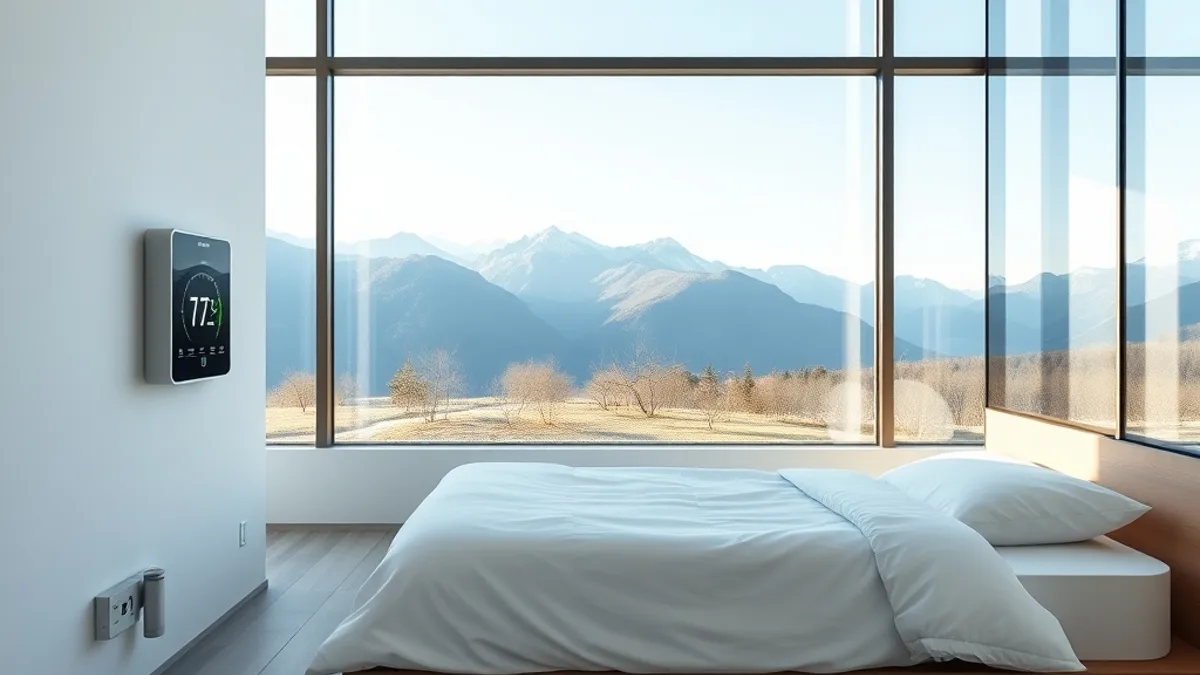
Layout matters too. South-facing glazing and compact floor plans retain passive solar warmth through the day, while drafty atriums and floor-to-ceiling glass look spectacular but raise heating demand sharply in cold climates. That panoramic view comes at a price on the thermostat.
So when comparing villas, ask about the construction year and window quality, not just the heating system. Properties like the alpine retreats described in Tatras alpine sanctuaries for scenic recovery and mountain silence show how good design and warmth go hand in hand. A well-built villa with a modest system will beat a leaky one with a powerful one, every time.
Questions to Ask Before Booking a Winter Villa
Winter villa disappointments usually trace back to questions nobody asked before booking. A villa can look spectacular in photos, have a roaring fireplace in every listing image, and still leave you shivering in a bedroom that the heating system never quite reaches. The fix is simple: ask specific questions in writing before you pay the deposit.
Start with the system itself. Underfloor heating that only covers the ground floor leaves upstairs bedrooms cold, and a heat pump that serves the living area alone does little for a bathroom across the house. Then move to money, because heating arrangements vary more than travelers expect. Some owners bundle heating into the rate, others read a meter and charge at the end of your stay, and a week of deep cold can swing that final bill by hundreds of dollars. A good host can tell you what a typical winter week costs to heat, so ask for a real figure rather than a vague “it depends.”
Here are the four questions worth putting in writing:
- Which system is installed, and which rooms does it cover? Ask specifically whether every bedroom and bathroom is heated, not just the main living area, and whether bathrooms have heated floors or towel radiators.
- Is heating included or metered separately? If it is metered, request a typical weekly cost for winter stays so you can budget it alongside the rental rate.
- Is the fireplace functional or decorative? Confirm that it actually draws and heats the room, and whether firewood is provided or must be bought locally, since a cord in ski regions can run $250-400.
- Do guests control the thermostat? Some villas lock settings at fixed temperatures, which is fine if you like those temperatures and frustrating if you do not.
When and How to Book for the Cold Season
The mountain villa winter season runs roughly December to March, but demand is not spread evenly across those months. The weeks around Christmas, New Year and the February half-term fill first and price highest, with the most comfortable, well-insulated properties often gone long before autumn ends. If your dates fall in those windows, book 4-6 months ahead. That lead time gives you the full choice of homes with proper heating coverage and solid insulation instead of whatever is left over.
January after the holidays is the quiet sweet spot. The snow is typically just as good, the slopes are calmer, and rates drop while availability opens up. If your schedule is flexible, this is the month to target, especially for longer stays where the savings compound week after week.
One request that makes arrival far better
Whatever month you choose, ask your host for a pre-arrival warm-up. Many will switch on the heating several hours before your check-in, so you walk into a 20-22°C interior instead of waiting half a day for cold stone floors and walls to come up to temperature. It costs the host little and transforms your first evening after a day on the slopes.
For a sense of what that first warm moment should feel like, this look at mountain retreats beneath giant peaks and their warm interiors shows what a serious alpine welcome looks like.
Staying Warm Day to Day: Practical Habits
Once you are inside the villa, a few simple habits make a bigger difference to your comfort than any thermostat adjustment. The most common mistake guests make is treating underfloor heating like a regular radiator, switching it off during the day and then cranking it up in the evening when everyone gets home. A cold concrete or stone floor can take hours to reheat from scratch, which means you spend your first evening waiting for warmth that should already be there. Keep the system on a low constant setting instead, and it will work with you rather than against you. Floors held steadily at 27-29°C feel pleasant underfoot all day without sudden spikes in energy use.
Windows are the other weak point in any alpine property. Glass loses heat far faster than walls, so how you handle it matters more than you might expect. Ventilate in short, full bursts rather than leaving a window ajar all day, which quietly cools the walls, floors and furniture and forces the heating to work overtime to recover. Then seal everything up properly before dark.
- Close shutters and curtains at dusk. This adds an insulating layer over the glass overnight and cuts heat loss through windows by a noticeable margin, especially in villas with large panoramic panes that face the slopes.
- Zone your warmth in the evening. Light the fireplace for the living area where everyone actually sits, while the underfloor heating quietly keeps bedrooms and bathrooms comfortable in the background.
- Ventilate fully, then close completely. Open windows wide for a few minutes to swap stale air for fresh mountain air, then shut them tight; brief full airing refreshes the room without chilling the walls the way a permanently cracked window does.
- Dress for indoors, not just outdoors. Thick socks and layers let you keep the thermostat a degree or two lower without feeling cold, which keeps the whole system running more efficiently throughout your stay.
Warmth You Can Plan For
Warmth in a winter villa is not automatic, and it is never the same from one property to the next. What you actually feel indoors comes down to three things you can check before paying: the heating system installed, the quality of the insulation and design, and how heating costs are arranged in the rental. Heat pumps and underfloor heating deliver the most consistent comfort, while a working fireplace adds atmosphere and fast warmth on cold evenings.
Timing and clarity matter just as much. Booking 4-6 months ahead secures the well-insulated, well-heated properties before they sell out, and confirming what is included in the rate keeps both the villa and the budget warm. Do that, and the only surprise waiting for you is the view. If this guide helped you plan, leave a comment or share it with a fellow traveler.