Here’s a common family travel mistake: booking a gorgeous lodge photographed with a couple on a veranda at sunset, then arriving to find there’s nowhere to put a crib, no fence between the kids and the water, and barely enough floor space for four suitcases. When you choose a lodge for a family trip, the questions you ask before paying matter more than the pool photo on the website.
This guide walks through what actually separates a family-ready lodge from a couple-focused one. We’ll start with room setup and bed configurations, then look at real space, storage, and shared areas. From there, we cover safety questions about pools, wildlife, and child-proofing, plus family programming and flexible mealtimes. Finally, we’ll break down what family lodge stays really cost, when to book, and the exact questions to email the lodge before you pay your deposit.
How to Choose a Lodge for a Family Trip: Start with the Room Setup
The single biggest decision for a family safari stay is the unit type itself. Interconnecting rooms work well with older kids who want a bit of independence while staying close. Family suites put everyone in one shared space, which suits younger children who still wake at night. Two-bedroom units are the sweet spot for teenagers who need their own door. Family lodges typically offer these layouts, so ask which ones actually exist rather than assuming every “family room” is the same.
Get the beds confirmed in writing
“Sleeps 4” tells you almost nothing. A room that sleeps four might mean two real beds and a sofa bed with a thin mattress, or a rollaway that blocks the bathroom door once open. Ask the lodge to confirm the exact bed configuration in writing, including sizes, before you commit. A week of poor sleep makes any trip harder with kids.
It also pays to ask whether the family unit includes a kitchenette or lounge. These units add roughly 15-30% to the nightly cost, but they cut your dependence on restaurant hours and give kids a space to unwind during the midday break. A small fridge and kettle alone can save you several late-night restaurant runs over the course of a stay.
Finally, request a crib or extra bed at booking time. Family units hold limited spares, and lodges allocate them on a first-come basis, not a guaranteed one. If you are traveling with a toddler, confirm the crib is an actual cot rather than a folded mattress on the floor, and ask whether linen for it is provided. Getting these details settled early means the room is genuinely ready when you walk in with tired kids and a pile of luggage, instead of turning your first afternoon into a scramble for spare bedding.
Space That Matters: Square Meters, Storage and Shared Areas
Room size matters more with kids than with couples. Standard couple rooms quickly feel cramped once you add luggage, a stroller, and gear for four people, so aim for generously sized rooms or suites where you can actually walk around a floor-drawn map of dinosaurs. Space isn’t just about the room itself, though. Midday downtime is real on family trips, and kids need somewhere to burn energy when they’re stuck at the lodge between morning and afternoon activities. A cramped room turns that long lunch break into a battle; a roomy one turns it into a rest for everyone.
Storage is the other quiet dealbreaker. Families need wardrobes for four, not two, plus somewhere to stash a stroller or hiking packs without tripping over them at 2am. Ask the lodge directly how much floor space the family unit really offers once beds are made up, because photos rarely show the truth. When you compare lodges, add these details to your checklist:
- Covered verandas or lawns: outdoor space where kids can play safely during midday downtime, ideally visible from your room or the lounge.
- A common lounge: an indoor fallback for rainy afternoons or early mornings, with games or books rather than a formal sitting room kids can’t touch.
- Blackout options: heavy curtains or shutters that genuinely darken the room for naps and early bedtimes, especially near the equator where sunset shifts little year-round.
- Quiet orientation: rooms set away from the pool and dining deck so noise doesn’t cut naps short or wake light sleepers.
Safety First: Pools, Wildlife and Child-Proofing Questions
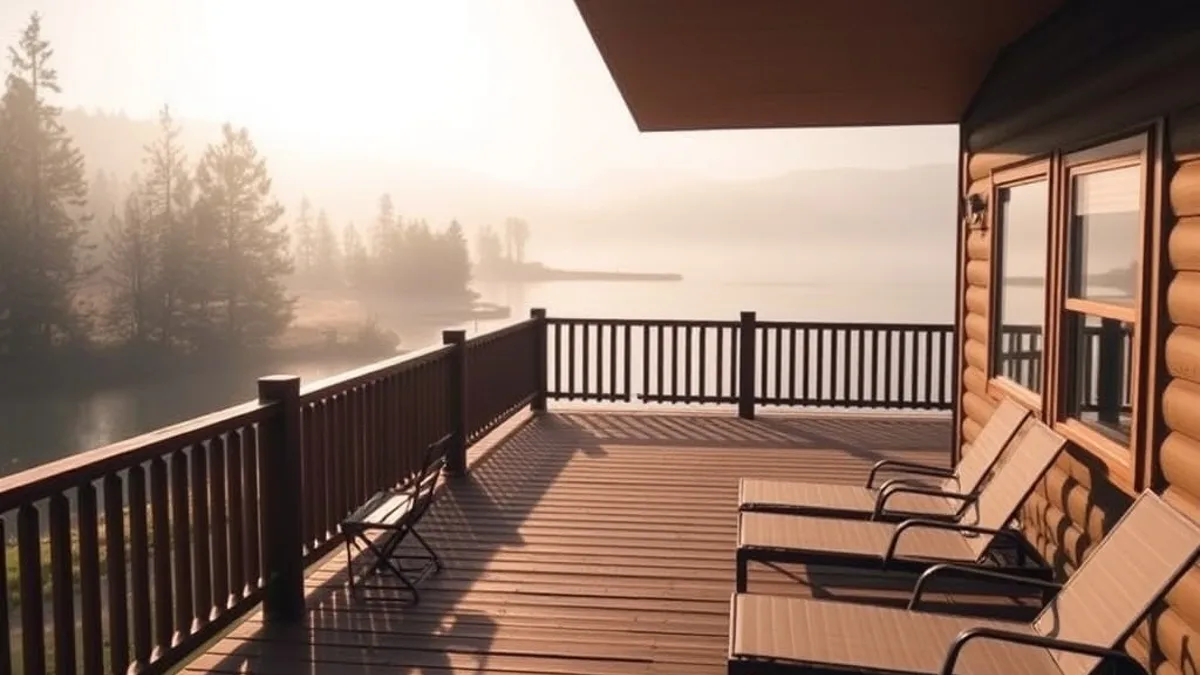
Safety questions separate genuinely family-ready lodges from ones that simply tolerate children. Start with water. Ask directly whether the pool is fenced or gated, and don’t accept a vague answer. Unfenced waterholes and plunge pools are common at safari lodges, and a beautiful view over water is less beautiful with a toddler in tow. Family-focused properties, such as the spacious, calm homesteads near Nanyuki’s safari country, show how thoughtful design around water and open grounds makes a stay easier with young children, but always verify the details with each lodge before you commit.
Then confirm where your room sits relative to water features and game paths, and whether staff escort guests after dark. Wildlife moves at night in most safari areas, so a reliable escort policy is a good sign, not an inconvenience. It also tells you the lodge takes its youngest guests seriously rather than treating them as an afterthought.
Minimum ages matter too. Many lodges set a minimum age of 6-8 for standard game drives, while family lodges typically run shorter, child-friendly drives designed around younger attention spans. Ask how long those drives last and whether they can be scheduled around naps or mealtimes.
Before booking, put these child-proofing questions in writing:
- Socket covers: whether the lodge fits them on request, since outlet types and placement vary by unit.
- Bed rails: availability for toddlers moving out of cribs, and whether they fit the actual bed configuration you’ve confirmed.
- Guarded veranda edges: railings or barriers with gaps small enough that small children can’t slip through.
Lodges that answer these questions quickly and specifically are usually the ones that handle families well day to day. Vague or defensive replies are worth taking seriously as a signal, and they often predict how smoothly the rest of your stay will go.
Family Programming and Mealtimes
A great kids’ club can make the difference between a relaxing trip and a stressful one, but not all programs are equal. Some lodges run supervised activities all day, every day, while others only staff their kids’ club when the high season fills it. Ask exactly which activities run daily and which appear only in peak weeks, because a program that looks impressive on the website may be seasonal.
Mealtimes matter just as much. Many safari lodges still operate on fixed dinner seatings, and a set 7:30pm sitting clashes badly with young children’s routines. Confirm before booking that the kitchen can serve families earlier, and ask whether a children’s menu exists or whether kids simply eat smaller portions of the adult menu.
Pricing policies for children vary widely between lodges, so dig into the details rather than assuming anything. It also pays to think about your evenings: if you want one quiet dinner a deux, you need to know what childcare actually exists on site.
- Ask whether kids’ club staff are trained and first-aid certified, or whether activities are simply led by whichever guide is free that day.
- Check if guided nature walks have minimum ages or require a parent to accompany each child.
- Confirm whether earlier dinner seatings happen in the main dining area or in a separate family space with a simpler menu.
- Ask exactly which age bracket qualifies for free stays or meals, since some lodges count children under 5-12 in their policy tiers while others draw the line lower.
- Find out whether babysitting is arranged by the lodge itself or by outside sitters who may need advance notice.
- Request the hourly rate for evening care in writing, along with any minimum booking hours, so there are no surprises on your first night.
Budgeting: What Family Lodge Stays Really Cost
Family lodge pricing falls into two broad bands. Mid-range family lodges typically run roughly $200-600 per night, while luxury lodges exceed $600 and often quote full-board rates that bundle meals, activities and sometimes drinks. Knowing which band you are shopping in keeps comparisons honest, because a $450 full-board rate can beat a $350 room-only one once meals for four are added.
Timing moves the numbers more than anything else. High season at safari lodges spans June-October and December-February, and shoulder season rates run 20-40% below those peaks. Traveling in the quieter months saves a family of four hundreds of dollars over a week, with the added bonus of fewer crowds around the pool and dining deck.
Child rates and the kitchen question
Per-child pricing deserves a close look. Some lodges discount children heavily or let them stay free, while others charge 70-80% of the adult rate, which can quietly erase the savings of choosing that lodge in the first place. Always calculate the total for your actual family, not the advertised per-person rate.
For stays longer than 3-4 nights, compare self-catering units against full board. A kitchenette adds to the nightly cost, but preparing breakfasts and a few dinners yourself usually pays off on longer trips, especially with picky eaters. If your itinerary also includes coastal time, some travelers mix a safari lodge with a stay at bluewater resorts that pair safari elegance with coastal release, so compare both on the same full-board-versus-self-catering basis.
Booking Timing and the Questions to Ask Before You Pay
Family units are the scarcest inventory at any lodge, and they disappear long before standard double rooms do. A family suite sleeping 4-6 or a two-bedroom unit might be one of only a handful at the entire property, which is why a little structure in your booking process protects both your budget and your sanity. The steps below take an hour or two of email admin, and they can save you from arriving to find a sofa bed where you expected real beds.
- Reserve your family unit 3-6 months ahead for high season travel. Family suites and two-bedroom units sell out before standard rooms, so waiting for a last-minute deal usually means losing the layout you need.
- Email the lodge a written checklist covering bed configuration, pool fencing, minimum game drive ages, crib availability and dining flexibility. Written answers give you something to reference if anything differs on arrival.
- Request written confirmation of any kids-stay-free or discounted child rate before paying the deposit. Child pricing varies widely between lodges, and verbal promises from reservations staff are hard to enforce once payment has cleared.
- Read recent reviews specifically from families, filtering out couples’ feedback. A glowing review from a honeymoon pair tells you nothing about crib availability, kids’ club quality or how the lodge handles a tired toddler at dinner.
Keep every email reply saved in one folder alongside your booking confirmation. If the room, the rate or the childcare arrangements do not match what was promised, that correspondence is your leverage for a quick and fair fix. It also makes follow-up questions easy, since you can reply to an existing thread instead of starting over with a new staff member who has no context.
Finally, confirm everything again a week or two before departure. Lodges occasionally reassign rooms for operational reasons, and a short reminder email gives them time to fix a mix-up before you arrive rather than after.
The Family Lodge Shortlist Mindset
Most family trip disappointments start the same way: a lodge built for couples, no space for a crib, no fence by the water, and four people squeezed into a room meant for two. The fix is to judge every lodge on the family essentials first. That means verified bed configurations, real square meters, storage for four, and a layout that matches your kids’ ages, whether that is interconnecting rooms for older children or a suite with a kitchenette.
Then let safety answers do the sorting. Pool fencing, escort policies after dark, and minimum game drive ages quickly separate genuinely family-ready lodges from couple-focused ones. Book early, aim for shoulder season if your dates allow, and get every promise, from kids-stay-free rates to crib availability, in writing before you pay the deposit. A lodge that aces rooms, space and safety turns a good trip into one kids remember. If this helped you plan, leave a comment or share the article.