Booking one room for two adults and two kids sounds simple until check-in, when the “family deal” turns out to be a standard double that legally sleeps three, the crib costs extra, and the kids club you counted on accepts only ages four and up or charges a separate daily fee. Family hotel rooms come with their own rules, and most of them are nowhere in the listing description.
This guide walks you through the layouts that actually fit a family of four, what connecting rooms really cost and how to lock in the internal door, what kids clubs typically include versus what gets billed separately, and the exact questions to ask before you pay. You’ll also learn to spot the warning signs hidden in room listings and how resort stays combine family rooms and kids clubs into one workable setup.
Family Hotel Rooms: Know Your Layout Options Before You Book
Most standard double rooms max out at two adults plus one child, so a family of four usually needs something bigger. That means choosing between a family room, a suite, or booking two rooms outright. Each option solves a different problem, and each has a catch worth knowing before you commit your deposit.
Family rooms and suites: read past the name
Family rooms typically add sleeping space through bunk beds, a sofa bed, or a pull-out chair. The label alone tells you nothing about quality, so verify the actual bed count and sizes. One narrow bunk plus a queen might work for two young kids, while two teenagers on a fold-out sofa may not. Ask the hotel to describe every sleeping surface, not just the room category.
Suites look like the obvious upgrade because the living area gives you separation. Parents can read with a light on while toddlers sleep in the same room, and light sleepers avoid hearing every crib-side stir. But check the fine print: some suites still offer only one fixed bed, with everyone else on sleepers. That matters a lot if your toddler still naps or your partner wakes at every sound.
Connecting versus adjoining: know the difference
Connecting rooms share an internal door, so kids get their own beds and you get privacy while staying reachable. This setup suits older kids best, since they can settle themselves at night. Adjoining rooms simply sit next to each other in the hallway, which is not the same thing at all. If the listing says “adjoining,” confirm in writing that you will get a true connecting pair with the door.
Connecting Rooms: Costs, Configuration and Booking Realities
The first thing to budget for: connecting rooms often cost around 1.5 to 2 times the price of a single standard room, because you are genuinely paying for two rooms. There is no family discount hiding in the math. Compare that total against a large family room or suite before assuming two rooms is the better deal, and factor in whether you actually need the extra bathroom.
Getting the door you booked
Here is the frustrating part: connecting rooms are limited inventory, and many hotels cannot guarantee them at booking. A pair that exists in the system can be sold as two separate rooms right up until you arrive. Confirm the internal door request in writing when you book, then reconfirm one to two weeks before arrival by phone or email. Getting the confirmation in writing gives you something concrete to reference at the front desk if the pair has been split.
Timing matters too. For summer travel, book two to four months ahead. Family configurations sell out before standard doubles do, since there are far fewer of them in any given hotel. Travelers who wait until a month out often find connecting pairs gone even when plenty of regular rooms remain.
Location details worth requesting
Once the pair is confirmed, ask which floor it sits on. If you have young kids who nap, request rooms away from elevators and away from pool-facing noise, where afternoon splash sessions and evening activities run late. A quiet corner location can make the difference between a real nap and a 45-minute struggle.
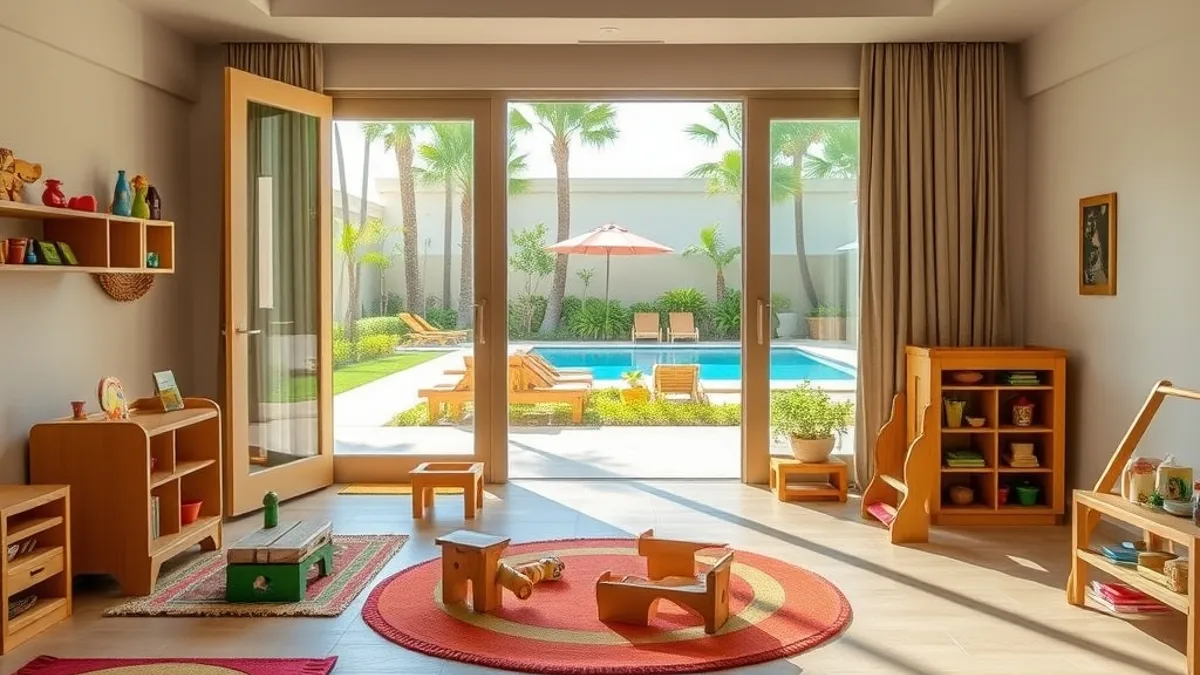
Kids Clubs: Ages, Hours and What They Actually Include
Kids clubs are often the reason families pick one resort over another, but the details vary more than the brochures suggest. Most clubs accept children from ages 4 to 12, with some resorts covering a wider 3 to 15 range. Children under 4 usually need a paid babysitter or a parent to stay with them, so if you have a toddler, the club may not be the childcare solution you imagined. Some resorts offer a separate crèche or toddler program at an extra cost, so ask about that option before assuming your little one is left out entirely.
Hours typically run from 9am to 5pm, which covers the daytime nicely. Some clubs add evening sessions running until 9 or 10pm, which sounds like a built-in date night until you see the bill: evening sessions often carry a separate fee of roughly $15 to $40 per child. Before you book anything, get clarity on the money side and how the club operates day to day. A quick email to the resort before you pay can save you both disappointment and a surprising amount on arrival. A few specifics to pin down:
- Included or extra? Some resorts bundle the club into the room rate, others charge a daily fee per child. Ask which applies, and whether lunch and snacks during sessions are covered or billed separately.
- Staffing levels. Ratios commonly sit around 1:5 to 1:8 for younger age groups. Ask how the resort splits age groups, since a mixed room of 3-year-olds and 12-year-olds rarely works well for anyone.
- Drop-off or stay? Some sessions are drop-off, others require a parent to remain. This changes whether you actually get time to yourself at the pool or spa.
- Seasonality. Ask directly whether the club runs daily year-round or only during high season and school holidays. Off-season travelers sometimes arrive to find the club closed entirely, with no refund on the “family resort” premium they paid.
Questions to Ask the Hotel Before You Pay
Before you enter a credit card number, get the hotel on the phone or in writing and ask the questions that listings rarely answer clearly. The biggest one is the exact sleeping setup: a “family room” might mean two real beds, or one bed plus a fold-out that nobody over eight will enjoy. Ask precisely what a family of four gets, and whether the extra bed or crib is free or carries a surcharge — many hotels count children under 12 as free in existing bedding, but extra beds can add roughly 10-25% per night to the rate.
Food is the second surprise cost. A rate that looks family-friendly may include breakfast only for adults, leaving you paying per child every morning. Also confirm the practical baby gear: cribs, bed rails, bottle warmers, and pool fences are usually available on request, but at busy properties they run out, so ask whether they need reserving ahead of arrival rather than assuming they will be in the room.
Finally, think through your days at the hotel. Pool rules and kids club logistics shape a family trip more than the lobby photos ever will, so put these on your list:
- Pool hours and setup: ask when the pool opens and closes, whether there is a shallow kids pool separate from the deep one, and if pool towels and floaties are provided or something you need to pack yourself.
- Kids club booking in advance: ask whether you can reserve club sessions before you arrive, because walk-in spots can disappear quickly in high season.
- What happens when a session is full: ask the hotel what the fallback is if the club is at capacity on your dates — is there a waitlist, an overflow option, or simply nothing?
- Evening session fees: if you want a kid-free dinner, ask whether evening club sessions cost extra, since many resorts charge a separate fee per child for after-hours care.
Reading Between the Lines of Family Room Listings
Listing language is designed to make a room sound bigger and more flexible than it is. “Sleeps 4” can mean two queen beds, or it can mean one bed plus a narrow sofa bed that a ten-year-old will complain about by night two. The fix is simple: ask what the fourth sleeper actually is. If the photo gallery shows the bedroom, the bathroom, and the balcony but never the sofa bed unfolded, treat that as a red flag — hotels photograph what they are proud of.
Size and occupancy fine print
Check the listed square footage or square meters before you book. Family rooms under roughly 25 square meters get tight fast once you add a crib, a stroller, and the luggage a family of four actually travels with. Then read the occupancy line carefully: words like “max occupancy 3” quietly exclude a family of four even when the room looks spacious in photos. Booking sites sometimes hide this in a dropdown rather than the headline.
Guest reviews are your best fact-check. Filter or search recent reviews for mentions of families, and look for specifics: whether soundproofing held up with kids in the next room, whether the crib arrived clean and actually fit the space, and whether the kids facilities matched what the listing promised. Reviews from the last few months matter most, since renovations and management changes can shift all of the above.
Resort Stays Where Kids Clubs and Family Rooms Work Together
If you want the trip to run itself, a full-service resort is the easiest one-stop option. These properties pair kids clubs with family suites, dedicated kids pools, and flexible dining, so you can book once and stop coordinating. The trade-off is price, but what you save in planning time — no separate babysitter bookings, no hunting for a kid-friendly restaurant each night — often justifies it for a week-long stay.
Beach resorts versus city hotels
Beach resorts with shallow, calm water and structured club programs suit children in the 4-12 range best, since that is the age span most club programs are built around. City hotels are a different story: even family-friendly ones rarely run a daily kids club, because their guests are a mix of business travelers and short-stay tourists. In a city, plan on doing activities together and treat the hotel as a place to sleep.
All-inclusive family resorts often bundle kids club sessions and meals into the rate, which makes budgeting refreshingly simple. Verify the details before booking, though: evening sessions and age splits are the two things most commonly excluded, and both matter if you have a toddler and a ten-year-old who need different programs.
Apartment-style stays are the opposite bet. They suit families who need kitchens, separate bedrooms, and space to spread out, but they almost never include a club, so plan your own activities and accept that parents get no built-in break. They work well for longer stays where a bit of self-catering offsets the lack of resort services.
Wrapping Up Your Family Room Booking
A single room for a family of four sounds simple until you arrive and discover the “family room” is one queen bed plus a narrow sofa bed, the extra bed adds a 10-25% nightly surcharge, and the kids club only takes ages 4-12 with evening sessions billed separately. Most of these surprises can be caught before you pay, not after.
It really comes down to three checks: the real bed setup, the true cost of connecting rooms, and the kids club’s ages, hours and fees. Run the five pre-booking questions past the hotel, and you will filter out listings that look family-friendly but quietly sleep three.
Timing matters too. If you are traveling in summer, lock in your family configuration 2-4 months ahead, because those rooms and club spots sell out long before standard doubles do. If this helped you plan, leave a comment or share the article with another traveling family.