Most travelers pick a lodge for what happens during the day: the game drives, the mountain views, the long lunches on the deck. But few stop to think about how the hours after dinner actually unfold, or how to make the most of them. That’s a missed opportunity, because fireside evenings at lodges are often the part of the trip people remember most.
This guide walks you through everything that happens once the plates are cleared. We’ll look at why the fire becomes the real heart of a lodge, the classic rituals of a lodge night, stargazing and night sounds, guided after-dark activities, how to choose a property with a great evening atmosphere, and practical tips for getting the most out of the flames. By the end, you’ll know exactly what to expect after dinner, and how to turn those quiet hours into the highlight of your stay.
Why Fireside Evenings at Lodges Are the Real Highlight
There’s a reason seasoned lodge-goers plan their days around the fire rather than the itinerary. Somewhere between the last course and the first yawn, the fire pit or lounge hearth turns into the social center of the property. Strangers who nodded politely at breakfast are suddenly comparing notes on the leopard they missed by thirty seconds, or sketching a rough map in the ash to show you where a pride of lions was resting that morning. Route tips, guide recommendations and “you must go back to that waterhole” advice all get traded here, and none of it appears on any official activity schedule.
A slower side of lodge life
Daytime itineraries are built around departures, wake-up calls and fixed meal times. The firelight hours are different. Someone brings out a deck of cards, a guide joins the circle with a story about a stubborn elephant, and nobody checks a watch. This is the unhurried version of lodge life that daytime schedules never show, and it’s often when you actually get to know the staff and your fellow guests.
In cold months, the hearth usually earns its title as the warmest room in the building. Guests drift in from chilly verandas and converge on the same circle of chairs, so the fire does the quiet work of pulling everyone together after dinner. Even if you arrived as a solo traveler, it rarely stays that way past the second round of drinks.
The Classic After-Dinner Rituals of a Lodge Night
Dinner at most lodges is served between 7:00 pm and 8:30 pm, and once the last tables empty, a familiar migration begins. Guests drift toward the lounge fire or the outdoor fire pit, usually within minutes of the final coffee being poured. Some head straight for the comfiest chairs nearest the flames, others linger at the bar first, but nearly everyone ends up in the same warm circle before long.
Nightcaps are a fixture of this ritual, and many lodge bars take them seriously. It’s common for a well-stocked lodge lounge to carry 10-20 whiskies and local spirits, ranging from familiar names to regional bottles you’ve probably never tried. Staff are usually happy to talk you through the selection, so treat it as a mini tasting rather than a quick pour.
Small rituals that make the night memorable
Beyond the drinks, many lodges have their own signature after-dinner traditions. These vary by property and destination, but the ones you’re most likely to encounter include:
- Hot water bottles — some lodges slip a warmed bottle under your blanket or into your bed before you turn in, a small touch that makes the walk back to your room far more pleasant on cold nights.
- Roasted marshmallows — a few properties set out skewers and a bag of marshmallows by the fire pit, which tends to bring out the kid in every guest regardless of age.
- Spiced wine service — in alpine regions, staff may circulate with mugs of mulled wine around the fire, often included as part of the evening’s hospitality rather than an extra charge.
Ask at check-in what your lodge does after dinner. These rituals aren’t always listed on the website, and knowing about them in advance means you can plan your evening around them.
Stargazing and Night Sounds Around the Fire
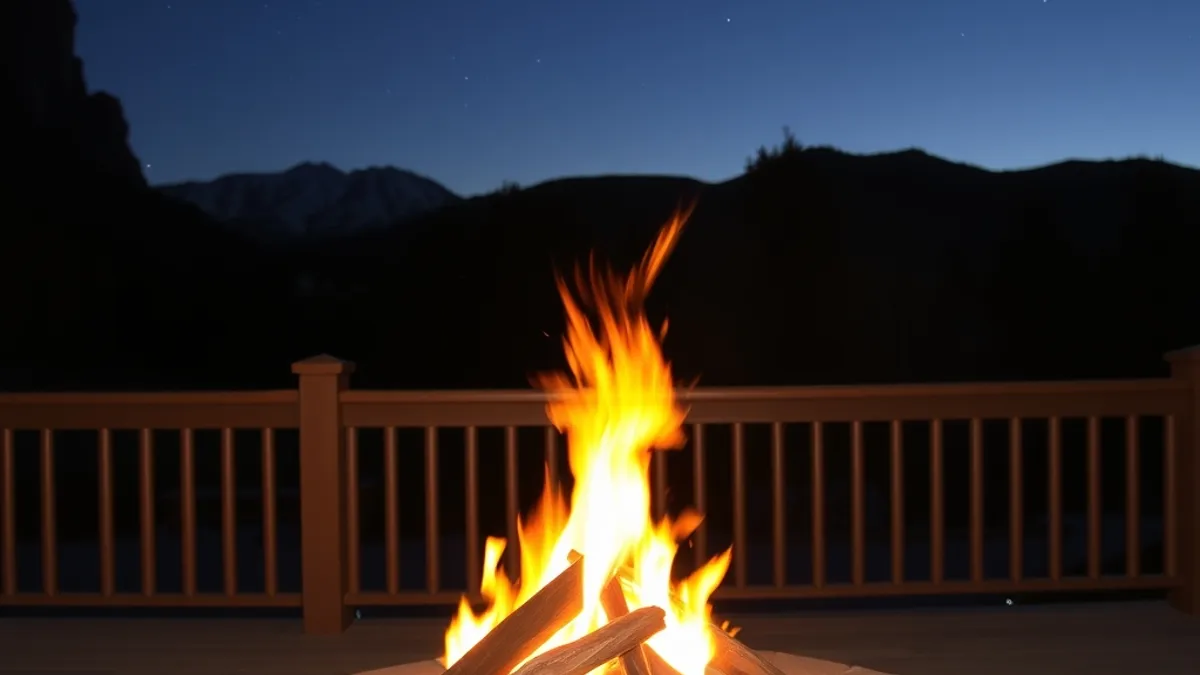
Lodges are usually built far from towns for a reason, and that reason pays off spectacularly after dark. With near-zero light pollution, the sky over a rural lodge can show more stars than many city dwellers have seen in years, from the sweep of the Milky Way to satellites gliding silently between constellations. Timing matters, though: stargazing conditions are best within 2-3 nights of a new moon, when there’s no bright moonlight washing out the fainter stars. Around a full moon, the sky is still beautiful, but you’ll trade deep-sky detail for a landscape lit softly enough to walk without a torch.
Tools you can actually use
The good news is you don’t need to bring your own equipment. Many lodges keep star charts or telescopes in the lounge for guest use, often set up on the deck near the fire. Ask staff if there’s a telescope available and whether someone on the team enjoys pointing out constellations, since guides at safari lodges in particular tend to know the southern sky well.
The soundtrack of the night
Stargazing at a lodge is never silent, and the sounds are half the experience. Depending on your destination, you might hear owls calling across the valley, the whoop of hyenas in the distance, or nothing more dramatic than frost crackling in the cold air. Sit still for a few minutes and let your ears adjust; the bush and the mountains both get louder the quieter you become. If you’re unsure what you’re hearing, ask a guide the next morning, since most are happy to identify the calls you heard from the fire.
Guided Night Activities Offered After Dinner
Once the dinner plates are cleared, many lodges switch on a second program: the night. Safari properties are the classic example, with night drives usually departing around 8:00 pm and rolling for 2-3 hours through the darkness. A guide and tracker sweep a spotlight through the bush, picking out eyes reflected in the beam — genets, bushbabies, hyenas on the move, and if you are fortunate, a leopard using the cover of night to hunt.
It is a completely different experience from a daytime game drive. Animals behave differently after dark, the bush sounds change, and the vehicle’s red-filtered light keeps wildlife relaxed while you watch. If your safari lodge offers this, treat it as a highlight rather than an optional extra, and consider a stay like the ones described in Botswana’s beautifully paced safari resorts, where evening drives pair naturally with slow fireside hours.
Not every lodge is a safari lodge, of course. In the mountains and by the lakes, guided night activities take a gentler form, and they vary by season and property. Typical options include:
- Moonlit walks — a guide leads a short loop from the lodge under a bright moon, pointing out animal tracks, constellations and local legends along the way.
- Torch-lit snowshoe outings — in alpine winter conditions, small groups clip on snowshoes and follow a lantern-lit trail, often ending with mulled wine or hot chocolate back at the fire.
- Lakeside night paddles or shoreline strolls — some waterside lodges run calm-evening excursions when conditions allow, with guides checking weather and water levels first.
Whatever the activity, remember that capacity is the constraint. A night drive holds only as many guests as the vehicle has seats, and a snowshoe guide can only take a small group. Book at check-in or during the afternoon of the same day, and ask what happens if weather forces a cancellation.
Choosing a Lodge With a Great Evening Atmosphere
Not all lodge evenings are created equal, and the difference usually comes down to design. The properties that shine after dark advertise it openly: a central fireplace lounge, an outdoor boma, or a fire pit deck with views. These are not cosmetic details — they are the rooms where your evenings will actually happen, so give them as much weight as the rooms you sleep in.
Look at the lodge’s own photos before you book. If the gallery shows guests clustered around a stone hearth with wine glasses, or a circular boma ringed by chairs under the stars, that is a property that takes its evenings seriously. If the only images are of the pool and the restaurant, the after-dinner atmosphere may be an afterthought.
Size matters more than you think
Smaller lodges of 8-20 rooms tend to create warmer communal evenings than large resorts. With a few dozen guests at most, the same faces reappear around the fire each night, and by the second evening strangers have become dinner companions comparing sightings and route tips. Large resorts, by contrast, often split guests across multiple bars and lounges, diluting that fireside chemistry.
What to expect on price
As a rough guide, winter alpine stays average around 150-400 euros per person per night on a half-board basis, and safari lodges price similarly in high season. Half-board is worth seeking out for evening-focused stays: dinner is included, so there is no reason to leave the property after dark, and the night flows naturally from table to fire. For a sense of how timber warmth and snow-crisp views shape an alpine evening, see these Swiss alpine estates built around winter comfort. Rates shift with season and availability, so always confirm current prices directly with the lodge or your operator.
Practical Tips for Making the Most of the Fire
A great fireside evening needs almost no effort, but a few small habits make the difference between a good night and a memorable one. The first is clothing. Lounges near open fires can swing from hot to cool within the same hour — you toast on one side while the other shivers near a window or drafty door — so pack a warm layer even indoors. A fleece or wool sweater you can slip on and off beats a heavy coat you cannot.
Timing is the second habit. Fires are typically lit between 7:00 pm and 9:00 pm, and the first flames are often the best part: the crackle, the smell of fresh smoke, the ritual of staff feeding the logs. Since dinner at most lodges is served in the same window, think about how you want the sequence to run and plan accordingly.
A few extra details worth knowing before you settle in:
- Claim your seat early on busy nights — the chairs directly facing the hearth go first, so if you are coming back from an evening activity, head straight to the lounge before unpacking anything.
- Ask about the fuel — some lodges burn fragrant local hardwoods or even dung-fuel fires on safari properties, and staff are usually proud to explain the tradition behind them.
- Check whether blankets are provided — many lodges keep a basket of wool throws by the fire for guests, but a few expect you to bring your own layer from your room.
Finally, be honest with yourself about your evening style. Some guests want the social heart of the fire, full of comparisons of the day’s sightings; others would rather read in silence. Ask the staff about quiet corners versus the social side of the fire — in a well-run lodge, both exist, and the team can point you to the armchair that suits your mood.
Wrapping Up the Perfect Lodge Evening
Many travelers book a lodge for the wildlife drives or mountain views, then assume the evening simply fills itself. In reality, the hours after dinner are where a lodge stay earns its keep. Fireside evenings at lodges blend conversation, nightcaps, stargazing and optional guided night activities, and each one adds a different flavor to the same crackling fire.
The formula is simple: pick the right lodge, throw a warm layer in your bag and time your dinner around the first flames. Do that, and the after-dinner hours often become the trip’s best memories rather than the quiet gap between two game drives. If this helped you plan your next lodge stay, leave a comment or share the article with a fellow traveler.