Choosing between fly-in vs drive-in lodges is one of the first big decisions safari travelers face, and it shapes both your budget and how much time you actually spend on game drives. Flying straight to a bush airstrip sounds glamorous, but light aircraft transfers typically cost $150-$400 per person each way in East and Southern Africa. Driving is cheaper, though road transfers of 3-6 hours from major airports are common for many safari regions, and that’s time you won’t spend watching wildlife.
This guide breaks the decision down honestly. We’ll compare where the money really goes, how many hours each option costs you, and what comfort looks like on the ground, from baggage limits to bumpy final stretches of road. We’ll also cover when each option makes sense, how booking lead times and seasonal planning affect your choice, and finish with a clear bottom line so you can pick the transfer style that fits your trip.
What Fly-In vs Drive-In Lodges Actually Means
At its simplest, the difference comes down to how you arrive at camp. Fly-in lodges are reached by light aircraft — either a scheduled bush flight or a private charter — that lands on a dirt airstrip a short game-drive away from the camp itself. You board a small Cessna or similar at a regional airport, and within the hour you are bumping along a gravel strip with zebra scattered beside the runway.
Drive-in lodges, on the other hand, are reached by road. That might mean self-driving your own 4×4, joining a guided overland vehicle, or taking a lodge-arranged transfer from a major airport. In many classic safari regions, these road transfers typically run 3-6 hours from the nearest big airport, often on a mix of sealed highway and rougher rural roads.
The Hybrid Option: Fly One Way, Drive the Other
It is worth knowing that the two approaches are not mutually exclusive. Some camps sit within a few hours’ drive of an airstrip, which opens the door to hybrid itineraries. A common pattern is flying into one park to save time, then driving between the next two or three lodges to cut costs and see more of the countryside along the way.
These combinations work well when road links between parks are reasonable but the first leg from the international airport is long. Ask your operator or lodge which legs they recommend driving versus flying — they know the road conditions and airstrip schedules for the exact route you are planning, and they change from region to region.
Cost Comparison: Where the Money Really Goes
Let’s start with the number most travelers notice first: the flight. A light aircraft seat on a bush flight typically adds $150-$400 per person each way on top of your lodge rate. For a couple doing a round trip, that can mean $600-$1,600 extra before you’ve paid for a single game drive. On a short stay, it’s a meaningful slice of the total bill.
Drive-in lodges often price 10-25% lower than comparable fly-in camps in the same region. Part of that saving comes from the lodge itself, since road-accessible properties tend to have lower operating costs. Part comes from skipping the air leg entirely, especially if you self-drive or share a transfer vehicle with other guests.
The math shifts quickly once you travel as a group. A road trip spreads the transfer cost across one vehicle, so a family or friend group of 3-4 can make driving notably cheaper per person than buying four separate flight seats. Solo travelers and couples, on the other hand, get less benefit from sharing and may find flying more competitive than they expected.
There’s also a subtler cost hiding in the schedule. Fly-in pricing effectively bundles transfer time into your trip, and that matters when you’re paying per night at camp. Every hour saved in transit is an hour you actually enjoy the lodge you’re paying for, which is why many travelers treat the flight as buying back part of their stay rather than as pure overhead.
- Charter vs scheduled seats: Chartering a whole aircraft costs more than a scheduled seat but can work out per person for a full group, since the plane price is split among passengers rather than charged per head.
- Vehicle and fuel costs: Self-drivers should budget for fuel, park entrance fees and possible vehicle hire, which nibble at the 10-25% rate advantage before you even reach camp.
- Hidden transfer charges: Some road-accessible lodges charge separately for pickups from the nearest town or airport, so ask whether the transfer is included in the nightly rate or billed on top.
- Per-night efficiency: If a flight lands you in camp by mid-afternoon, you effectively get more usable hours from each paid night, softening the sting of the airfare on short stays.
Travel Time: How Many Hours You Give Up
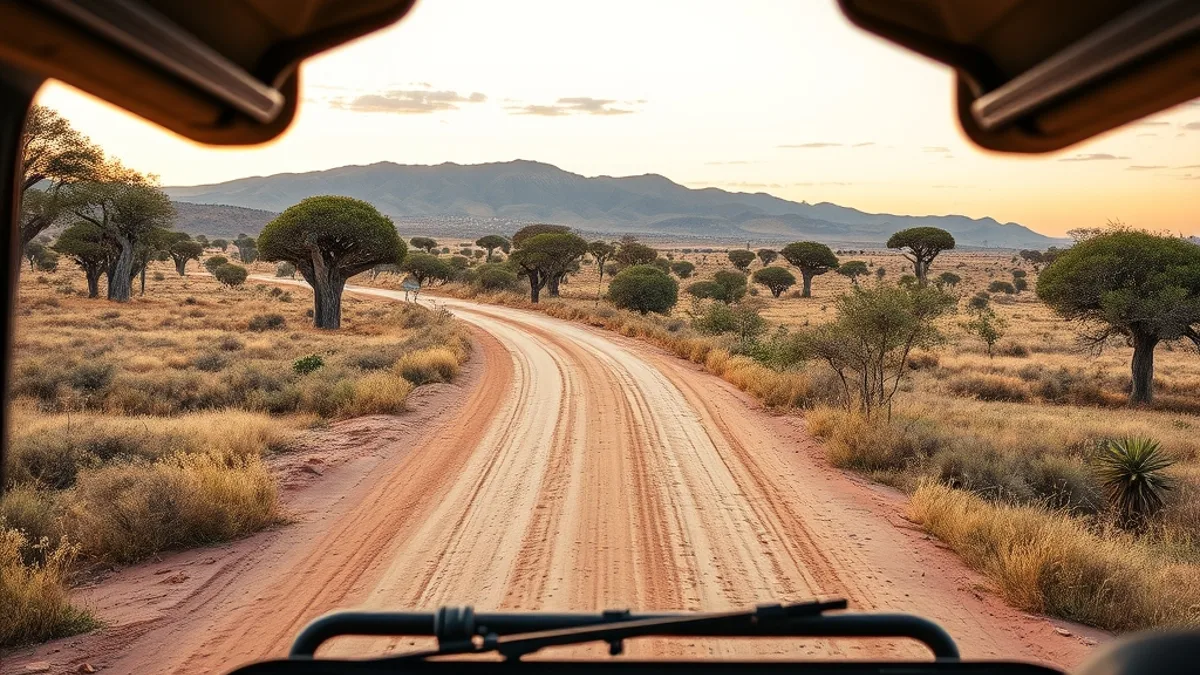
Time is the hidden cost of any safari, and it’s the one most travelers underestimate. A road transfer of 3-6 hours from a major airport is common for many safari regions, and that stretch can quietly swallow most of your travel day. Factor in an early departure, a lunch stop, and the final stretch on rough dirt track, and you may arrive at camp with just enough energy for sundowners rather than a proper first game drive.
Flying changes that math. Light aircraft transfers typically save roughly 3-5 hours each way compared with a long road transfer, which often means you land at the bush airstrip near camp in time for an afternoon activity. That first game drive on arrival day is one of the quiet luxuries of a fly-in itinerary, especially when your stay is short.
When the Road Gets Slower
Rainy-season conditions from November to April can stretch drive times unpredictably. Roads to remote lodges can turn slow or impassable after heavy rain, and a transfer that takes four hours in the dry season may take considerably longer when the track is muddy. If you plan to drive during these months, build in buffer time and check road conditions with your operator close to your travel dates.
Multi-lodge trips benefit most from flying. The road links between remote parks are often the slowest legs of the whole journey, sometimes taking a full day of driving to cover what a light aircraft does in an hour or so. If your itinerary hops between two or three camps in different regions, connecting by air can turn a series of exhausting travel days into smooth half-day transitions, leaving you more hours actually on game drives.
Comfort and Practicality on the Ground
The practical differences between fly-in and drive-in lodges start with your luggage. Light aircraft enforce strict weight limits, usually 15-20 kg per person, and they expect soft-sided duffel bags rather than hard-shell suitcases, which simply do not fit in a small plane’s hold. If you are flying, pack for that limit from day one, including camera gear, and check with your operator about excess baggage policies before you go. Some camps offer laundry services, which means you can carry fewer outfits than you think and still stay comfortable for a full week on safari.
Long road transfers come with their own realities. Expect dust coating everything in dry season, corrugated sections that rattle your teeth, and stretches where bathroom stops are few and far between. Bring a scarf or buff for the dust, keep sunscreen and water within reach, and ask your lodge whether the vehicle is open-sided or closed. The trade-off is real: you pass through villages and farmland, see how the landscape changes, and often arrive with a better sense of the country than a flight allows.
Bush airstrips add their own quirks worth knowing about before you book.
- Seating on small aircraft is often assigned by weight, so pilots may ask passengers to spread out or shift seats for balance, and heavier travelers should be prepared for this to be handled matter-of-factly.
- Scheduled bush flights frequently stop at two or three airstrips on the way, so your 45-minute hop can stretch to two hours with landings, though these stops often give you bonus aerial game viewing.
- Flights can be delayed or reshuffled when weather closes an airstrip, so build a buffer into any same-day international connection.
- Drive-in travel suits anyone who feels uneasy in small planes, and it opens the door to a self-drive road-trip element where regulations and road conditions allow it.
When Each Option Makes Sense
The right choice depends less on the lodges themselves and more on the shape of your trip. If you only have 3-4 nights on safari, flying protects nearly every hour of game-viewing time, since a road transfer can swallow most of a travel day. The same logic applies to high-season trips between June and October, when camps are full and every afternoon activity counts.
Drive-in options shine on longer itineraries. If you have a week or more, budget is a priority, or you are traveling through a region with good sealed-road access, the savings on rates and transfers can fund extra nights in camp. Areas near Mount Kenya are a good example, and you can get a feel for the pace of road-based travel in Nanyuki homesteads near safari country with spacious calm.
Families and photographers
Families with young children often prefer flying simply to avoid long, bumpy road days that test everyone’s patience before check-in. Photographers and repeat safari-goers, on the other hand, frequently accept the long drives to cut costs and stretch their budget into additional nights on site, which matters more to their images than a few hours of comfort.
Multi-camp itineraries tilt strongly toward flying, because the slowest legs of any safari are usually the road links between remote parks. If your plan involves two or three camps in different reserves, light aircraft connections keep the trip moving.
Booking Lead Times and Seasonal Planning
Timing your booking matters as much as choosing your transfer style. Small safari camps have only a handful of rooms, so they fill first, and the light-aircraft seats that serve them are limited too. For high-season lodge stays, booking 6-12 months ahead is the standard advice, because the most desirable camps and the most convenient flight routings tend to disappear together. Wait too long and you may find the lodge still available but the flight schedule awkward, or the reverse.
Shoulder months like May and November can soften costs on both sides of the equation. Lodges and light-aircraft seats are often priced more gently than in peak weeks, and airstrips tend to be less congested. It is a reasonable compromise if your dates are flexible and you accept greener landscapes and some weather risk in exchange.
Your transfer choice and your choice of camp feed into each other more than most travelers expect. A camp that runs on a calm, unhurried rhythm rewards the extra travel time far more than one where you feel pushed between activities. If pace matters to you as much as logistics, it helps to see what that looks like in practice — our guide to rainshore resorts in Botswana for safari serenity and beautifully paced comfort is a useful starting point.
Before committing to either option, work through this checklist:
- Confirm which airstrip your camp uses and whether your scheduled flight actually lands there, since some bush flights run only on set days of the week and may serve a substitute strip.
- Ask your operator how flight schedules align with lodge check-in times, because a midday arrival can still cost you an afternoon activity if connections are tight.
- If driving between November and April, match your route and vehicle choice to rainy-season road conditions, and confirm with local operators that your specific roads are currently passable.
- Recheck park fees, conservation levies and any tourist taxes close to booking, as these change regularly and are rarely included in quoted transfer costs.
The Bottom Line on Fly-In vs Drive-In Lodges
So which wins? A fly-in lodge trades roughly $150-$400 per flight leg for about 3-5 hours of saved time each way. That is a real price, but it buys you an afternoon game drive instead of a dusty transfer day, which matters enormously on a short safari.
Drive-in lodges cost less and suit flexible, longer trips on reliable roads, especially for groups who can share a vehicle. In the end, your trip length, the season you travel in, and your group size decide which option makes sense for your safari. If you have flown into the bush or driven it yourself, tell us how it went in the comments, or share this article with someone planning their first safari.