Planning a bachelorette or friend getaway that feels special without the chaos of hotels and group dinners is harder than it looks. You want quality time together, not six separate rooms, a crowded lobby and a restaurant that can barely seat your party. That is exactly why a glamping bachelorette has become such a popular alternative: a private site, a fire pit and a shared space built for lingering conversations.
This guide walks you through the whole process. We compare why a glamping bachelorette beats a hotel weekend, help you choose the right destination and setting, and explain when to book and how to time the trip around the wedding. From there, we cover budgeting for a group, building a weekend itinerary that balances activity with downtime, and what to pack. A short wrap-up pulls the whole plan together so you can book with confidence.
Why a Glamping Bachelorette Beats a Hotel Weekend
Hotels are designed for individual travelers, not groups of friends who want to spend a whole weekend together. You book multiple rooms on different floors, meet in a lobby full of strangers and end up apologizing to neighbors when the celebration runs late. A private glamping site buyout flips that experience entirely: the whole property belongs to your group, so you can laugh as loudly as you want without a single noise complaint.
Built-in bonding you cannot get from a lobby
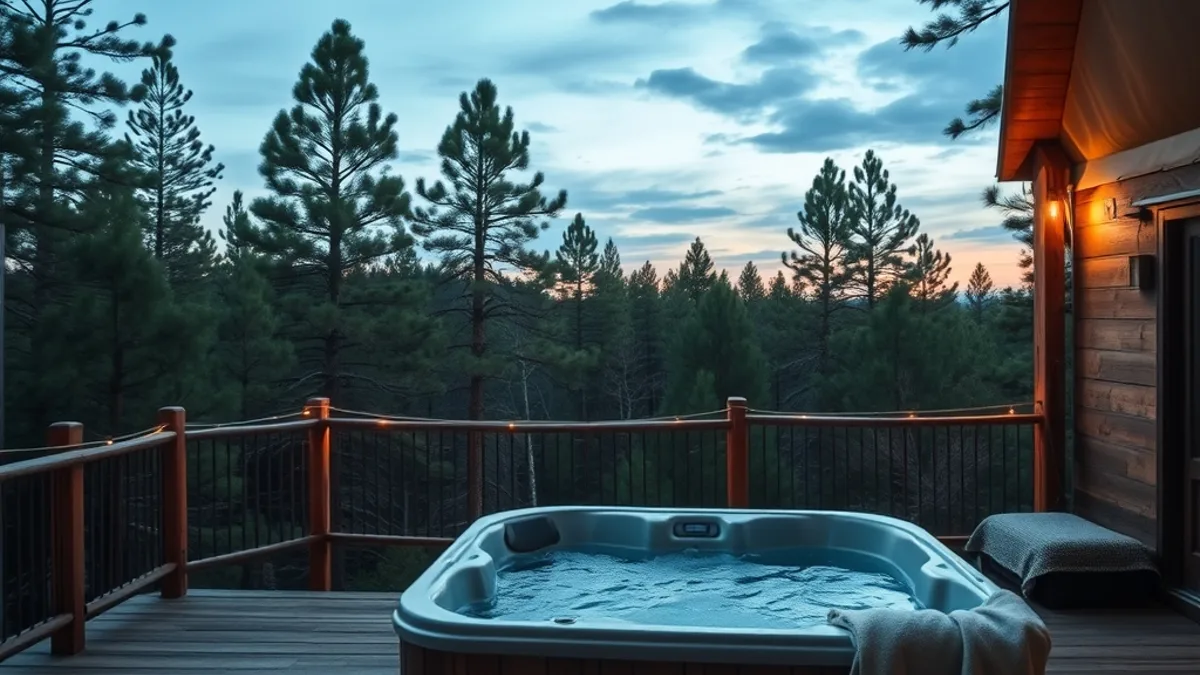
Glamping sites come with gathering points already in place. Fire pits draw everyone together after dark, hot tubs turn into late-night conversation spots, and outdoor dinners under string lights feel far more memorable than a reserved table at a restaurant. These built-in moments do the work of an activity coordinator — the setting itself creates the bonding, and nobody has to plan entertainment for every hour.
The math often favors tents over hotel rooms
Glamping suites typically fit 2-4 people, which means your group books a handful of shared suites instead of a stack of individual hotel rooms. Spreading the cost of a private site across the group usually lowers the per-person price compared with booking separate rooms in a popular destination. For an ideal group size of 8-14 people, a buyout gives everyone a real bed and real privacy while keeping the whole weekend in one shared space.
Choosing the Right Destination and Setting
The setting shapes the entire mood of the weekend, so start with the kind of experience your group actually wants. Coastal sites suit sunset-focused groups — think evening beach walks, golden-hour photos and dinners timed to the light going down over the water. If that sounds like your crowd, a look at Malibu clifftops where Pacific sunsets become a daily ritual shows how dramatic a coastal backdrop can be. Forest and mountain sites, on the other hand, suit cozy fire-pit weekends where the highlight is blankets, hot drinks and long conversations under the stars.
Match the setting to the bride
Wine country, lakeside and desert sites each come with a different activity menu. Wine country lends itself to tastings and vineyard picnics, lakeside settings open up paddling and swimming, and desert sites offer stargazing and dramatic scenery. Ask the bride which of these feels most like her — the destination should reflect her taste, not just whatever is trendy.
Keep the transfer short
Whatever setting you choose, aim for a drive or transfer of 2-3 hours or less from the nearest airport. A weekend trip has only two or three usable days, and a long transfer eats directly into them. If your group is flying in from different cities, pick a hub with good flight connections and check drive times before you fall in love with a listing.
When to Book and How to Time the Trip
Timing a group glamping weekend comes down to two separate questions: how far ahead you reserve the site, and where the trip sits on the wedding calendar. Get both right and the planning feels smooth; get either wrong and you risk losing the site or colliding with wedding chaos. Because private buyouts are popular with bachelor and bachelorette groups, the best dates and tent types tend to disappear months before casual travelers even start looking. Here is the sequence that works, in the order you should tackle it.
- Reserve the site 3-6 months ahead for summer weekends. Peak glamping season runs May to September in most temperate destinations, and private sites sell out first because groups snap up whole-property buyouts. Booking early in that window gives you the widest choice of dates and tent types.
- Consider shoulder season dates to save money. Dates in May or late September can cut per-night rates 20-30% while still offering good weather in most destinations. If the bride is flexible on the month, this is the easiest way to stretch the budget.
- Schedule the trip 4-8 weeks before the wedding. This window keeps the weekend clear of final fittings, RSVP deadlines and the last stretch of wedding planning, when the bride’s calendar gets unpredictable.
- Confirm the minimum stay before locking dates. Most glamping sites require a 2-night minimum on weekends, so build your dates around that from the start rather than discovering it at checkout.
Once the dates are set, send a save-the-date to the whole group immediately and collect a deposit before anything is refundable. Group trips live or die on early commitments, and a site held for months means nothing if half the guests back out the week before. Set a clear RSVP deadline, name one person to handle payment, and share the booking confirmation with everyone so expectations about cost and dates are locked in from day one.
Budgeting for a Group Glamping Weekend
Glamping pricing varies more than most people expect, so go in with a realistic range. Most groups pay somewhere between $100 and $400 per person per night, depending on the tent type, the region and the season. A simple safari tent in a forest setting sits at the low end, while a luxury suite with an en-suite bathroom and a private hot tub sits at the top.
Private buyouts change the math. Instead of paying per tent, you pay for the whole site, so the per-person cost depends entirely on how many friends commit. A group of 8-14 people hits the sweet spot here: enough friends to spread the buyout fee thin, but still a small enough crew to fit around one fire pit.
The smartest move is to collect money before you book, not after. Set up a shared group fund through a payment app, have everyone chip in their share up front, and book from that pool. You avoid chasing five people for money two weeks before the trip, which is the fastest way to sour the group chat.
Once the money is pooled, a few practical details keep the budget on track:
- Remember that most sites require a 2-night minimum stay on weekends, so budget for two nights per person, not one, when you calculate the total.
- Set the shared fund slightly above your estimate, around 10% extra, to cover deposits, service fees or a last-minute tent upgrade without re-collecting from the group.
- Ask whether the site charges a single buyout rate or per-tent rates, because per-tent pricing can penalize couples or friends who want to share a suite.
- Designate one person as the money holder who pays the deposit and tracks balances, so refunds and adjustments stay simple if someone drops out.
Building the Weekend Itinerary
A great glamping weekend has just enough structure to feel planned, but enough open space that nobody feels rushed from event to event. The trick is choosing one memorable moment per day and letting everything else happen naturally. Groups that over-schedule end up exhausted, while groups that plan nothing often drift. A simple three-part rhythm — one anchor activity, one big night, one casual night — keeps everyone happy without turning the bachelorette into a military operation. Here is a practical way to build the schedule.
- Pick one anchor activity for each day. A sunrise hike, a wine tasting or a lake paddle works well because it gives the morning or afternoon a focal point, and the rest of the day stays free for hot tubs, naps and chatting on the deck. Anchor activities also give slower risers a clear meet-up time, which prevents the group from splintering before lunch.
- Put the big celebration dinner on night one. Everyone arrives with full energy, the photos are fresh, and nobody has a travel day hanging over them. Book a private chef or reserve the site’s dining option well ahead if you want something special, and confirm kitchen access and cleanup arrangements before you commit.
- Keep night two deliberately casual. Plan it around the fire pit with s’mores, drinks and a playlist, so the group can wind down instead of competing with night one’s festivities. This is also the easiest night to shift if weather turns.
- Contact the site early to confirm what they host in-house, such as yoga sessions, guided hikes or firewood delivery, versus what requires an outside vendor. Outside vendors often need to be booked weeks in advance, especially for weekend dates, so ask about their preferred supplier list when you first inquire.
- Leave buffer time around transfers and meals. Groups of 8-14 people rarely move on schedule, so a loose timeline keeps the mood relaxed instead of stressed. Build in an extra half hour for every group activity, and resist the urge to stack two plans back to back.
The best itinerary is one the group can actually follow without a spreadsheet. Anchor each day, front-load the big celebration, and let the fire pit do the rest of the work. If one planned activity falls through because of weather or timing, an unstructured afternoon at a private site is hardly a disappointment — that flexibility is exactly why you chose glamping over a packed city itinerary in the first place.
What to Pack for a Glamping Bachelorette
Packing for glamping sits somewhere between a camping trip and a hotel weekend, and the biggest mistake groups make is underestimating the temperature swing. Even in warm months, nights can drop 15-20 degrees below the daytime high, so that sundress that felt perfect at dinner will not cut it at the 10 p.m. fire pit. Layers are your best friend: think a light jacket, a warmer fleece and something waterproof in case of rain.
Lighting is the second thing people forget. Many sites deliberately keep lighting low after dark to preserve the atmosphere, which is lovely until someone drops a phone in the grass. Headlamps or small lanterns solve this instantly, and they double as fun photo props.
Finally, divide the packing list between personal items and group items. Assign the group extras to different people so nobody carries everything, and confirm with the site well before departure whether bedding and towels are provided. Some luxury tents include full linens, while more basic setups expect you to bring sleeping bags or rent them.
- Bring a portable Bluetooth speaker and agree on a shared playlist in advance, since music around the fire often becomes the heart of the weekend.
- Coordinate matching robes or themed accessories early enough to order sizes for everyone, and they double as useful layers on chilly mornings.
- Pack a small first-aid kit with blister plasters, pain relievers and allergy medicine, since the nearest store may be a long drive from a rural site.
- Bring reusable water bottles and a few snacks, because many glamping kitchens are minimal and late-night munchies are practically guaranteed.
- Check whether the site has reliable phone charging; a small power bank per person saves arguments over the one outlet in the tent.
Wrapping Up Your Glamping Bachelorette Plan
A glamping bachelorette solves the problem that makes hotel weekends so frustrating: it gives your group a private space to actually be together, without strangers, noise complaints or splitting up across hallways. The key is locking in the essentials early. When the destination, season and group size all match from the start, everything else falls into place.
Two habits keep the weekend stress-free. Book 3-6 months ahead for summer dates and budget $100-$400 per person per night so costs never become a surprise. Then keep the schedule light: one anchor activity per day plus a relaxed fire-pit night gives the trip structure without over-scheduling anyone. Get those pieces right and the weekend practically plans itself. If this helped you start planning, share it with your group chat or leave a comment below.