Glamping in Cyprus sounds simple until you actually start planning. The island offers two completely different settings — sunny coastal sites near Paphos and Limassol, and cool pine-forest lodges in the Troodos mountains — and the season you pick changes everything about the experience, from sea temperatures and snow lines to nightly rates.
This guide breaks the decision down for you. We compare the coast and the mountains, map out spring, autumn and summer along the shoreline, explain when the Troodos works and when it doesn’t, then cover how to choose and book the right site, what to pack for each zone, and a quick year-at-a-glance summary so you can match your dates to the right part of the island before you book.
Why Glamping in Cyprus Splits into Two Very Different Trips
Cyprus is small enough that you could technically see it all in one trip, but glamping here splits cleanly into two experiences that feel like different countries. The choice is less about distance and more about what kind of trip you want and when you want to take it.
Coastal stays: sea views and a long warm season
Coastal glamping sites cluster around Paphos, the Akamas Peninsula and Limassol. Expect sea views from your tent or dome, beach access within walking distance in many cases, and a long warm season that stretches from spring well into autumn. These sites suit couples looking for a romantic base and travelers whose ideal day revolves around swimming, snorkeling and slow seaside evenings.
Mountain stays: pine forests and cooler air
Head inland to the Troodos mountains and the mood changes completely. Sites near Kakopetria, Platres and Troodos Square trade beaches for pine forests, cooler air and direct access to hiking trails. Mountain lodges are the better match for hikers, nature lovers and anyone visiting in summer who wants to escape the coastal heat while sleeping under crisp, starry skies.
Here’s the practical part: the two zones sit only 1-2 hours apart by car, so you’re not choosing based on logistics. You’re choosing based on season and mood — and the rest of this guide will help you get that pairing right.
Spring and Autumn: The Sweet Spot for Coastal Glamping
If you want the best value and the best conditions for coastal glamping in Cyprus, aim for the shoulder seasons. Both spring and autumn deliver warm days, swimmable sea and noticeably lower prices than the July-August peak.
Spring: wildflowers and warming water
May to mid-June is a lovely window on the coast. The hillsides around Paphos and the Akamas Peninsula are still green and covered in wildflowers, sea temperatures climb past 22°C, and rates sit at the lower end of the typical €90-150 per night range. You get long, bright days without the summer crowds or the peak-season price tag.
Autumn: the warmest sea of the year
Late September to October is arguably even better for swimmers. The sea holds the warmest temperatures of the year, roughly 22-26°C, while beaches and sites are far quieter than in summer. Evenings are mild, and the light in October is a photographer’s dream.
One caveat: shoulder-season nights can turn cool in the mountains, so if you’re traveling at the edges of the season — April or November — a coastal site is the safer pick, since the coast stays warmer for longer.
Timing matters for booking too. Reserve 2-3 months ahead for these windows. The most popular sites in the Akamas Peninsula and around Paphos sell out first, especially for weekend dates, so lock in your unit early if your dates are fixed.
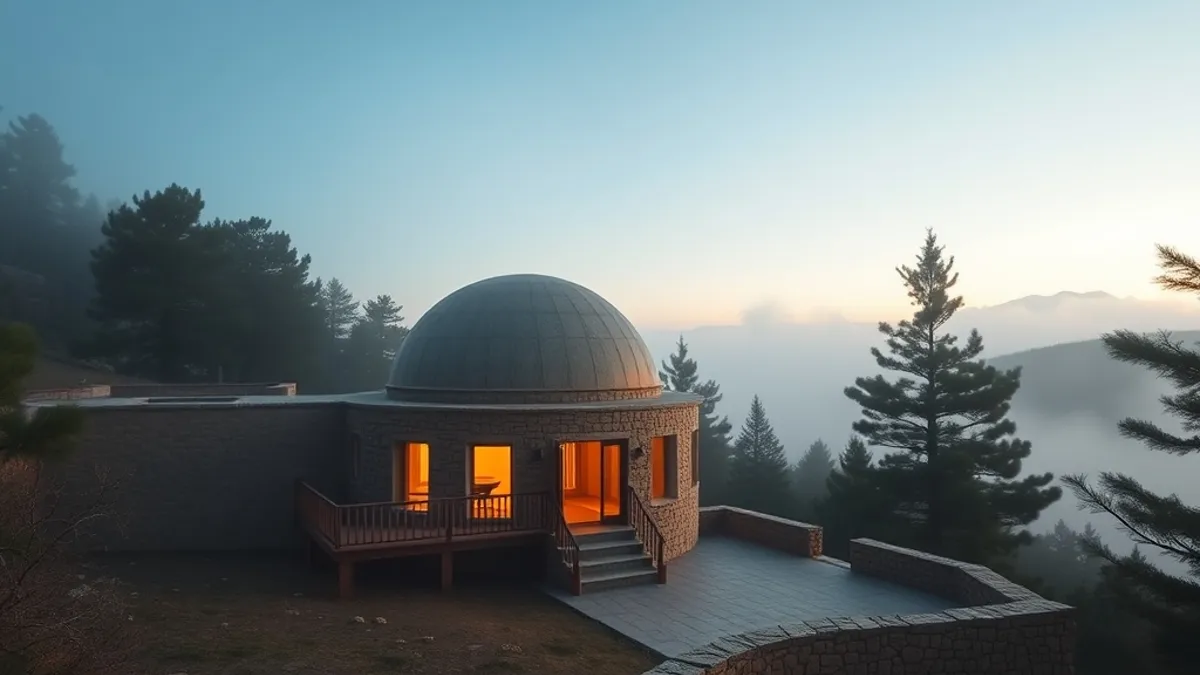
Summer on the Coast: Managing Heat, Crowds and Price
Summer glamping on the Cypriot coast is entirely doable, but it demands a different strategy. July and August bring coastal temperatures of 30-35°C, and nightly rates climb to €150-300 or more. Value at this time of year comes down to one thing: choosing a site that is designed to stay cool.
That means prioritizing tents and domes with air conditioning, shaded decks, or beach access within walking distance so you can spend the hottest hours by the water rather than inside your unit. A sea breeze makes an enormous difference in a canvas tent, so orientation and shade matter more in August than any other month. If you’re traveling with kids, it’s also worth looking at how the wider Paphos area works for families — this guide to Paphos family homes built for sunshine and Mediterranean ease gives useful context on the region’s family-friendly side.
There’s also a simple way to cut costs: go midweek. Midweek stays in summer cost noticeably less than weekends on both the Paphos and Limassol coasts, and sites are calmer too.
- Check the unit’s ventilation, not just the AC. Domes with mesh windows and cross-ventilation stay far more comfortable if you’d rather keep cooling costs and noise down.
- Ask about shade at your specific pitch. Two units on the same site can differ by several degrees depending on whether yours sits under trees or in open sun.
- Look for on-site water access. A site with a pool or direct sea entry lets you cool off without getting in the car during the midday heat.
- Book family-sized units 4-6 months ahead. Larger tents and multi-bedroom domes are the first to disappear for July-August dates.
Mountain Glamping in the Troodos: Seasons and Snow
The Troodos mountains run on a completely different calendar from the coast. The reliable window for mountain glamping runs from May to October, when trails are clear, villages are lively and daytime temperatures sit comfortably 5-8°C cooler than the coast. That difference is exactly why hikers and heat-sensitive travelers head uphill in summer, when a pine-shaded lodge feels refreshing while the shoreline bakes.
Winter is a different story. Between December and February, snow settles above 1,500 m on the slopes near Mount Olympus, which at 1,952 m is the highest point on the island. Regular safari tents and domes are not built for these conditions, so only winterised lodges with proper heating make sense in the cold months. If a listing does not clearly mention insulation and heating, assume it is a warm-season option and check with the operator before committing.
Where to base yourself
Platres and Kakopetria are the two most practical bases. Both put you within easy reach of marked trails, waterfalls and village tavernas, and both sit about 45 km from Limassol — roughly a one-hour drive on mountain roads. That makes a combined coast-and-mountains trip easy to arrange without long transfers.
For the best combination of quiet and value, aim for the shoulder months of May and October. Trails are at their emptiest, the air is crisp, and mountain rates drop to their lowest levels of the year.
How to Choose and Book the Right Site
Choosing a glamping site in Cyprus is less about finding “the best” property and more about matching the structure to the season and the zone. A tent that feels glorious on the coast in October can be miserable in a Troodos January, and a cabin without cooling can struggle near Paphos or Limassol in August. Work through the steps below before you pay a deposit, and you will avoid most of the mistakes first-time bookers make.
- Match the stay type to the season. Safari tents and geodesic domes are designed for airflow, which makes them ideal for the Paphos, Akamas and Limassol coasts. For the Troodos, look for insulated lodges or solid cabins that can handle cool mountain nights and, in winter, snow above the highest villages.
- Check exactly what is included. Heating and cooling, private bathrooms, kitchenettes and airport or site transfers vary widely between operators, even at similar price points. Read the full amenity list rather than judging from the photos, and email the operator directly if anything is unclear. Ask specifically about shade, ventilation and hot water if you are traveling outside peak months.
- Confirm drive times from the airport. Most glamping regions sit within a 1-2 hour drive of either Larnaca or Paphos airport, but mountain roads add curves and time. Map the route before booking, especially if you arrive in the evening or plan to stop for supplies along the way.
- Apply the right booking lead time. For July-August, reserve 4-6 months ahead, when the best coastal units and family-sized tents go first. Shoulder-season weekends on the coast and mountain lodges in high summer also fill quickly, so check availability early even outside the peak.
Follow these four steps and the booking process becomes straightforward. The main mistake travelers make is picking a beautiful listing first and checking the season fit later — reverse that order, confirm the details in writing, and you will rarely be disappointed with your Cyprus glamping trip.
Packing and On-the-Ground Tips by Zone
Packing for Cyprus glamping depends heavily on which zone you have booked, because the coast and the Troodos can feel like different countries on the same day. A breezy coastal evening in September can drop enough to need a light layer, while a July afternoon in the mountains can feel distinctly autumnal. The trick is to pack for the zone you have actually booked, not the postcard version of Cyprus you may be imagining. Think in terms of two separate kit lists and you will rarely be caught out.
Beyond clothing, logistics matter more here than at a standard hotel. Many glamping sites are small, remote and self-catering, so a little preparation before you set off goes a long way. A few practical habits make the difference between a smooth stay and a frustrating one.
- Rent a car for both zones. Mountain villages like Platres and Kakopetria, plus the trailheads around the Akamas Peninsula, have little or no public transport. A small hire car gives you the freedom to hike early, swim late and eat in villages after dark.
- Stock up before you arrive. Do a proper shop in Limassol, Paphos or Platres on your way in — remote sites often have no shop on site, and the nearest mini-market may be a 30-minute drive away. Include basics like coffee, drinking water and breakfast items.
- Add water shoes for the coast. Many of the best coves around Paphos and Akamas are pebble rather than sand, and water shoes make swimming far more comfortable.
- Bring a rain shell for the mountains. Afternoon storms can roll over the Troodos quickly, even in summer, and a light shell is easier to carry than a heavy jacket.
Finally, use reef-safe sunscreen on coastal trips and pack warm layers even for summer mountain stays. Evenings on the deck of a Troodos lodge can be genuinely cool, and that chill is part of the appeal — as long as you have brought the right clothes. A headlamp, a reusable water bottle and a basic first-aid kit round out the list nicely, since many sites are simply too small to offer round-the-clock staffing or supplies.
Planning Your Cyprus Glamping Year at a Glance
So, coast or mountains? It comes down to matching the season to the zone before you book anything. For coastal glamping around the Akamas Peninsula and Paphos, aim for May to mid-June or late September to October, when the sea sits at 22-26°C and rates stay in the lower €90-150 range. Summer on the coast is still doable, but expect 30-35°C heat and rates of €150-300+, so breezy, well-shaded sites with air conditioning are the ones to book early — 4-6 months ahead.
The Troodos mountains run on a different calendar. May to October is the reliable window for lodges near Kakopetria and Platres, with cooler air and quieter trails at the shoulder edges. In winter, December to February brings snow above 1,500 m, so only winterised, heated lodges make sense up there. Get the season-zone pairing right, and the rest falls into place. If this helped you plan your trip, leave a comment or share the article.