You want the ritual of a Japanese ryokan—kaiseki dinners, tatami calm, hot springs—but without giving up the feeling of sleeping outdoors. That tension is exactly what ryokan-style glamping in Japan solves. Across the country, a new generation of nature stays pairs proper tents and open skies with futon bedding, multi-course dinners and the quiet, attentive service you’d expect from a traditional inn.
This guide walks you through what ryokan-style glamping actually involves, which regions suit different seasons and budgets, and how to tell a genuinely good nature stay from a glorified campsite. You’ll also find practical advice on booking windows, costs and how to make the most of a single night under canvas—whether that’s a Mt Fuji view from your deck or a misty morning soak in a private bath.
What Ryokan-Style Glamping Actually Means
Ryokan-style glamping takes the layout and rituals of a traditional Japanese inn and rebuilds them inside a tent. Step through the entrance and you’ll often find tatami flooring underfoot, a low table in the center of the room and futon bedding laid out in the evening—essentially a ryokan room with canvas walls. Some properties add a private deck with outdoor seating, so you can sip tea while looking at the forest or a mountain silhouette.
Meals as the centerpiece
Where Western glamping often revolves around the tent itself, the Japanese version is built around dinner. Expect kaiseki-inspired multi-course meals—seasonal, locally sourced dishes served course by course, either at your tent or in a shared lodge with a proper kitchen. Grilled meat and seafood over charcoal are common, but the presentation and pacing follow the ryokan tradition rather than campfire casualness.
Service and small rituals
The ryokan culture carries over in smaller ways too. You’ll typically be offered a yukata robe to change into after check-in, welcomed with tea, and looked after by staff trained in omotenashi—anticipating what you need before you ask. Many sites pair the stay with bathing, whether a private open-air bath or access to a nearby onsen. That combination of a full dinner, a slow soak and a futon on tatami is what separates this experience from pitching a dome and grilling sausages.
Best Regions for Glamping in Japan
Japan is compact enough that you can combine glamping with almost any landscape, but a few regions have become the clear standouts. Most premium sites sit 1.5–3 hours from Tokyo by car or train, which makes a one-night escape realistic even on a long weekend. The right choice depends less on distance than on what you want outside your tent: a volcano-and-lake panorama, a hot-spring town, temple countryside or an entirely different climate.
Yamanashi and the Fuji Five Lakes area are the most photographed corner of the scene, and it’s easy to see why. Tent sites here are positioned specifically for direct Mt Fuji views, and the trip from Tokyo takes about two hours. Hakone offers something different: glamping grafted onto one of Japan’s most established onsen cultures, roughly 1.5 hours from the capital, so you can pair your night under canvas with a proper hot-spring bath.
- Kyoto outskirts and Lake Biwa: these areas trade mountain drama for temple-region scenery and a genuinely rural feel—rice fields, forested hills and quiet lakeside sites, all within reach of the ancient capital. If you’re drawn to that side of Japan, our piece on Kyoto dwellings shaped by garden paths and minimal calm covers the same aesthetic in the city itself.
- Hokkaido: Japan’s northern island is the summer escape when lowland Honshu turns hot and humid, with wide-open landscapes and cooler nights that make sleeping outdoors comfortable.
- Okinawa: the subtropical south works as a winter escape, when the rest of the country is cold but the islands stay mild enough for outdoor living.
The practical takeaway: pick your region by season first, then by view. A Fuji-view tent in the wrong month can disappoint, while a modest site in Hokkaido in August can outperform everything else on your shortlist.
Choosing Your Season: Blossoms, Foliage and Off-Peak Perks
Timing decides more about a glamping trip in Japan than almost any other choice. The same tent can feel magical in one month and overpriced in another, so it pays to match your dates to what you actually want from the stay.
The two peak windows
April–May is cherry blossom season, and it delivers mild nights alongside the flowers—arguably the most comfortable sleeping weather of the year. The trade-off is peak pricing and crowds, both at the sites themselves and on the trains and roads leading to them. October–November brings autumn foliage, and it’s also when the skies tend to be clearest, which matters enormously if a Mt Fuji view is the reason you booked.
Summer, and the winter niche
July–August is tricky on Honshu: lowland areas can be hot and humid enough to make a sealed tent genuinely uncomfortable. This is the season that suits Hokkaido and mountain sites at higher elevations, where nights stay cool. Winter glamping is a smaller niche but worth considering—some properties offer snow-viewing tents with heated floors and a kotatsu table, turning a cold night into part of the appeal rather than something to endure. If your dates are flexible, shoulder months outside the two peak windows are where you’ll find easier availability and calmer surroundings.
How to Spot a Genuinely Good Nature Stay
The difference between a memorable glamping trip and a disappointing one usually comes down to details that photos don’t show. Japan’s ryokan-style tent sites range from genuinely luxurious to basic domes on a gravel lot, and the price tags don’t always tell them apart. Before you book, it pays to ask a few pointed questions about meals, bathing and how the tents are actually built.
Start with the food, because at a ryokan-style property the dinner is the centerpiece of the stay. A site that cooks its kaiseki-inspired courses on-site will deliver hot, sequenced dishes to your tent or the shared lodge, while one that caterers bring in from town often arrives lukewarm and compressed into containers. Ask specifically whether meals are included in the rate and where they’re prepared—it changes the whole evening.
Bathing matters just as much. If a property markets itself as ryokan-style, a private open-air bath or easy onsen access is part of the promise, not a bonus. True hot-spring water is more common in Hakone and other established hot-spring regions, so temper expectations elsewhere. The same scrutiny applies to the tents themselves, and to how neighbors are spaced. A few things worth checking before you commit:
- Insulation and climate control: confirm the tent has real insulation plus air conditioning and heating—thin, cheap domes can turn into ovens on humid summer nights and fridges once temperatures drop, no matter how pretty they look in listing photos.
- Tent spacing and soundproofing: canvas and thin dome walls carry sound, so read recent reviews for complaints about noise; some sites pack tents close together to maximize capacity, which defeats the point of a nature stay.
- Bath logistics: ask whether the open-air bath is private and reservable or shared on a rotation, and whether it’s a short walk from your tent—hauling a change of clothes across a dark site in the rain gets old fast.
- Staffing hours: some properties have limited on-site staff after dinner, so check whether someone is reachable overnight if the heating fails or you need help.
This kind of slow, sensory vetting applies to quiet countryside stays anywhere in the world. If the idea of lavender fields and unhurried rural mornings appeals to you, it’s worth reading about Provence hideaways for lavender air and slow French countryside mornings—the same questions about meals, privacy and noise apply there too.
Booking and Budgeting Your Stay
Glamping in Japan is not a budget alternative to a business hotel. At premium properties, expect roughly ¥30,000–¥80,000 per night for two people, and note that meals are often included in that rate rather than added on. When dinner is a multi-course affair cooked on-site, an inclusive rate can actually work out reasonably compared to a ryokan stay plus separate dining, so compare what’s bundled before dismissing the price.
Timing your reservation
Peak foliage weekends and cherry blossom season are the hardest dates to land, so reserve 3–6 months ahead if your heart is set on those weeks. Midweek stays are far easier to secure at almost any property, and many sites offer better availability and a calmer atmosphere from Monday through Thursday. If your schedule is flexible, shifting your trip by even a day or two can open up options that are fully booked on weekends.
Getting there and protecting your booking
Most top glamping sites are a comfortable drive or train ride from Tokyo, which sounds manageable until you factor in luggage, rural bus schedules and early check-in cutoffs. Decide early whether you need a rental car or will rely on shuttles and trains—some properties run pick-up services from the nearest station, but others assume you’ll arrive by car, and finding that out after booking is frustrating. If you’re traveling with big suitcases or camping gear, a car usually pays for itself in convenience, even where public transport exists.
Finally, read the cancellation policy carefully. Windows are often strict, commonly 7–14 days before arrival, and late cancellations can forfeit a substantial share of the rate. Lock in your dates only after flights and the rest of your itinerary are firm, especially for peak-season weekends where rebooking elsewhere may be impossible. It also pays to confirm what happens in bad weather—some operators offer a free date change, while others hold you to the original terms, so ask before you pay.
Making the Most of One Night Under Canvas
Many travelers book a glamping stay as a one-night splurge between city stops, and that’s fine—but a single night rewards a completely different rhythm than a packed sightseeing itinerary. The whole appeal of a ryokan-style tent is the slow arc from golden-hour arrival through a long, unhurried dinner to a misty morning bath. Cram it between two days of temple-hopping or outlet shopping and that arc collapses. Treat the night itself as the main event, and a little advance planning makes everything fall into place.
- Time your arrival early. Check-in at many sites closes mid to late afternoon, so plan to arrive well before the cutoff. That buffer lets you settle in, change into your yukata and catch the golden-hour light from your deck—the best photos of the trip usually happen in this window, not the next morning.
- Keep the evening deliberately empty. Resist the urge to squeeze in one more daytime excursion before dinner. Build the night around the multi-course meal, then stargazing from your deck or a short walk. Rural Japan’s dark skies are a genuine draw, and they deserve more than ten minutes of your attention.
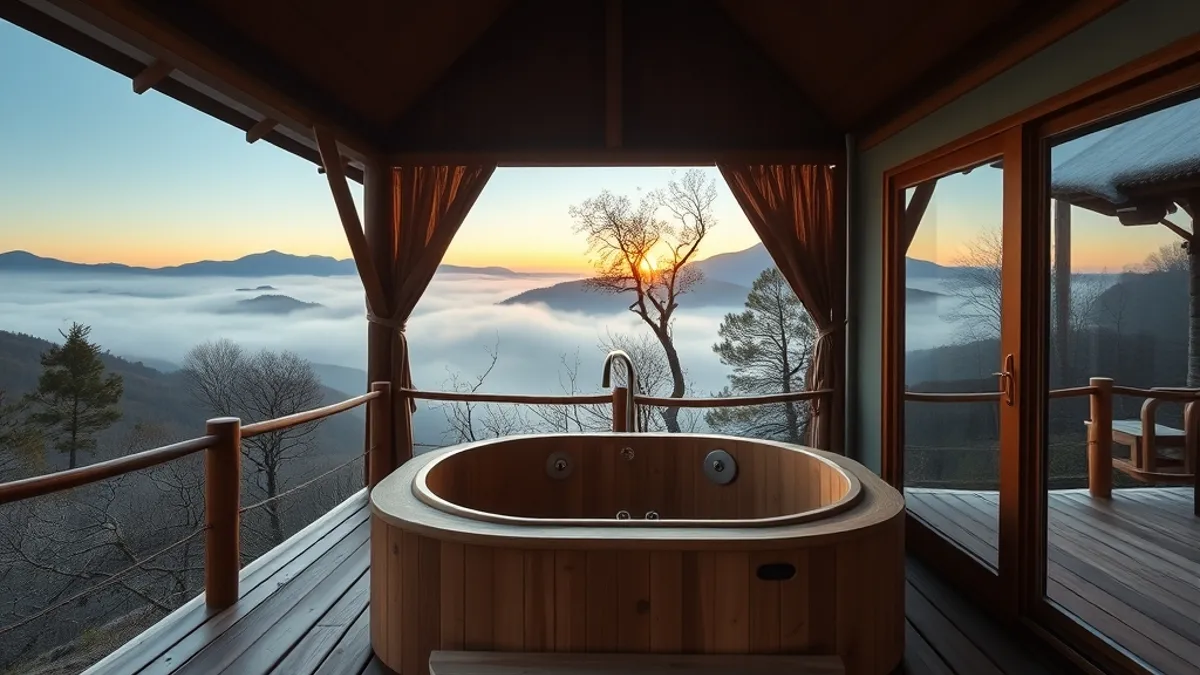
- Reserve a morning bath slot. If the property offers private open-air baths or timed onsen access, book the earliest slot you can. Misty sunrise hours are when nature stays feel most magical, and an early bath leaves time for a relaxed breakfast before checkout.
One night done this way often beats two nights spent rushing between stops. If the stay convinces you, extend it by adding a second slow morning—these properties earn their keep in the quiet hours, not the checklist. And if you’re pairing the stay with a city trip, remember that many sites sit 1.5–3 hours from Tokyo by car or train, so build realistic transfer time into both ends of the night rather than treating the journey as an afterthought.
Your Ryokan-Style Glamping Trip at a Glance
Ryokan-style glamping answers a simple wish: to enjoy the kaiseki dinners, tatami calm and hot-spring soak of a Japanese ryokan without giving up the feeling of sleeping outdoors. By blending tatami comfort, multi-course dining and a night under canvas in one stay, these properties let you have both.
Each region suits a different season and budget, from Fuji views in Yamanashi to onsen culture in Hakone, temple-region scenery around Kyoto, and summer or winter escapes in Hokkaido and Okinawa. Plan on roughly ¥30,000–¥80,000 per night for two, and book 3–6 months ahead if you are set on a peak foliage or cherry blossom weekend. If you have stayed at a ryokan-style tent site, share your experience in the comments below.