You’ve seen the photos: a canvas tent glowing at dusk beside an alpine lake, or a geodesic dome tucked into native bush. You know you want that trip. What you don’t know yet is where in New Zealand to pitch it, and which month gives you great weather without sharing the view with peak-season crowds. That’s the dilemma with glamping in New Zealand — the options are genuinely excellent, but they’re spread across two islands and very different climates.
This guide breaks the decision down for you. We’ll compare the country’s standout glamping regions — Northland and the Bay of Islands, Rotorua and the Central North Island, and Queenstown and Central Otago — so you can match the scenery to your style. Then we’ll walk through the best times to visit, how far ahead to book, what a fair nightly rate looks like, and the practical checks that separate a quality site from a disappointing one. By the end, you’ll know exactly which region and season fit your trip.
Why Glamping in New Zealand Works So Well
New Zealand packs an unusual amount of variety into a country you can drive across in a day or two. Alpine lakes, geothermal valleys, and sheltered coastal bays all sit within reach of each other, and the luxury camping scene has grown up alongside them. Glamping here isn’t a novelty — it’s a well-developed category with established operators, purpose-built sites, and a level of comfort that surprises first-time visitors.
What you can actually stay in
The range of accommodation goes well beyond a tent in a field. Safari tents and geodesic domes are the classics, but you’ll also find treehouses, eco-pods, and elevated cabins on stilts. The better sites come with en-suite bathrooms and heating as standard, so you’re camping in name only. Many include proper beds, quality linens, and outdoor decks positioned for the view.
That comfort matters more than you might expect. New Zealand weather can shift quickly, especially in alpine regions, and a heated, insulated dome turns a cold snap into a cozy evening rather than a miserable night.
Remote, but not unreachable
The best part is how wild these locations feel while remaining practical to reach. Most sites sit within one to three hours’ drive of a regional airport, so you can land, pick up a rental car, and be watching the sunset from your deck the same day. You get the seclusion of a wilderness setting without a punishing journey at the end of a long flight.
Northland and the Bay of Islands: Warmest Waters and Longest Summers
If your idea of glamping involves warm water rather than mountain peaks, Northland is the region for you. This is New Zealand’s warmest corner, with average summer highs of 24-26°C, and the season here starts earlier than in the south. While the South Island is still shaking off winter, Northland’s beaches are already swimmable — a genuine advantage if your travel dates fall in spring.
Beachfront living, literally
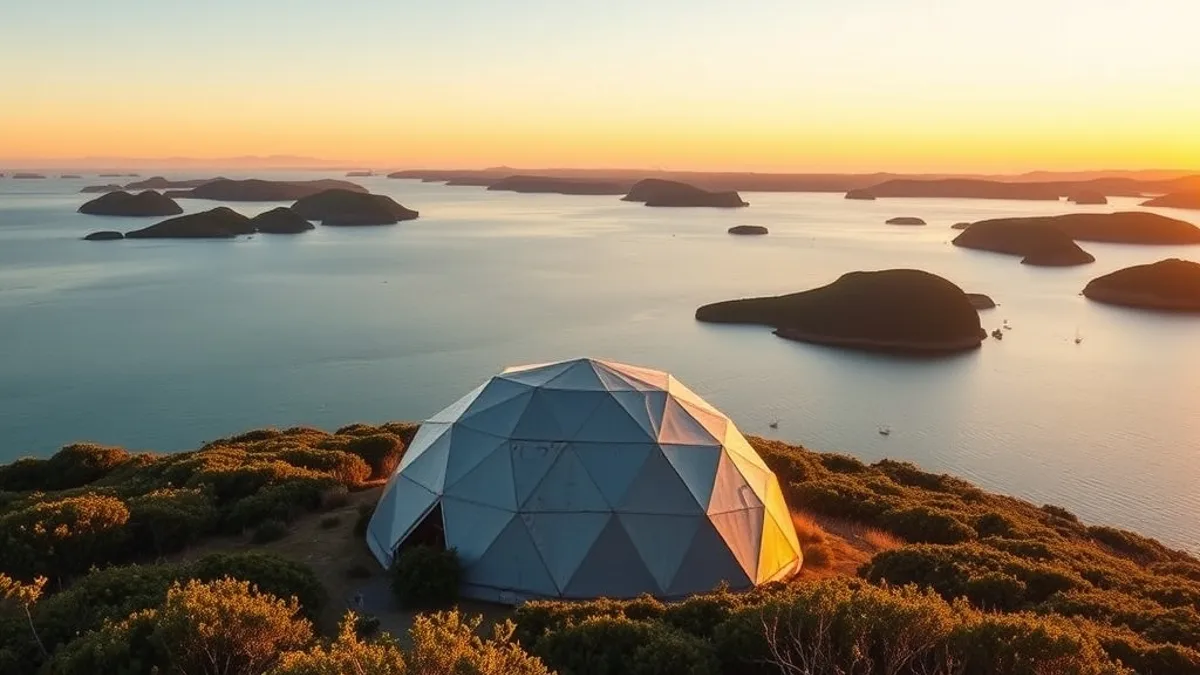
Coastal glamping in Northland and the Bay of Islands means beachfront tents and domes, often just steps from the sand. You can swim first thing in the morning, take a kayak out before breakfast, and watch for dolphins from your deck without planning anything in advance. The water activities aren’t excursions you book separately — they’re on your doorstep, which changes the whole rhythm of a stay.
The Bay of Islands itself is a maze of sheltered bays and small islands, calm enough for casual paddling even if you’re not an experienced kayaker. Water temperatures in summer make long swims comfortable, and operators in the area run dolphin-watching and boat trips if you’d rather let someone else do the navigating.
When to visit and who it suits
The sweet spot runs from October to April, giving you the longest reliable window of any region in the country. This is the place for travelers who prioritize water activities over mountain scenery — if hiking to glaciers is your dream, look south; if long beach days, warm evenings, and gentle coastal walks sound better, Northland delivers. Pack sunscreen and a good book, and let the water set your schedule.
Rotorua and Central North Island: Geothermal Glamping Year-Round
Rotorua is the strangest, most otherworldly glamping setting in New Zealand — in the best way. Steaming lakes, bubbling mud pools, and geothermal steam rising from the ground sit alongside thick native forest, and glamping sites here put you right in the middle of it. The region sits about 3 hours’ drive from Auckland, making it an easy first stop if you’re flying into the city and heading south.
The only region that truly works in winter
Here’s the practical advantage: heated domes and cedar cabins make Rotorua one of the few regions in New Zealand genuinely comfortable for winter stays. Nights in June through August drop to 5-14°C, which sounds chilly until you’re wrapped in a warm dome with a wood burner or electric heating doing its job. Waking up to steam drifting across a cold lake, from inside a heated bed, is a winter experience most glamping destinations simply can’t offer.
That makes Rotorua the natural pick if your travel dates are fixed to the off-season, or if you want a winter trip that still feels like an adventure rather than a compromise.
What to do from your base
The region rewards you for staying a few nights. Soak in natural hot pools — many within easy reach of the main glamping areas — walk forest trails among towering native trees, and set aside time for Maori cultural experiences, which are among the most authentic and well-established in the country. A glamping base here works less like a beach holiday and more like a warm, comfortable hub for everything the region offers. Bring a book, plan nothing too rigidly, and let the geothermal steam set the pace of your days.
Queenstown and Central Otago: Alpine Tents and Four-Season Drama
Queenstown and Central Otago are the South Island’s flagship glamping region, and it is easy to see why. Lakeside safari tents sit framed by the Southern Alps, so you can wake up to snow-dusted peaks reflected in the water without giving up a proper bed or a hot shower. The combination of raw alpine scenery and polished, well-equipped tents is what sets this region apart from anywhere else in the country.
Timing makes a real difference here. Autumn is the region’s showpiece, with foliage peaking around mid-April when the poplars and willows along the lakefront turn gold. Spring is equally rewarding for different reasons: fewer travelers, lambs in the surrounding farmland and snow still clinging to the higher peaks. Both shoulder seasons deliver the region’s most photogenic value, with quality tents and domes typically running NZ$180-400 per night.
Summer is busier and pricier, with stays of NZ$250-600 per night, but you get the full activity calendar on your doorstep. What you can realistically pack around a glamping base:
- Day hikes on well-marked trails near Queenstown, ranging from short lakeside walks to half-day climbs with panoramic views of the Remarkables range.
- Wine tours through Central Otago’s pinot noir country, where cellar doors sit within a short drive of most glamping sites and many offer tastings without a booking.
- Lake activities such as kayaking, paddleboarding and scenic cruises, all launchable from beaches and jetties close to the lakeside tent sites.
- Scenic drives through the Cardrona Valley and past historic gold-mining towns, ideal for days when the weather shifts and you want flexibility.
When to Go: Matching the Season to Your Glamping Style
New Zealand’s seasons shape your glamping trip more than most destinations, because the difference between regions is dramatic. December to February is the sweet spot for weather: daytime highs of 20-30°C and long, light evenings that stretch past nine o’clock. The trade-off is that this is peak season, so you will pay the highest rates and compete for the thinnest availability, especially at the most scenic sites.
The shoulder months of March-April and October-November are the smart traveler’s window. You still get milder conditions of 15-22°C, sites are noticeably quieter, and rates typically sit roughly 20-30% below peak pricing. For photographers and anyone who values space and calm over guaranteed beach weather, these months often deliver the better trip overall.
Winter changes the map entirely. June to August suits the regions that have invested in heated domes and insulated structures, while some coastal operators scale back. A quick guide to matching the season to your style:
- Geothermal regions like Rotorua come into their own in winter, when soaking in hot pools feels far better with 5-14°C nights outside your heated dome.
- Alpine areas around Queenstown also work in winter for travelers who want snow on the peaks from the warmth of an insulated tent or cabin.
- Coastal Northland sites largely wind down over winter, so book elsewhere if your dates fall between June and August.
- Shoulder-season travelers should pack layers, as 15-22°C days can drop quickly once the sun goes, and quality sites vary in how well their heating copes.
How to Book: Timing, Budgeting and Choosing a Quality Site
Glamping in New Zealand rewards early planning, especially if you have your heart set on a specific tent, dome or view. The best sites are small by nature, often with only a handful of units, so availability disappears faster than at conventional hotels — and the most photogenic spots in Queenstown or Northland are usually the first to go. A simple booking sequence will save you money and disappointment:
- Fix your dates and region first, since Northland, Rotorua and Queenstown suit different seasons and your timing determines which sites are even operating.
- For peak-season stays between December and February, reserve 4-6 months ahead; for shoulder-season trips, booking 2-3 months out is usually enough.
- Budget realistically before you fall in love with a listing: nightly rates vary widely between regions, seasons and levels of comfort, so set your figure early and filter your search accordingly rather than discovering too late that your dream dome sits well above it.
- Interrogate the listing before paying. Look for confirmed real heating, en-suite facilities and an all-weather platform, because wide-angle photos can hide thin-walled tents that turn cold and noisy overnight.
- Read recent guest reviews specifically for comments on insulation, noise and how the site handled rain, not just the scenery compliments.
One final habit worth adopting: once you have shortlisted two or three sites, message the hosts directly with your questions about heating and weather exposure. Their speed and detail in replying tells you a lot about how the stay itself will be run, and small operators can sometimes offer honest advice on which of their units handles wind and rain best. If a host is slow or vague before you have paid anything, treat that as a warning sign rather than a quirk — responsive communication matters far more once a storm rolls in and you need help with heating, bedding or a changed arrival time.
Planning Your New Zealand Glamping Trip
Choosing between New Zealand’s glamping regions comes down to what you want most from the landscape. Northland and the Bay of Islands suit travelers chasing warm-water summers, Rotorua works comfortably year-round thanks to its heated domes, and Queenstown delivers alpine drama in every season, from lakeside tents to snow-dusted peaks.
Timing matters just as much as location. If you’d rather skip the peak-season rush, the milder in-between periods of March-April and October-November balance pleasant weather, lower rates and easier availability, while summer trips demand booking 4-6 months out. Whichever region you pick, prioritize sites with real heating and en-suite facilities to guarantee comfort. If this guide helped you plan your trip, leave a comment or share it with a fellow traveler.