Glamping in Masuria sounds like a dream: a safari tent or glass dome right on the shore of one of Poland’s thousands of lakes. The catch is that the region’s seasons are short and sharply different, and what a lakeside unit actually delivers changes a lot between July, September and January. Book the wrong month and you might pay peak rates for chilly swims, or arrive in winter to a tent that was never built for snow.
This guide walks you through how Masuria works for glamping, what summer’s peak season really brings, why the shoulder months of May, June and September offer better value, and what to expect from cold-season domes and cabins. We’ll also help you choose between Mikołajki, Giżycko and quieter shorelines, plan the drive from Warsaw, and wrap it all up so you can match your season to your stay type.
Why Masuria Works for Glamping in Poland’s Lake District
Masuria is one of those rare regions where the landscape itself does most of the glamping work. With over 2,000 lakes scattered across northeastern Poland, the region is a natural fit for waterside tents, domes and cabins. Many sites sit directly on a shoreline, so waking up to water is the default rather than an upgrade you pay extra for.
Where the glamping sites cluster
The Great Masurian Lakes around Mikołajki and Giżycko concentrate most of the region’s high-end glamping. These two towns anchor the lake district, and the lakes around them are connected by canals, which means glamping sites here often come with marina access, boat rentals and easy day trips by water. If you want the full lakeside experience with infrastructure nearby, this is where you’ll find it.
What you can actually stay in
The stay types range widely, so glamping in Masuria doesn’t mean one style of accommodation. Safari tents are the classic entry point, offering real beds and covered decks without permanent walls. Geodesic domes have become the signature Masurian option, with panoramic windows framing the water and forest. At the top end, insulated cabins with lake views behave more like small apartments, which matters if you’re traveling outside summer.
The practical takeaway is simple: decide first whether you want a true canvas experience or a heated, solid-walled unit, then match that to the season you plan to visit. A dome in July and a dome in February are two very different trips.
Summer: Peak Season for Glamping in Masuria
Summer is when Masuria is at its most alive. Late June to late August brings genuine swimming weather, with lake water reaching roughly 19-23°C. That’s warm enough for long swims off your private deck, and it’s also when the sailing season hits full stride, with regattas and charter boats filling the marinas around Mikołajki and Giżycko.
What peak season costs
Expect the highest rates of the year during these months. Lakeside units typically run roughly 600-900 PLN per night for two people, and premium domes can climb above that. The sailing towns are at their busiest too, so restaurants and waterfront promenades buzz with crowds. If you enjoy atmosphere and don’t mind sharing the lake with other boats, this is the season that delivers it.
How far ahead to book
The waterfront spots disappear early. For lakeside decks and domes with private lake access, book 3-6 months ahead. That’s especially true for units with direct water frontage, since there are far fewer of those than standard tents set back from the shore.
A few practical tips for peak season. First, prioritize orientation: a west-facing deck gives you evening sun over the water, which matters when you’re paying top rates. Second, check whether your unit includes kayaks or paddleboards, because renting them separately in July adds up quickly. Third, if you’re traveling with children, confirm swimming access from the site itself rather than a shared beach a short drive away. Summer in Masuria rewards planning, and the travelers who book early get the decks that face the sunset.
Shoulder Months: May, June and September
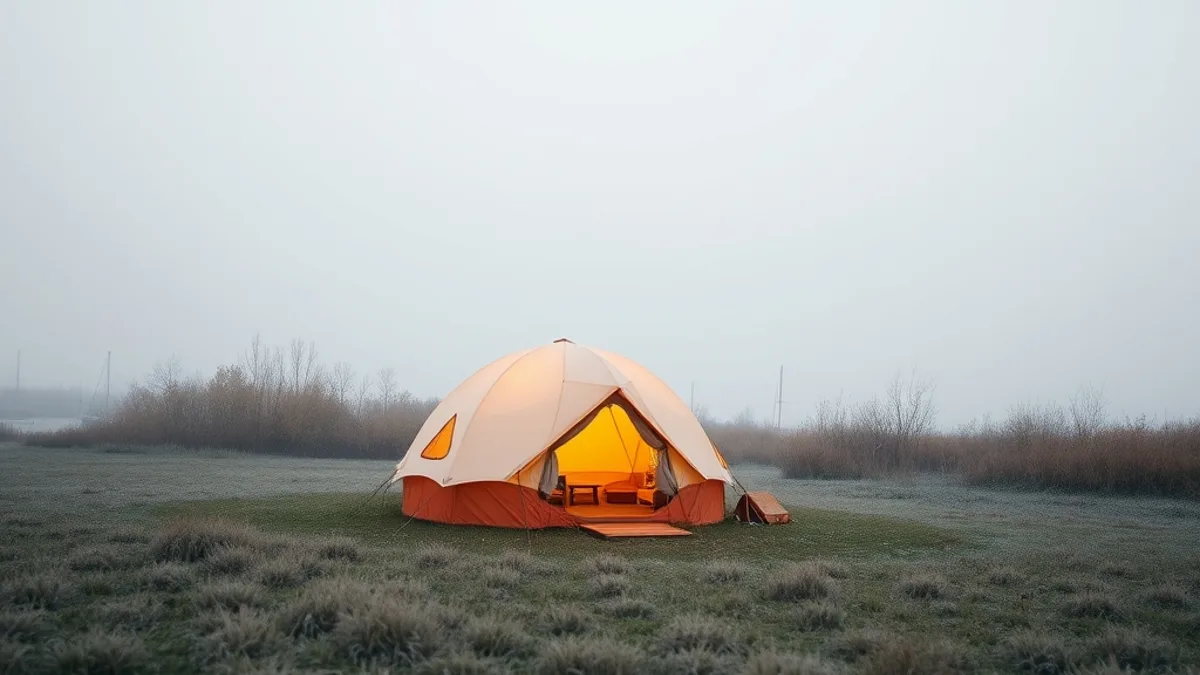
For travelers with flexible dates, Masuria’s quieter season between the summer rush delivers a different kind of lake break. Daytime highs sit around 15-22°C, which is comfortable for kayaking, cycling and evenings around a campfire, without the peak-season crowds filling every marina and lakeside deck. You trade warm swimming water for space and calm on the trails and shorelines, and for many people that trade is exactly the point.
Rates drop noticeably too, with many sites charging toward 300-600 PLN per night for two people. Lead times relax as well: 4-8 weeks of advance booking is usually enough to secure a good lakeside unit, compared to the months of planning that summer demands. That flexibility makes it easier to book a spontaneous long weekend rather than a carefully scheduled annual trip.
September deserves a special mention. The summer boat traffic thins out, and the water settles, offering the clearest visibility of the year and noticeably quieter sailing routes on the Great Lakes. If your priority is paddling or sailing rather than swimming, September is arguably the best month to be on the water.
- Longer evenings in June: the northern latitude means daylight stretches late, so you can fit a post-dinner kayak session even after a full day of cycling.
- May’s bird migration: spring brings migrating birds along the lake shores and wetlands, making it a rewarding month for early-morning walks with binoculars.
- Warm-weather gear still matters: evenings in May and September can drop toward single digits, so pack layers and check whether your tent or dome includes heating or extra blankets.
- Weekday advantages: midweek stays often come with even quieter shorelines and more flexible check-in options than weekends.
Winter Glamping: Cold-Season Domes and Cabins
Winter is when Masuria shows its quietest face. Between December and February, temperatures often sit between -5°C and 2°C, and most tent-based sites simply close for the season. The ones that stay open are built for it: insulated geodesic domes and heated cabins with proper winter ratings. A thin summer tent, no matter how photogenic, will not keep you comfortable at these temperatures.
What you trade in warmth you gain in atmosphere. Frozen lakes replace swimming, and snow-dusted forests turn a morning walk into something closer to a postcard. Many cold-season sites lean into sauna culture, with a wood-fired sauna steps from the lake and the classic ritual of a roll in the snow between sessions. Long nights also make stargazing a genuine highlight, since light pollution out here is minimal.
Before you book a winter dome
Availability is limited in the cold months, so plan further ahead than you might expect for a niche season. More importantly, ask specific questions before reserving. Confirm that the unit has a wood stove or reliable central heating, real insulation rather than a single canvas layer, and winterized plumbing. A host who can answer those details confidently is usually one who runs winter stays regularly.
Choosing Your Base: Mikołajki, Giżycko or Quiet Shorelines
Masuria is big, and where you base yourself shapes the whole trip. Most of the region’s high-end glamping clusters around the two best-known lake towns, but the character of each option is very different, and picking the wrong one can change the feel of your entire stay.
Mikołajki is the easy choice for first-timers. Marinas, restaurants and boat trip departures sit within walking distance of many sites, so you can park the car once and let the town do the entertaining. Evening options are strong here, from lakeside dinner terraces to sunset sailing cruises that leave straight from the marina. If you want a mix of nature and nightlife, this is your base.
Giżycko suits active travelers better. The town sits on a canal system linking several lakes, so you can cycle or boat between spots without ever loading the car. Cycling routes radiate out from the center, making it a natural hub for days spent on the move rather than on a deck chair.
If your priority is silence, look south and east instead. Remote shorelines there deliver the deepest quiet in the region, but they come with a trade-off.
- Mikołajki: convenient, lively, and ideal for travelers who want restaurants and cruises within a short walk of their tent or dome.
- Giżycko: the best pick for kayakers, cyclists and sailors who plan to be active every day.
- Quiet southern and eastern shorelines: expect small sites with just a handful of units, and accept that restaurants and shops will be a drive away rather than a stroll.
Whichever base you choose, check the drive time from Warsaw before booking. The trip to Mikołajki typically runs about 230-260 km, or roughly 3.5-4.5 hours by car, and a car remains essential for most sites outside the main lake towns.
Getting There and Planning the Trip
Warsaw is the practical gateway for a Masuria trip. From the capital, count on roughly 230-260 km and a 3.5-4.5 hour drive to Mikołajki, depending on your route and traffic. Most travelers rent a car at the airport and drive up in one go, breaking the journey with a stop along the way.
That car is not optional for most itineraries. Glamping sites outside the main lake towns often sit down long forest tracks or on small country roads with no meaningful public transport, and even grocery runs become complicated without wheels. If you are staying in central Mikołajki or Giżycko you can manage on foot and by boat, but for anything remote, driving is essential.
Planning days on the water
Build your trip around the lakes themselves. The Great Masurian Lakes are connected by canals, which makes multi-day paddling and boating genuinely practical rather than a logistical puzzle. From a lakeside base, plan day trips by kayak or a rented boat, moving between connected lakes and stopping at waterfront villages for lunch. Check rental options and boat conditions with your operator or host before you arrive, as offerings vary by site and season.
Your Masuria Glamping Season, Wrapped Up
Masuria’s seasons really do decide what your glamping trip delivers. Summer, from late June to late August, brings swimming weather and lively lake towns. The shoulder months of May, June and September trade the buzz for lower rates and calmer waters, while winter delivers snow-dusted silence best enjoyed from an insulated dome or heated cabin. Match your stay type to the season, then book with the right lead time—months ahead for peak-season waterfronts, a few weeks out for shoulder months—to lock in that lakeside spot.
Where you base yourself shapes the trip just as much. Mikołajki and Giżycko anchor the region with marinas, dining and easy access to the connected Great Masurian Lakes, while the quieter southern and eastern shorelines reward travelers who want solitude and don’t mind driving. Whichever combination you choose, the payoff is the same: over 2,000 lakes and a stay that fits the season. Have a favorite Masurian season or a question about your trip? Leave a comment or share this article.