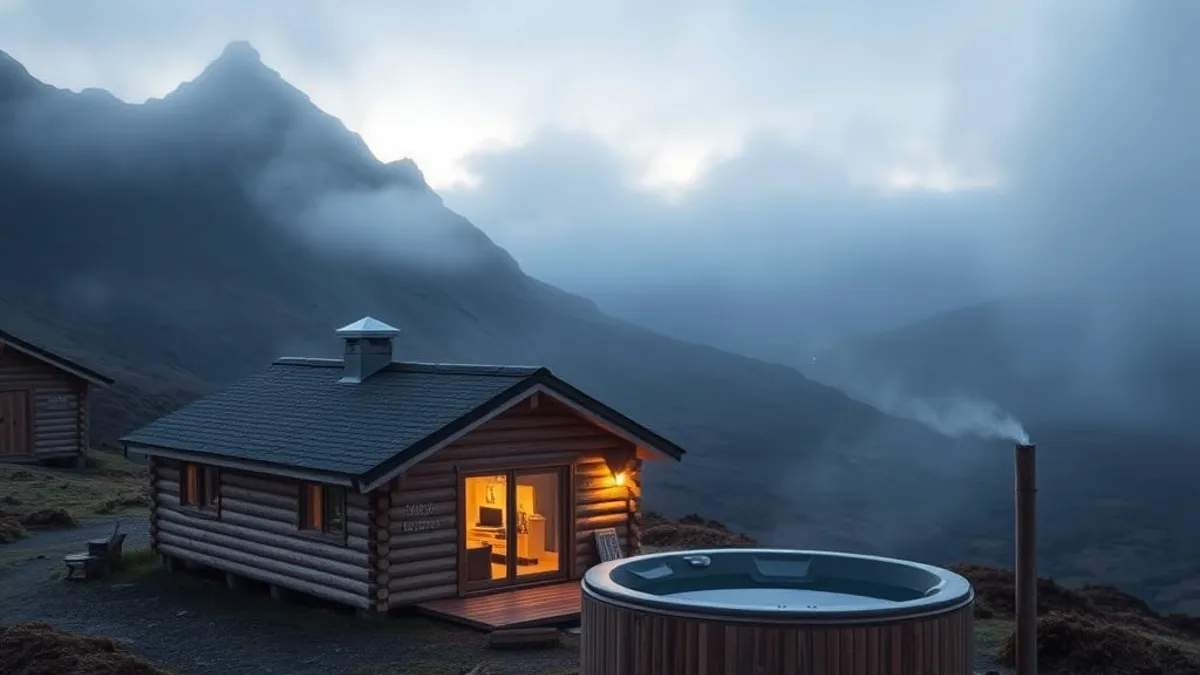
Glamping in the Scottish Hebrides is one of those trips that lives in your head long before you book it: a wood-fired hot tub under a wide island sky, seals offshore, no traffic noise. Then reality kicks in. Which island do you actually pick, and how do you line up ferries and accommodation around a season that barely stretches beyond summer?
That’s where most plans stall. The islands each feel completely different, crossings sell out months ahead, and the best pods and cabins are gone before June arrives. This guide walks through the whole decision in order: comparing Skye, Mull, Islay and the Uists, planning CalMac ferry routes and booking windows, choosing the right months to dodge midges and prices, spotting genuinely good glamping sites, and packing for weather that changes hourly. Follow the timeline and the islands stop feeling logistically impossible and start feeling like exactly the escape you pictured.
Why Glamping in the Scottish Hebrides Rewards Careful Planning
The first thing to understand about glamping in the Scottish Hebrides is that the season is short. Most sites operate from May to September only, which means your dates drive everything else: which units are available, what the ferries cost, and whether you’ll be sharing a hot tub view with thirty other people or have the field to yourself. If you have fixed holiday weeks, work backwards from them immediately.
Weather is the second factor, and it’s a different beast out here than on the mainland. Conditions can swing from sunshine to driving rain and gusting wind within a single afternoon. That makes the quality of the structure matter far more than it would in, say, the Cotswolds. A flimsy tent-style unit turns a stormy night into an endurance test, while a solid cabin with proper walls turns it into cozy entertainment.
Look for covered outdoor space
The best Hebridean sites solve this with covered decking, sheltered verandas or substantial buildings, so you can sit outside with a coffee even when the drizzle rolls in. Treat covered outdoor space as a filter, not a bonus.
Book ferries and stays as one plan
Finally, island logistics tie everything together. You can’t book a glamping unit first and sort the ferry later, because the crossing times determine when you can realistically arrive and how much of your stay you actually get. Ferry timing and accommodation have to be planned as a single timeline from day one, or you risk losing a night’s booking to a missed sailing.
Choosing Your Island: Skye, Mull, Islay and the Uists Compared
Every Hebridean island offers glamping, but the experience differs enormously depending on which one you choose. Your decision really comes down to how you balance scenery, crowds and travel time.
Skye is the headline act: the Old Man of Storr, the Fairy Pools, dramatic ridgelines everywhere you look. It also has the widest choice of glamping units of any island, from luxury pods to safari tents. The trade-off is popularity. Roads like the one to Portree and the sites around the main sights are the busiest in the Hebrides, so expect company.
Mull hits a sweet spot for many travelers. The crossing from Oban takes about 45 minutes, making arrival day far less stressful, and the island balances wildlife watching, sandy beaches and easy mainland access. Tobermory’s colorful waterfront makes a pleasant base for exploring.
Islay and the Uists sit further out and feel wilder. The machair here, that flower-covered coastal grassland unique to the northwest, is quieter and less visited than anything on Skye. You’ll reach them via longer ferry routes from Oban or from Uig on Skye, which means more planning but far more solitude.
- Skye: check whether your chosen site sits near the main tourist corridor or on the quieter north peninsula, as drive times to the famous sights can vary by over an hour.
- Mull: consider a wildlife boat trip from the island to spot white-tailed eagles, one of the most reliable places in Britain to see them.
- Islay: if you enjoy whisky, the island’s distilleries make an easy wet-weather plan when the machair walks are washed out.
- The Uists: the chain of islands is linked by causeways, so you can base in one place and drive several islands without extra ferry crossings.
The rule of thumb is simple: the further north or west you go, the fewer glamping options you’ll find and the earlier you must book.
Ferry Planning: Routes, Timing and Booking Windows
Ferry planning is the backbone of any Hebridean trip, and CalMac, the operator running most routes, opens summer bookings that fill fast. Getting this right protects your whole itinerary, so treat it as a series of deliberate steps rather than a last-minute scramble. The good news is that ferry booking is one of the few parts of an island trip you can control completely, and a little preparation here pays off for the rest of your stay.
- Book your crossing 2-3 months ahead for summer travel. This matters most if you’re taking a vehicle, since car decks on popular routes fill well before foot passenger space does. Set a calendar reminder for the day bookings open, and book earlier still if you’re heading to Skye-adjacent routes with a car, where demand runs highest.
- Learn the key routes and their durations. Oban to Mull takes about 45 minutes, making it the easiest mainland gateway for a first trip. Uig on Skye to Lochmaddy on North Uist runs about 1 hour 45 minutes, and the Oban-Colonsay-Isla chains connect the southern islands on longer, less frequent sailings. Match the route to your island choice before you book accommodation.
- Build buffer time into your last day. Return ferries can be cancelled in high winds, and Hebridean weather provides plenty of it. Pad your final day so a cancelled sailing doesn’t cost you a missed flight or a ruined connection. Locals will tell you the same thing: never book a tight onward journey on ferry day.
- Consider open-deck tickets and flexible fares. They cost more than standard fares, but if your itinerary is tight, the ability to switch sailings can be the difference between a smooth trip and a scramble at the terminal.
One extra habit worth adopting: check your sailing status the evening before travel, not just on the morning itself. CalMac publishes service updates, and knowing about weather disruption early lets you rebook calmly instead of standing in a terminal queue with a car full of luggage. It also gives you time to warn your glamping host if your arrival will shift by a few hours. A little ferry discipline buys you a lot of island relaxation.
When to Go: Seasons, Midges and Midweek Savings
Timing shapes almost everything about a Hebridean glamping trip. The islands sit in a narrow weather window, and the difference between a calm, dry week and a soaked one often comes down to the month you pick rather than luck alone.
May and September are the sweet spot for many travelers. These months typically bring drier, calmer conditions, and the midges that make midsummer miserable are far less of a problem. You also get the islands at their quietest, with more space at viewpoints, distilleries and beaches.
June to August is peak season for good reason: the warmest temperatures, the longest days and the liveliest atmosphere. The trade-offs are the highest nightly rates, the busiest roads and sites, and the worst of the midge season, which peaks in July and August.
One easy way to soften the peak-season cost is to shift your stay to the middle of the week. Midweek nights typically run 15-25% cheaper than weekend rates in high season, and sites are noticeably quieter from Monday to Thursday.
- Midge behavior is weather-dependent: they thrive in still, humid conditions and disappear in wind, so a breezy coastal site can make a July stay far more comfortable than a sheltered inland one.
- Head nets are cheap insurance: a lightweight mesh net worn over a hat lets you eat outdoors and enjoy evenings without constant swatting during the peak midge weeks.
- Long daylight changes your plans: in June and July it stays light until very late, so you can fit in evening beach walks or drives after dinner, something impossible in the shorter days of May and September.
- September brings its own rewards: the sea is at its warmest after the summer, and you may catch the start of the rutting season, when red deer stags roar across the hills.
How to Spot the Best Hebridean Glamping Sites
Not all glamping sites are built for Hebridean weather, and the difference shows the first time a squall rolls in off the Atlantic. The best units combine comfort with genuine weather resistance, so it pays to know what to look for before you book.
Comfort features that matter most
Prioritize units with proper insulation, real heating and covered decking. A wood-fired hot tub is a genuine luxury when the wind picks up, but covered outdoor space matters even more, since it lets you sit outside with a drink or dry your boots without retreating indoors. Solid structures such as insulated pods and cabins generally cope better with island weather than lightweight canvas tents.
Location, price and what is actually included
Try to choose a site within 20-30 minutes of a ferry terminal. That small detail protects your arrival day if a crossing is delayed and makes departure mornings far less stressful. On price, expect £120-£300 per night for a quality unit in high season, and check exactly what is included. Bedding, towels, firewood and kindling vary from site to site, and a bargain rate can look less attractive once you add extras.
Finally, read recent reviews with a critical eye. Look for comments on wind exposure, water pressure and how honestly the owner describes remoteness. A site that several reviewers call “very exposed” in March will feel very different in a July gale, so recent guest feedback is your best guide to what you are really signing up for.
Booking Timeline and Packing for Island Weather
Hebridean glamping rewards early planning, because the best units and the most convenient ferry slots both disappear long before summer arrives. The simplest approach is to treat accommodation and crossings as one timeline rather than two separate bookings. Choose your island and dates first, reserve your unit, and only then pick the sailings that genuinely fit your check-in and check-out times. Working in that order means you are never forced to build your trip around whatever sailings are left.
For July and August dates, reserve your glamping unit 4-6 months ahead. Once your accommodation is confirmed, you can book CalMac ferries with confidence, knowing exactly which crossing times work around your arrival and departure. If your dates are flexible, moving them by a day or two can make both the booking process and the crossing itself far easier.
Packing for the islands is a different exercise from packing for the mainland. Island weather can change hourly, so layers, waterproofs and wellies belong in your bag even in midsummer. A sunny morning on Mull can turn into a showery afternoon, and sites with grass tracks can become muddy after rain. Soft ground also affects wheeled suitcases, so a bag with sturdy straps is often easier than a trolley case.
- Midge protection for July and August: pack repellent and a head net as standard for peak-season trips, and consider a small battery fan for still evenings inside meshed sleeping areas.
- A torch or headlamp: the Hebrides have genuinely dark skies, which is wonderful for stargazing but means you will want reliable light for walking from your unit to the shower block or car.
- Offline maps before you travel: mobile signal is patchy across Skye, Mull and the Uists, so download map areas for your island while you still have home wifi, and screenshot your site’s directions as a backup.
- Quick-dry clothing over cotton: nothing dries fast in island humidity, so synthetic or wool layers, a spare pair of socks and a small towel make wet days far more bearable.
Your Hebridean Escape, Wrapped Up
The trick to a great Hebridean glamping trip is choosing your island first, then treating ferries and accommodation as one booking timeline rather than two separate jobs. Lock in your glamping unit early for summer dates, reserve the matching CalMac crossing a couple of months out, and pad your final day in case the weather cancels your return sailing. When those pieces line up, the islands open up beautifully.
Timing does the rest. May and September bring calmer, drier conditions and fewer midges, while midweek dates in peak season typically shave 15-25% off the price. Pack layers, waterproofs and a head net, build some slack into your itinerary, and a wild squall becomes part of the story rather than a disaster. Do that, and the islands will reward you with dark skies, machair beaches and hot tubs under the wind. If this helped you plan your own escape, leave a comment or share the article with a fellow traveler.