Booking a glamping trip should be exciting, but one question trips up almost everyone: what exactly happens with glamping sites food? Some sites include breakfast, others offer nothing but a fire pit, and a few surprise you with a chef on request. If you have dietary needs, the uncertainty grows. This guide removes the guesswork so you know what to expect before you book, not after you arrive hungry.
We will walk through what sites typically provide, from the roughly half of upscale properties that include breakfast to full-board setups at remote safari-style camps. You will learn what kitchen setups you will actually find (spoiler: usually a two-burner stove and a cool box, no oven), how pre-ordered dinner hampers and BBQ packs work, and how to handle vegan, gluten-free or halal requests. We also cover self-catering logistics, matching food arrangements to your trip style, and practical tips for eating well under canvas.
What Food Glamping Sites Typically Provide
Breakfast is the meal you are most likely to see included in your rate. Roughly half of upscale glamping sites offer it, usually as a continental basket dropped at your tent or a cooked service in a shared dining lodge, typically served between 8 and 10 am. The basket version might hold bread, pastries, eggs, jam and juice; the cooked version is more like a small hotel breakfast.
At the other end of the scale, full-board dining is standard at remote safari-style and desert camps. When the nearest restaurant is hours away, there is simply no alternative, so lunch and dinner are built into the stay along with breakfast. Meals at these camps are often a shared, fixed-time affair, which suits the rhythm of safari schedules.
When meals are not included
Many European and North American sites skip meals entirely and expect guests to self-cater. This is not a downgrade, just a different model, and it often keeps the nightly rate lower. The trap is assuming food is handled because the photos showed a well-stocked kitchen.
The key question to ask before booking: does “breakfast included” mean provisions delivered to your unit, or a seat at a set time in a shared dining lodge? If you want to sleep in or eat in your robe with a view, the difference matters a lot. A quick message to the site will settle it.
Kitchen Setups You Will Actually Find
Most glamping kitchens are humbler than the listing photos suggest. The typical setup is a two-burner stove, a cool box or mini fridge, a sink and a set of basic cookware. An oven is rare, which immediately rules out roasts and baked dishes, so plan your menus around what a stovetop can do.
Accommodation type makes a big difference. Luxury domes and solid cabins may include a compact full kitchen with decent counter space and a proper fridge, while canvas tents usually have no cooking facilities at all and rely on a communal cookhouse shared with other guests.
That shared kitchen is not always free, either. Where it is offered as an add-on, communal kitchen access typically adds 10-20% to the nightly rate compared with a tent-only booking. If your plan is to eat out every evening anyway, skip it and save the money.
Before you pack, confirm exactly what is supplied. Some sites list cookware and utensils as bring-your-own, and a few omit even dish soap, which is an annoying discovery at 9 pm with a sink full of pans.
- Check the fridge size, not just its existence. A mini fridge holds a couple of days of milk and butter; a full-size fridge in a cabin changes your whole shopping plan.
- Ask about water access. Some canvas units have a water jug rather than plumbed running water, which affects washing up and coffee making.
- Confirm lighting and power at the cooking area. A stove on a covered deck is pleasant in daylight but frustrating to cook by after dark without a decent lamp or outlet.
- Find out if a kettle or coffee maker is included. Many sites supply one, but a surprising number expect you to bring your own, which matters if morning coffee is non-negotiable.
Ordering Meals Ahead: Hampers, BBQ Packs and Chefs
If cooking is not your idea of a holiday, most sites offer a middle path: pre-ordered food. Dinner hampers and BBQ packs are the most common format, usually costing 25-45 USD per person, and they generally need 24-48 hours notice. A hamper might include marinated meat or a stew, sides, bread and a dessert, ready for you to heat or grill at your unit.
When a hamper earns its money
Hampers shine on arrival nights. If you reach camp after a long drive, the nearest restaurant may already have closed, and the last thing you want is to unpack a kitchen in the dark. A pre-ordered pack waiting for you turns a tricky evening into a highlight.
Chefs and feast nights
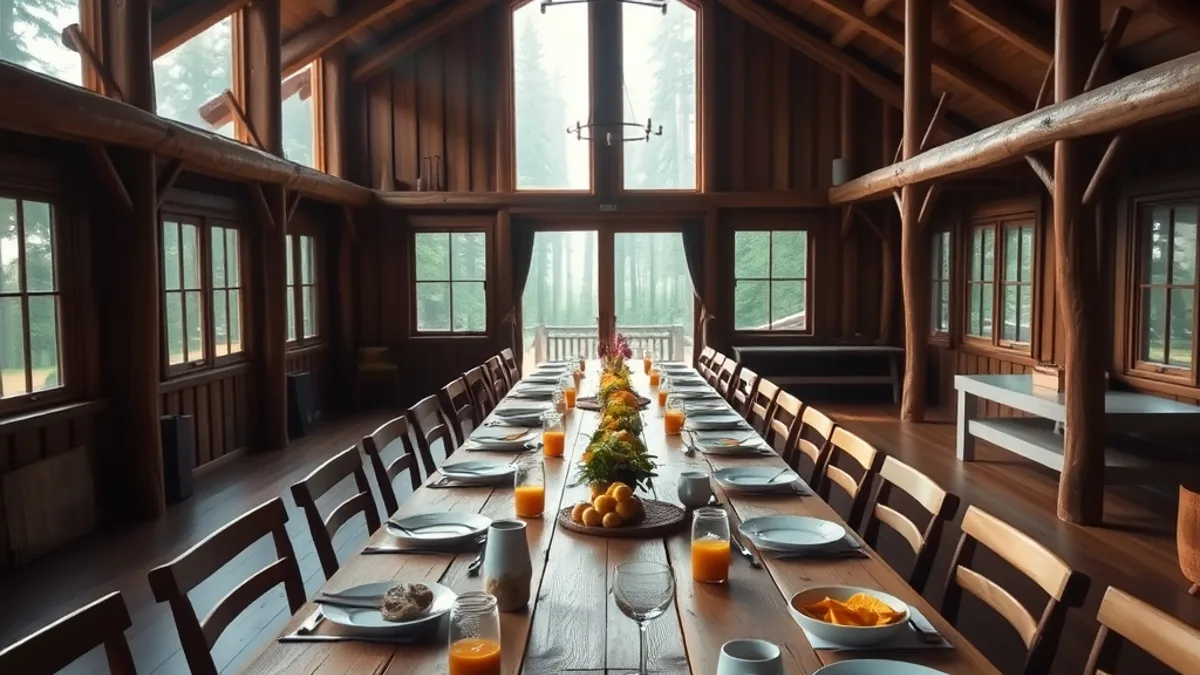
Some sites go further and arrange private chefs or fire-cooked feast nights, where a cook prepares a multi-course meal over an open flame for a group or the whole camp. These are popular and capacity is limited, so in peak season you should reserve a spot 2-4 weeks ahead rather than hoping to sign up on arrival.
One detail worth clarifying when you order: is the meal delivered to your tent, or served at a fixed time in a shared dining lodge? The difference affects your evening plans, especially if you have young children or want to eat at sunset with a view. Ask when you book so there are no surprises on the night.
Dietary Requirements and Special Options
The good news is that most glamping sites have caught up with special diets. Vegan, gluten-free and halal requests are widely accommodated, but only when you flag them at least 72 hours before arrival. Book on Friday for a Sunday check-in and the kitchen may simply not have what you need in stock.
Included breakfasts are the hardest meal to adapt. A standard continental basket might be built around pastries, yogurt and cured meat, and a plate of fruit is not a substitute for a proper gluten-free or vegan breakfast. Confirm the actual alternative before you travel rather than assuming the site will improvise something.
For severe allergies, skip the booking form entirely and call the site directly. A note in an online form can sit unread until the day you arrive, and you need a conversation about how the kitchen handles cross-contamination, not just whether an ingredient can be left out.
If you are self-catering with a strict diet, bring your staples with you. Rural shops near glamping areas usually carry a limited specialty range, so the gluten-free pasta or oat milk you rely on may not be on the shelf.
- Ask whether the site separates cooking surfaces and boards for allergen-free meals, since a shared grill can undo an otherwise safe menu.
- Request ingredient lists for hampers and BBQ packs in writing, as sauces and marinades often hide gluten or dairy.
- If traveling with children on restricted diets, pack familiar snacks so a delayed meal delivery does not become a meltdown.
- For halal travelers, confirm whether meat is certified or whether the kitchen will simply cook a vegetarian option instead.
Self-Catering Logistics and Shopping
Most glamping sites sit 20-60 minutes from the nearest full supermarket, which makes shopping a logistics task rather than an afterthought. Shop on arrival day while you are still driving past towns, not late at night when the only option left is a petrol station with wilted lettuce.
Fridge space is usually tiny, often a cool box or a mini fridge barely bigger than a shoebox. Plan your meals around one cooler restock every 2-3 days in warm months, and buy perishables in small quantities rather than doing one big weekly shop that will spoil.
Pack a Pantry Kit
Sites supply pans but rarely pantry basics. Pack a small kit of oil, salt, coffee and foil, and you will skip the classic first-night frustration of buying a whole bottle of olive oil for one meal. A few zip bags of spices weigh nothing and lift every camp dinner.
Cook to Your Equipment
Choose one-pot recipes, since two burners and no oven limit what you can realistically cook. A chili, a curry or a pasta with sausage and greens will beat an ambitious roast every time. Pre-chop vegetables at home for your arrival-night meal, because by the time you have settled in, you will want dinner on the stove in ten minutes, not forty.
Matching Food Arrangements to Your Trip Style
The best food arrangement is the one that matches how you actually travel. A remote wilderness stay suits a full-board camp, since off-site dining is rarely realistic when the nearest restaurant is an hour down a dirt track. Eating whatever the camp kitchen serves is part of the experience, and usually a good one.
Coastal and village-adjacent sites work best self-catered. You have markets and bakeries nearby, and local restaurants can fill the gaps on the nights you do not feel like cooking. A stay in a warm, food-rich region such as the Algarve is a perfect example: why eat camp food when grilled fish and good wine are a short drive away?
Family groups should think hard about fixed dinner times, which rarely survive contact with tired children. Communal kitchens and pre-ordered hampers give you flexibility to eat early, late or in shifts.
Couples seeking a hotel-like pace should filter for sites with included breakfast and chef nights, so the rhythm of the trip feels pampered rather than logistical.
- Ask family-oriented sites whether the communal kitchen has two cooking stations, since one stove for several families creates bottlenecks at dinner.
- Check if hampers can be split into child-friendly and adult portions rather than arriving as one shared pack.
- For romantic stays, ask whether chef nights are held at your own tent or in a shared lodge, which changes the mood considerably.
- If you plan day trips from a coastal site, request a later breakfast or grab-and-go options instead of a fixed morning slot.
Eating Well Under Canvas
The guesswork is gone: whether meals are included, whether there’s a real kitchen, and how your diet will be handled all come down to asking a few pointed questions before you book. Roughly half of upscale sites include breakfast, remote safari-style camps often go full-board, and plenty of others expect you to self-cater. The kitchens themselves are usually modest, with a two-burner stove, a cool box and basic cookware rather than an oven, so plan your menus accordingly.
The rest is timing. Hampers and BBQ packs cost 25-45 USD per person with 24-48 hours notice, dietary requests work smoothly when flagged at least 72 hours ahead, and peak-season meal slots are worth reserving 2-4 weeks in advance. Match the site’s food model to your trip style, whether that’s full-board in the wilderness or self-catering near a village, and a good stay becomes a great one. If this guide helped you plan your trip, leave a comment or share it with a fellow traveler.