You want a Slovak escape with forest trails, mountain views and a proper bed at night — but glamping in Slovakia can be confusing once you start looking. Which foothill areas actually deliver comfort? Which months are warm enough for a dome, and which sites close in October? The Tatras are big, and picking the wrong zone or season can mean cold nights, closed sites or a long drive to anything worth doing.
This guide breaks it down by area and by season. We compare the three main foothill zones — Liptov, the Belianske Tatras edge and the quieter southern slopes toward the Low Tatras — and explain what each does best. You’ll find a month-by-month booking guide, a rundown of stay types from geodesic domes to timber lodges with typical price ranges, practical tips on choosing and reserving a site, and advice on access from Bratislava plus the best day trips. By the end, you’ll know exactly where to base yourself and when to book.
Why the Tatra Foothills Suit Glamping in Slovakia
The Tatra foothills work so well for glamping because of one simple fact: elevation. Most sites sit between 600 and 900 meters, well below the main Tatra ridge. That means you wake up to mountain views from your tent or dome, but you avoid the wind, sudden weather shifts and thin air that make high-altitude camping genuinely uncomfortable. Domes and safari tents stay pleasant here, and you can sleep with a window open in summer instead of shivering in a down bag.
The lower elevation also stretches the season. While sites near the High Tatras’ alpine core really only work reliably in the warmest months, foothill glamping runs roughly May to September, with shoulder months either side offering decent conditions if you pack sensibly. That’s a noticeably longer window than you get higher up.
More than just hiking
The Liptov region, which anchors most of the foothill glamping scene, stacks activities in a way few mountain areas can. Meadows and gentle valley trails sit right outside your tent, but so do natural hot springs and lakes like Liptovská Mara. On a rest day you can soak in warm water in the morning and swim in the afternoon — no car marathon required. This mix of soft adventure and wellness is exactly what makes foothill glamping appeal to couples and families who don’t want every day to be a summit push.
Best Areas: Liptov, Podhale Edge and Belianske Foothills
Liptov is the obvious starting point for most travelers. Around Liptovský Mikuláš and the Tatralandia area, you’ll find the widest selection of domes and lodges in the country, and the location is genuinely convenient — most sites here sit about 20-30 minutes from major trailheads. You trade a little wildness for choice, infrastructure and easy access to hot springs and lakes, which suits first-time glampers and families well.
Head east toward Ždiar at the foot of the Belianske Tatras and the character changes completely. Villages here are quieter, traditional wooden architecture survives in the streets, and the whole area has a rustic, slower feel. Glamping sites are fewer, so book earlier, but the payoff is a more authentic mountain-village atmosphere and some of the region’s best photography.
The third option is the southern foothills sloping down toward the Low Tatras. These suit travelers who want forest seclusion above all else — dense woods, fewer neighbors and prices typically lower than the main Liptov corridor. You’ll drive more for activities, but for a quiet couple’s retreat it’s hard to beat.
- Ždiar’s wooden villages: the local folk architecture, with dark timber houses and carved gables, is distinctive enough to justify a slow morning walk before you even hit the trails.
- Belianske Tatras character: this range is limestone rather than granite, giving it sharper ridgelines and a different look from the High Tatras — great for photographers who want something less familiar.
- Southern forest sites: many of the Low Tatra foothill sites sit among beech and spruce forest rather than open meadow, so expect shade, birdsong and cooler midday temperatures than in Liptov.
Seasonal Guide: When to Book Glamping in Slovakia
Timing decides most glamping trips in Slovakia, so plan around it. The reliable window is June to September: warm days, every site open, and the best conditions for hiking and lake swimming. July and August are the busiest and priciest weeks, but the weather is at its most dependable and the long daylight hours make evening swims and late dinners outside the norm rather than the exception.
Shoulder months: better value, cooler nights
May and October are the smart traveler’s months. Rates typically drop 20-30% compared to peak summer, and crowds thin out noticeably — you can have a meadow site almost to yourself. The trade-off is temperature: days can be mild and lovely, but nights cool down fast at foothill elevation, so pack layers, warm socks and something extra for the bed. Check that your chosen site actually operates in these months, since a few close outside the main season.
Winter glamping: possible, but limited
Winter glamping exists in Slovakia, but only in a small number of heated domes, mostly running December to March. These cater almost entirely to ski trips near Jasná in the Low Tatras, where you can combine days on the slopes with a cozy, snow-dusted dome at night. Expect proper insulation, heating and enclosed bathrooms — this is not canvas-under-the-stars territory. If a snowy dome appeals, book well ahead and confirm the heating setup in writing before you pay, because winter comfort varies widely between sites.
Stay Types: Domes, Safari Tents and Timber Lodges
Glamping in the Tatra foothills comes in three main flavors, and the difference between them matters more here than in most destinations. Nights can be cool even in midsummer at 600-900 m elevation, so the type of structure you book directly affects how well you sleep. Prices are generally friendly: most domes and cabins fall in the EUR 80-150 per night range, while premium lodges sit higher. Here is how the main options compare.
- Geodesic domes are the signature stay of the region and the most widely available choice. Most are positioned with panoramic windows facing the main ridge, so you can watch the light change over the Tatras from bed. Look for ones with a proper wood stove or underfloor heating rather than a small portable heater.
- Safari tents work well for families in July and August, when canvas stays warm and kids love the novelty of zip-up walls. They are the most weather-dependent option, though: in May or October a canvas tent can feel damp and cold, so avoid them for shoulder-month trips.
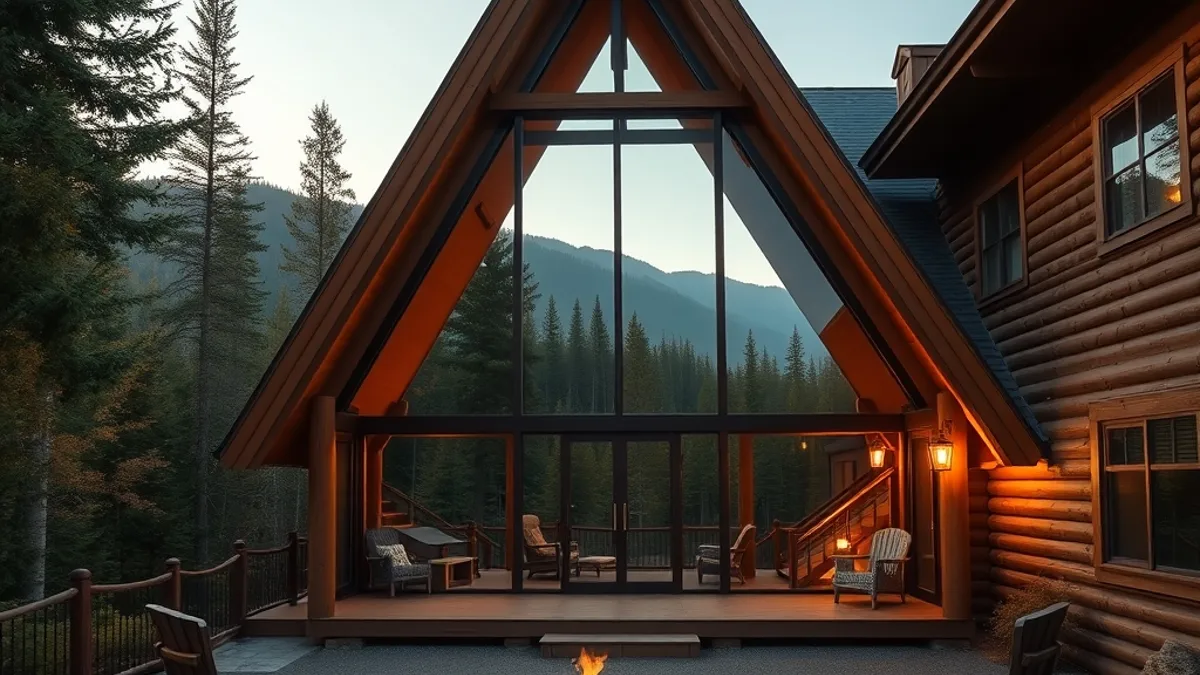
- Insulated timber lodges and A-frames typically run EUR 150-250 per night and are the safest pick for April, October or any winter booking. Solid walls, real insulation and a proper heating system make them comfortable even when temperatures drop close to freezing at night.
A practical tip: photos can hide a lot. A dome that looks glamorous in July sunshine may have thin canvas walls and a shared bathroom block across the meadow. Always confirm the heating source and bathroom arrangement before you commit, especially outside high summer. Ask the host specifically whether the unit is winterized, how the bathroom is accessed, and whether bedding is included in the rate rather than rented as an extra. If your dates fall at the edges of the season, the extra cost of a timber lodge usually pays for itself in sleep quality, since a warm, dry night makes every following day on the trails noticeably better.
How to Choose and Book the Right Site
Booking a glamping site in the Tatra foothills is not complicated, but the region has far fewer sites than it has demand in peak weeks, and the comfort level between them varies more than most travelers expect. Two domes can look identical in photos yet behave completely differently on a chilly September night. A short, methodical approach saves both money and disappointment, so work through these steps in order before you pay any deposit.
- Lock your dates first, then search. Peak July-August stays need 2-3 months of lead time, because the best-positioned domes and lodges fill first. In May, June and October, 3-4 weeks is usually enough, and you may even find last-minute deals. Write down your dates before browsing, since flexible searching tends to blur into indecision.
- Check heating, insulation and bathroom setup. Ask specifically whether the unit has a wood stove, electric heating or underfloor heating, whether walls are insulated or single-layer, and whether the bathroom is en-suite or shared. Comfort levels vary widely between sites, and these three factors explain most of the difference.
- Match location to your activity plan. If hiking or hot springs matter more than total isolation, prioritize sites within about 30 minutes of trailheads or thermal baths. The Liptov corridor around Liptovský Mikuláš is the easiest zone for this balance, while more remote sites trade convenience for quiet.
- Read recent reviews for seasonal accuracy. A review from August tells you little about an October stay. Look for feedback from travelers who visited in a month similar to yours, particularly comments about cold nights, condensation on dome windows or noise from nearby roads.
One last habit worth adopting: message the host directly with two or three specific questions before booking. Ask about arrival logistics, parking and what happens if the weather turns. How quickly and how clearly they answer is often the best predictor of how the stay itself will go. A host who replies within a day with concrete details is usually running a well-managed site; vague or slow responses are a signal to keep looking.
Planning Around the Region: Access and Day Trips
Most glamping sites in the Tatra foothills are car-dependent. Public transport reaches the main towns, but the sites themselves sit in meadows and villages where the last stretch is rarely walkable from a bus stop, so renting a vehicle is the practical choice. Driving from Bratislava to the Liptov foothill area takes roughly 3-3.5 hours, which makes it an easy first leg if you fly into the capital. A car also turns every clear morning into a spontaneous hiking decision, since most trailheads sit close enough to reach without planning an entire day around a timetable.
Why Liptov makes the best base
Base yourself in Liptov and you can combine several different kinds of days without ever repacking. One morning you might hike a foothill trail with ridge views, and the next you can soak at Bešeňová or one of the region’s other thermal springs, which is a welcome recovery after a long walk. Lake days are easy to add in summer, and a day trip up to Štrbské Pleso gives you a taste of the high Tatra scenery without needing alpine gear or experience. Few regions in Slovakia pack this much variety into such a short radius, and having your own wheels is what makes it possible to mix and match.
The Belianske Tatras side trip
Set aside one full day for the Belianske Tatras foothills if quiet villages and photography appeal to you. The area around Ždiar has a distinct character: traditional wooden architecture, meadow-framed lanes and far fewer visitors than the main Liptov corridor. Light in the early morning and late afternoon is particularly good for photographing the wooden houses against the ridge, so plan either a sunrise start or a relaxed late return. It is a slower day by design, and that is the point.
Wrapping Up Your Tatra Foothills Glamping Plan
The Tatra foothills answer the question this guide started with: you can get a nature-heavy Slovak escape with real comfort, as long as you match the area and the stay type to the season. The May to September window is the sweet spot, with typical rates between EUR 80-150 for domes and EUR 150-250 for premium lodges. Liptov works as the most flexible base, sitting about 20-30 minutes from major trailheads and combining hikes, lakes and thermal springs in one trip.
The simple rule: pick a dome for summer warmth and views, and choose an insulated timber lodge if you’re traveling in April, October or winter, when only a handful of heated domes operate. For July-August trips, book 2-3 months ahead; shoulder-season stays usually need just 3-4 weeks of lead time. If this guide helped you plan your trip, leave a comment or share it with a fellow traveler.