Many travelers dream of a cool-climate escape in Sri Lanka’s tea estates, where mornings start with mist over the bushes and evenings call for a sweater instead of air-conditioning. The problem is knowing when to go and which tented camp actually justifies its nightly rate. Glamping in Sri Lanka’s Hill Country can be superb, but timing and camp choice make the difference between a memorable stay and a soggy, overpriced one.
This guide walks you through what makes the highlands so well suited to luxury camping, the best months to plan around, and the tea trail experiences you should build your stay around. You’ll also find where the camps cluster, how to compare and book them, and how to pair the hills with the rest of your Sri Lanka route. By the end, you’ll have a clear, realistic plan for a hill-country tented escape.
Why the Hill Country Suits Glamping
The Hill Country’s biggest selling point for tented camping is the climate. At elevations of roughly 1,000 to 2,000 meters, nights cool down to around 15-22°C, which means you can sleep comfortably under canvas with a duvet and maybe a hot water bottle, no heavy air-conditioning required. That contrast with Sri Lanka’s humid lowlands and beaches is exactly what draws travelers uphill in the first place.
Open horizons and genuine quiet
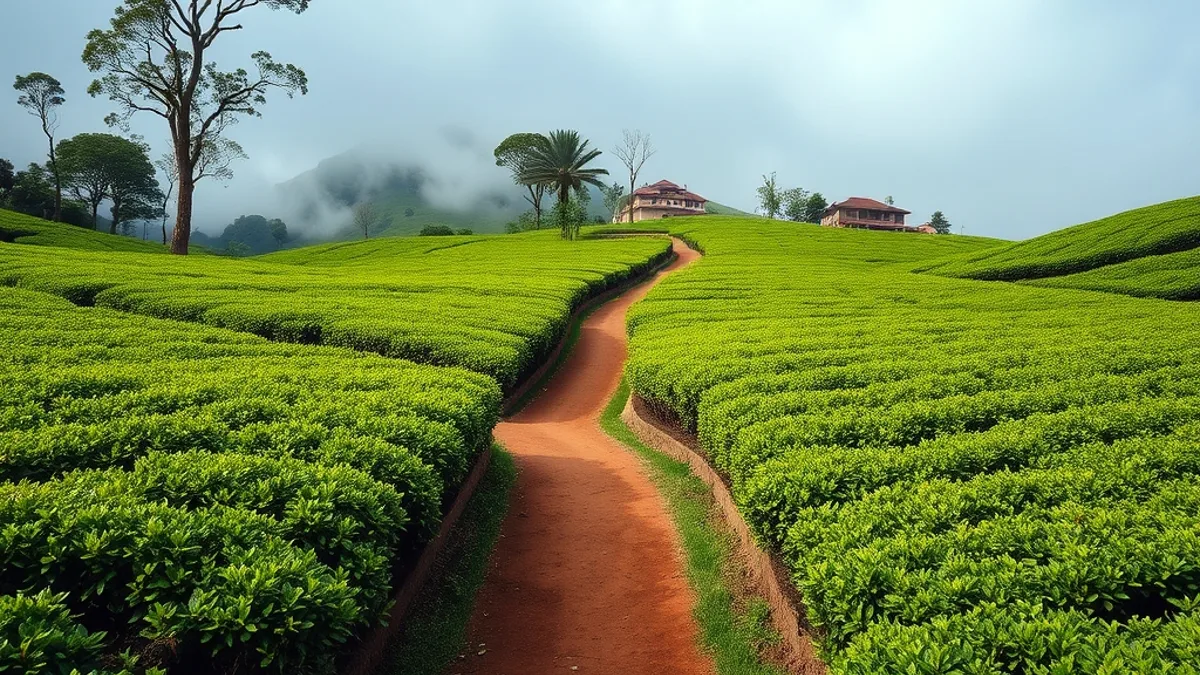
Tea estates at these elevations offer something beach stays simply can’t: open horizons, rolling green contours and morning mist drifting between the ridges. There’s no surf noise, no beach vendors, just the quiet of working plantations where the loudest sound might be wind through the eucalyptus windbreaks. For travelers who want scenery and stillness rather than a shoreline, this landscape is the main attraction.
What sets hill-country glamping apart from ordinary camping is location. Most tented camps sit inside working plantations, so you step out of your tent directly onto estate paths between rows of tea. You’re not visiting the scenery from a distance; you’re staying inside it, watching pluckers work the slopes and weather shift across the valleys from your own veranda.
Best Months for Glamping in Sri Lanka’s Hill Country
Timing matters more in the Hill Country than on the coast, because the highlands have their own weather rhythm. The northeast monsoon reaches the highlands from October to December, bringing rain and heavy mist that can swallow estate views for days. Camps often drop their rates during this stretch, and some travelers enjoy the moody atmosphere, but expect muddy trails, indoor downtime and limited sunrise viewing. If you do go, pack waterproof footwear and a light rain layer.
The two dry windows are the sweet spot. January to March delivers the driest, clearest conditions of the year, which is also why it’s the busiest period for tea-country camps. July to September offers a second dry stretch with noticeably fewer crowds than the winter peak, making it a smart choice if you value quiet mornings over postcard-perfect ones. Both windows reward early planning, since the most sought-after tents fill quickly.
- January to March mornings tend to give the clearest sunrise views over the estates, so book camps with east-facing valleys if dawn photography is a priority.
- During July to September, the reduced crowds mean camps are easier to extend at short notice and estate paths feel emptier on weekday walks.
- In the October to December monsoon stretch, lower rates can make premium tents more affordable, but build in flexible plans and expect some days best spent by the fire.
- Shoulder weeks just outside the dry windows can offer a compromise on price and availability, though weather is less predictable, so keep your itinerary loose and check forecasts close to departure.
Tea Trails and Estate Experiences
Tea trails are the heart of any hill-country glamping stay. Most camps mark out estate paths that loop directly from your tent through the tea bushes, with walks typically lasting 2-4 hours depending on the route. You’ll pass plucking lines, small Hindu shrines and viewpoints over the valleys, and your camp staff can usually point you toward the loop that matches your fitness and the morning’s weather.
Beyond self-guided walking, the estate experiences are what turn a nice stay into a memorable one. Morning plucking sessions let you try your hand at the two-leaves-and-a-bud technique alongside estate workers, and tea factory tours show how leaf becomes the brew in your cup. Schedule both before mid-afternoon, since factory and estate tours typically run morning to mid-afternoon and the process winds down later in the day.
- A guided walk with a camp naturalist or estate staffer adds context on tea varieties, shade trees and the wildlife that lives between the fields, which you’d miss walking alone.
- Factory visits are best timed to catch withering or rolling stages early in the day, when you can see the leaf at its most active processing point.
- A free day between structured activities gives you time to simply sit on your tent deck, read and watch weather move across the estates without a schedule.
- If you enjoy slow, scenery-first walking holidays, the rhythm here is similar to the pace you’d find in lavender-country hideaways in Provence, where the landscape itself is the itinerary.
To fit it all in without rushing, plan 2-3 nights. That gives you one factory visit, one guided walk and one unhurried day, with enough slack to shift plans if rain rolls through.
Where the Tented Camps Cluster
Sri Lanka’s tea country spreads across several distinct zones, and the tented camps have settled into three main clusters. Each offers a different flavor of plantation life, so it pays to match the location to the kind of trip you want before you book.
The Hatton and Dickoya area is the classic heart of tea-trail glamping. Large, well-known estates roll across the hills here, and the camps sit among manicured tea bushes with colonial-era bungalows dotted on the ridges. It’s also the easiest cluster to reach from Kandy by road, which makes it a natural first stop if you’re coming down from the Cultural Triangle.
Head east toward Ella and Haputale and the landscape changes character. Camps here trade manicured estate lawns for dramatic escarpment views, with sheer drops, waterfalls and long vistas across the southern lowlands. The scenic train connection is the big draw on this side, letting you arrive the slow way through tunnels and tea slopes.
The Bogawantalawa valley is the most remote of the three. Camps here sit deep in the highlands, far from towns and main roads, and the payoff is genuine silence and a strong sense of having the hills to yourselves. This cluster rewards travelers planning longer stays rather than a quick overnight.
- Hatton cluster: estate roads are generally in better condition than elsewhere in the hill country, so self-driving or hiring a car and driver works well here.
- Ella and Haputale: towns are walkable and well set up for travelers, so you can mix a tented camp night with guesthouses and restaurants on the same trip.
- Bogawantalawa: expect rougher access roads and limited phone signal, so confirm transfer arrangements with your camp before arrival.
- Combining clusters: driving between Hatton and the Ella side typically takes a good half-day on winding roads, so pick one base unless you have a week or more.
How to Choose and Book Your Camp
Glamping rates in the Hill Country vary widely, and the sticker price alone tells you little. A camp charging USD 150-600 per night might include everything from meals to guided walks and airport transfers, or almost nothing beyond the tent itself. Two camps can charge similar nightly rates a short drive apart and deliver completely different value, depending on what is bundled in. Before you compare rates side by side, work out exactly what each camp includes, then weigh that against what you would realistically use. Travelers who plan to eat out anyway won’t place much value on full board, while a couple set on early mornings outdoors will get far more from a package with walks and meals covered.
- Compare rates against inclusions. Take the USD 150-600 per night range and check what it covers: are meals, guided estate walks and transfers part of the package, or billed separately? A higher rate with full board and daily walks can work out cheaper than a lower rate plus add-ons.
- Match your booking window to the season. For the popular January-March and July-September windows, book 2-4 months ahead to get a decent choice of tents and dates. Small exclusive-use camps, where you rent the whole site, need 6+ months of lead time.
- Check whether the camp is estate-based or standalone. Estate-based camps are set right among the tea fields, so the trails begin at your tent flap. Standalone camps may require a short drive to reach the estates, which eats into your walking time each day.
Once you have shortlisted two or three camps, email or call them with your dates and ask for a full breakdown of what is included. Confirm cancellation terms at the same time, since hill-country weather can shift plans. Booking directly with the camp often makes these conversations easier than going through a large platform, and it gives you a single point of contact if anything changes before arrival.
Getting There and Pairing Your Route
Getting to the Hill Country is part of the experience, but it takes longer than most first-time visitors expect. Allow about 6-7 hours by road from Kandy into the main tea districts. The drive climbs steadily through winding roads, and travel times can stretch with traffic or roadworks, so build in buffer time rather than planning a tight same-day connection.
The scenic train option
The train leg from Kandy toward Ella takes around 7 hours and is widely considered one of the world’s great rail journeys, passing tea estates, tunnels and mountain viewpoints. Reserved seats are worth booking, especially in the popular observation or first-class carriages, because unreserved carriages fill up quickly on this route. Check current schedules and seat availability with Sri Lanka Railways or your operator before you travel.
Fitting the hills into a wider itinerary
Most travelers combine the Hill Country with another region rather than making it a standalone trip. A popular route is to spend a few days in the Cultural Triangle to the north, with its ancient cities and rock temples, before continuing into the tea districts. Alternatively, finish your trip on the south coast, trading cool mountain air for beaches.
Either order works: hills first, then coast, or the reverse. What matters is giving the Hill Country enough days to justify the long transfer, and not scheduling a flight or early departure the morning after you arrive from a 7-hour journey. If you’re short on time, consider breaking the road trip with an overnight stop so the transfer itself stays enjoyable rather than exhausting.
Wrapping Up Your Hill Country Glamping Plan
A glamping trip in Sri Lanka’s Hill Country works best when you match the season to the experience. Aim for January-March or July-September for the driest tea-trail weather, when mist lifts early and the views over the estates are at their clearest. Base yourself near Hatton, Ella or Bogawantalawa and give the stay 2-3 nights so you can fit in a factory visit, a guided walk and some unhurried time among the tea bushes.
On the practical side, lock in bookings 2-4 months ahead for peak-season dates, or earlier if you have your eye on a small exclusive-use camp. With the timing and location sorted, the cool nights and open horizons take care of the rest. If this helped you plan your trip, leave a comment or share the article with a fellow traveler.