You want mountain air, hiking trails and lake views without sleeping on a thin mat in a cold tent. Glamping in Austria’s Tyrol promises exactly that, but choosing a valley is confusing: Zillertal, Ötztal, Achensee and the area around Innsbruck all sound appealing, and few travelers know which sites actually offer real beds, heating and private bathrooms rather than basic camping with a fancy name.
This guide sorts it out. We compare the best alpine areas for families, hikers and lake lovers, break down seasons, weather and typical nightly rates, and explain how to pick the right stay type, book the best-positioned units and plan your days on the trails and water. By the end, you’ll know which valley fits your trip and when to go for the best mix of weather and value.
Why Glamping in Austria’s Tyrol Works for Mountain Lovers
Tyrol has always delivered on the mountain side of things: alpine hiking, swimming lakes, cable cars that lift you to 2,000 m trailheads and valleys that look like postcards. What used to be missing was a comfortable place to sleep at the end of it. Glamping changed that. You get a real bed, proper heating and a private bathroom, often with a terrace facing the peaks, while still waking up surrounded by grass and mountains instead of hotel corridors.
What you can actually sleep in
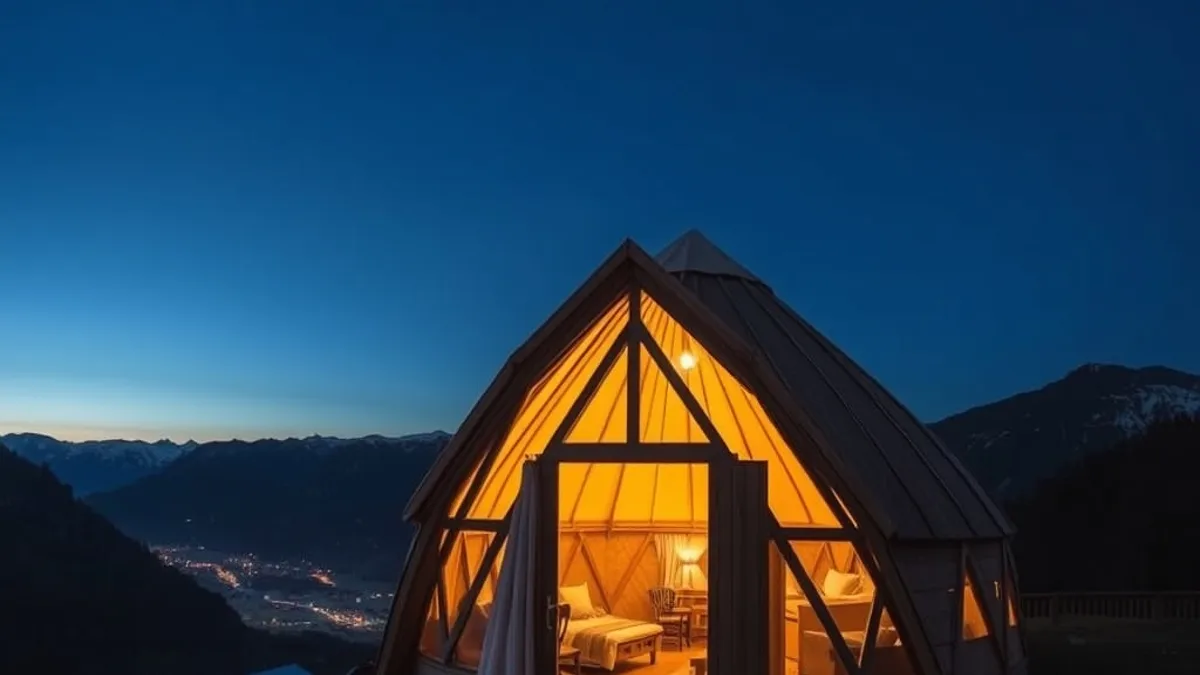
The range of stay types is wider than most people expect. Safari tents with wooden floors and solid furniture sit alongside fully equipped lodges, geodesic domes with panoramic windows and luxury alpine cabins with full kitchens. Some units suit couples looking for a romantic dome under the stars; others are built for families who need two bedrooms and space to dry hiking gear.
Practicality is another strong point. Most glamping valleys sit 30–90 minutes from Innsbruck by car, the region’s main arrival hub. That means you can land, pick up a rental car and be unpacked in your tent or lodge the same afternoon, even on a long weekend. Short transfers also make it easy to combine a city evening in Innsbruck with mornings on the trail, something that’s rarely possible in more remote alpine regions.
Best Alpine Areas: Zillertal, Ötztal, Achensee and Around Innsbruck
Tyrol’s glamping sites cluster in a handful of valleys, and each has a distinct character. Picking the right valley matters more than picking a specific tent, because your base shapes your hiking, your evenings and even the temperature at night. Tyrol sits between 1,000 and 2,500 m above sea level, so a site tucked high in a side valley will feel noticeably cooler after dark than one lower down near the main road. Think about how you want to spend your days before you book, then match the valley to that plan rather than the other way around.
Zillertal is the broad, sunny, family-friendly option, with a good mix of safari tents and lodges and plenty for children to do. Ötztal brings high-alpine drama, steep peaks and thermal spas within easy reach, and it offers the strongest winter glamping options in the region. Achensee, technically a lake rather than a valley, adds sailing and paddleboarding to the hiking mix, and its large water body keeps summer nights milder. The area around Innsbruck trades scenery for convenience, with the shortest transfers of all and easy access for anyone combining a city stop with mountain time.
- Zillertal: the valley floor is wide and gently graded, so family bike rides along the river work even with young children on board.
- Ötztal: several thermal spa complexes sit in the valley, ideal for soothing legs after a big ascent or for rainy afternoons.
- Achensee: the lake is large enough for proper sailing, not just paddling, with rental stations and schools at several points on the shore.
- Innsbruck surroundings: you can be at the airport within half an hour of leaving your unit, which suits short trips and late flights.
Best Times to Visit: Seasons, Weather and Prices
Timing shapes almost everything about a Tyrolean glamping trip: which sites are open, what you’ll pay and how cold your nights get. The peak summer season runs late June to early September. This is when days are warmest, every site has its full range of units available and trails from valley floor to high ridges are snow-free. It’s also when rates peak, with high-season nightly rates typically ranging from €120 to €300 per unit.
Shoulder seasons and winter
For quieter trails and lower prices, aim for the shoulder windows in May to mid June and mid September to October. Weather is more variable, but you’ll often have popular viewpoints nearly to yourself and pay noticeably less for the same unit. Late September can be especially pleasant, with stable autumn light and larches starting to turn gold.
Winter is a different story. December to March suits ski-focused trips, and valleys like Ötztal and Zillertal work well for that, but winter glamping is limited: only a handful of sites keep units open once temperatures drop. If a snowy dome or lodge is your goal, confirm directly with the site that winter operation is confirmed before planning anything else around it.
One final note on comfort: Tyrol sits 1,000–2,500 m above sea level, so nights stay cool even in August. Pack a warm layer and check that your unit has real heating, not just a decorative blanket, before you book.
How to Choose the Right Stay Type and Site
Glamping in the Tyrolean mountains sounds dreamy in every photo, but a tent at 1,500 meters is a very different experience at 3 a.m. than a tent by the sea. Alpine nights stay cool even in August, so the first thing to check is whether a unit has real heating and proper insulation. Well-built safari tents and domes at good sites usually include a wood stove or electric heater, insulated floors and heavy bedding. If a listing only mentions “cozy blankets,” ask directly how the unit is heated before you book.
The second filter is comfort. A private bathroom attached to your unit changes a mountain trip, especially with kids or after a day of hiking in the rain. Shared sanitary buildings are fine at classic campsites, but they are not what most glamping guests are paying for. A covered terrace matters more than it sounds too: in the Alps, a quick shower can pass through any afternoon, and a roofed deck with a table and chairs lets you keep enjoying the view while it does.
Location within the site also shapes your stay. Units on the edge of a meadow often get unobstructed mountain views, while those near the reception or playground trade scenery for convenience. Neither is wrong, but know which one you are booking.
- Heating type: a wood stove adds atmosphere but requires you to light it and carry wood; electric or underfloor heating works at the flip of a switch, which matters when you return late from a hike.
- Bathroom setup: look for an en-suite bathroom with a proper shower and hot water on demand, not just a toilet inside the unit with showers in a separate block.
- Terrace orientation: a west- or south-facing covered terrace catches evening light over the peaks, while an east-facing one gives you sunrise with your coffee—choose based on when you will actually sit outside.
- Food options: an on-site breakfast or a restaurant within walking distance saves you from driving mountain roads every morning; check whether breakfast is included, served to your unit or an added cost.
- Practical extras: covered bike storage, a shuttle to the valley cable car or a small pool for the kids can each tip the balance between two otherwise similar sites—email the operator and ask what is included in the rate.
Booking Lead Times and How to Secure the Best Units
Good units in the Tyrolean valleys are limited in number—often a handful of tents, domes or lodges per site—so the best-positioned ones go early. For July and August stays, plan on reserving 3–6 months ahead. That is especially true for units with the standout views, private saunas or space for a family of four or more; these are typically the first to disappear from the calendar. Booking this far out also gives you time to request a specific unit rather than accepting whatever remains.
Shoulder Season: More Flexibility, Better Rates
Outside the peak summer window, the picture flips. In the quieter months before and after high season, sites rarely fill, and you can often book 4–8 weeks out with better rates than in July or August. This is the window to be picky: ask for the unit with the best terrace, or a late checkout after a final hike. Some operators also run shorter minimum stays during these quieter stretches, which makes a two-night alpine break much easier to arrange.
Midweek Beats Weekends
Even at the height of summer, arrival day matters. Midweek nights usually cost less than Friday and Saturday nights, when weekend travelers from Munich, Innsbruck and beyond fill the valleys. Arriving on a Sunday or Monday often means a quieter site for your first days and a lower total bill for the same unit. If your dates are fixed to a weekend, book earlier rather than later, and check whether the operator offers a weekly rate that works out cheaper per night than booking nights separately.
Planning Your Days: Hikes, Lakes and Alpine Activities
One of the best things about glamping in Tyrol is how little effort it takes to get high. The broad valleys run cable cars up their flanks, so you can ride to trailheads above 2,000 m and start your hike among the peaks instead of climbing for hours through the forest first. Buy a day ticket at the valley station, check the last descent time before you set off, and plan routes that loop back to a different lift if you want more variety. With the ascent handled, a moderate ridge walk or lake hike becomes a realistic day even for mixed-ability groups.
Lake Mornings and Weather Backup
If your site sits near Achensee, put paddling first. The lake is calmest in the morning, before the typical afternoon winds pick up, so rent a kayak or stand-up paddleboard early and leave the hiking for later in the day. Reserve the afternoon for a terrace, a swim or a ride on one of the boats that cross the lake.
Alpine weather changes fast, and every Tyrol trip should include a plan for a wet day. The thermal spas in valleys like Ötztal make an excellent swap for a rained-out hike, and most valleys offer indoor options such as swimming pools, museums or covered climbing halls. Building one flexible “spa or indoor” day into the middle of your week means a storm never derails the whole trip.
And when you catch yourself slowing down—long breakfast on the terrace, one hike instead of three, an afternoon doing nothing but watching the peaks—that is the trip working as intended. The same rhythm is the whole point of a slower kind of mountain travel, the kind you can also find on a quiet Provence hideaway built around lavender air and slow mornings. Tyrol just adds cable cars and cooler nights.
Your Tyrol Glamping Trip at a Glance
Glamping in Tyrol solves the classic alpine dilemma: you get the mountains, lakes and cable cars without giving up real beds, heating and private bathrooms. Start by picking your valley — Zillertal for families, Ötztal for high-alpine drama, Achensee for lakeside days, or the area around Innsbruck for the shortest transfers from the city and airport.
Then match your dates to your priorities. The peak summer window from late June to early September brings the warmest weather and the fullest choice of sites, while the quieter weeks before and after the main season reward flexible travelers with emptier trails and gentler rates. For peak summer, book three to six months ahead and expect around €120 to €300 per night. If this helped you plan your trip, leave a comment or share the article with a fellow mountain lover.