You’re checking in after a long flight, and the front desk agent offers an upgrade to the executive floor for an extra fee per night. It sounds tempting, but what exactly do you get? Is the lounge really that useful, or are you paying a premium for a slightly bigger room and a plate of cheese cubes?
Hotel executive floors can be a genuinely good deal or an easy way to waste money, depending on your trip. In this guide, we break down what these floors actually include, what the upgrade typically costs, and which travelers get real value from an executive lounge. We also cover when it’s not worth paying, how to get lounge access without the upgrade fee, and how to judge a lounge before you book. By the end, you’ll know whether to say yes or politely decline the next time that offer appears at the front desk.
What Hotel Executive Floors Actually Include
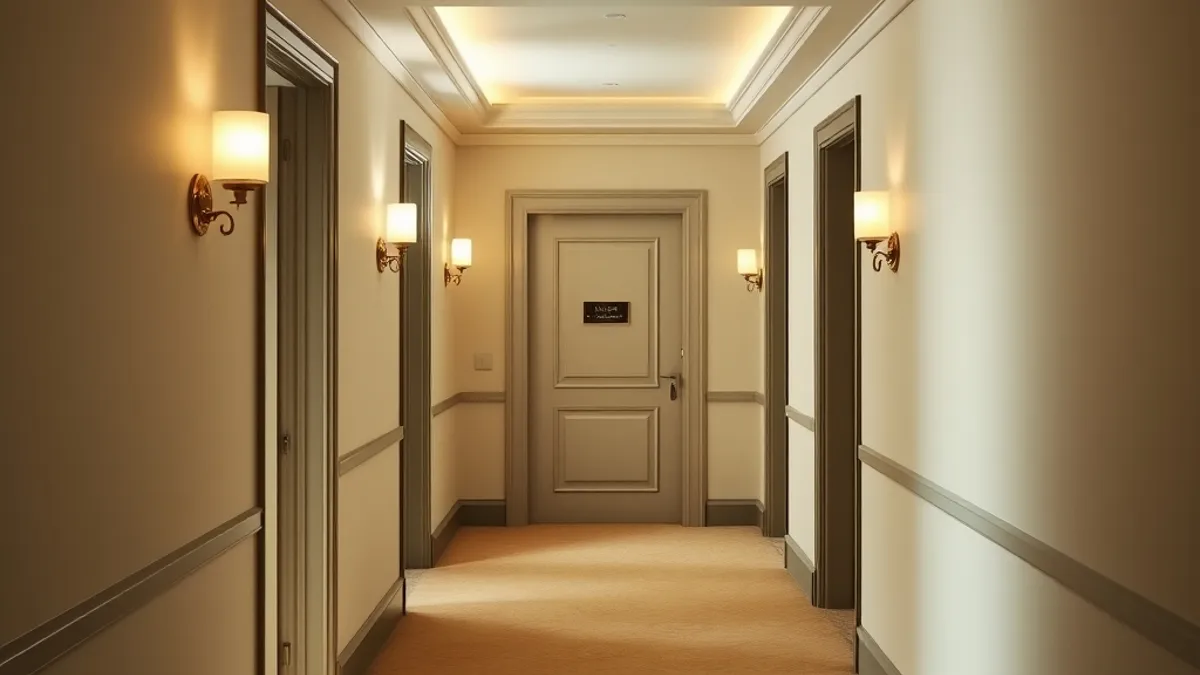
Executive floors occupy the top 2-5 floors of most full-service hotels, and access is controlled by your room key. If your key doesn’t open the elevator button for those floors, you don’t get up there. This key-only setup is the core of the concept: it separates executive guests from everyone else and creates the quieter atmosphere that the premium is supposed to buy. In practice, it means you swipe your card in the elevator and press a button that stays inactive for other guests, so you rarely find strangers wandering onto your floor.
The centerpiece of most executive floors is a dedicated lounge, a smaller, more private space than the main lobby or restaurant. Rooms on these floors are often 10-20% larger than standard rooms in the same hotel, and they frequently sit on higher levels with better views over the city or surrounding area. But the room is only part of the package. Most of the practical value lives in the lounge, where a predictable set of food and drink perks is included in your rate.
- Complimentary breakfast in the lounge: Instead of joining the crowd in the main restaurant, you eat a smaller but often sufficient breakfast in the lounge, typically with fewer tables, shorter waits, and a calmer start to the day.
- Evening happy hour: Most lounges run a happy hour of about 2 hours, often 5-7 pm, with light food such as canapés or salads and free beer, wine, and sometimes spirits. For many guests, this replaces the need for a drink order at the bar later.
- All-day self-serve refreshments: Between breakfast and happy hour, the lounge usually keeps free tea, coffee, and snacks available throughout the day, which is handy for a mid-afternoon caffeine stop without a café bill.
- Extra space and views: Beyond the lounge itself, executive rooms tend to offer the extra square footage and higher-floor outlooks mentioned above, so you’re paying for both a private floor and a better room on it.
What the Executive Floor Upgrade Typically Costs
The premium for an executive floor typically runs $50-$150 per night over the standard room rate. That’s a wide range, and where you land depends heavily on the city and the property. Business-hotel markets, where lounge access is a genuine status symbol and demand is steady, tend to charge at the higher end. Resort properties, where guests spend their days outside, often price the upgrade more modestly because fewer people want it.
Flat fee or separate room category
Hotels handle pricing in two main ways. Some quote a flat upgrade fee at check-in, letting you decide on the spot. Others sell executive floors as a separate room category when you book, with the lounge perks baked into a higher rate from the start. The second approach locks in your access but removes flexibility, since you pay whether or not you end up using the lounge.
Check-in versus booking ahead
Here’s a tip worth remembering: upgrades bought at check-in can be cheaper than booking the executive rate in advance, because hotels would rather fill unsold executive rooms at a discount than leave them empty. The catch is that availability is not guaranteed. If the executive floor is full, there’s nothing to upgrade into, no matter how nicely you ask. Booking ahead costs more but secures the room; gambling at check-in can save money but carries risk.
Who Gets the Most Value from an Executive Lounge
Not every traveler gets their money’s worth from an executive floor, but for certain types of trips, the math works out clearly in your favor. The common thread is simple: the more you actually use the lounge, the more the nightly fee is offset by food, drinks, and workspace you’d otherwise pay for elsewhere. The guests who benefit most tend to fall into a few recognizable groups, and it’s surprisingly easy to figure out whether you belong to one of them before you book.
Think about your own habits honestly. If you eat every meal out and only return to the hotel to sleep, the lounge will sit mostly unused. But if your days involve work sessions, early starts, or evenings spent at the hotel before dinner, those included breakfasts and happy hours add up fast. A useful exercise is to count how many mornings and evenings you’d realistically spend at the hotel, then compare that against the cost of buying breakfast and a drink or two on your own.
- Business travelers: A lounge doubles as a quiet workspace with free coffee and Wi-Fi away from lobby noise, and the happy hour can stand in for a restaurant dinner on nights when you don’t want to go out. Over a work week, that’s a meaningful stack of savings and convenience.
- Couples: Two included breakfasts every morning plus a free pre-dinner drink hour can easily cover a large share of the upgrade cost, especially if you’d have ordered drinks at the hotel bar anyway.
- Guests staying 3+ nights: The daily food and drink savings compound past the nightly fee on longer stays. On a five-night visit, even modest lounge usage can outweigh what you’d spend on breakfast and an evening drink each day.
- Travelers who want a calmer breakfast: Lounge breakfasts are typically smaller and less crowded than the main restaurant, with no queue for a table during the peak morning rush, which matters if you dislike noisy buffet halls.
One more group worth mentioning: travelers who value predictability. When breakfast, drinks, and snacks are already covered, you can budget your trip more accurately and avoid small daily charges that quietly inflate the final bill. If that peace of mind matters to you, the upgrade often justifies itself even before you count the convenience of having everything a few floors from your room.
When Paying for an Executive Floor Is Not Worth It
The executive floor premium only pays for itself if you actually use what it includes. The math works against you in a few common situations, and it helps to recognize them before you book rather than after you check in.
The biggest culprit is the short stay. On a one-night trip, you might squeeze in a single visit to the lounge, perhaps a quick breakfast before checkout. That is a lot of money for one plate of scrambled eggs and a coffee, even with a comfortable chair thrown in.
Sightseeing trips are another poor match. If you leave the hotel at eight in the morning and come back after ten at night, the lounge sits empty while you are out. The happy hour window, typically about two hours in the early evening, often falls exactly when you are still out at dinner or a show.
Resorts deserve special skepticism. An indoor lounge with a coffee machine competes badly against a pool bar, a beach club and an open-air dinner terrace, which are usually the reasons you booked the resort in the first place.
- One-night layovers: you may arrive late and leave before the lounge even opens for breakfast, meaning you pay the full nightly premium and touch none of the perks.
- Early-tour itineraries: many guided city tours and day trips depart before lounge breakfast is served, so you eat on the go anyway and the included meal goes to waste.
- Food-focused destinations: if you are traveling to eat at local restaurants, a light lounge happy hour of snacks and drinks will not replace a dinner you were planning to pay for regardless.
- Thin lounge spreads: some lounges offer little beyond cold cuts, pastries and a self-serve coffee station, so if you want a proper meal you are still paying for it outside, on top of the upgrade fee.
- Family rooms: if you need two rooms or a suite for your group, paying the executive premium on each room multiplies the cost quickly, and lounge access may be capped at a limited number of guests per room.
How to Get Lounge Access Without Paying the Upgrade
Paying the upgrade fee is only one way onto the executive floor. Hotels want their lounges reasonably full, and several routes can get you the same key-card access for nothing or close to it. It pays to try these before you hand over the nightly premium.
Loyalty status is the most reliable path. Many hotel loyalty programs grant executive lounge access at mid-tier elite status, often from the second tier upward, and the qualifying nights add up faster than most casual travelers expect. If you stay at the same brand even a handful of times a year, check what your current tier includes before booking anything.
Timing matters too. Executive rooms are frequently unsold, especially midweek in leisure-oriented hotels, and a polite request at check-in sometimes turns into a free upgrade. It costs nothing to ask, and front desk agents have more flexibility than most guests assume.
Finally, look at how you are booking. Corporate rates and credit-card hotel programs occasionally bundle lounge access into an otherwise standard room, and some hotels sell package rates that include the lounge for less than the standalone upgrade fee would cost at the desk.
- Match your stays to one brand: concentrating your bookings with a single hotel group pushes you toward the second elite tier faster, which is where lounge access typically kicks in.
- Ask about occupancy at check-in: mention that you are celebrating something or traveling on business, and ask directly whether any executive rooms are available that night, since unsold inventory cannot be sold after checkout time anyway.
- Check your credit card portal: some card-linked hotel programs include lounge access or upgrade certificates as a booking benefit, which is easy to overlook if you usually book direct out of habit.
- Compare the package rate line by line: when a hotel offers a rate that includes the lounge, add up breakfast and happy hour at the hotel’s own menu prices and compare the total against the standard rate plus the desk upgrade fee.
- Book refundable rates: a flexible booking lets you ask about lounge-included options closer to arrival and switch if a better deal appears, without losing your room.
How to Judge an Executive Lounge Before You Book
Executive lounges vary enormously from hotel to hotel, even within the same brand and city. Some serve a hot breakfast and an evening spread with real substance; others offer a pastry basket and a bowl of nuts. A few minutes of checking before you book tells you which kind you are paying for, and whether the premium over a standard room is justified at that specific property.
- Read recent reviews for lounge mentions. Filter guest reviews for words like “lounge,” “happy hour” and “executive floor,” and focus on reviews from the last few months. Look for specifics: whether the evening food was enough to skip dinner, or whether guests describe grabbing a drink and heading out hungry.
- Confirm the opening hours fit your schedule. Happy hours typically run about two hours, often 5-7 pm, and lounge breakfast often starts later than the main restaurant. If your flight leaves at 6 am or your tour departs at 7:30, the included breakfast may not exist for you in practice.
- Verify the view from the upper floors. Executive rooms usually occupy the highest levels of a full-service property, but “high floor” means little if the windows face a parking structure or an interior courtyard. Study floor plans and recent guest photos to confirm those levels actually deliver a view worth paying for.
- Email the hotel about the food. Ask a direct question: does lounge breakfast include hot dishes, and does the happy hour offer anything beyond cold snacks? The answer, in writing, separates a lounge you can genuinely eat in from one that only covers drinks and a coffee refill.
One last tip: ask about lounge capacity and crowding when you contact the hotel. A well-run lounge enforces guest limits and stays calm even at breakfast peak, while an undersized one turns into a scramble for seats. Also check whether the lounge offers all-day tea, coffee and snacks, since that detail matters more on work days than any single meal. Taken together, these answers give you a far better picture than the room category name alone, and gathering them takes less than ten minutes before you commit to the upgrade.
The Bottom Line on Executive Floors
So, is that upgrade box at checkout worth ticking? An executive floor bundles four things into one fee: key-only access to the top floors, a quieter lounge with breakfast, an evening happy hour of about two hours, and a room that is often 10-20% larger than standard. The premium typically runs $50-$150 per night, so the math comes down to how much you will actually use the lounge.
As a rule of thumb, the upgrade pays off for stays of three nights or more and for travelers who work from the lounge or skip restaurant dinners. It rarely makes sense on a short sightseeing trip when you are out all day. Before paying, remember that loyalty status, a polite request at check-in, or a package rate can sometimes get you the same perks for nothing. If you have stayed on an executive floor recently, tell us how it went in the comments, or share this article with a fellow traveler.