Most travelers assume a free hotel room upgrade is pure luck, something that happens to charming people on their honeymoon or to whoever happens to be standing at the desk at the right moment. In reality, upgrades follow a pattern. Timing, how you ask, and the way you booked all play a bigger role than good fortune ever will.
This guide walks through the whole process. We explain why hotels give upgrades away at no charge, how to book so an upgrade is even possible, which dates make premium rooms most likely to sit empty, and what to say at check-in when the moment comes. We also cover tactics that work mid-stay, the destinations where an upgrade is worth the most, and a simple game plan you can repeat on every trip. Follow the steps, and an upgrade stops being a lucky break and starts being a habit.
Why Hotel Room Upgrades Are Given Away Free
Here is the part most travelers never realize: an unsold suite earns a hotel nothing. A room that sits empty for the night generates zero revenue and zero goodwill. So when a front desk agent has a vacant suite at check-in time, giving it away free is almost always the smarter business move. The hotel fills inventory it could not sell anyway, and in exchange it earns loyalty from a guest who may book again, spend at the restaurant, and recommend the property to friends.
Upgrades solve problems, not just favors
Upgrades are also an operational tool. When a hotel overbooks its standard rooms, moving a few guests up a category is the quickest way to keep everyone housed without turning anyone away. In other words, some upgrades happen simply because the room inventory needs balancing, not because anyone was being generous.
Finally, remember that front desk staff usually have real discretionary power. They can often move you up on the spot without asking a manager, which means how you ask matters as much as when you ask. A friendly, specific request at the right moment gets results; a demand or a huffy complaint rarely does.
Once you understand this logic, the upgrade stops looking like a lottery. It becomes a strategy you can repeat: put yourself in the right situation, make the request easy to say yes to, and let the hotel’s own economics work in your favor.
Book the Right Way to Set Up a Free Upgrade
Every upgrade starts with the booking itself, long before you arrive at the front desk. The single biggest factor is where you book. Guests who reserve directly with the hotel are prioritized for perks, because the hotel knows them, controls their reservation, and can adjust it freely. Book through a third-party site and the front desk has less flexibility, less information, and less reason to favor you.
Timing matters too. Reserving 2 to 4 weeks ahead often means your booking lands while unsold suites still exist, giving the hotel room to move you up later. Book too early and the picture is unclear; book last minute and the premium rooms are likely gone. Aim for a stay of 3 or more nights as well, since longer stays are easier to manage operationally and more likely to be upgraded than a single night.
Then set yourself up with these choices:
- Book the lowest category you are genuinely comfortable with. Moving a guest from a base room is easier and cheaper for the hotel than moving someone who already paid for a mid-tier room, so the gap you leave is the gap they can fill.
- Join the hotel’s free loyalty program before you book. Members report upgrade rates several times higher than guests booking through third-party sites, and membership also puts your stay preferences on file before you ever arrive.
- Add your reservation number and loyalty ID to every booking confirmation. This keeps your profile visible to the front desk and makes it easy for staff to attach perks to your stay without extra steps.
Do these four things and you arrive as exactly the kind of guest hotels like to reward: direct, recognized, and easy to move.
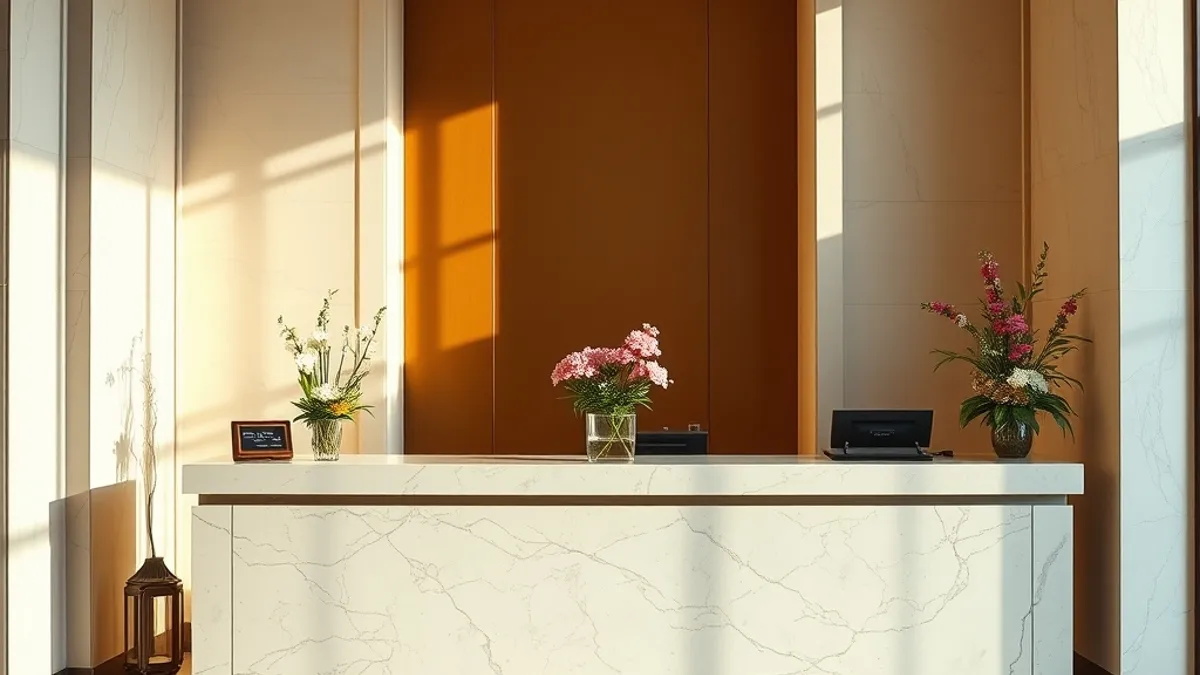
Time Your Stay When Upgrades Are Most Available
Even a perfectly booked stay can miss out if the hotel is full of guests in higher categories. That is why your travel dates matter as much as your booking method. The goal is simple: stay when premium rooms are most likely to sit unsold, so the front desk has inventory it can actually give away. Timing does not guarantee an upgrade, but it stacks the odds in your favor before you ever reach the lobby.
Midweek is your best friend. Tuesday to Thursday nights run with roughly 10-20% lower occupancy than weekends, which means more empty suites and a front desk with real room to maneuver. Shoulder season is the second lever: in Europe, May-June and September-October leave noticeably more premium rooms unsold, since demand softens but the hotel still wants those categories filled. Combine the two when you can, and the picture gets even better.
A few practical pointers before you lock in dates:
- Check the local events calendar first. A conference, festival or sports weekend can fill a hotel as completely as a holiday, wiping out upgrade inventory even on an otherwise quiet Tuesday.
- Target the start of the week in resort areas. Properties that fill up Friday to Sunday often have their best availability Monday through Wednesday, right when a midweek arrival puts you at the desk.
- Remember that peak dates work against even loyal guests. During holidays and major local events, rooms sell out at full rate, so even repeat guests and top-tier members rarely get moved up. Save your upgrade strategy for calmer dates.
Pick your dates with this in mind, and you arrive at a hotel that actually has something to give. It is the quietest, simplest advantage in the whole upgrade playbook.
How to Ask for the Upgrade at Check-In
Check-in is the moment your upgrade strategy actually pays off, and timing plays a bigger role than most travelers realize. By mid-afternoon, the front desk team knows exactly which rooms are assigned, which guests have not shown up, and which premium categories are still sitting empty. Asking before that picture is clear puts you at a disadvantage, because the agent cannot promise anything they have not confirmed. Here is how to make your request count when you walk through the door.
- Arrive between 3 and 5 pm. This window is when most rooms are already allocated and the upgrade inventory is clearest. A front desk agent can see in seconds whether a suite is free, which means you get a real answer instead of a vague “check back later.”
- Ask politely and specifically. Instead of a generic “any chance of an upgrade?”, mention a special occasion if it is true: an anniversary, a birthday, a first trip together. A specific, genuine reason gives staff something concrete to work with and makes the request memorable rather than routine.
- Request once, warmly, without pressure. Staff respond far better to friendliness than to demands. If you push, they can simply point to policy; if you charm them, they can point to an empty room. One confident, cheerful ask is worth more than three insistent ones.
- If the answer is no, ask what might be possible later. A polite follow-up question opens the door to a move mid-stay if a suite frees up, or to priority treatment on a future visit. A gracious reaction to “no” often gets remembered by name, which helps more than you might expect.
It also helps to know that asking in person works in your favor. Requests made directly at check-in succeed noticeably more often than written requests sent weeks in advance, because the agent can act on the spot with real inventory in front of them. There is no email to forward, no manager to chase, and no delay in which the room gets assigned to someone else. Walk up relaxed, smile, and treat the conversation as a human one rather than a transaction. The staff member behind the desk deals with dozens of guests a day, and the ones they remember fondly are usually the ones who get remembered when a better room opens up.
Upgrade Tactics That Work During Your Stay
If your check-in request did not land, your stay itself offers several more chances. Hotels move guests between rooms all the time, and mid-stay is often when the best inventory appears, because no-shows and early departures free up space the front desk did not expect. A suite that was promised to someone else at 3 pm may be sitting empty by the second evening of your trip. The key is to stay visible, stay pleasant, and give staff natural reasons to help you.
- Raise a genuine issue and let staff offer the move. If your room is genuinely noisy, faces a wall rather than a view, or has a maintenance problem, mention it calmly at the desk. Staff will usually propose the solution themselves, and a move to a better room is the easiest one they can make.
- Use the hotel’s restaurant, spa or bar. Guests the team recognizes by face are far easier to reward than anonymous room numbers. A friendly word with the bartender or a spa visit means several staff members now know who you are, which quietly works in your favor when a room becomes available.
- Leave a friendly note or speak to the concierge mid-stay. Late evenings are a smart moment to check in again, since suites sometimes free up after no-shows and the desk has fresh flexibility. A short, warm note with your room number keeps the request alive without any pressure.
- Follow up at checkout with real thanks. Whether or not you got the upgrade, thank the team by name. That relationship is what turns a one-time favor into a repeatable pattern on your next booking.
None of these tactics require spending extra money or making a scene. They simply make you a guest the staff wants to help, and that is often the deciding factor when one better room is available and two guests want it. Be patient, keep your tone light, and remember that a mid-stay move is a bonus, not an entitlement. Guests who treat it that way tend to hear “yes” far more often, both on this trip and the next time they walk through the door.
Where an Upgrade Matters Most: Choosing Upgrade-Worthy Destinations
Not every destination rewards an upgrade strategy equally. In some hotels the difference between the base room and the suite is barely a few square meters; in others it is the difference between a parking-lot view and a private terrace over the water. If a free upgrade is part of your travel plan, pick places where the categories actually mean something.
Resort and villa destinations in shoulder season offer the widest gap between entry-level rooms and top categories, precisely because the premium inventory sits unsold. In Europe, the May-June and September-October months leave more suites and villas empty, which means more chances for the hotel to fill them at no charge rather than leave them dark for the night.
Coastal luxury markets
Upscale coastal areas are particularly good midweek bets. In places like Camps Bay, where clifftop villas and ocean-view suites define the luxury scene, premium categories often go unsold on Tuesday-to-Thursday nights even in busy periods, since demand concentrates on weekends. Noosa in Australia works on a similar rhythm: high-end beachfront rooms that command a fortune on Saturday can be quietly yours midweek.
Quiet inland retreats
Do not overlook the countryside. Wine-country lodges and lakeside stays frequently upgrade guests simply to fill their scenic rooms, because a view-facing room with no one in it is the biggest loss a small property can take. These properties also tend to have staff with real discretionary power, which makes a friendly ask go further.
The rule of thumb is simple: match your strategy to destinations where room categories differ meaningfully in view and space. That way, when the upgrade comes through, it changes your trip rather than just your room number.
Your Free Upgrade Game Plan
Most travelers treat a free upgrade as pure luck, but it rarely is. Timing, booking habits and how you ask decide who gets moved up a category, and every one of those is under your control. The traveler who books direct a few weeks out, joins the loyalty program and smiles at the front desk is simply playing a different game from the one who books the cheapest package and hopes.
The plan is short enough to memorize: book direct, 2 to 4 weeks ahead, in the lowest room category, as a loyalty member. Travel midweek or in shoulder season, and check in between 3 and 5 pm when the room picture is clearest. Ask politely at the desk, and if the answer is no, use in-stay goodwill to try again. Together these steps turn a lucky break into a repeatable habit. Have you scored a free upgrade before? Share your story in the comments or pass this article along.