You packed for the beach expecting to kayak, snorkel and paddleboard your way through the week, only to find unexpected resort watersports charges on your bill at checkout. It’s one of the most common surprises guests run into, and it usually comes down to a simple mix-up: some activities are included in your rate, while others are billed separately. Knowing the difference before you book can save you both money and a frustrating end to your trip.
This guide breaks down how resort watersports are typically structured, from the non-motorized gear that’s often free at all-inclusive properties to the motorized and scuba activities that usually come with a price tag. We’ll cover booking lead times and age requirements, how to confirm exactly what’s included before you commit, and simple ways to budget for watersports during your stay. By the end, you’ll know precisely what to ask before you reserve.
How resort watersports are usually structured
Most resorts divide their watersports into two clear tiers. The first tier covers non-motorized gear, which is often bundled into your room rate, especially at all-inclusive properties. The second tier covers anything with an engine or a guide: jet skiing, parasailing, water skiing, and similar activities, which are billed separately no matter how you booked your stay.
The distinction matters most when comparing rate plans. At an all-inclusive resort, kayaks, paddleboards, snorkel gear and windsurfers are usually part of the package, so you can grab a board whenever the mood strikes without thinking about cost. A la carte resorts work differently. Many charge by the hour for even basic gear, often somewhere in the range of $10-$30 per hour for a paddleboard. Over a week, those small rentals can quietly add up, so it pays to know which system your chosen resort uses before you arrive.
One desk runs the show
In practice, nearly every resort funnels watersports through a single point of contact, whether it is called the activity desk or the watersports center. This is where you sign up for sessions, complete waivers, settle any charges, and pick up your equipment. Staff there can also tell you about availability, weather conditions, and any time limits on free gear.
A practical tip: visit the desk early on your first day rather than waiting until you want to go out. You will learn the sign-up rhythm, find out which equipment is in demand, and avoid losing part of your first afternoon to paperwork. If you plan to split your time between free gear and paid activities, the same desk typically handles both, so one conversation can cover your whole stay.
Activities that are typically included at no extra cost
Walk past the watersports center at most beach resorts and you’ll spot the free tier lined up on the sand: kayaks, stand-up paddleboards, snorkel sets, Hobie sailing dinghies and pedal boats. These are the non-motorized toys that rarely cost extra, especially on all-inclusive plans. You grab them from the beach staff, sometimes sign a quick waiver, and head straight out.
There’s usually a catch on timing, though. To keep gear rotating among guests, many resorts cap free sessions at 60-90 minutes per person per day. In practice, that’s plenty for a paddle along the shoreline or a lap around the bay, and if the equipment isn’t in demand, staff will often let you run longer. Just ask before you set out if you’re planning a longer paddle.
Instruction is where all-inclusive plans quietly deliver real value. Beginner group sessions are frequently bundled into your stay, so you can pick up a new skill without paying for a private lesson.
- Kayaks and pedal boats are the easiest items to borrow, since they need no instruction and are usually available on a first-come basis from the beach without a reservation.
- Stand-up paddleboards are often included with a short on-shore briefing from staff, which is worth taking even if you’ve paddled before, as local wind and current patterns differ from home.
- Snorkel sets are typically free to borrow, but ask whether fins and a life vest are part of the package, since some resorts charge separately for the extras.
- Hobie sailing dinghies usually require a quick competency check or a free introductory sail with staff before you’re allowed out alone, so factor that into your first day.
- Intro group lessons such as beginner windsurfing or a first SUP class are commonly offered once per stay on all-inclusive plans, and they tend to fill up fast in high season, so sign up early in your trip.
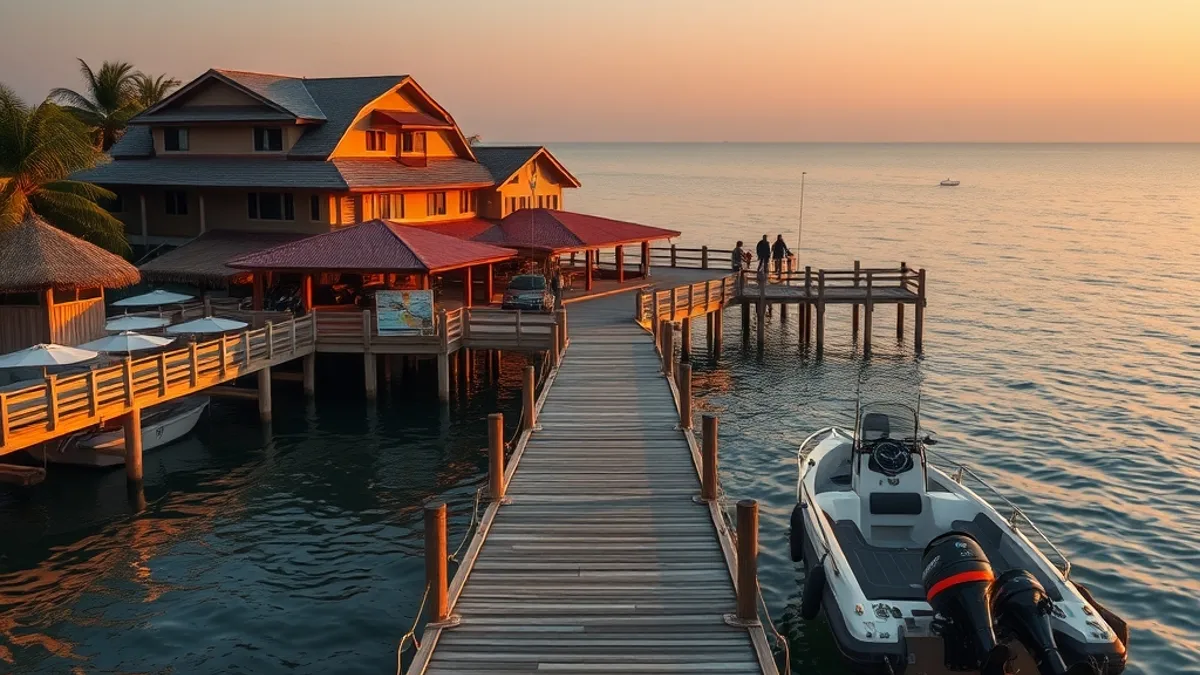
Paid activities and what they typically cost
Paid watersports are where resort bills can climb quickly, so it helps to know the going rates before you hand over your card. The good news is that pricing is fairly consistent across beach destinations, which makes budgeting straightforward once you know the categories.
Motorized and towed activities are usually sold as short sessions rather than full-day rentals. A jet ski run, a parasail flight, a water skiing or wakeboarding set, or a banana boat ride with the family typically falls in the $50-$150 range per session, with the price depending on the activity, the resort and how long you are out on the water.
Diving is priced separately because of the equipment, tanks and guide involved. A single scuba dive generally costs $60-$120, while a full open-water certification course starts around $300-$500 depending on the dive shop and how many pool and ocean sessions are included.
Boat trips are charged per person and vary with the length and style of the excursion. Expect roughly $40-$100 per person for most outings, with half-day snorkel safaris at the lower end and longer sunset or dolphin-watching cruises toward the top of the range.
- Jet ski and parasailing sessions typically last 15-30 minutes, which is why the per-session price looks steep compared to an hour of free paddleboarding.
- Banana boat rides are often the cheapest paid option since several guests share one tow, and some resorts discount them for groups of four or more.
- Open-water certification usually includes classroom or online theory, confined-water practice and a set of qualifying ocean dives, which is why it costs several times more than a single dive.
- Sunset cruises frequently bundle drinks or light snacks into the per-person price, so ask what is included before comparing rates with other operators.
- Snorkel safaris by boat often visit reef sites that are too far to reach from shore, which is the main reason to pay for one even if you already own a mask.
Booking, timing and requirements before you go
The biggest watersports disappointments I see from readers usually come down to timing, not money. Sessions sell out, age rules surprise parents, and a missing medical form can sideline a diver for the whole trip. A little planning solves nearly all of it, and most of that planning takes less than an hour on your first afternoon at the resort.
- Reserve ahead at the activity desk. Most resorts ask for a 24-48 hour booking lead time for dive trips and motorized sessions like jet skiing or parasailing. Walk up on the morning you want to ride and you may find the schedule already full, especially when boats and instructors are limited.
- Book certification courses before you arrive. If you want to get dive-certified during a peak-season stay, arrange it with the resort’s dive center before you travel. Instructors and boat slots fill quickly when the resort is busy, and a course needs several consecutive days to complete.
- Check the age minimums. Jet skis, scuba dives and parasailing typically carry age minimums of 12-16 years, and the exact cutoff varies by resort and activity. Ask before promising your teenager a turn at the helm.
- Expect paperwork. Nearly every watersport requires a signed waiver, and diving usually adds a medical questionnaire. If a question on the form applies to you, bring a doctor’s note rather than sorting it out on the beach.
- Be ready for a deposit. Motorized equipment commonly requires a deposit or card pre-authorization of $100-$500. Make sure the card you hand over has room on it, and ask when the hold is released.
- Have a weather backup plan. Wind and waves can cancel any session, and some activities shut down entirely in rough conditions. Resorts typically offer rebooking or a refund, so ask how the desk handles cancellations when you sign up.
Handle these details on your first day rather than your last, and you’ll spend the rest of the week on the water instead of at the desk. It also helps to book your must-do activities early in your stay, leaving room in the schedule for a rebooked session if the weather turns.
How to check what is included before you book
Watersports inclusions vary more from resort to resort than almost any other amenity, and the differences are rarely obvious from the booking page. Two resorts on the same beach can treat a paddleboard completely differently: one hands it over free with your room key, the other rents it by the hour. The good news is that finding out takes very little effort.
Read the fine print, then ask
Start with the rate plan details on the resort’s website or your booking confirmation. Look for the phrase “non-motorized watersports included” — that wording is your clearest signal that kayaks, snorkel gear and paddleboards come at no extra charge. If the description is vague or silent on the subject, email the resort directly and request a current activity price list. Prices and inclusions change, so a list from a review written two years ago may not match what you’ll actually pay.
Compare packages against pay-per-activity
If diving is a priority, run the numbers before you commit. Scuba dives typically run $60-$120 each, so a dive-inclusive package can beat paying per dive if you plan 4 or more dives in a week. Certification courses, at roughly $300-$500, are usually priced separately either way, so ask how the plan treats them.
Finally, ask about seasonal operation. Some watersports centers reduce services outside the November to April peak in tropical destinations, which can mean shorter hours, limited equipment or no motorized activities at all. A quick question before booking tells you whether your off-season stay will have the full program or a scaled-back version.
Budgeting for watersports during your stay
Watersports are one of those line items that can quietly add up if you don’t set expectations before you arrive. The good news is that a week of paid activities is easy to estimate once you know what you like. A mixed week with a jet ski session, a boat trip and a snorkel outing or two sits in a modest range, while a dive-focused trip climbs higher once you factor in multiple dives over the week. Either way, deciding in advance which activities you actually care about keeps the spending intentional rather than impulsive.
The other habit worth building is watching how charges are posted. Most resorts bill activities to your room account, and small charges accumulate fast — a jet ski session here, a banana boat ride there, plus tips. Review your folio midway through the stay so any errors or surprise charges surface while the activity desk can still fix them, not at checkout with a line behind you.
- Off-peak stays often come with discounted activity pricing, so the same jet ski session may cost noticeably less in shoulder season than at the height of peak.
- Last-minute availability is usually easier off-peak, meaning you can decide on a dive or a parasail the same morning instead of booking days ahead.
- Tips for boat crews and dive guides are rarely included in the posted activity price, so keep a little cash aside if gratuities apply at your resort.
Set a rough per-person budget before you arrive, check it against your folio halfway through, and watersports become a planned highlight rather than a checkout shock.
The bottom line on included versus paid watersports
Watersports at resorts follow a simple pattern: non-motorized gear like kayaks, snorkel sets and paddleboards is typically included at all-inclusive resorts, while motorized and guided activities such as jet skiing and parasailing are billed separately. Rates vary by plan and resort, so the same stay can play out very differently depending on what your rate actually covers.
That is why it pays to check the inclusions list and ask for the activity price list before you book. A few minutes of email can prevent the classic checkout surprise, and a simple budget of a few hundred dollars per person covers most paid watersports for a week. If this helped you plan your next trip, leave a comment or share the article with a fellow traveler.