Many travelers book a safari lodge assuming the day will simply unfold around them, only to discover on arrival that game drive schedules dictate nearly everything: when you wake, when you eat, and when you can squeeze in a massage. If you have never stayed at a safari lodge before, the rhythm can feel confusing, especially when seasons change start times and some lodges bend the schedule while others will not.
This guide walks you through how lodge game drive schedules actually work. We will look at why drives follow the sun, what a typical morning routine looks like, how afternoon and evening drives are timed, and how the seasons shift everything. We will also cover how flexible different lodges can be, what to ask before you arrive, and how to plan the rest of your day around the drive rhythm so nothing catches you off guard.
Why Lodge Game Drive Schedules Follow the Sun
Game drives are built around one simple truth: animals are most active at dawn and dusk. Lions that spent the night hunting are still moving in the cool early hours, leopards use first light to travel, and herds of antelope graze before the heat of the day sets in. By mid-morning, most predators have found shade and settled in for a long rest. Lodges plan their schedules around these activity peaks, which means the timetable serves the wildlife, not the other way around.
Why mornings start so early
Morning departures typically fall between 05:30 and 06:30, often before sunrise in summer. Leaving at this hour puts you in the bush while predators are still on the move, giving you a genuine chance of catching a hunt, a kill, or big cats walking openly along a road before they disappear into thickets. An early start also means cooler temperatures and softer light, which photographers in particular appreciate.
The evening window
Afternoon drives usually leave between 15:30 and 16:30, targeting the second wave of activity as temperatures drop. Animals that sheltered through the heat begin moving toward water, and predators start to stir. These drives wind down with a sundowner stop after sunset, a chance to enjoy a drink while the bush settles into night around you before the return to camp.
Typical Morning Drive Routine at a Safari Lodge
The morning drive is the anchor of most safari days, and knowing the routine in advance helps you prepare instead of stumbling out of bed confused. While details vary between lodges, the sequence below is typical of what to expect on a standard morning at a safari property. Use it as a mental checklist the night before, so the wake-up knock feels like the start of something exciting rather than an interruption.
- Wake-up knock. A staff member knocks on your door 30 to 45 minutes before the 05:30 to 06:30 departure. Light refreshments such as coffee, tea and biscuits are usually waiting in the main area so you have something in your stomach before heading out. Keep your camera bag and jacket packed the night before to make the most of those extra minutes.
- Departure. You gather at the vehicles with your guide, who briefs the group on the plan for the morning. Dress in layers, as early starts can be genuinely cold even in warm months, and open vehicles add wind chill once you start moving.
- The drive itself. Drives generally last 3 to 4 hours. Around 08:00, your guide stops at a scenic spot for a coffee break with rusks, a South African safari tradition, giving everyone a chance to stretch their legs, swap sightings and hear what other vehicles have found.
- Return and brunch. You are back at the lodge by 09:30 to 10:00. A full brunch follows, replacing both breakfast and lunch, so you can shower, eat properly and relax until the afternoon drive.
Once you settle into this rhythm, the early alarm stops feeling like a hardship and starts feeling like the best part of the day. Many travelers pair a bush stay with a beach break, and you can read more in our guide to bluewater resorts in South Africa. Either way, the morning routine remains the heartbeat of any safari stay, and the more familiar it feels, the more you can simply enjoy it.
Afternoon and Evening Drive Timings Explained
The afternoon drive follows its own comfortable rhythm, and it is usually the more social of the two daily drives. Most lodges serve high tea around 15:00, a spread of cakes, savory snacks and drinks that tides you over until dinner. Shortly after, typically between 15:30 and 16:30, the vehicles head out for the second activity window of the day.
The sundowner break
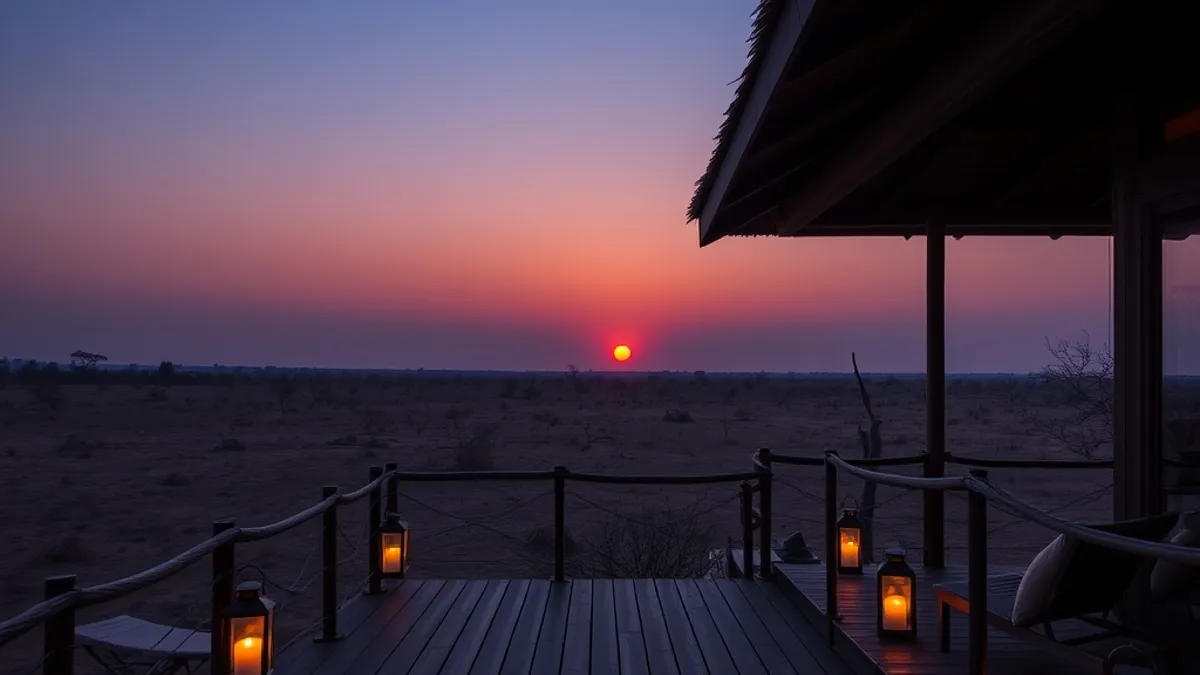
As the light softens, your guide will pick a scenic spot, often a viewpoint or riverbank, for the sundowner stop. This usually happens between 17:30 and 18:30, depending on the season and how far the drive has wandered. Drinks come out of the cooler, chairs face the horizon, and you watch the sun drop while the bush changes shift around you. It is a highlight for many guests, so bring your camera and a light jacket for when temperatures fall quickly after dark.
Into the night
After sunset, the drive continues into its night portion. Guides use handheld spotlights to sweep the bush for nocturnal species such as bushbabies, genets, owls and, if you are lucky, leopards or hyenas on the move. Red filters on the spotlights help reduce disturbance to the animals. The drive then winds back to camp, with dinner typically served around 19:30, closing out a full day in the bush.
How Seasons Shift Game Drive Schedules
Game drive schedules are not fixed year-round. Lodges shift their departure times with the seasons, mainly because sunrise and sunset move, and animal activity follows the light. The biggest change happens in winter, which in most safari regions runs from May to August.
During winter, mornings are cold and dark, and the sun rises later. Drives typically start around 06:30 to 07:00 instead of the earlier summer departure. Expect genuinely chilly open-vehicle mornings, especially once the vehicle starts moving. Dress in layers you can peel off as the day warms, and accept the blanket your guide offers. Most lodges keep a stack of thick blankets in the vehicle precisely for this.
The dry peak season and the green season
The dry peak season, from June to October, is when wildlife viewing is at its best. Water becomes scarce, so animals gather at rivers, waterholes and dams, often in large numbers. Because game is concentrated, the exact timing of your drive matters less. Even a mid-morning departure can produce excellent sightings, though lodges still stick to the dawn and dusk rhythm.
The green season, from November to March, tells a different story. Afternoon thunderstorms build through the day and can delay or shorten evening drives, so build some flexibility into your plans. Dawn drives, on the other hand, stay reliable, since rain usually arrives later in the day. Landscapes are lush, birding is superb, and newborn animals are everywhere, so do not write off this season. Just pack a light rain jacket and check with your lodge about how they handle weather interruptions.
Flexibility: Private Drives, Custom Times and Family Needs
Not every lodge runs its drives the same way, and this is where lodge type really matters. At smaller private lodges, the schedule is often shaped around the guests actually staying there. If you want to leave an hour later, skip a drive, or head out on a different route, the guide team can frequently accommodate it. Larger lodges and bigger operations usually run fixed group schedules instead, with set departure times and assigned seats on shared vehicles, so the whole camp moves in step.
Traveling with young children? Many private lodges will happily adjust for families. You can often request a later morning start so nobody has to wake a sleepy toddler at 05:00, or ask for a shorter drive of around 2 hours instead of the standard 3 to 4. Some lodges even offer dedicated family vehicles, so your group can come and go without worrying about other guests.
One thing to remember: vehicles and guides are rostered the day before. That means special timing requests need to be confirmed 24 to 48 hours in advance to actually happen.
- Private vehicles: At many private lodges you can book a vehicle for your group alone, which lets you linger at a leopard sighting or skip the coffee stop entirely without affecting other guests.
- Child-friendly guides: Some lodges assign guides who specialize in families, with shorter routes, kid-focused tracking stories and snack breaks built in.
- Same-day changes: Small adjustments, like trimming an evening drive short, can often be arranged with your guide directly, but full schedule changes belong in the 24 to 48 hour rostering window.
Booking Around the Schedule: What to Ask Before You Arrive
A little planning before you arrive makes the drive rhythm work in your favor rather than against you. The most important question is simple: are the drives shared or private? Shared drives mean set departure times, fixed seats and fellow travelers; private drives usually come with more room to shift timings. Ask whether departure times can move to suit your stay, especially if you have early flights, late arrivals or specific sightings on your wishlist.
Game drives are rarely the only activity on offer. Bush walks, spa treatments, mokoro trips and other experiences are usually slotted around the drives, so it pays to check how everything fits together. A massage booked at 16:00 could clash with the afternoon departure, and some activities can only run at particular times of day.
If you are arriving late in the day, do not wait until check-in to sort out your first drive. Request a next-morning drive at the time of booking to secure a seat on the vehicle.
- Vehicle capacity: Ask how many rows and guests each vehicle takes, since this affects seat rotation, window access and how easy it is to photograph from either side.
- Activity order: Confirm whether bush walks happen before or after drives, as walkers often head out at first light and then join brunch when the drive party returns.
- Arrival-day options: Some lodges can squeeze late arrivals onto an afternoon drive if you flag it when booking, rather than waiting for the next morning.
Planning Your Days Around the Drive Rhythm
Game drive schedules are built around the rhythm of the animals, not the clock on your bedside table. Mornings typically depart between 05:30 and 06:30 to catch predators before they settle in for the day, while afternoon drives set off in the mid-to-late afternoon to catch the second activity window and end with sundowners after sunset. Once you understand that pattern, the early wake-up knocks and long brunch gaps make sense.
Seasons also shape your days. Winter brings later starts, the June to October dry season is generally the most reliable window for sightings, and green season thunderstorms can shorten or delay afternoon drives. Flexibility varies too: private lodges often adjust departure times, but larger lodges run fixed group schedules, so confirm any special timing requests 24 to 48 hours ahead. If this guide helped you plan your safari days, leave a comment or share it with a fellow traveler.