Checking out of a safari or wilderness lodge often comes with a quiet moment of panic: should you tip, how much, in which currency, and does the cash go to individuals or a shared box? Unlike a city hotel, where a few dollars on the nightstand covers it, a lodge involves a whole team of people who shaped your stay. That uncertainty is exactly what this guide to lodge gratuities is here to solve.
We will explain why lodge tipping works differently from hotel tipping, give you practical daily ranges to budget, and break down who gets what, from guides and trackers to housekeepers and porters. You will also find advice on cash and currency, when to tip more or less, and basic etiquette so your thanks lands well. By the end, you will have a simple plan you can apply at checkout on your last morning.
Why Lodge Gratuities Work Differently from Hotel Tipping
At a city hotel, tipping is simple because the staff you meet are few: a porter, a housekeeper, maybe a concierge. At a lodge, the team behind your experience is far larger and far more visible. Guides and trackers spend hours finding wildlife for you, spotters scan the horizon from the front of the vehicle, chefs prepare three meals a day, and housekeepers and camp staff keep everything running quietly in the background. All of them shape your stay, and all of them are typically paid a base wage that assumes gratuities will make up part of their income.
Why so many lodges use a shared tip box
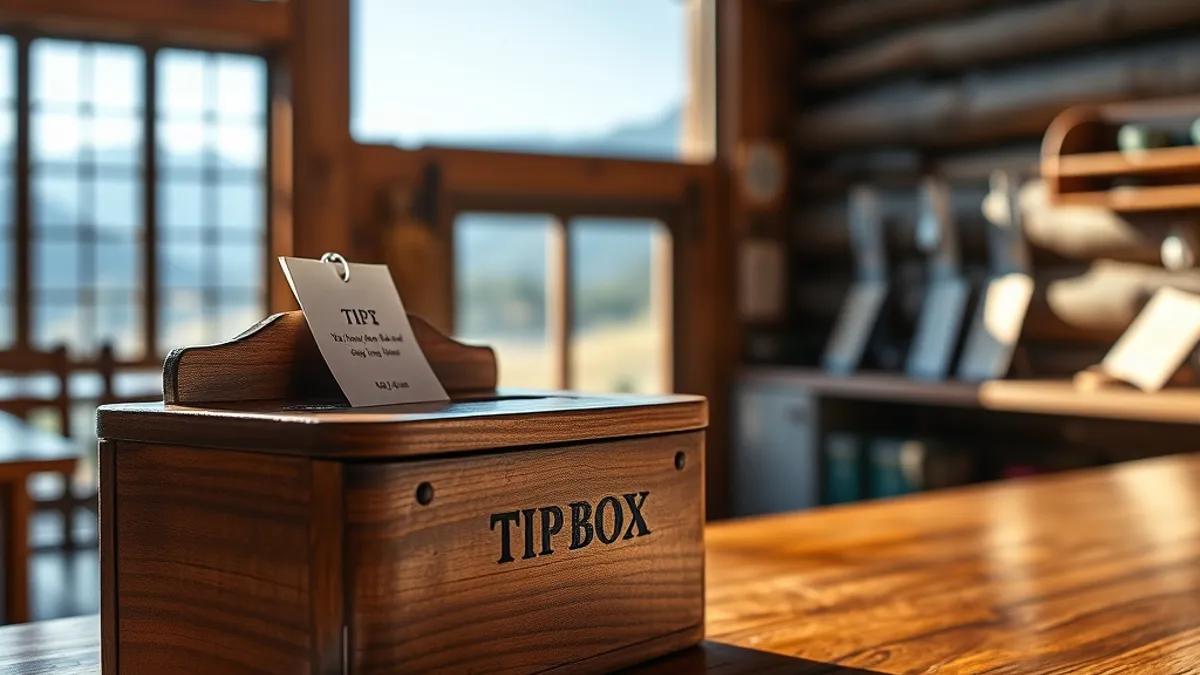
Because so much of the work happens out of sight, many lodges run a shared tip box. You drop in one amount at the end of your stay, and management distributes it across the whole team. This is how rewards reach the kitchen and laundry staff you never meet but absolutely rely on. If you prefer, you can still hand a personal tip to your guide in addition to the box.
Check for a service charge first
Some lodges add a service charge to your bill, often around 10-13%, and this charge may not reach the staff directly. Ask at booking, or at check-in, whether it is distributed to the team before you decide how much extra cash to give. If it is, you can tip less on top; if it is not, treat it as if it does not exist and budget your gratuities separately.
How Much to Tip: Daily Ranges for Lodge Gratuities
For a full-service safari or wilderness lodge, a comfortable all-in total is US$10-20 per guest per day. That covers everything: the guiding team, the shared staff box and the small day-to-day tips like porters and table service. Think of it as a daily budget rather than a single payment, so a four-night stay for two guests means setting aside somewhere between US$80 and US$160 in small bills.
Within that total, the usual split is roughly US$5-10 per day into the general staff box, plus US$10-20 per day to the guiding team on days you actually go out game-driving. On days without a drive, you can hold back the guiding portion and simply add a little more to the box. If you are comparing lodges for a trip, it can help to read reviews of similar properties, such as bluewater resorts in South Africa that pair safari elegance with coastal relaxation, to get a feel for the level of service you can expect.
The range also flexes with the style of lodge you have booked. Use these examples as a starting point:
- Full-service lodges with all meals and daily activities: stay at the top of the US$10-20 range, since the guiding and dining teams are working flat out for you every day.
- Lodges with activities included but meals separate: tip generously for the guiding team on activity days and lean on the tip box for the rest.
- Self-catering or room-only lodges: scale down considerably, since there is little service beyond housekeeping; a modest daily amount or a final lump in the tip box is usually enough.
Whatever you settle on, decide your daily figure early in the stay so you are not scrambling for cash on the last morning.
Who Gets What: Guides, Trackers, Housekeeping and Porters
Once you have a daily budget in mind, the next question is who actually receives the money. Lodge teams divide naturally into three groups: the guiding team you spend hours with, the housekeeping staff who look after your room, and everyone else, from porters to waiters, who is usually covered by the shared tip box. Each group is best tipped in a slightly different way, so it helps to sort your cash into small envelopes before you arrive.
Guides and trackers
These are the people who find the leopards, interpret the tracks and keep you safe in the bush, and they typically receive the largest share of your gratuity money, tipped individually at the end of your stay. Hand the guiding team their tip directly on your last game drive or at checkout, using the guiding-team portion of your daily budget described earlier. If a tracker or spotter worked alongside your guide, make sure the tip is for the whole team rather than just the person driving.
Housekeeping
Leave US$2-5 per day in the room, and ideally leave it daily rather than as one lump at the end. Room attendants often rotate, so a daily tip means the person who actually cleaned your room that day receives it. Placing the money somewhere obvious, such as on the pillow or by the basin, signals it is meant for the attendant.
Porters and waiters
For porters, US$1-2 per bag is a fair gesture, and small change works well for table service at meals. Beyond these small day-to-day tips, the shared tip box covers the rest of the team, so you do not need to tip every staff member you pass.
- Combine personal and shared tips: a personal tip to your guide plus a contribution to the box ensures both visible and invisible staff are rewarded.
- Hand guiding tips in private: give the guiding team their tip discreetly, ideally in an envelope, so no one feels overlooked.
- Adjust for group size: if you travel as a family or small group, calculate per guest rather than per booking, since several staff may have served you collectively.
Cash, Currency and the Tip Box: Practical Logistics
Tipping at a safari or wilderness lodge is a cash transaction in almost every case. Unlike a city hotel, you will rarely find a card option, and ATMs can be hours away from remote camps, so a little preparation before you travel makes the whole thing painless on your last morning. Here is how to get your tip money ready before you even pack your bags.
- Withdraw and exchange before you arrive. Bring small bills in US dollars, euros or the local currency of the country you are visiting. Small denominations matter because you will be splitting tips between the staff box, your guide and housekeeping rather than handing everything to one person.
- Check your USD notes. If you carry US dollars, notes printed 2013 or newer are widely accepted across much of Africa. Older or heavily worn bills are often refused at banks and lodges alike, so request fresh notes from your bank at home and inspect them before you leave.
- Set the money aside during your stay. Keep your tip cash separate from your spending money, perhaps in a separate envelope for each staff group. That way you will not be scrambling on the final morning or accidentally dipping into funds meant for the team.
- Tip at the end of the stay. The usual moment is checkout on the last morning, when you settle any extras on your bill and hand over gratuities in cash. Card tips are rarely possible, so do not count on simply adding a gratuity to your final invoice.
- Ask reception how the system works. Some lodges collect everything in one shared box that is split among all staff, while others expect tips handed directly to individuals. Ask once at the start of your stay, then follow the lodge’s own system rather than guessing.
A few minutes of planning covers it. With the right bills in hand and a clear sense of the lodge’s preference, tipping becomes a relaxed goodbye rather than an awkward scramble before your transfer arrives.
When to Tip More or Less: Service, Season and Stay Length
The daily ranges in this guide are a starting point, not a rule, and your own stay is the best measure of where you should land within them. A few simple adjustments based on service quality and trip length will keep your tipping fair to both you and the staff.
When to tip at the top of the range
Exceptional guiding deserves exceptional recognition. If your guide found a leopard on a dawn drive, explained animal behavior with real patience or reshaped the itinerary around your interests, the upper end of the suggested range or above is entirely appropriate. A private itinerary, where the guide is dedicated solely to you for the whole stay, also justifies the higher end since the attention you receive is significantly greater.
Trust your own judgment here. A rare sighting that you will remember for years, or a tracker whose sharp eyes made it possible, is exactly the kind of moment the top of the range was designed for.
Adjusting for the length of your stay
Short stays of two or three nights can carry a slightly higher daily rate, simply because the total stays small even at an elevated figure. If the team delivered a memorable experience, tipping generously over a brief visit costs you little in absolute terms.
Long stays of a week or more work the other way. Settle at the middle of the range and keep it consistent from day to day. Consistency matters more than a big final lump, because steady daily tips for housekeeping and steady recognition for the guiding team add up to a fair total without straining your budget. Whatever you decide, decide it early so you are not recalculating in the lobby at checkout.
Tipping Etiquette at Safari and Wilderness Lodges
How you give a tip matters almost as much as the amount. At a safari lodge, staff live and work together as a close team, and gratuities are handled with a quiet, personal touch rather than the hurried transactions of a city hotel.
Discretion and timing
Hand tips discreetly and with a thank-you. Fold the notes, pass them with your right hand or both hands where local custom calls for it, and keep the moment brief. A personal word to your guide means as much as the note itself; telling them which sighting or story you will remember most turns a transaction into a genuine farewell.
Timing is the one hard rule. Never tip during a game drive or any other activity. Attention in a vehicle needs to stay on wildlife and safety, and reaching for an envelope mid-drive breaks concentration. Wait until the drive or walk ends, then tip at the lodge, ideally at checkout on the last morning.
If the service falls short
Tipping below the range is acceptable when service was poor. There is no obligation to hit a minimum, and an honest tip reflects what you actually experienced. That said, separate small issues from the overall effort: a cold shower on one morning is not the housekeeper’s fault, while consistent indifference from the guiding team is a fair reason to adjust downward.
If you are still planning the trip itself, choosing a lodge with a calm, personal atmosphere often shapes the whole experience, as described in this piece on homesteads near safari country with a spacious sense of calm. Wherever you stay, a thoughtful, well-timed tip is one of the simplest ways to close your stay well.
Wrapping Up Your Lodge Gratuity Plan
If you have reached the end of a lodge stay wondering whether to tip, how much, and in what form, the short answer is this: budget a comfortable all-in figure in the range of ten to twenty US dollars for each guest, each day, and divide it between the guiding team and the general staff box. Carry small bills in US dollars, euros or local currency, and hand over your tips at checkout on the last morning rather than scattering them throughout your stay.
Before you do anything, ask whether a service charge already appears on your bill, then adjust your cash tips accordingly so staff are not shortchanged. With a rough budget set and small notes in your pocket, the whole process takes five minutes at checkout. If you found this guide helpful, leave a comment with your own lodge tipping experience or share the article with a fellow traveler.