Many first-time safari guests share the same quiet worry: they will be the one who talks too loudly, arrives late, or swings a camera in a way that scares off the very animals everyone came to see. If that sounds familiar, take a breath. A few simple habits, known collectively as lodge hide etiquette, will keep you comfortable and welcome in any shared viewing space.
This guide walks you through the essentials, one step at a time. We start with why lodge hide etiquette shapes your whole safari, then cover silence rules inside the hide, how to time your sessions around dawn and dusk activity, and the camera rules that keep animals relaxed. From there, we look at sharing the space with other guests, choosing lodges where hide etiquette comes naturally, and the quiet reward of doing it right. By the end, you will step into your first hide feeling prepared instead of nervous.
Why Lodge Hide Etiquette Shapes Your Whole Safari
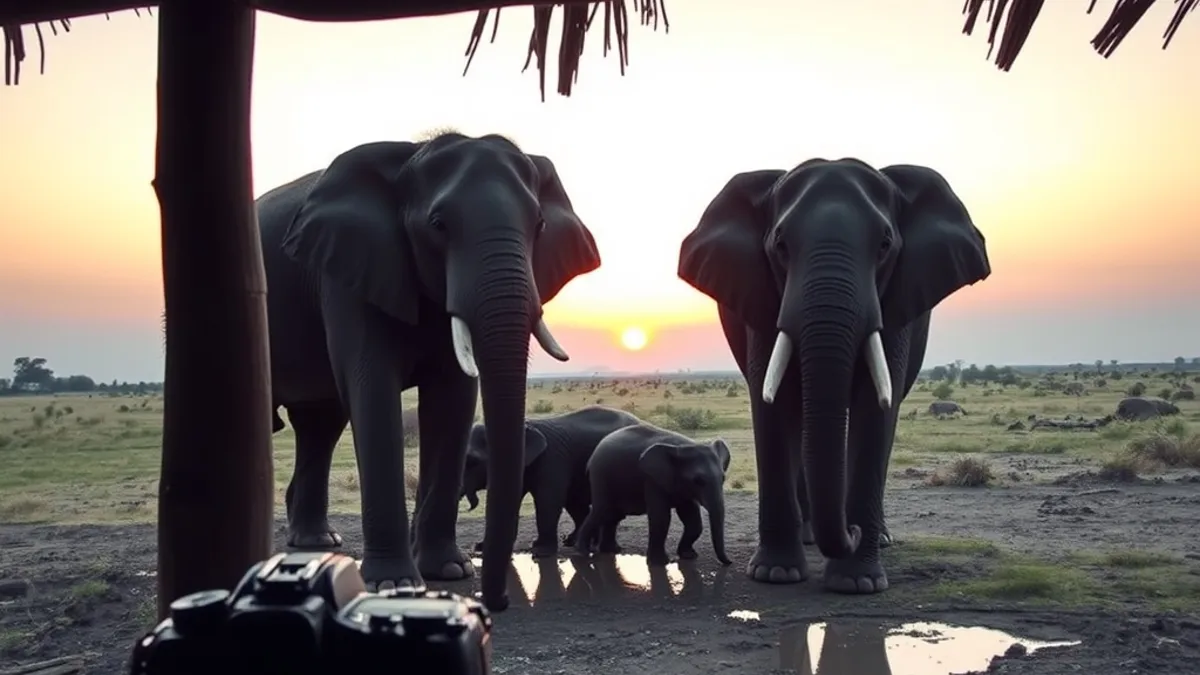
A hide is one of the most exciting places on any safari, and also one of the most fragile when it comes to atmosphere. Unlike an open vehicle, a hide is a shared, enclosed space where sound bounces off walls and every movement is visible to the animals outside. One loud guest can flush a herd of elephants or a leopard away from the waterhole, and everyone in the hide loses the sighting in a matter of seconds.
The good news is that lodge hide etiquette is not complicated. It rests on three pillars: sound discipline, timing around animal activity, and camera behavior. Master those three and you will blend into the background, exactly where the wildlife wants you.
Why the Effort Pays Off
Guests who follow the rules typically see 2-3 times more wildlife per session than noisy groups. Animals that would normally retreat stay at the waterhole, drink, hunt, and interact while you watch from a few meters away. The quietest person in the hide is almost always the one with the best sightings and the best photos at the end of the day.
Silence Rules Inside the Hide
Silence is the foundation of every good hide session. Keep conversation to a whisper, and save your questions for the drive back to camp, where a guide can answer them properly without disturbing a sighting. Most lodges ask that voices stay at a whisper, roughly under 30 decibels, which is about the volume of rustling leaves. If you need to communicate with your travel companions, a hand gesture or a whispered single word works better than a full sentence. Sound carries surprisingly far inside an enclosed hide, especially over water, so assume anything above a murmur is audible to the animals you came to watch.
Your phone deserves special attention. Silence it completely before you step inside, because vibration on wooden railings carries further than you expect. Double-check that alarms, message previews, and keyboard clicks are all switched off, not just the ringer. A glowing screen is another giveaway, so dim your brightness if you must glance at it. Movement matters just as much as noise, so settle into your seat early and stay settled for the whole session.
- Watch the floor. Chairs and tripod legs scraping against wooden boards send vibrations straight through the hide structure, so lift rather than drag anything you need to reposition.
- Read your guide’s signals. If a guide raises a hand, freeze exactly where you are and stay silent until the animal moves off; that single gesture can save a sighting for the whole hide.
- Unpack before animals appear. Rummaging through a camera bag mid-sighting creates exactly the rustle and movement that breaks the calm, so get your gear ready during the first quiet minutes.
Timing Your Hide Sessions Around Animal Activity
Timing is the second pillar of hide etiquette, and it starts before you even reach the hide. Most lodges ask guests to arrive 10-15 minutes before dawn or dusk sessions, when movement at waterholes peaks. Getting there early means you are settled, silent, and ready before the first animals approach, instead of tramping in mid-sighting.
Working Around Game Drives
Morning game drives typically depart between 5:30 and 6:30 am, before the heat sets in, so be packed and seated 10 minutes early. Afternoon drives usually leave around 3:30 to 4:30 pm and return by 6:30 pm. Plan your hide time around those windows, either in the early morning before the drive or in the late afternoon after you get back, when dusk activity picks up again.
Commit to the Window
Once inside, resist the urge to dip in and out. Silence windows at hides commonly run 30 to 45 minutes at a time, and every arrival or departure resets the animals’ comfort level. Sit down, settle in, and give the waterhole your full, patient attention for the whole window. The sightings that matter most tend to happen in the minutes after everything goes still.
Camera Rules Every Guest Should Follow
Camera behavior inside a hide matters just as much as silence. A single flash can startle a drinking elephant or disorient a leopard at dusk, and it instantly breaks the calm that brought the animals in close. Flash photography is banned in hides and after dark on drives, so switch it off before you even step through the door and double-check that your popup flash is disabled.
The good news is that you rarely need to move at all to get a strong shot. A telephoto lens in the 200-400mm range lets you shoot comfortably from your seat, which keeps your silhouette inside the hide and your movement to a minimum. Leaning out of viewing slits or standing up mid-sighting is exactly what makes animals wary, so settle in and let the lens do the work.
Sound discipline extends to your gear. Mirrorless cameras make this easy, but even DSLR shooters can soften the experience with a little preparation.
- Switch to silent or electronic shutter mode before the session starts, since a burst of mechanical shutter clicks echoes off wooden walls when a herd suddenly arrives.
- Pre-set your exposure and autofocus settings while waiting, so you are not fumbling with buttons and beeping menus at the critical moment.
- Keep your phone flat and face-down in a pocket or bag, because even a raised screen to frame a photo reads as movement to both animals and fellow guests.
- Never hold a phone or camera above the hide wall for a better angle; it defeats the purpose of the hide and can spook wildlife that has learned to trust the structure.
Sharing the Space With Other Guests
A hide is a shared space, and the guests who get the most out of it are the ones who treat it that way. The simplest habit is rotation: every few minutes, quietly shift along so the person next to you gets a clear line of sight through the viewing slits. A cheetah at a waterhole may only stay ten minutes, and nobody wants to spend that entire window staring at the back of someone’s camera strap.
Keep your gear in check
Equipment sprawl is the most common friction point in a busy hide. Keep everything within your own footprint: bags belong on the floor beside your chair, not on shared ledges or windowsills where they block someone else’s lens. If you are swapping lenses, do it low and slowly rather than mid-air over a neighbor’s shoulder.
Plan before the action starts
The best time to sort out seating is before any animal appears. Agree quietly with your travel partners on who sits where, who shoots wide and who shoots tight, and how you will rotate. Once a sighting begins, even whispered negotiations create movement and distraction. A group that has already settled its logistics can sit still, stay silent, and simply watch the show unfold.
These small courtesies compound. When everyone in the hide moves less, the animals linger longer, and every guest gets more time with the wildlife they came to see.
Choosing Lodges Where Hide Etiquette Comes Naturally
The lodge you choose shapes how easy good hide etiquette feels. Properties that run guided hide sessions with small guest-to-guide ratios tend to enforce quiet naturally, because a guide in the room sets the tone without anyone needing to shush a stranger. When you compare lodges, ask whether hides are hosted and how many guests share a session at peak times.
Location rewards patience
Not every hide is equal. Properties positioned near permanent waterholes with resident elephants, or in territories frequented by big cats, reward silent, patient guests most. These animals return to reliable water sources regularly, so a quiet 30 to 45 minute wait often pays off with repeated sightings rather than a single fleeting one.
Where the culture runs deep
Certain regions have built their safari reputation around disciplined, low-traffic hide culture. Botswana’s private concessions limit vehicle numbers and visitor density, which keeps hides calm and uncrowded, and you can read more about that style of travel in Botswana resorts built around safari serenity and beautifully paced comfort. South Africa’s private reserves follow a similar philosophy, with strict concession rules that favor small groups and long, quiet sightings over crowded game viewing.
Whichever destination you choose, look for lodges that mention their hide programs specifically and cap group sizes. The difference between a hide with six disciplined guests and one with twenty restless ones is the difference between a productive session and a wasted morning.
The Quiet Reward of Doing It Right
If you opened this guide worried that you might accidentally spoil the wilderness mood for others, here is the reassurance: it takes very little to get it right. Good lodge hide etiquette comes down to whisper-quiet voices, punctual timing, and flash-free cameras. Master those three habits and you will never be the guest who flushes a herd away from a waterhole.
The payoff is real. Guests who respect silence windows and shared viewing slits see more animals and leave a lighter footprint, and every hide session becomes the calm highlight of your safari day. Sit still, stay quiet, and let the bush come to you. If this guide helped you prepare for your first safari, leave a comment or share it with a fellow traveler.