Most travelers plan a safari around two labels: high season and low season. But those labels hide far more than they reveal. Rain patterns, animal migration and pricing windows interact in ways that make the calendar far more nuanced, and the difference between booking well and booking badly can be a matter of weeks. Understanding lodge seasons properly means looking at rain, not just rates.
This article unpacks why the simple two-season model fails, what green season actually delivers, and how migration timing shapes the most demanded weeks of the year. It also explains how rates move through the year, which windows suit which travel styles, and how to build a booking strategy across the full calendar. By the end, you should be able to read the year as four usable windows instead of two, and choose the one that matches your priorities rather than the crowd’s.
Why the Two-Season Model Fails for Lodge Seasons
Ask most people when to go on safari and you will hear “high season” or “low season.” That binary hides at least four distinct windows: the dry peak, a short-rains shoulder, a long-rains green season and a migration peak. Each one delivers a different experience, and each one is priced differently. Treating them as one “high” and one “low” means you can easily book the wrong month for what you actually want.
Rain drives everything
Across safari regions, rain, not temperature, is the real driver of both wildlife movement and lodge pricing. Animals follow water and fresh grass, herds move, predators follow, and lodges adjust their rates to match demand. A month that is comfortably warm can still be a poor game-viewing month if the rains have scattered the animals, while a cooler month with dry conditions can be outstanding.
This is why the same lodge can offer three different experiences at three different prices within a single year. In the dry peak you get concentrated game and full services at top rates. In the green season you get lush landscapes, dramatic skies and lower prices, with some trade-offs in track conditions. In the shoulder months you often get a blend of both. The lodge itself has not changed; the season has.
Rain Seasons and What Green Season Actually Delivers
Green season is not one thing. It covers two rainy periods that behave very differently, and understanding the split is what separates a smart booking from a disappointing one.
The short rains: November to December
The short rains typically fall from November to December. They usually arrive as afternoon storms rather than all-day downpours, which means mornings are often clear and productive for game drives. Because this window sits outside the peak calendar, you will share the bush with noticeably fewer vehicles. It is also a time of renewal: newborn animals appear on the plains, which in turn draws predators and creates some of the most moving sightings of the year.
The long rains: March to May
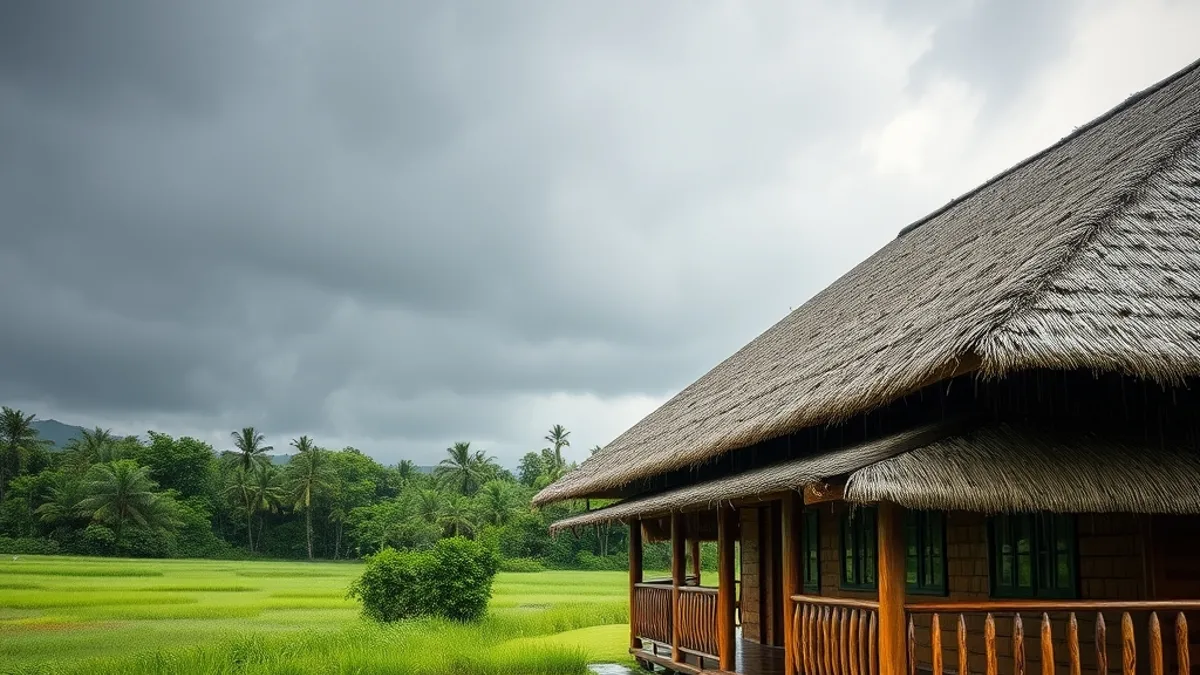
The long rains from March to May are a bigger commitment. Some camps close entirely during this period, and tracks can become difficult. The compensation is price: rates commonly drop 30-50% compared with high season, and the landscapes turn lush, green and exceptionally photogenic. Storm light, rain-washed air and full waterholes make for images you simply cannot capture in the dry months.
Who is green season actually for? Photographers and repeat visitors, more than first-timers. If you have never been on safari and your heart is set on the big, reliable sightings, the rain risk and occasional closures can frustrate. But if you have already done a dry-season trip, or your goal is atmosphere and imagery over checklist game viewing, green season can be the most rewarding window of the year.
Migration Timing and the Peak Wildlife Window
If rain shapes the calendar, migration shapes its most expensive weeks. Knowing where the herds are, and when, tells you both where to book and what you will pay.
River crossings: July to September
The Great Migration river crossings in the Masai Mara usually peak from July to September, when the herds negotiate the Mara River. These are the most demanded lodge weeks of the year, and for good reason: the crossings are dramatic, unpredictable and unlike anything else in African wildlife. The trade-off is crowds and rates at the very top of the scale, so lodges in this window need to be booked far in advance.
Calving season: January to February
A quieter but equally compelling window is calving season on the southern Serengeti plains, which falls in January to February. Thousands of wildebeest and zebra drop their young in a short span, and predators take full advantage. You get intense predator action with thinner crowds than the Mara peak, and often at friendlier rates.
Finally, the dry season itself matters beyond the migration. From June to October, dry conditions concentrate game at permanent water sources across most parks, easing sightings even where the herds are not present. Visibility improves as vegetation thins, animals gather at predictable spots, and this is precisely why the dry high season in most East African safari areas runs June to October and commands the rates it does.
How Rates Move Through the Lodge Seasons
Lodge pricing does not move in a smooth line from low to high. It jumps in steps that mirror the wildlife calendar, and understanding those steps is the difference between paying peak prices and paying for the experience you actually want. The very top of the scale belongs to the dry high season from June to October, and above it sit the migration weeks in the Masai Mara, when river crossings draw the heaviest demand of the year.
These top-tier weeks command a visible premium, and the most sought-after tents inside the best camps are often the first to fill. If you have your heart set on a specific unit during peak river-crossing weeks, waiting until the year of travel is a gamble you will usually lose.
The months on either side of peak often deliver nearly the same experience for noticeably less money. June and October sit at the edges of the dry season, so game viewing stays strong while rates frequently soften compared to the July-to-September core. The deepest discounts arrive with the green season, when many lodges cut rates sharply to offset the risk of rain and muddy tracks.
- Peak-week premiums apply per night, not per trip. A four-night stay that straddles the end of migration season can cost far less than one that starts a week earlier, so shifting your dates by a few days can reshape the entire budget.
- Shoulder-month savings compound across a longer stay. A ten-night itinerary built around June and October edges costs meaningfully less than the same trip compressed into July or August, with little loss in sightings.
- Green-season discounts come with conditions attached. The reduction is compensation for rain risk, occasional flooded tracks and the chance that a camp closes entirely, so read cancellation terms carefully before committing.
- Some lodges price by room category rather than season alone. Upgrading to a better tent or suite can be cheaper in shoulder months than booking an entry-level unit at peak, effectively giving you a higher-tier room for less money.
Matching Lodge Seasons to Your Travel Style
There is no single best lodge season, only the best season for the way you travel. A first-time visitor, a serious photographer and a couple celebrating a honeymoon want three different things from the same bush, and each of them should book a different window of the year.
If this is your first safari, certainty matters more than savings. Dry-season travel from June to October offers thin vegetation, concentrated game and reliable road access, which means your first encounters with elephants, lions and leopard are far less likely to be spoiled by weather. Yes, you will pay peak rates, but the experience you came for is the one you are most likely to get. If your trip also includes coastal time, pairing the safari with a stay at one of the elegant bluewater resorts in South Africa works beautifully alongside a dry-season bush itinerary.
Photographers, on the other hand, often get more from the green season. Storm light, dramatic skies, saturated colors and newborn animals make for richer images than the hazy dust of late dry season, and the steep rate drop leaves room in the budget for extra nights or a longer lens rental. Honeymooners and privacy seekers do best in the shoulder months of June and October, when camps are quieter, guides have more time for each guest and pricing softens without sacrificing game viewing.
- First-timers should build in a buffer night on arrival. Scheduled bush flights can be delayed by weather, so arriving the day before your first game activity protects the sighting you paid peak rates for.
- Photographers should ask about private vehicles. In green season, some camps offer dedicated photography vehicles or reduced vehicle numbers, which matters far more than a slightly lower rate.
- Honeymooners can request camp placement, not just dates. Smaller camps with fewer tents deliver a more intimate feel, and in shoulder months these intimate options are easier to secure than in July or August.
- Repeat visitors gain the most from green season. If you have already seen the Big Five, chasing newborns and dramatic skies makes more sense than repeating dry-season sightings at higher cost.
Booking Strategy Across the Lodge Seasons Calendar
Booking well across the lodge calendar is mostly about matching your lead time to the season you want. The weeks everyone wants require the earliest commitment, while the weeks everyone avoids can often be arranged at short notice. That sounds simple, but in practice most travelers book the wrong way around: they pick dates first and only then discover that their preferred camp sold out months ago, or that they have paid peak rates for a week that did not need them. Work through the steps below in order, and you avoid both mistakes.
- Fix your priority window first. Decide whether you are chasing migration crossings, calving season, dry-season certainty or green-season value, because your priority determines every later decision, including how far ahead you must book. A photographer hunting dramatic skies plans very differently from a first-timer who wants reliable big-cat sightings.
- Lock migration-peak lodges as early as possible. The best camps in the Masai Mara for July to September crossings fill their top units early, so treat these bookings the way you would treat a wedding venue, not a hotel room. If you have a specific tent or guide in mind, ask about it when you enquire rather than after you pay.
- Hold green-season dates for later. Camps operating during the wettest months of the year can often be booked 2-3 months out, and last-minute flexibility sometimes earns you an even better unit at the discounted rate. This is one of the few areas in safari travel where procrastination can genuinely pay off.
- Interrogate wet-season logistics before committing. Ask each lodge directly about camp closures, flooded tracks and any areas that become unreachable, and get answers in writing so you know exactly what your discounted rate includes. A low rate means little if the camp you booked sits closed or the game-drive circuits you counted on are under water.
- Split your itinerary across two seasons. Build a core stay in peak or shoulder season for the sightings that matter most, then extend into a shoulder month like June or October to soften the average nightly cost while keeping game viewing strong. Even a two-night extension in a cheaper window can noticeably reduce your total spend.
- Confirm cancellation and deposit terms per season. Peak-season bookings often carry stricter deposit schedules than green-season ones, so check what you owe and when before you sign anything. Ask specifically what happens if your camp closes or a track washes out, and whether you would be moved, refunded or rebooked.
Follow this sequence and the calendar starts working for you instead of against you. Early commitment secures the weeks that cannot be recovered, while flexible green-season plans stay cheap and easy to arrange. The result is an itinerary where every night is booked at the right lead time for the right reason, and no part of your trip depends on luck you never planned for.
Reading the Year as Four Lodge Seasons
Most travelers arrive planning around two seasons: high and low. But once you look at rain patterns, migration movement and rate swings together, the safari calendar splits into four usable windows rather than two. The dry peak rewards certainty, the green season rewards flexibility, and the shoulder months balance both.
That means the right question is not “when is high season?” but “which window matches my priorities?” Choosing the window that fits your travel style matters more than chasing the lowest or highest rate. If this helped you rethink your safari timing, leave a comment or share the article with a fellow traveler.