You’ve found the perfect resort, picked your dates, and then you see it: two villas that look almost identical in the photos, yet one costs 40-80% more than the other. The difference? One faces the ocean and one faces the garden. This is the classic dilemma of ocean-view vs garden-view villas, and it trips up travelers at every budget level.
The honest answer is that the view premium is sometimes worth every dollar and sometimes pure waste, depending on how you actually spend your days. In this article, we’ll break down what that premium really buys you, when an ocean view earns its price, when a garden villa is the smarter pick, and how to compare villa categories beyond the marketing labels. We’ll also look at where the price gap is widest, share booking tactics that cut the premium, and give you a simple framework for choosing with confidence.
What the View Premium Actually Buys
At the same resort, ocean-view villas typically run 30-80% above comparable garden-view rates, and the gap is widest during peak season when everyone wants the same handful of front-row rooms. That’s not a small surcharge — it can mean the difference between a five-night stay and a ten-night stay for the same budget.
So what are you actually paying for? More than a window. Ocean-view categories usually bundle in unobstructed horizons, larger terraces, often a private plunge pool, and heavier privacy screening so neighboring villas can’t see onto your deck. The view is the headline, but the terrace package around it is where much of the value sits.
What garden villas give up — and gain
Garden villas trade the panorama for practicality. For the same budget, they usually offer 10-30% more interior space, which matters if you’re traveling with luggage, kids or a work setup. They also tend to sit closer to the resort’s shared facilities — pools, restaurants and spas — simply because they’re built on the central, inland part of the property rather than stretched along the shoreline.
Understanding this trade-off is the foundation for every decision that follows. The question isn’t which villa is better; it’s which package of space, privacy and panorama matches the way you travel.
When the Ocean View Is Worth the Money
Some trips are built around the terrace. If you’re planning a honeymoon-style escape where the two of you will spend slow mornings with coffee and long evenings watching the light change, sunset-facing and overwater layouts justify their premium more easily than any other category. When the terrace is effectively your living room, the view stops being a nice extra and becomes the main feature you’re renting.
Book early in peak season
Timing matters as much as category. In the December-March peak season, ocean-view villas are the first to sell out, and the last ones available tend to sit at the very top of the price range. Booking 4-6 months ahead gives you the best chance of securing an ocean view at a mid-range rate instead of paying a last-minute premium for whatever is left. This is especially true at small island resorts with a limited number of water-facing villas, where a sold-out category rarely reopens.
When the sea is the destination
There’s also the question of where you are. In destinations where the water itself is the main attraction — the Maldives and the Seychelles are the classic examples — skimping on the view means missing the point of the trip. In the Maldives, an overwater villa puts you directly above the lagoon, and the panorama is inseparable from the experience. For a closer look at how those properties frame the horizon, see this guide to Maldives overlooks floating between water, sky, and privacy. If the ocean is why you booked the destination in the first place, paying for the view over interior size is usually money well spent.
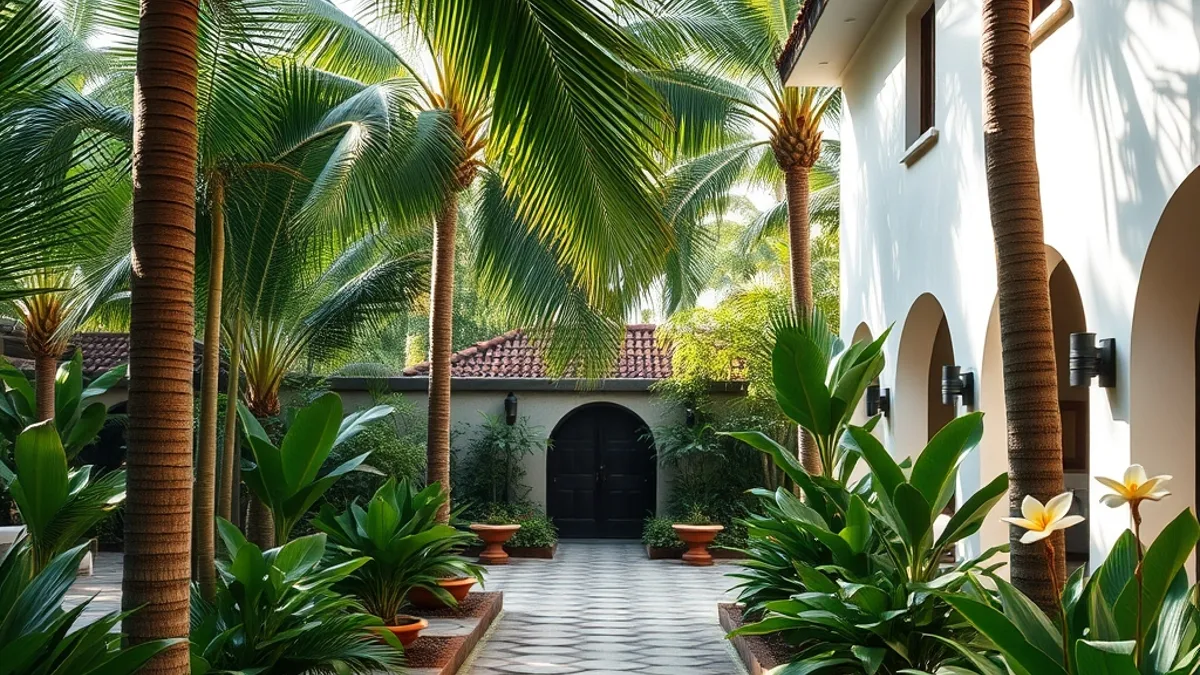
When a Garden Villa Is the Smarter Choice
Now flip the picture. If your days are packed with excursions, dive trips or long lunches at the beach club, you’ll be out of the villa from morning until late afternoon. In that case, a view you only see at dawn and dusk delivers very little value — you’re essentially paying a premium for a room you use to sleep and shower. A garden villa at the same resort covers those needs at a noticeably lower rate.
Shoulder months change the math in an interesting way. In May-June and October-November, the price gap between the two categories often narrows to 20-30%, but the space advantage of garden villas stays constant year-round. That means in quieter months, garden villas become an even better deal: the discount shrinks, but the extra square meters don’t.
Families, in particular, tend to gravitate toward garden villas, and for good reasons beyond price:
- Direct lawn access. Ground-floor garden villas often open straight onto grass, so kids can run outside while parents stay on the terrace, with no stairs or railings to worry about.
- Shorter walks to breakfast. With little ones in tow, a restaurant that’s a two-minute stroll instead of a ten-minute trek (or a shuttle ride) genuinely changes the daily routine.
- Close to the pool. Garden villas commonly sit just 50-150 meters from shared pools, close enough for quick dip-and-return cycles with sandy, sunscreen-covered kids.
If any of these describe your trip, the ocean-view premium is money better spent elsewhere — on extra nights, a better room category for space, or experiences outside the resort.
How to Compare Villas Beyond the View Label
The word “ocean view” on a booking page covers a lot of ground, from a sweeping horizon over an empty lagoon to a sliver of blue glimpsed between two palm trunks. Before you pay a premium, treat the view label as a claim that needs verification, not a guarantee. Resorts are generally honest, but the category names are broad, and the difference between “ocean view” and “partial ocean view” can be the entire price of your upgrade.
Start with the two details that photos hide most often: floor level and orientation. A ground-floor villa facing the sea may sit behind dense landscaping, while an upper-floor room on the opposite wing could have a far wider angle over the water. Ask the resort directly which wing the category is in and whether anything stands between the terrace and the shoreline.
Then compare the villas themselves, not just the view. Many garden categories include more interior space and a larger terrace, which matters if you travel with kids or luggage. Use this checklist when you compare:
- View location: confirm whether the ocean is visible from the bed, the plunge pool or only a corner of the balcony, since marketing photos usually show the single best angle.
- Square meters: ask for the interior size of both categories; if the garden villa is bigger, decide which you value more before booking.
- Terrace and privacy: check whether the ocean villa’s deck is screened from neighbors or overlooked by the units above it.
- Floor and distance: note whether the ocean villa is on an upper level or hillside, which can add walking or shuttle time to the beach and breakfast.
Where the View Gap Is Biggest and Smallest
The same “ocean view” premium can mean very different things depending on how a resort is built. Geography, not marketing, is what drives the surcharge, and understanding a property’s layout tells you whether paying for the view is steep or surprisingly modest.
Where the premium is steepest
Cliffside and hillside resorts show the widest gaps. Ocean-facing villas there occupy a limited footprint on the slopes, so supply is genuinely scarce, and scarcity shows up in the rate. Some travelers find the trade-off fair: a property like a villa retreat tucked into greenery with endless ocean views delivers an experience a garden room simply cannot match. Just remember that upper-floor or hillside ocean villas may add 10-15 minutes of walking or shuttle time to every trip down to the beach.
Where the gap stays narrower
Flat beachfront compounds work differently. When a property stretches along level ground with dense garden zones behind the shore, many rooms share roughly the same horizon, and the difference between categories shrinks. A garden villa a few rows back can still catch the sunset from its terrace, so paying a large premium for “the view” buys less of a real change.
Lake and mountain destinations follow the same logic. Water-facing rooms in lakeside lodges and peak-facing rooms in mountain resorts carry a similar hillside premium: the facing units are limited, the rest of the property fills in behind them, and the rate structure mirrors what you find on the coast. Check how the specific property is laid out before assuming the surcharge will match what you saw elsewhere.
Booking Tactics to Cut the View Premium
The view premium is not fixed, and timing plus a little negotiation can shrink it significantly. Resorts price ocean-view villas by demand: rates climb as inventory fills, then soften when unsold rooms risk sitting empty. That rhythm creates openings for travelers who plan around it, and none of the tactics below requires loyalty points, connections or inside knowledge.
- Book well ahead of peak season. Reserving far in advance is the most reliable way to lock in an ocean-view villa before demand closes out the cheaper inventory and leaves only the top of the price range. If you know your travel dates early, commit then rather than waiting for a discount that may never appear.
- Ask about upgrade-at-check-in deals in shoulder months. During May-June and October-November, unsold ocean villas sometimes move for around 20-30% above garden rates. Arrive, ask politely at the desk, and be ready to decide on the spot — hesitation usually means the room goes to someone else.
- Split the stay. Book one or two nights in an ocean villa for the full experience — sunrise coffee, a swim-out evening, the photos you came for — then move to a garden villa for the rest of the trip, where you get more interior space and a lower nightly rate.
Combine the early booking with either of the other two tactics and you can often capture most of the ocean-view experience while keeping the total bill much closer to a garden-villa budget. The split-stay approach works especially well on longer trips, since a single memorable night with the horizon outside your bed is usually enough to satisfy the urge. If a specific property is on your list, it never hurts to email ahead and ask how they handle upgrades — policies vary widely between resorts, and some will note your request on the reservation even if they cannot promise anything.
Choosing Between the Two With Confidence
So why can two villas at the same resort differ by 40-80% in price? The answer is that the ocean-view premium, which typically runs 30-80% above garden rates, buys more than a window: it buys unobstructed horizons, bigger terraces, plunge pools and privacy. That premium peaks in December-March, while garden villas quietly hold a 10-30% space advantage year-round.
The decision comes down to how you actually use the villa. Terrace-centric trips, like honeymoons, favor ocean views, while excursion-heavy itineraries and family trips favor gardens. If you want the best of both, booking 4-6 months ahead and splitting your stay between categories are the two levers that shrink the price gap most reliably. If this helped you decide, leave a comment or share the article with a fellow traveler.