You booked the luxury tent with the panoramic deck and the king-size bed, then arrived to find no wall sockets, no Wi-Fi and no fridge. That discovery changes the whole rhythm of a trip, and for unprepared travelers it can turn a dream stay into a frustrating one. This is exactly what off-grid glamping involves, and knowing what to expect before you go makes all the difference.
This guide walks you through what off-grid glamping actually means, how to handle power, charging and lighting without sockets, and how to plan meals with limited refrigeration. We also cover bathrooms and daily comfort, the best times to go and how far ahead to book, plus how to choose a site that matches your experience level. By the end, you will know whether switching off for a few nights sounds like your kind of trip.
What Off-Grid Glamping Actually Means
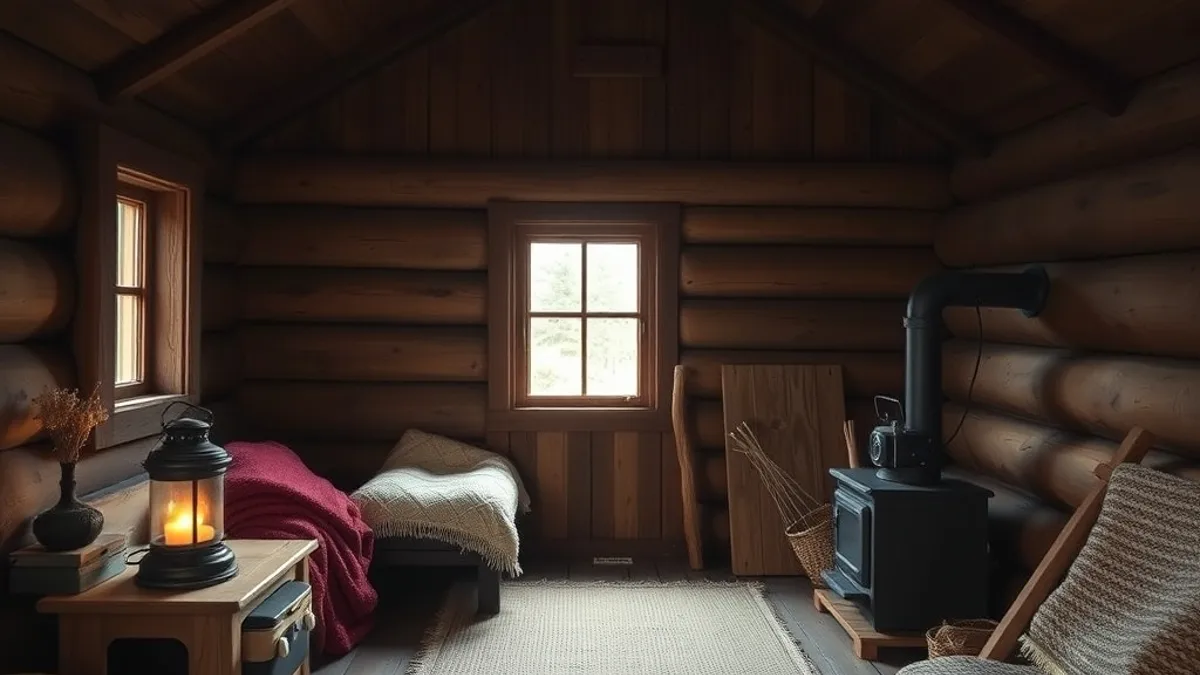
Off-grid glamping means the site is not connected to the main power grid. There are no wall sockets in your tent or cabin, and lighting comes from solar fixtures, battery lanterns or gas lamps. That changes how you move around after dark, but it does not mean roughing it in the way camping usually does.
Connectivity is the second surprise. There is no Wi-Fi, and phone signal is often weak or absent, so your navigation, messaging and entertainment all need to work offline. Download maps and playlists before you leave home, and let people know you may be unreachable for a few days.
Comfort is still part of the deal
The “glamping” half of the name is real. Standard setups include proper beds with quality linens, wood stoves for heat, and often hot outdoor showers. You are trading sockets and screens, not mattresses and warmth.
Infrastructure works differently, too. Water and waste are typically managed with tanks, composting toilets or shared washblocks rather than full plumbing. It functions well once you understand the system, but it is worth knowing before you pack.
Power, Charging and Lighting Without Sockets
Without sockets, your phone battery becomes a precious resource, so plan your charging and lighting before you arrive. For a 2-3 night stay, pack a 10,000-20,000 mAh power bank per person, and throw in a car charger if you are driving to the site. That combination usually covers phones, cameras and a headlamp without any stress.
Lighting deserves the same planning. Sites are genuinely dark after sunset, and you should not rely on path lights or shared fixtures to find your way to the washblock. Rechargeable headlamps and a lantern for your tent or deck solve this completely, and they free your hands for cooking and getting ready for bed.
Your phone settings matter as much as your gear. Low-power or airplane mode dramatically slows battery drain, and offline maps plus downloaded playlists mean you are not hunting for signal, which is one of the fastest ways to empty a battery.
- Ask about solar charging points. Some sites offer small solar stations for phones and cameras, but capacity varies widely, so confirm what is available and whether it is first-come, first-served.
- Bring a short charging cable per device. Long cables tangle in the dark, and a spare cable saves the trip if one fails, since there is no shop on site to buy a replacement.
- Charge devices during daylight hours. If the site has any solar capacity, topping up at midday works far better than plugging in after dark when stored power may be low.
Food, Water and Cooking With Limited Refrigeration
Food is where off-grid trips catch people out. Most sites rely on a cool box or a small propane fridge, which keeps food safe for 2-3 days rather than a full week. Plan your meals around that window, and eat the most perishable items first rather than saving them for the last night.
Menu choice makes a bigger difference than cooler quality. One-pot dishes over a stove or fire are forgiving, filling and create minimal washing up. Build your shopping list around cured meats, hard cheeses and sturdy produce like carrots, cabbage and apples, and skip fresh dairy, fish and anything that wilts or spoils quickly in a warm tent.
Water and cooking setup are the two questions to ask your host before you pack the car. Drinking water may be tank-fed or bottled, and cooking might happen on a gas hob, a fire pit or in a communal kitchen. The answer changes what cookware you bring.
- Freeze water bottles at home. They chill your cool box on the drive and become drinking water as they thaw, doing double duty without buying ice.
- Bring a filter bottle as backup. If tank water tastes unfamiliar or you run out between host refills, a filter bottle covers you without hauling extra jugs.
- Pack basic staples even with cookware provided. Oil, salt, pepper, coffee and a lighter are the items hosts most often expect you to bring yourself, and their absence ruins an otherwise good meal.
- Prep one meal before you leave. A pre-made chili or curry for night one means no cooking after a long drive, and it frees your first evening for settling in.
Bathrooms, Showers and Daily Comfort
Most off-grid glamping sites do without full plumbing, so bathrooms work differently from what you might expect at a hotel or standard resort. Shared washblocks are common, and composting toilets appear at many sites. En-suite bathrooms are the exception rather than the rule, so read the listing carefully and know what you are signing up for before you arrive.
Hot water is another area where a little planning goes a long way. Many sites heat water with wood-fired boilers or solar systems rather than endless tankless heaters. That usually means the supply runs strongest earlier in the evening, once the fire has had hours to work or the sun has done its job. If you wait until 10 p.m. for a shower, you may well get a blast of cold for your trouble. Showering after dinner instead of before bed is a simple habit that makes a real difference.
What to pack for shared facilities
Bring a quick-dry towel, since damp cotton never really dries in a small cabin or tent. Biodegradable soap is kinder to the site’s waste system and often required. Flip-flops are essential for shared showers and washblock floors, especially in the early morning.
Comfort also depends on how you dress. Wood stoves heat cabins and tents slowly, and the warmth fades quickly once the fire burns down overnight. Even in summer, temperatures can drop enough that you want a warm layer for the morning. Pack fleece or wool layers, warm socks and something comfortable to sleep in beyond whatever the site provides as bedding.
When to Go and How Far Ahead to Book
Timing shapes almost everything about an off-grid stay. The sweet spots are typically May to June and September to October, when nights are mild, insects are less of a problem and availability is far better than in the middle of summer. You also get the same lantern-lit evenings and wood-stove coziness without competing with peak-season crowds for the best units.
Booking windows matter more here than at ordinary hotels because off-grid sites tend to have only a handful of accommodations. For summer dates, plan to book 3 to 6 months ahead. If you have your eye on popular remote regions in high season, stretch that to 6 to 12 months. For inspiration on what a truly remote booking looks like, browse these remote hideaways near Khuvsgul for open-sky stillness and you will see why they fill up early.
What off-grid glamping costs
Budget expectations depend heavily on season and comfort level. Shoulder-season stays typically run $120-250 per night, which often gets you a well-equipped unit with real beds and a wood stove. In peak summer, units with private bathrooms can reach $300-400 per night. Check current rates directly with hosts, since prices vary by site and year.
One last check before you commit to late-autumn or early-spring dates: ask the host about access roads and weather exposure. Some sites sit down long dirt tracks that turn muddy or snowed-in at certain times of year, and a host who answers that question honestly is worth booking with.
How to Choose the Right Off-Grid Glamping Site
Choosing well is half the battle with off-grid glamping, because a mismatch between expectations and reality is what turns a fun adventure into a miserable weekend. The good news is that honest operators make themselves easy to spot. Read listings closely and look for exact phrases like “solar powered”, “no Wi-Fi” and “composting toilet”. Vague wording that dodges the question of bathrooms or power is itself a warning sign, while a listing that spells these out shows the host knows what off-grid guests actually need to know.
Match the site to your group as honestly as you can. First-timers almost always do better with en-suite units and hands-on host support than with fully remote setups that assume you can light a wood stove and manage water systems on your own. A family with young kids or a group with mixed comfort levels should lean toward sites with some infrastructure rather than the most isolated option on the map.
Practical logistics deserve a checklist of their own:
- Supply runs: find out how far the nearest village or town is for groceries, firewood or a forgotten phone cable, and whether the road there is paved or gravel.
- Emergency contact: ask whether the host monitors a radio, landline or staffed office, since weak phone signal means your usual way of calling for help may not work.
- Arrival instructions: look for sites that publish packing lists, check-in details and directions, which usually signals an experienced off-grid operator rather than a first-year host.
Hosts who answer detailed questions quickly and thoroughly are the ones most likely to run a site where the lack of power and Wi-Fi feels like a feature. Take the extra hour to compare listings and you will arrive prepared instead of surprised.
The Reward of Switching Off
Off-grid glamping trades sockets and screens for wood stoves, lantern light and real quiet, and that trade is exactly what catches unprepared travelers by surprise. A luxury tent that runs on solar power and gas lamps simply operates on a different rhythm, where hot showers come earlier, dinners are simpler and evenings end by lantern rather than by screen.
The good news is that success comes down to preparation, not luck: a suitable power bank per person, simple meals that keep without full refrigeration, offline maps downloaded before departure and the right season for mild nights all make the difference. With expectations set correctly, most guests find the disconnection is the highlight, not the hardship. If this helped you plan your own stay, leave a comment or share the article with a fellow traveler.