Overwater bungalows look like the ultimate splurge in every resort photo, and they are. But many travelers hesitate to book one because they are not sure what they are actually paying for. Does the price include meals? Is every bungalow the same size? And why can two rooms at the same resort differ by hundreds of dollars per night?
This guide walks through the practical side of overwater bungalows, so you can decide whether the experience fits your budget. We cover what a typical bungalow includes and what it does not, what you can expect to pay per night by region, and the smartest times to book and to travel. You will also find advice on choosing the right destination, spotting a genuinely good bungalow before you commit, and a few ways to lower the price without losing the magic. By the end, you will have a clear plan instead of just a wish list.
What an Overwater Bungalow Actually Includes
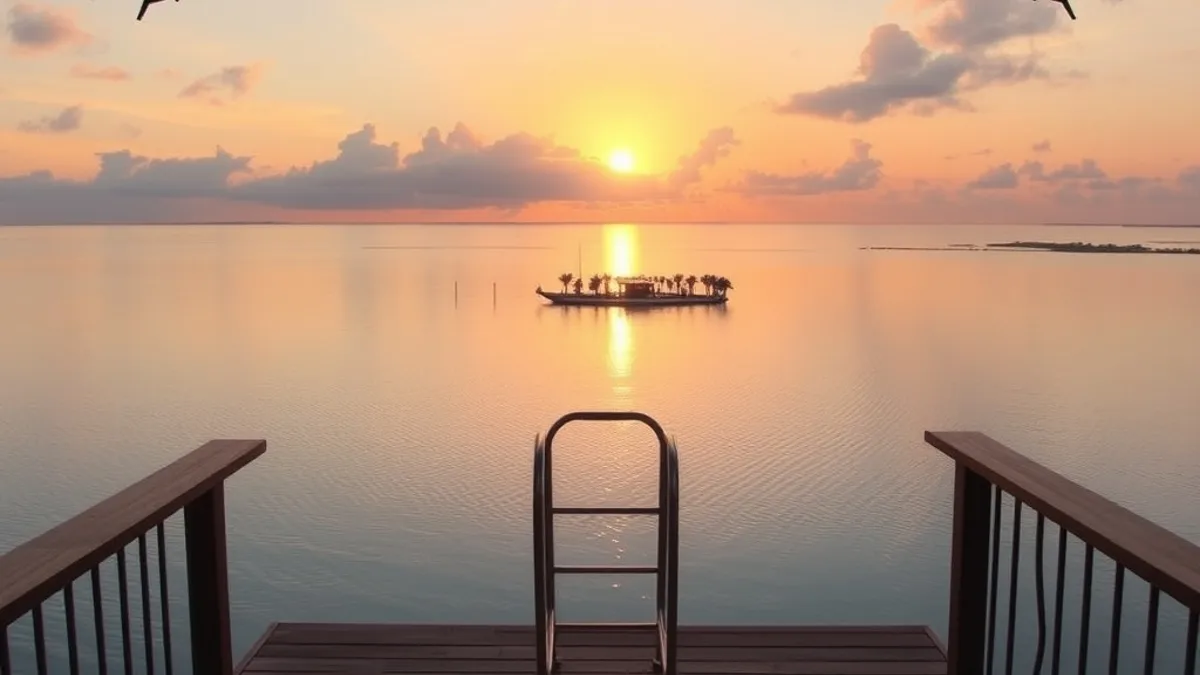
Most overwater bungalows follow a similar template. Expect roughly 55-110 square meters of space, usually arranged as a bedroom, a bathroom, and a private deck that opens straight onto the lagoon. A ladder on the deck lets you climb down directly into the water for a swim, which is the feature most guests book these rooms for in the first place.
Signature features worth checking for
Some details have become signature touches on overwater categories. Glass floor panels let you watch fish swim beneath your feet, and outdoor showers are common on the deck. Higher categories often add a private plunge pool, so it pays to compare room descriptions carefully before you book.
What the rate usually leaves out
Here is where travelers get surprised. A room-only rate typically does not include meals, airport transfers by boat or seaplane, or spa treatments. Those extras can add up quickly on a remote island. Unless you book a half-board or all-inclusive rate, budget for dining separately and ask your operator how transfers are priced before you commit.
What Overwater Bungalows Cost per Night
So what does a night over the water actually cost? Prices vary by region. In the Maldives, overwater bungalows typically run $600-$1,500 per night. In the Caribbean and Southeast Asia, the same categories usually come in at $400-$1,200 per night, which makes them attractive for travelers who want the experience at a gentler price. If you are dreaming of the Maldives in particular, resorts like Sunshore in the Maldives show what the top end of the range looks like.
Why overwater costs more than a lagoon-view room
At the same resort, expect to pay 40-60% more for an overwater category than for an entry-level lagoon-view room. The premium reflects the cost of building over water, the privacy that comes with standalone villas, and the fact that these rooms are the resort’s postcard product. Availability is also limited, since lagoons only allow so many bungalows.
Features that push the rate up
Within the overwater category itself, certain features add to the price. Glass floor panels and plunge pools are the biggest rate-raisers, along with a sunset-facing orientation and a larger deck. If those extras matter less to you, choosing a simpler bungalow can trim a meaningful amount off your total.
When to Book and When to Go
Timing is the biggest lever you control on price. For shoulder-season dates, most resorts want a booking lead time of 3-6 months for overwater categories. If your dates fall in peak season, plan further ahead, because the best bungalows can need 6-9 months of lead time to secure.
Weather matters just as much as price. Aiming for the drier, best-value windows in each region gives you a better chance of calm lagoons and clear water. Thailand, for example, pairs its November-March dry season with resorts that specialize in spa rituals and beach-soft mornings, making it one of the friendlier entry points to the overwater experience.
One last detail catches many travelers off guard: minimum stays. Overwater categories at most resorts typically require 3-5 nights, so factor that into both your budget and your itinerary. A resort that looks affordable per night becomes a bigger commitment once the minimum is applied, especially if you also want to split your trip between overwater and beach accommodation.
- Shoulder-season flexibility pays twice. You get more availability with a shorter booking lead time and often better weather-to-crowd ratios than peak weeks.
- Check minimum stays before planning short trips. A three-night minimum can rule out a quick weekend-style visit, so build the requirement into your trip length from the start.
- Regional dry seasons differ. Match your destination to your travel dates rather than the other way around, since the ideal months in the Maldives, the Caribbean, and Thailand do not fully overlap.
Choosing the Right Destination for Your Budget
When travelers picture an overwater bungalow, they are usually picturing the Maldives. It is the classic choice for good reason: the country has the widest range of overwater stock in the world, from simple thatched retreats to sprawling villas with plunge pools and glass floors. The trade-off is price. Entry prices here are the highest you will find, and even modest resorts charge a premium for the privilege of sleeping above the lagoon.
Southeast Asia and the Caribbean offer a friendlier entry point. Nightly rates in both regions typically run lower than in the Maldives, and for many travelers the flights are shorter and cheaper too. The Caribbean adds the appeal of combining your bungalow stay with island hopping, while destinations in Southeast Asia often pair overwater stays with rich food scenes and cultural excursions you will not find on a remote atoll.
How to Compare Offers Fairly
The single biggest mistake is comparing headline room rates. A low nightly price that excludes meals can quickly become more expensive than a higher rate that includes half-board. Seaplane and boat transfers in particular can add a substantial amount per person, so always build them into the total. Compare the price per night after meals and transfers are included, and you will get a much more honest picture of what each destination actually costs.
How to Spot a Genuinely Good Overwater Bungalow
Not all overwater bungalows deliver the same experience, and the differences are easy to miss in glossy resort photos. Three details matter more than anything else: which way your deck faces, how close your neighbors are, and what is actually beneath your ladder. Resorts rarely advertise these things up front, so a little homework before you book goes a long way. Checking these details is the difference between a magical stay and an expensive room over water.
- Orientation: Sunset-facing decks command a premium for a reason, and they are also the first categories to sell out. If you want that golden-hour view from your deck, book early or expect to pay more for it. Morning-oriented decks suit travelers who prefer sunrise coffee over evening drinks.
- Spacing: Some resorts pack bungalows into tight rows along a single jetty, meaning you can hear your neighbors’ conversations and see straight onto their deck. Others space villas far apart on individual piers, which preserves both privacy and quiet. Ask specifically about the layout rather than assuming all categories are the same.
- Water depth and access: Look closely at photos of the water below the deck. A ladder into deep, swimmable lagoon water lets you snorkel straight from your room, while a deck over shallow reef flats may leave you wading at low tide with no real swimming at all.
Resort websites and recent guest reviews usually reveal all three details if you dig a little. Zoom into aerial photos, read comments about noise and tides, and email the resort directly if anything is unclear. A short message asking about deck orientation and water depth at your specific bungalow category is completely normal and well worth sending. Managers answer these questions daily, and their replies often reveal which bungalow numbers are the best picks in each category.
Ways to Lower the Price Without Losing the Experience
The good news about overwater bungalows is that the listed rate is rarely the price you actually have to pay. With a little flexibility, the same bungalow category can cost dramatically less, and none of these strategies require giving up the experience you came for.
Shift Your Dates
Shoulder-season dates can cut 20-40% off peak rates for the identical bungalow. You trade a small risk of rain or wind for serious savings, and at many resorts the shoulder months still offer plenty of good weather. If your dates are flexible by even a week or two, ask your agent or the resort to quote both periods before you commit.
Another effective trick is mixing your stay: book one overwater night at the start or end of your trip and spend the rest in a cheaper beach villa. You still get the sunrise over the lagoon, the private deck and the ladder into the water, but the beach-villa nights keep the total bill within reach. Many resorts are happy to arrange this split.
Watch What the Rate Includes
Finally, do not dismiss half-board or all-inclusive rates as overpriced upsells. On resorts where meals and drinks are expensive, a meal-inclusive rate often beats room-only pricing once you add up breakfasts, dinners and a few drinks over several nights. Run the math for your own stay length and drinking habits before choosing the cheapest-looking rate on paper.
Wrapping Up Your Overwater Bungalow Plan
So, are overwater bungalows worth it? In short, yes, if you go in with clear expectations. A stay typically means a 55-110 square meter villa with a private deck and a ladder straight into the lagoon, and it usually runs $400-$1,500 per night depending on the region and the features you pick. Meals, transfers and spa treatments often sit outside the base rate, so compare the full cost, not just the headline number.
Your two biggest levers on price are timing and flexibility. Booking 3-9 months ahead and choosing shoulder-season dates can make the same bungalow dramatically cheaper than peak weeks. And once you are comparing resorts, judge the things that shape the experience day to day: deck orientation, spacing between villas and real lagoon access matter more than a star rating ever will. If this helped you plan your trip, leave a comment or share the article.