Choosing between photographic lodges and a standard safari lodge comes down to one question: do purpose-built hides and photography-focused positioning justify paying more for the same wilderness? Both types of lodge can sit on excellent land with great animal density, so the difference is rarely about where you sleep. It is about how close you get, how long you can stay, and how much control you have over your day.
This article breaks the comparison into clear parts. We define what makes photographic lodges different, look at how standard lodges are set up, and examine hides and positions where the real gap appears. We then cover price ranges and what the premium buys, when the upgrade is genuinely worth it, how to book and what to check before paying, and finally how to make the choice that fits your trip.
What Defines a Photographic Lodge
A photographic lodge is designed around one goal: getting you low, close and steady in front of wildlife. The clearest example is the hide. Purpose-built hides sit 1-3 meters from waterholes at eye level with animals, either sunken into the ground or elevated to match the sightline of whatever comes to drink. That geometry is deliberate. When an elephant raises its trunk at water level, your lens is level with its eye, not looking down at its back. It is the kind of perspective that is nearly impossible to get from a raised deck or a tall vehicle, and it changes the character of your portfolio more than any new lens will.
Vehicles follow the same philosophy. Photographic lodges commonly cap vehicles at 4-6 guests to guarantee window seats, so nobody is shooting over a neighbor’s shoulder. Guides are another defining piece. Instead of general sightseeing, they are trained in predicting animal behaviour, positioning the vehicle for angles, and reading light, which changes what you come home with. Ask before booking how much hands-on instruction they offer, since some guides coach composition and camera settings while others simply drive and spot.
- Editing stations: Many photographic lodges keep dedicated workspaces with calibrated screens so you can cull and process each afternoon while the light is resting.
- Beanbags and lens mounts: These come as standard kit, letting you brace long lenses on window sills and hide rails without carrying a full tripod setup.
- Charging setups: Expect multi-battery charging points in rooms and vehicles, sized for camera bodies and flash units rather than just phones.
- Hide-specific kit: Some lodges supply cushioned stools and lens rests inside hides, tuned to the fixed shooting positions built into the hide windows.
How Standard Lodges Are Set Up
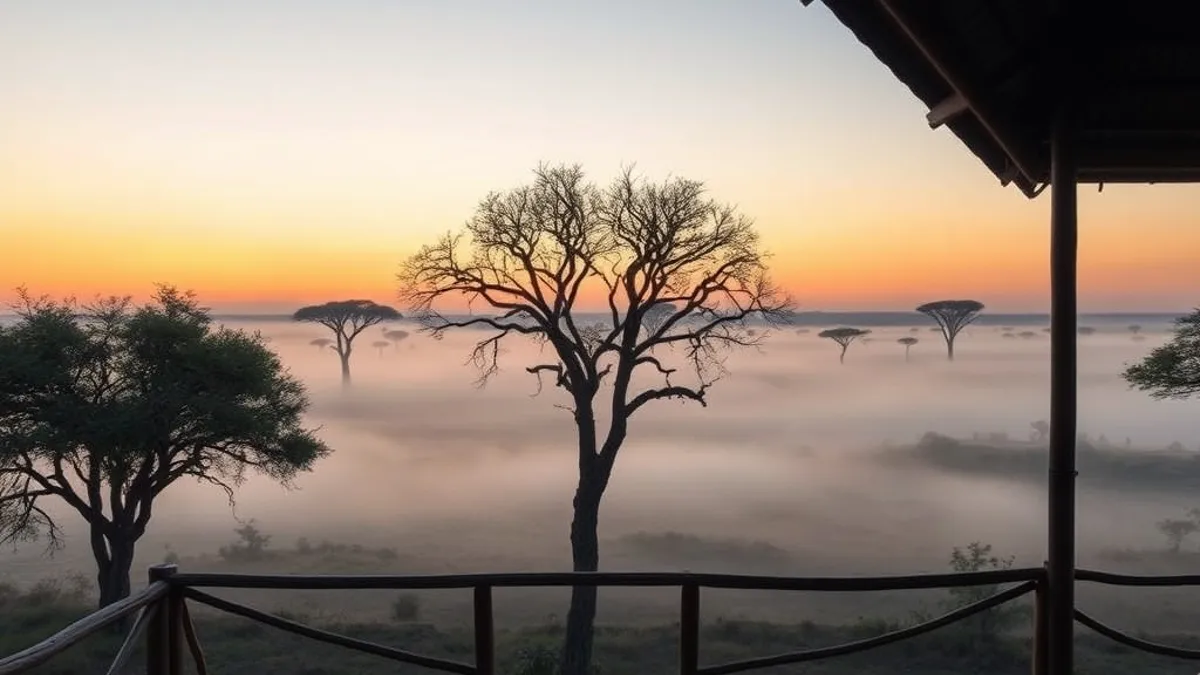
Standard lodges balance comfort and game viewing rather than treating photography as the organizing principle. Decks, pools and lounge areas face water or open savanna, which means you can watch wildlife from a hammock with a coffee in hand. Many camps sit on productive waterholes, so elephants, antelope and even predators regularly wander through view without you lifting a finger. The trade-off is distance: these viewing spaces are built for enjoyment at range, not for framing tight, eye-level shots. Expect to lean on a long lens, and even then the angle is whatever the terrain gives you.
The daily rhythm is also fixed. Standard lodges usually run two shared game drives daily, roughly 3-4 hours each, timed around dawn and late afternoon. Guides do an excellent job of finding animals, but their priority is typically the sightings list rather than the photographic angle. If a leopard is sleeping in bad light, the drive moves on because six other guests want to see something new. That pace keeps the trip varied and social, but it rarely allows the long, patient waits that behaviour shots demand.
- Rotating seating: With 6-9 guests per vehicle, most lodges rotate seat positions between drives so everyone gets a front row at some point during the stay.
- Shared scheduling: Drive departures are set by the lodge, not by guests, which keeps camp operations smooth but limits flexibility when light or animal behaviour calls for a change.
- Included extras: Rates typically bundle meals, drinks on drives and camp amenities, so the value case leans on comfort and completeness rather than shooting time.
- Checklist guiding: Big Five sightings often take precedence over waiting out a scene, which suits first-time visitors but can frustrate photographers hoping for behaviour shots.
Hides and Positions: The Real Difference
Hides and positions are where the two lodge types genuinely diverge. At a photographic lodge, you can expect to shoot from ground-level hides placed just a meter or a few meters from the water’s edge, so elephants drinking and bee-eaters at the shoreline appear at eye level rather than below you. That angle produces the portraits photographers chase: direct eye contact, low and wary predators approaching the water, and clean backgrounds instead of a downward view over grass.
Timing matters as much as position. The strongest hide windows are the first 3 hours after sunrise and the last 2-3 hours before sunset, when activity at the water peaks and the light turns soft and directional. A session in those windows can outperform an entire drive for sheer shooting opportunities.
What a Standard Lodge Deck Gives You
Standard lodge decks offer longer-range viewing, usually needing a 400mm+ lens from 30-100 meters away. That is workable for record shots and relaxed observation, but the angle is typically downward and the distance eats detail. Some standard lodges in South Africa and Botswana do have simple hides, and they can be pleasant for an hour of birding, but they are rarely lit or angle-optimised, so the eye-level advantage is only partly there. If you are weighing a Botswana trip built around comfort and pace, it helps to read how a safari lodge in Botswana balances serene comfort with beautifully paced game viewing before deciding how much hide access you truly need.
Price Ranges: What the Premium Buys
The price gap between the two lodge types is real, and it is worth understanding exactly what you are paying for before you commit. Photographic lodges typically run 30-100% above comparable standard lodges in the same reserve. On a week-long stay, that difference can add up to the cost of an extra few nights elsewhere, so it should be a deliberate choice rather than a default.
So where does the premium go? In practice, it covers four things: guaranteed access to purpose-built hides, smaller vehicles capped so every guest gets a window seat, drives that can run long or start early when the light demands it, and guides who think in terms of angles, backgrounds and animal behaviour rather than simply finding animals. None of these are luxuries for a photographer; they are the difference between a snapshot and a usable image.
What standard rates still get you
Here is the part that often gets lost in the comparison: standard lodges still deliver excellent sightings, and frequently on the very same concession or waterhole system as their photographic neighbors. The wildlife does not know which side of the fence you booked. If you are happy viewing from a deck or a shared vehicle, you may come home with great memories and a lighter bill.
There is also a middle path worth exploring. Some standard lodges sell hide sessions as an add-on activity, charged per day or per session. If you only want one or two dedicated mornings in a hide rather than a full photographic itinerary, this can give you a taste of eye-level shooting at a fraction of the premium lodge’s total cost. Ask the lodge directly whether hide sessions are available and how they are priced, since these arrangements vary widely and change from season to season.
When a Photographic Lodge Is Worth It
A photographic lodge is not automatically the better safari. It is the better safari for a particular kind of traveler, and it helps to be honest about which one you are before spending the premium. The clearest candidates are serious hobbyists who already own 300mm or longer glass, shoot every day on trips, and genuinely value eye-level waterhole work over ticking off a sightings list.
Season matters just as much as gear. The May-October dry season in southern Africa is when hide activity peaks: animals congregate at remaining water sources, and the low, dusty light of that time of year gives images a character you simply cannot manufacture in the green season. If your dates fall in that window and you plan to spend hours at a waterhole, a hide-focused lodge earns its keep.
Who benefits most from the premium
- Control seekers: If a fixed schedule frustrates you, photographic lodges typically let you set custom drive timings and wait longer at a good sighting instead of being called back for breakfast. That patience is often what separates a good portfolio from a holiday album.
- Return visitors: If you have already done one or two safaris and seen the Big Five several times, chasing better images rather than new species makes sense, and hides are built for exactly that goal.
- Travelers pairing safari with slower stays: If part of your trip is about unwinding rather than shooting, consider balancing a photographic stay with calmer bases. A place like a spacious homestead near safari country can round out the trip nicely between intensive photography days.
- Light packers: If you are traveling with a phone or a small zoom lens, the hides and specialist guiding will mostly go unused, and you will feel the premium without seeing the benefit in your files.
On the other hand, first-time safari visitors and families usually get more value from a standard lodge. The comfort, the pool between drives, the included activities, and the predictable rhythm of two shared game drives a day suit travelers who want the full safari experience rather than a photography workshop. Kids and hides at eye level with drinking predators are also not always a relaxed combination. Match the lodge to the traveler, not to the brochure.
How to Book and What to Check Before Paying
Booking a photographic lodge is less about finding availability and more about verifying that the product matches the marketing. Because the premium is significant, a few pointed questions before you pay can save you an expensive disappointment. Work through the steps below in order, and get answers in writing where you can, either by email or through your booking agent. Written commitments give you something to point to if the reality on the ground differs from what was promised.
- Book far ahead for dry-season dates. Hide seats at top photographic lodges often require 6-12 months of lead time during the dry season, when demand peaks. If you are aiming for the prime months, start planning as early as possible rather than hoping for a late opening. Some lodges release seats to repeat guests first, so ask how seats are allocated before you assume a spot will open up.
- Ask about vehicle caps and flexibility. Request the maximum guests per vehicle in writing, the hide access policy (is it unlimited, shared, or time-slotted?), and whether drives are timing-flexible. A lodge that cannot commit to a small vehicle cap or flexible drive times is not delivering the core photographic promise.
- Interrogate the hide itself. Confirm the hide’s distance to the water and whether it is sunken. A sunken hide places your lens at eye level with drinking animals; an above-ground structure a few meters back changes every angle you will shoot. This single detail decides a large share of your image quality.
- Run the cost comparison. Before committing to the premium, price the alternative: a comparable standard lodge plus paid hide add-on sessions, if such sessions are offered in that reserve. Sometimes the gap is justified; sometimes the add-on route gets you most of the value for much less.
One last practical note: policies on group sizes, hide access and add-on pricing change between seasons and between operators, so treat any figure or arrangement quoted in older reviews as a starting point for your own questions rather than a guarantee. Ask about cancellation terms and deposit conditions at the same time, since specialist seats often carry stricter rules than standard rooms. A lodge that answers these queries clearly and quickly is usually a lodge that runs a well-organized photographic operation, and that responsiveness is itself a useful signal before you hand over a deposit.
Making the Choice That Fits Your Trip
So, do the hides and positioning justify the premium? If you shoot regularly, carry serious glass, and want to spend hours at eye level with animals drinking, then yes — the hides, small vehicles and flexible timing of a photographic lodge are built exactly for that, and they deliver what a standard drive simply can’t.
If you’re after a comfortable safari with strong sightings and a lower rate, a standard lodge will usually serve you well, often on the very same concession. The deciding factors come down to season, gear, and how much of your day you want to spend at a waterhole. Where you land on that trade-off is the answer to whether the extra cost is worth it. If this helped you weigh it up, leave a comment or share the article with a fellow traveler.