It happens on arrival day more often than travelers expect: you fall in love with a lodge’s photos online, book the room, and only then discover the last two hours of the journey involve a corrugated gravel track, a weight-limited charter flight, or a road that simply closes when the rains come. Booking a remote lodge is not just choosing a place to sleep — it is planning a small expedition to get there.
This guide walks through the questions worth asking before you pay a deposit. We cover who arranges transfers and what they cost, what the final stretch of road is really like, how bush charters and baggage limits work, which seasons change your route, and what backup plans exist if a flight is delayed or a road washes out. Ask these questions early, get answers in writing, and the journey becomes part of the trip rather than a stressful surprise.
Why Access Questions Matter Before Booking a Remote Lodge
Remoteness is exactly why you picked the lodge — and exactly why you cannot treat the arrival like a normal hotel check-in. When the property sits hours from the nearest town, the lodge effectively controls how and when you get there. So the first question is simple: who organizes the transfer, and is it included in the room rate or billed separately? Some lodges bundle a pickup from the nearest airstrip or town into the price, while others quote it as an add-on that can meaningfully change your budget.
Ask for hours, not kilometers
Distance tells you almost nothing about a remote journey. A 200 km leg can take four hours or more on gravel, sand or winding tracks, so always request total door-to-door travel time from the nearest international airport, including any connection, boat crossing or waiting period. That figure is what determines whether you arrive exhausted and hungry or refreshed enough to enjoy your first afternoon.
Finally, ask for the lodge’s own arrival cut-off time. Many remote properties cannot receive guests after dark — no lighting on the access track, no staff waiting at the gate — or after the last scheduled transfer of the day has departed. If your international flight lands at midday and the lodge’s cutoff is early afternoon, you may need an overnight stop in the gateway town. Better to learn that before booking than standing in an airport arrivals hall at dusk with nowhere confirmed to sleep.
Road Access: Surfaces, Vehicles and the Last Stretch
The last few kilometers are often the hardest part of the drive, and they are the part lodges mention least. Ask specifically what the final 5–10 km of road is like. Hard, well-graded gravel is manageable in a normal sedan driven carefully. Deep sand, loose rocky track or steep washed-out sections are not — that is 4×4 territory, and showing up in a rental hatchback can leave you stranded or facing a costly recovery.
Next, confirm who does the driving. Many lodges run their own 4×4 pickup from the nearest town or airstrip, which solves the vehicle problem entirely. If you plan to self-drive, ask honestly whether a regular car can reach the gate, and what the fallback is if it cannot. Some properties will meet self-drive guests at a rendezvous point and transfer them the rest of the way.
Rain changes everything
Roads that are fine in dry weather can become impassable after storms, so ask how the access route behaves in rain. Clay soils turn to slick mud quickly, and some lodges suspend vehicle transfers entirely for days after heavy storms until the track dries out. A few specific questions to put to the lodge:
- What vehicle does the lodge use for transfers? An open safari 4×4 handles rough tracks differently from a closed minivan, and it matters if you have camera gear or lots of luggage.
- Is there a safe place to leave a self-drive car? Ask whether the lodge or a nearby operator offers secure parking at the gate or in town, and whether it costs extra.
- How long does the pickup take from the nearest town? A transfer that leaves town at a fixed time can mean hours of waiting if you arrive early or a missed connection if you arrive late.
Flying In: Airstrips, Charters and Baggage Limits
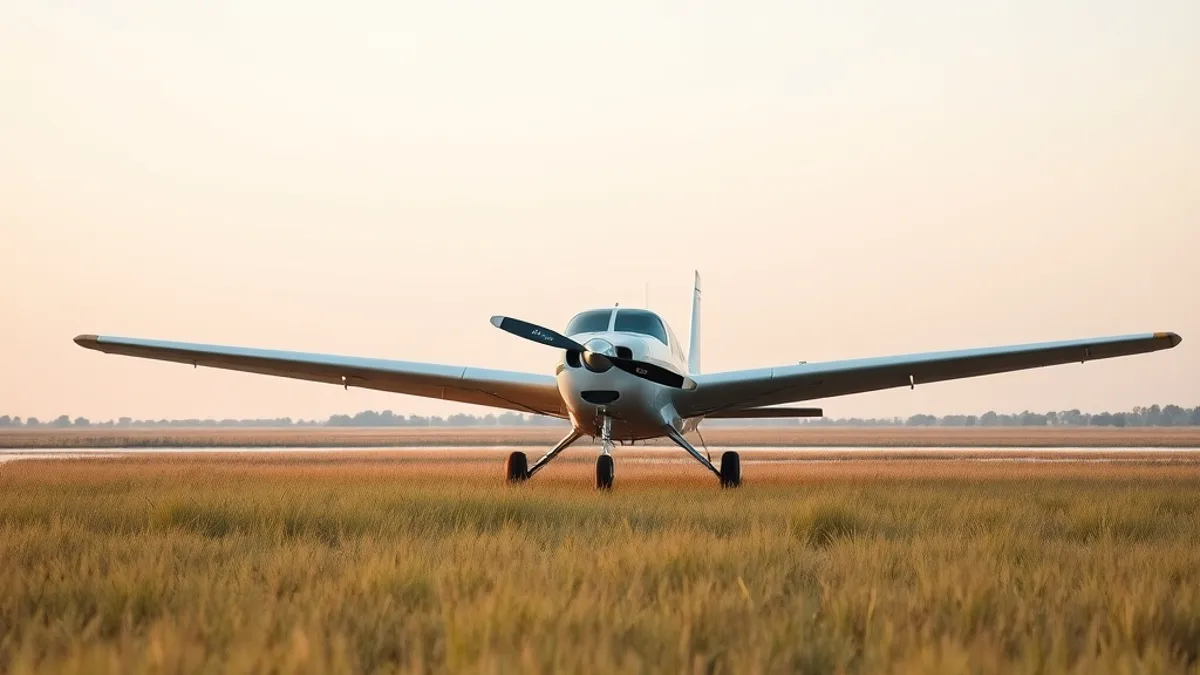
Flying in is often the fastest and most comfortable way to reach a remote lodge, but it comes with its own set of logistics. Start by asking whether the lodge has its own airstrip or uses a shared one nearby, how long the flight takes, and whether your seat is on a scheduled shared charter that stops at several lodges or a private booking you control. A shared charter is usually cheaper but locks you into a fixed timetable; a private charter costs more but flexes around your international arrival.
Baggage is the rule travelers break most often. Small bush planes commonly cap luggage at 10–15 kg per person and require soft duffel bags, not hard suitcases, because bags must fit through narrow cabin doors and be stacked in a tight hold. If you show up with a 23 kg roller case, the pilot may leave it behind — and your bags may travel on a later flight, sometimes a day after you do.
When weather grounds the plane
Bush flying is weather-dependent, so ask what happens if your charter cannot land. A few questions worth putting in writing:
- Does the lodge hold your room if the charter slips a day? Some properties rebook at no penalty; others treat it as a cancellation, which is a very expensive difference.
- Is there a road fallback if flying is impossible? Knowing the drive time from the nearest town gives you a plan B without scrambling.
- How early before departure do you need to be at the airstrip? Shared charters often depart from small terminals with check-in windows tighter than a commercial airport’s.
- Can carry-on items like cameras count separately? Some operators allow a small personal item in addition to the checked duffel — useful to know before you pack.
Season and Weather Windows That Change Your Route
Every remote lodge has a season when getting there is easy and a season when it is not. Before you book, ask the property directly: which months is the access route fully reliable? In many safari regions, rainy-season road closures are common November–March, and in mountain destinations, alpine passes may close October–April. A lodge that is technically open year-round can still be effectively unreachable for weeks at a time.
Ask for the lodge’s shoulder-season advice in detail. A property reachable in two hours on dry roads can take four hours after rain, or become unreachable entirely until a river crossing drops. Managers usually know exactly how their road behaves month by month, and a good answer will include honest warnings rather than reassurances.
If water is part of the journey
Some lodges rely on a boat, ferry or lake crossing for the final leg. If yours does, ask for the operating season and the daily last-departure time. Both often shorten outside peak months, and a crossing that runs until late evening in high season may finish by mid-afternoon a few weeks later. The same caution applies to alpine regions, where a chalet reached easily in summer can involve a very different approach in winter; if you are weighing a mountain stay, see what a lakeside chalet stay in Queenstown looks like for how season shapes the whole journey.
Costs, Timing and Booking Logistics to Confirm in Writing
Transfer costs are the most commonly underestimated part of a remote lodge booking, and the details that change the final price are easy to miss until you are already committed. A lodge can look affordable on paper, then add a road transfer or charter that rivals the nightly rate. The fix is simple: get every figure in writing before you pay a deposit, then work through the logistics step by step so nothing is left to a verbal promise.
- Get the transfer price in writing. Road transfers commonly run $100–$300 per vehicle per trip, while bush charters typically cost $150–$400 per person per leg. Ask for both the rate and what it includes, such as fuel, waiting time, tolls and any park or gate fees the driver pays along the way.
- Book early for high season. Lodge-arranged transfers should be booked 4–8 weeks ahead for high-season dates, when drivers and charter seats are scarcest and prices can climb. Last-minute requests often mean accepting whatever vehicle or departure time is left.
- Ask what happens if your flight is delayed. Confirm whether a delayed inbound flight forfeits the transfer or whether it can be rescheduled, and whether a rescheduling fee applies. A driver who waits two hours for free and one who charges from the first minute are very different bookings.
- Clarify how the price is calculated. Ask whether the transfer is charged per vehicle or per person, whether children or extra bags change the price, and whether a second vehicle is needed for a large group. Two couples paying per person can pay far more than one shared vehicle.
- Confirm waiting arrangements. Ask whether the driver waits if your connecting flight is late, for how long, and what the hourly charge is beyond that point. Also ask who monitors your flight status, since some drivers head to the airstrip on schedule regardless.
- Check payment methods. Ask whether the transfer is paid to the lodge with your room bill or in cash to the driver on arrival, and whether card payment is possible at the pickup point.
Once these answers are in an email rather than a phone call, you have something to point to if a price changes or a driver fails to appear. Most lodges will confirm willingly; hesitation is itself useful information, and it tells you which operator to double-check before you commit your deposit.
Backup Plans: Communication, Emergencies and Late Arrivals
The best lodges plan for things going wrong, and the worst assume nothing will. Before you commit, ask how the property stays in contact during your journey and what happens when a plan collapses. A lodge that can answer these questions in detail has almost certainly dealt with the situations before.
Start with communication. Ask whether the lodge has reliable phone or satellite contact for the drive in, and who exactly you should call if a transfer fails mid-journey. Then think about the worst case: confirm the nearest medical facility and how long an emergency evacuation realistically takes from the property, since the answer can range from under an hour to the better part of a day depending on location.
Finally, ask what happens to guests who arrive a day late or miss the last transfer. The good answers usually include some combination of the following:
- A standby driver or on-call vehicle who can be dispatched outside normal transfer hours, often at a premium rate you should agree on in advance.
- An arrangement with a nearby lodge, guesthouse or town hotel where stranded guests can overnight safely and pick up a transfer the next morning.
- A revised itinerary from the lodge itself, such as shifting a scheduled activity or adding a night, so a late arrival does not simply erase a paid-for day.
- A written emergency contact list given before departure, covering the driver, the lodge manager and the transfer company’s after-hours line.
If the lodge has no answers in these areas, treat it as a serious warning sign rather than a minor gap. Remoteness is only romantic when someone can still reach you.
The Questions That Make the Difference
Most travelers fall in love with lodge photos online, then discover on arrival day that the final stretch involves a gravel track, a weight-limited charter or a road that disappears in the rains. The remoteness that makes a property special is exactly what puts your arrival in someone else’s hands, so the booking conversation matters as much as the room choice. The best remote lodge stays are the ones where the journey was planned as carefully as the room itself.
Asking about road surface, airstrips, baggage limits, seasonal closures, transfer costs and backup plans before booking removes nearly every arrival-day surprise. Get each answer in writing, then compare it against the season you plan to travel. A lodge that sounds perfect in the dry months may tell a very different story once you ask how it handles a week of heavy rain. If this guide helped you plan a trip, share it with a fellow traveler or leave a comment below.