Those tempting low rates you see for resort off-season stays can feel too good to be true. A room that costs a small fortune in February suddenly drops 30-50% in November, and the photos look identical. The hesitation is understandable: you don’t know what you’re giving up. Will the kids’ club be shuttered? Is the main restaurant the only one open? Will rain ruin the pool you paid for?
This guide walks through both sides of the deal. We’ll explain why resorts slash prices without cutting quality, what actually closes during the quiet months, and how weather shifts by destination type. You’ll also see the genuine upsides, from quieter grounds to better service, plus the shoulder season compromise that splits the difference. We finish with practical booking steps and a clear way to weigh the savings against the tradeoffs before you commit.
Why Resort Off-Season Stays Cost So Much Less
Here’s the counterintuitive truth about resort pricing: the room you book in the low season is the same room that commands double or triple the rate at peak time. Same bed, same balcony, same view of the water. Rates drop 30-50% not because the resort gets worse, but because demand does. When fewer travelers want to visit, prices fall to match.
Resorts are, above all, in the business of filling rooms. A room sitting empty earns nothing, so a deeply discounted booking beats a vacant one every time. That logic turns low-occupancy months into the best value window of the year. The resort still needs staff, still runs the pool, and still maintains the grounds; it just prices differently to attract whoever is willing to travel then.
What your money actually buys off-season
Think of it this way: the physical resort doesn’t change with the calendar. The infinity pool, the beach loungers, the architecture, the sunset from your terrace, all of it remains exactly as advertised in the glossy photos. What changes is the price tag attached to it.
For travelers with flexible schedules, this is the closest thing to a pricing arbitrage in leisure travel. Retirees, remote workers, and anyone who can take a trip outside school holidays effectively buy a five-star experience at a three-star price. The only thing you’re really trading is timing.
What Actually Closes During the Off-Season
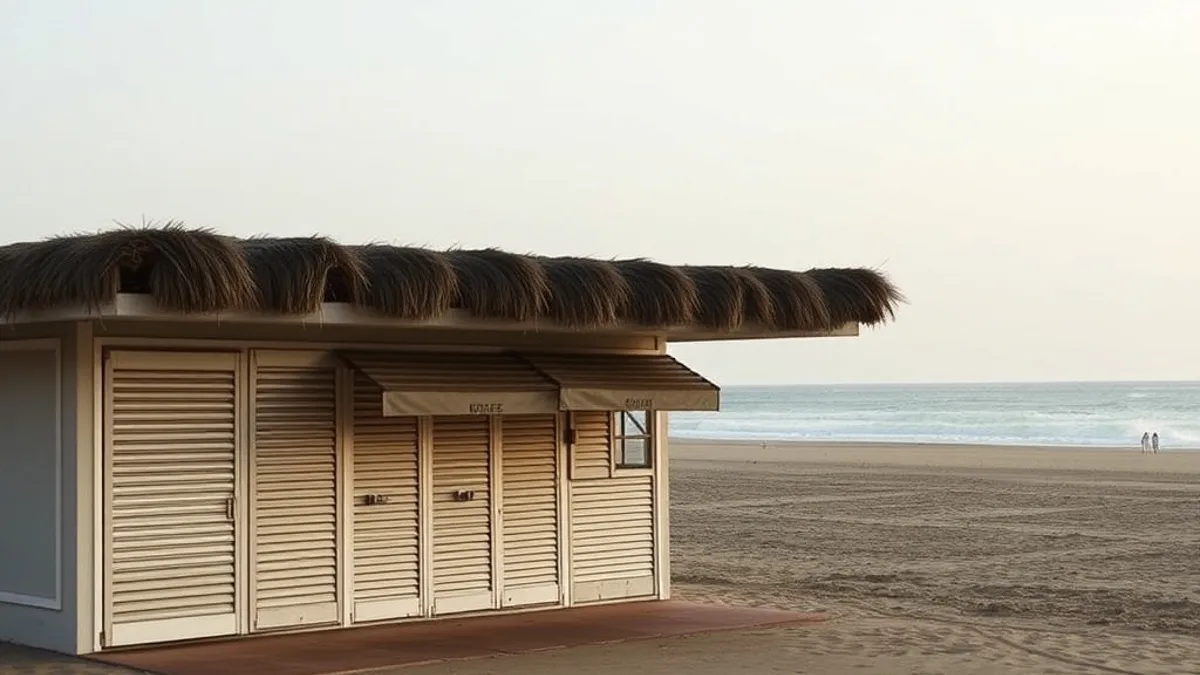
The discount is real, but so are the closures. Off-season, resorts trim operations to match demand, and the facilities that go dark are usually the ones aimed at peak-season crowds. Kids’ clubs are the classic example: with few families around, running a full program makes no sense, so it either shuts entirely or opens for a few hours a day. Secondary restaurants often follow the same pattern, leaving a single main venue serving dinner. Spa treatment rooms may rotate between therapists or close certain days.
Some properties go further and close altogether. Many beach resorts in the Mediterranean shut down completely from roughly November to March rather than operate at a loss through the quiet months. That means the deal you found for February may not be bookable at all, or may only exist at city and spa properties.
Then there are the third-party operations that run on seasonal schedules:
- Water sports rentals often reduce their fleet or staffing, so kayaks, paddleboards and jet skis may only be available certain days or with advance notice.
- Dive centers sometimes consolidate trips, running a single daily outing instead of two or three, or pausing courses until high season returns.
- Excursion and tour desks may operate limited hours, meaning popular day trips fill up faster and last-minute bookings become harder to arrange.
None of this ruins a trip by itself, but it changes the character of one. If your ideal stay revolves around a specific restaurant or a daily dive, confirm those operations before you book rather than after you arrive.
Weather Tradeoffs by Destination Type
The biggest off-season variable isn’t the resort at all; it’s the sky above it. Each destination type trades savings for a different kind of weather risk, and knowing which one you’re accepting makes the decision much easier.
Tropical destinations: cheaper, but wetter
In tropical spots like the Maldives and Thailand, the low season lines up with the monsoon, typically May through October. You’ll find noticeably lower rates, but you’re trading them for rain bursts, which often arrive as heavy afternoon showers rather than all-day washouts. Many travelers find the trade acceptable: mornings are frequently clear, the sea stays warm, and resorts like those covered in private blue horizons and floating calm in the Maldives still deliver plenty of sunshine between the downpours. Pack a light rain layer and book indoor alternatives, such as spa time, for the wettest hours.
Mediterranean and mountain resorts
The Mediterranean off-season is a different animal. The sea cools down enough that swimming becomes a maybe rather than a given, and daylight hours shorten noticeably. What you gain is an atmosphere built for slow travel: long spa treatments, lingering dinners, coastal walks without the crowds. If your trip is about the resort rather than the water, this is arguably the best version of the region.
Mountain resorts have their own sweet spot: the gap between summer hiking and winter skiing. Trails sit quiet, the air is crisp, and because occupancy bottoms out between the two peak seasons, minimum-stay requirements often drop. It’s a brief window, so check exact dates with the resort, but for hikers who don’t need chairlifts or snow, it delivers mountain scenery at a fraction of peak pricing.
The Upside: Quieter Grounds and Better Service
The single biggest perk of an off-season stay is how the whole property changes character once the crowds thin out. When occupancy dips below 50%, many resorts quietly offer complimentary room upgrades, since it costs them nothing to move you into a better category that would otherwise sit empty. Staff-to-guest ratios also improve dramatically, and it shows in the little things: bartenders remember your drink, housekeeping anticipates your rhythm, and the concierge actually has time to plan something special.
Semi-private facilities
Peak season at a popular resort often means towel games at the pool and a scramble for loungers. Off-season, the main pool, the gym and the beach can feel almost semi-private. You might share a large infinity pool with a handful of other guests, and you can claim the same shaded lounger every morning without setting an alarm.
Restaurants and spas get easier too. During high season, a prime-time dinner reservation at the resort’s signature restaurant may need to be made weeks in advance, and spa slots fill up days ahead. In the quiet months, you can usually book a massage for the same afternoon or a table for that evening with a simple phone call. For travelers who resent planning every meal and treatment months ahead, this flexibility alone can justify the tradeoffs.
Shoulder Season: The Compromise Worth Considering
If a full off-season stay sounds like too much of a gamble, shoulder season is the middle path many experienced travelers swear by. In April-May and September-October, many coastal resorts offer discounts of around 20-30% off peak rates, yet nearly everything stays open. Kids’ clubs usually run, all restaurants operate, and excursion desks keep regular hours because there are still enough guests to justify them.
Why the weather often cooperates
Shoulder months tend to deliver some of the most pleasant conditions of the year in coastal destinations. Sea temperatures hold the warmth of summer well into September and October, while the intense heat and crowds of July and August fade. Air temperatures remain comfortable for beach days in most Mediterranean and similar coastal regions, without the peak-season glare.
This window suits a specific type of traveler: someone who wants real savings but cannot stomach a closed signature restaurant or a shuttered kids’ club during a family trip. If your vacation depends on certain facilities being open, shoulder season lets you pay less without gambling on reduced operations. The compromise is that discounts are smaller than deep off-season deals, and popular resorts can still see busy weekends. But for most travelers, the balance of lower prices, full amenities and comfortable weather makes shoulder season the smartest value play on the calendar.
How to Book a Resort Off-Season Stay Right
A good off-season deal starts before you click “book.” Because rates typically fall 30-50% below high-season peaks, the savings are real, but they come with conditions that only the resort itself can confirm. Facilities may run on reduced schedules, minimum-stay rules can change, and the cheapest room categories often disappear first. A few minutes of preparation can mean the difference between a bargain you love and a stay full of surprises. Work through these steps in order, and keep records of everything the resort tells you.
- Email the resort first. Ask specifically which restaurants, pools, kids’ clubs, spa facilities and activities will operate during your dates, and whether any will run on reduced hours. Get the answer in writing so you have something to refer to if anything is closed on arrival. A written reply also gives you leverage to renegotiate or cancel if the reality does not match what was promised.
- Book 2-3 months ahead. Off-season rates tend to be lowest early, and the best-value room categories sell out first even in quiet months. Booking a couple of months in advance usually locks in the lowest price before remaining inventory tightens.
- Check minimum-stay requirements. Some resorts raise their minimum-stay rules in the off-season to consolidate occupancy into fewer, longer bookings. Confirm the requirement for your dates so you are not forced to add nights or lose the rate you found.
Once you have written confirmation of what will be open and a rate locked in ahead of time, you can compare offers between resorts with real confidence. Put your questions in the same email to each property so the answers are easy to line up side by side. If one resort hesitates to confirm its facilities in writing, treat that as useful information about how it handles off-season guests. The extra ten minutes of effort protects the entire value of the deal, and it costs nothing but a little patience.
Weighing the Deal Against the Tradeoffs
An off-season stay is essentially a trade: you give up the certainty of every facility running on a full schedule, and in return you get rates that typically fall 30-50% below high-season peaks. If you value space, savings and calm over a fully loaded activity program, that trade usually works in your favor. Quieter pools, easier spa bookings and more attentive service are real perks, not marketing talk.
If you can’t accept shuttered restaurants or a closed kids’ club, shoulder months split the difference, with moderate discounts and mostly full operations. Whatever you choose, the single most important step is the same: confirm exactly what will be open before you book, not after you arrive. Have you stayed at a resort off-season, or are you weighing it for an upcoming trip? Share your experience or questions in the comments below.