Choosing between a resort vs cruise vacation trips up even seasoned travelers, because the true costs and the daily rhythm of each style are surprisingly hard to line up. One anchors you in a single place with a room that becomes home base; the other has you unpacking once while the destinations come to you. Sticker prices rarely tell the whole story, and the pace of your days could not be more different.
This guide breaks the decision into the questions that actually matter: what each option costs upfront, which hidden extras quietly inflate the bill, how the pacing compares when one offers a new port every day and the other offers the same beach chair every morning, and what the onboard and on-site experience really feels like. We will finish with practical advice on how to choose based on your trip goals, plus a bottom-line recap to make the call easier.
What a Resort vs Cruise Vacation Actually Costs Upfront
On paper, cruises usually look like the bargain. A typical 7-night Caribbean sailing runs roughly $100-$300 per person per night in an inside or balcony cabin, which means a couple can often book a week at sea for less than a week at a full-service beach resort, where double rooms commonly range from $150-$500 per night.
But read the fine print before you compare. Cruise fares are quoted per person and assume two people sharing a cabin, while resort rates are charged per room. That distinction changes the math dramatically for solo travelers, who often pay a penalty to cruise alone, and for families, who may find connecting resort rooms or suites cheaper than two cabins.
Why all-inclusive pricing narrows the gap
The other wrinkle is food and drink. All-inclusive resort plans bundle meals and drinks at roughly $80-$150 per person per day, which brings the total cost per couple much closer to a cruise fare that already includes dining in the main restaurants.
Here is a sample budget for a couple over 7 nights using the same $2,800 total. A mid-range cruise at $200 per person per night uses the full figure on the fare itself, with meals included but drinks and extras on top. The same $2,800 at a resort covers a $200-per-night room ($1,400) plus a mid-range all-inclusive plan at about $100 per person per day ($1,400), also with drinks included. Same money, two very different bases for the week.
Hidden and Extra Costs That Change the Comparison
The sticker price is only the starting line, because both models have add-ons that quietly reshape the total. Cruise fares usually exclude drinks packages, specialty dining, gratuities and shore excursions, which together can add $50-$150 per person per day. On a weeklong sailing for two, that is potentially a four-figure addition to a fare that looked like a steal when you booked it.
Resorts play the same game differently. The room rate rarely covers everything, and the extras tend to arrive as individual charges rather than a single package you can price in advance. That makes them easier to overlook when you compare headline rates side by side.
- Airport transfers: many resorts charge per vehicle or per person each way, and remote properties can make this a meaningful line item.
- Spa treatments: a single massage can cost as much as a full day’s food budget, and couples often book several over a week.
- Off-site excursions: boat trips, diving and guided tours are usually booked through third parties and priced separately from your stay.
- Premium dining: teppanyaki tables, chef’s counters and wine pairings frequently sit outside even all-inclusive plans.
Peak-season surges of 30-60% over shoulder-season rates hit both models, but not equally. Cruise cabins are finite per sailing, so once a departure fills, prices only climb. Resorts have more flexible inventory across room categories and dates, which gives patient travelers more room to hunt for a better rate.
A useful rule of thumb before booking: take the nightly rate, add a realistic estimate for extras (use the cruise add-on range above as your guide), and multiply by the number of nights per person. Whichever option produces the lower honest total, not the lower headline fare, wins.
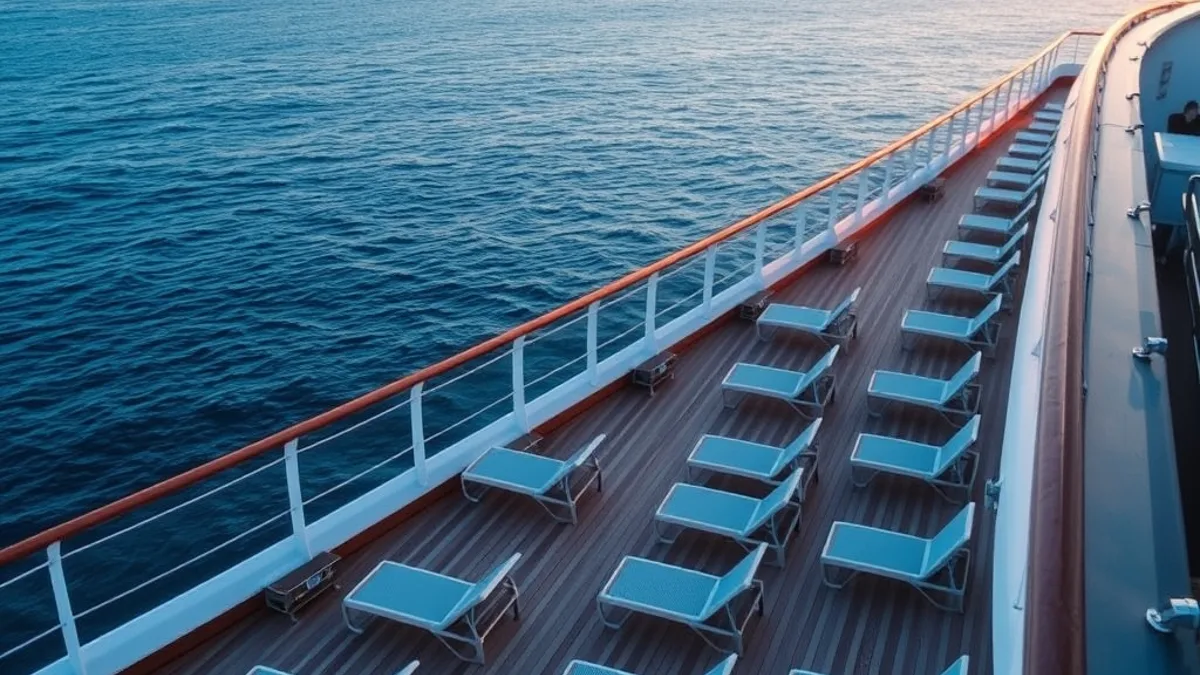
Pacing: One Base for a Week or a New Port Every Day
Pacing may matter more than price when choosing between these two styles. A resort stay typically runs 5-10 nights in one location, giving you a settled routine and zero repacking. A standard cruise itinerary covers 3-5 ports in 7 nights, which means you are regularly waking up somewhere new with a clock ticking on your time there.
A day on a cruise
Cruise days are shaped by the ship’s schedule. You get 6-10 hours ashore at each stop, and fixed embarkation times mean you are watching the clock even on a beach. Evenings bring the sail-away, dinner seatings and shows, so the rhythm is energetic and outward-facing: early starts, organized excursions, and a full program of activities once you are back on board.
A day at a resort
A resort day moves on your terms alone. Breakfast drifts into pool or beach time, a spa slot anchors the afternoon, and the evening follows one familiar routine at the same bar or restaurant. There is no schedule to obey and no luggage to touch. If that unhurried tempo appeals, a property built around slow coastal days is a good fit; one example of that style is described in this piece on breezy shorelines and unhurried tropical ease in Vietnam.
Match the pace to your energy. If you hate packing up and want to truly disconnect, the resort wins easily. If you get restless in one spot and love the thrill of a new place every morning, the cruise’s steady churn of ports will feel like a feature, not a burden.
The Onboard and On-Site Experience Compared
A big cruise ship is essentially a floating entertainment district. On a typical evening you can choose between a stage show, a casino, trivia, a pool deck movie and a packed schedule of organized activities. There is almost never a dull moment, though there is also rarely a quiet one unless you seek out an adults-only deck or a corner lounge. Resorts work the opposite way: the entertainment is slower and more personal, built around spa rituals, beach clubs, sunset swims and long, unhurried dinners. If that sounds appealing, resorts like Joywater in Thailand, known for spa rituals and beach-soft mornings, show how much atmosphere a single well-run property can deliver.
Dining tells a similar story. Cruises rotate you through multiple venues, from buffets to specialty restaurants, often with set seatings and fixed tablemates in the main dining room. You might eat Italian one night and steakhouse the next. A resort’s restaurants stay the same all week, which some travelers find repetitive and others find comforting, and room service or in-villa dining is usually just a call away.
Space, Privacy and Depth of Destination
Cruise cabins, even balconies, are compact by design, since most of your time happens in public spaces. Resort suites, terraces and private pools give you room to spread out and genuine seclusion when you want it. The destination experience differs just as much: a cruise lets you sample several regions briefly, while a resort stay lets you go deep into one coastline, its food, its people and its rhythms over a full week.
How to Choose Between a Resort and a Cruise for Your Next Trip
Neither style of vacation is objectively better, so the smartest approach is to run your own trip through a few practical filters. Work through these steps in order and the right choice usually becomes obvious. Ten minutes of honest self-assessment here can save you from a week of regret later.
- Start with your trip goal. If the point is seeing as much as possible, several islands or coastlines in one week, a cruise is built for that. If the goal is deep relaxation, wellness or simply switching off in one beautiful place, a resort serves that far better than a schedule of port calls. Write down your top two priorities before you compare any prices, and let those words guide the decision.
- Factor in your booking timeline. Cruises reward early commitment: most travelers book 6-12 months ahead to get the cabin category and location they want. Resorts are more forgiving, and booking 3-6 months out often secures both a better rate and your preferred room type. If your dates are fixed and your window is short, that alone may point you toward one option.
- Think honestly about your group. Families with young children often prefer resort flexibility, where naps, meals and pool time happen on their own schedule. Multi-generational groups, on the other hand, may appreciate a cruise’s built-in entertainment, since grandparents, parents and teenagers can each find something to do without anyone organizing it. Ask everyone who is coming what their ideal day looks like before you commit.
- Run a hybrid test before committing a full week. If you have never tried one of the two styles, book a short 3-4 night cruise or a 3-night resort stay. A low-stakes trial tells you which rhythm suits you before you invest a full week and a full budget. Many travelers discover their assumptions were wrong in one direction or the other.
Whichever way you lean, be honest about how you actually behave on vacation, not how you imagine you might. The traveler who loves a packed itinerary and the traveler who guards their hammock time should not book the same trip. Match the format to the person, not to the brochure photo, and both a cruise and a resort can deliver a memorable week.
Resort or Cruise: The Bottom Line
On costs, cruises often look cheaper per night on paper, but once you add drinks packages, excursions and gratuities, the gap with a full-service or all-inclusive resort narrows considerably. On pacing, the choice is one settled base for the week versus several ports compressed into the same days. On experience, a resort offers depth in a single destination, while a cruise offers breadth across multiple stops.
There is no universal winner here, only the right match for the trip you want. Let your goals decide: sightseeing and variety point toward a cruise, rest and immersion point toward a resort. If this helped you sort it out, leave a comment or share the article with a fellow traveler.