It’s a familiar disappointment: you book a resort because the photos show towering resort water slides and a colorful splash park, then arrive to discover your four-year-old is too short for everything, the main slide is closed for maintenance, and the queue for the one ride she can board stretches out of sight. Height limits, weekly closures and seasonal crowds can quietly reshape an entire trip.
This guide walks you through what to check before you commit. We’ll cover height rules and age zones, lifeguard coverage and water depth, how queues change between peak season and shoulder months, why many water zones close one day per week for maintenance, and what a family water park premium actually buys you. We’ll finish with a short pre-booking checklist so the pool area your kids saw online is the one you actually get.
Why resort water slides deserve a closer look before booking
Resort photos are designed to sell the wow factor, and that usually means the tallest, twistiest slide on the property takes center stage. What those images rarely show is whether the rest of the water zone matches your family. A resort can look like a water park paradise in its marketing shots while offering surprisingly little for your particular children.
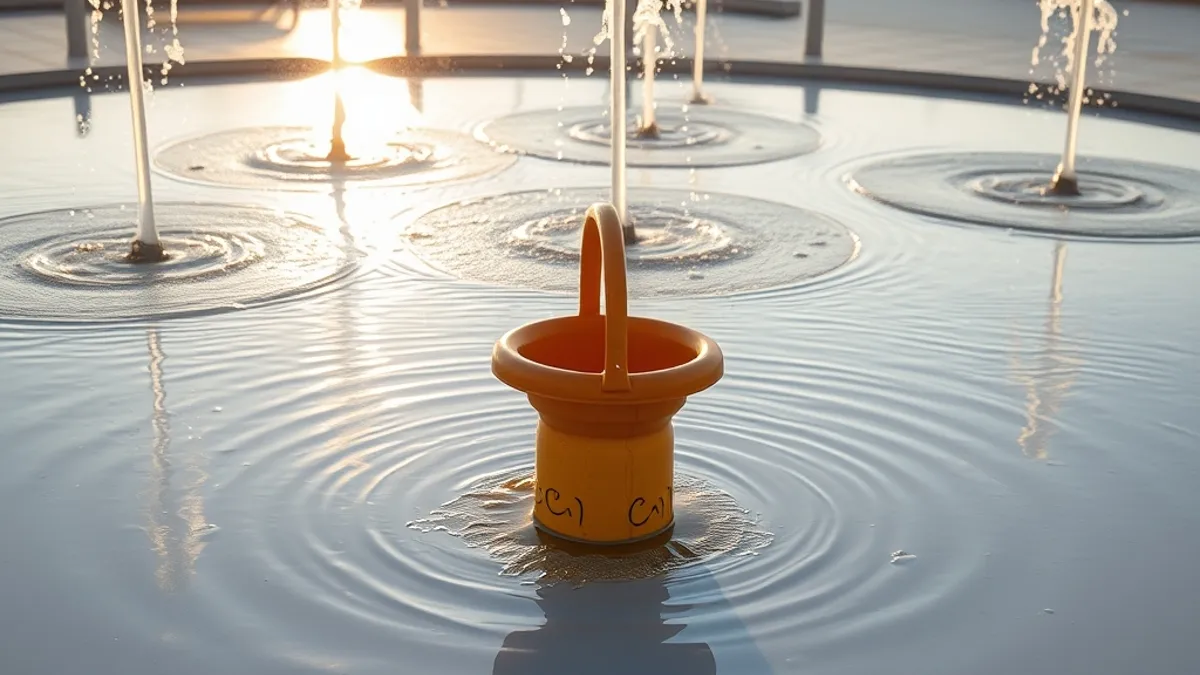
The mismatch often comes down to age. A splash park built around fountains, tipping buckets and shallow sprays is fantastic for toddlers but will bore a 10-year-old within an afternoon. Reverse the situation and it is just as frustrating: a resort whose main attraction is a multi-story slide tower leaves parents of a four-year-old with very little their child can actually enjoy. Either way, you may end up paying for facilities your family barely touches.
Why the layout matters more than the slide count
Before booking, look beyond the hero photo and study how the water zone is actually laid out. Resort websites, guest photos and reviews often reveal whether the slides, splash areas and pools sit together or are scattered across the property. A layout where your children’s age group has a dedicated, well-equipped zone means everyone gets value from the same visit, rather than one child being entertained while the other waits around.
This matters financially, too. Resorts with dedicated kids’ water features typically charge more than comparable standard resorts, so a premium rate only makes sense if the facilities genuinely fit your family. A few minutes of checking the water zone layout before you pay can be the difference between a resort your kids talk about for years and an expensive pool with one slide nobody in your family is allowed to use.
Height rules, age zones and who can actually ride
Height rules are the single most common reason families arrive at a resort water zone only to find their child can’t ride anything. Most resorts set a minimum height for each slide individually, not for the water area as a whole, and these typically fall between 100 and 120 cm for unsupervised riding. A resort can advertise four slides while three of them sit above your six-year-old’s head, so ask for a height list per slide rather than a general “kids’ slides available” answer.
Age suitability matters just as much as height. Splash park zones, with their fountains, tipping buckets and shallow sprays, typically work best for children aged 2 to 7. Slide towers, with taller drops and faster runs, generally suit ages 6 and up. If your children span both groups, look for a resort that physically separates these zones. When toddlers splash in the same space as speed-hungry ten-year-olds, neither group gets a good experience, and parents spend the whole visit policing the boundary.
Before you commit to a booking, run through these specifics:
- Measure your child in shoes-off conditions. Height checks at resorts are usually done without footwear, so a child who measures 110 cm at home in sneakers may fall short at the slide entrance.
- Ask whether the height limit applies to riding alone or riding at all. Some slides allow shorter children to ride with an adult, which changes the math for families with younger kids.
- Check how the resort handles children between the zones. A five-year-old may be too old for the splash park’s appeal but just under the height line for the slide tower, leaving an awkward gap in the layout.
- Request the slide list in order of height requirement. This tells you immediately how many rides each of your children can actually use, which is far more useful than a total slide count.
Safety supervision, lifeguards and water depth
Before you book, find out who is actually watching the water. Many resorts staff their slides and splash zones with lifeguards, but coverage is rarely all day. At larger resort water parks, lifeguard coverage typically runs 9:00-18:00, which means early-morning swimmers and evening dippers may be unsupervised. Ask the resort directly what happens outside those hours, and whether the water zone closes or simply goes unwatched.
How deep is the water, really?
Splash park design varies more than families expect. The best ones for young children use shallow-water design, with depths ideally under 30 cm, so little ones can splash, slip and play without real risk. Others feed into pool landings or shallow pools that are noticeably deeper, which changes the supervision picture entirely. A toddler who can stand safely in one park may be out of their depth in another, so ask for specifics rather than trusting the word “splash park” alone.
Also check the resort’s policy on adult accompaniment. Some properties require a parent or guardian on certain slides, in the pool landings, or anywhere outside the shallowest zones. The rule matters less than how strictly it is enforced: a policy that lifeguards actually apply gives you a safer, calmer water zone than one that exists only on paper. Ask other guests or read recent reviews to see how the rules work in practice, and confirm whether supervision requirements differ between the splash park and the slide towers.
Crowds, queues and the best season to visit
Timing changes everything at a resort water park. During the peak family season, which runs from mid-June to late August, popular slides can pull queues of 20-30 minutes. With two or three children in your group, a single hour by the slide tower might mean just a handful of rides, and the splash zones feel far from relaxing when every lounger is taken by mid-morning.
Shift the same trip to May or late September and the picture changes completely. Wait times typically drop to under 10 minutes, so kids can ride the same slides a dozen times before lunch. The splash zones are calmer too, which matters if you have toddlers who are easily knocked over by older, faster children. Shoulder season also tends to mean easier reservations for poolside cabanas and a less frantic atmosphere overall.
How the resort’s layout affects your wait
Not all resorts handle crowds equally well. Properties with several separate slide towers spread demand across multiple queues, so even in high season the lines stay manageable. A resort with a single signature slide concentrates everyone in one line, and that is where the 20-30 minute waits really bite. If you are booking for peak dates, count the slide towers on the resort map before you commit, and favor properties that clearly separate toddler areas from the bigger thrill rides.
Maintenance schedules, closures and opening hours
Water zones need serious upkeep, and that upkeep eats into your vacation days. Many resorts close their slides and splash parks one day per week for cleaning and maintenance, usually midweek. If you are staying four or five nights, there is a real chance one of those days falls on the closure, so ask the resort directly which weekday applies and plan your excursion or beach day around it.
Daily hours are another easy thing to get wrong. The main pool may open at dawn and close late in the evening, but the splash park or slide area often runs on a shorter schedule, opening later in the morning or shutting earlier in the afternoon. Parents planning a pre-breakfast swim or a post-dinner splash should confirm the exact hours for the water zone itself, not just the pool complex.
Before you book, it helps to have answers to three specific questions:
- Which weekday closes the water zone? Ask whether slides and splash areas close together or on separate days, since a staggered schedule can leave you with at least one working slide on any given day.
- Do the splash park and slides share the same hours? Some resorts open the shallow toddler zone later than the main slides, which is exactly backwards for families with early-rising little ones.
- Do the slides run year-round? If you are traveling outside the warm months, confirm whether the towers operate at all or whether only the heated pools stay open, since a winter booking with closed slides changes the value of the room rate entirely.
A five-minute email to the resort before booking settles all three. Get the answers in writing so there is no confusion at check-in.
What a family water park premium actually buys
Resorts with dedicated kids’ water zones know their value, and they price accordingly. Expect a family water park resort to cost roughly 15-30% more than a comparable standard resort in the same destination. Over a week-long stay, that premium can add up to a meaningful amount, so it is fair to ask what you are actually getting for the extra money.
Do the math on your family’s real usage
The honest calculation comes down to hours. If your children are 6 and up and would happily spend four or five hours a day cycling between the slide towers and the pool, the premium pays for itself quickly, since you would otherwise be paying for external water park tickets and transport. If your kids are toddlers who max out at 45 minutes in a splash park before wanting a snack, a standard resort with a good shallow pool may serve you just as well at a lower price. Be realistic rather than optimistic about how the days will actually go.
Look at what surrounds the water zone
The slides themselves are only part of the package. Check whether the resort provides towel service at the water zone, or whether you need to bring towels from your room each morning. Shaded seating matters more than you might think, since parents often spend hours poolside while kids ride, and midday sun with no umbrella is miserable. Nearby food and drink outlets are another practical detail: a snack bar within sight of the splash park lets you handle lunch requests without a full trek back to the room. Resorts that bundle these comforts around the water zone deliver far more value per premium dollar than those that treat the slides as a standalone attraction.
The pre-booking checklist in brief
That gap between the glossy photos and reality is exactly what a few pre-booking checks can close. Match slide heights and splash zones to your children’s ages before paying a premium, because a 100-120 cm minimum or a toddler-only splash area can leave half the family watching from a lounger. Confirm lifeguard hours, maintenance days and seasonal opening for the exact dates you travel, so a midweek closure or a slide shut for the season does not come as a surprise at check-in.
Timing matters just as much as the facilities themselves. Travel in shoulder season to trade peak queues for shorter waits and calmer pools, and the same slides feel like a different resort. Get these details right and the water zone becomes the highlight you paid for, not an expensive disappointment. If this helped you plan, leave a comment or share the article with another family heading to the water park.