You’ve found two lodges you love, but one sits on a moving river and the other on a glassy lake, and you’re not sure which water setting will actually suit your days. The difference goes far beyond the view. River lodges vs lakeside lodges is really a choice between motion and stillness, between guided action on the water and slow mornings at the shore.
This guide walks through how each setting feels from your deck, what wildlife shows up at the bank or shoreline, which activities each water type handles well, and when each one shines through the year. We’ll also cover realistic costs, booking lead times, and how to read a listing so you know exactly how close you’ll be to the water. By the end, you should be able to match the setting to your travel style and book with confidence.
River lodges vs lakeside lodges: the core difference in feel
The fastest way to understand the river lodges vs lakeside lodges question is to close your eyes and imagine the soundtrack. A river lodge never goes quiet. There’s the constant hush of the current, birdsong moving along the corridor, and the occasional fishing boat or canoe sliding past your deck. Water is always doing something, and that energy tends to carry into your whole stay.
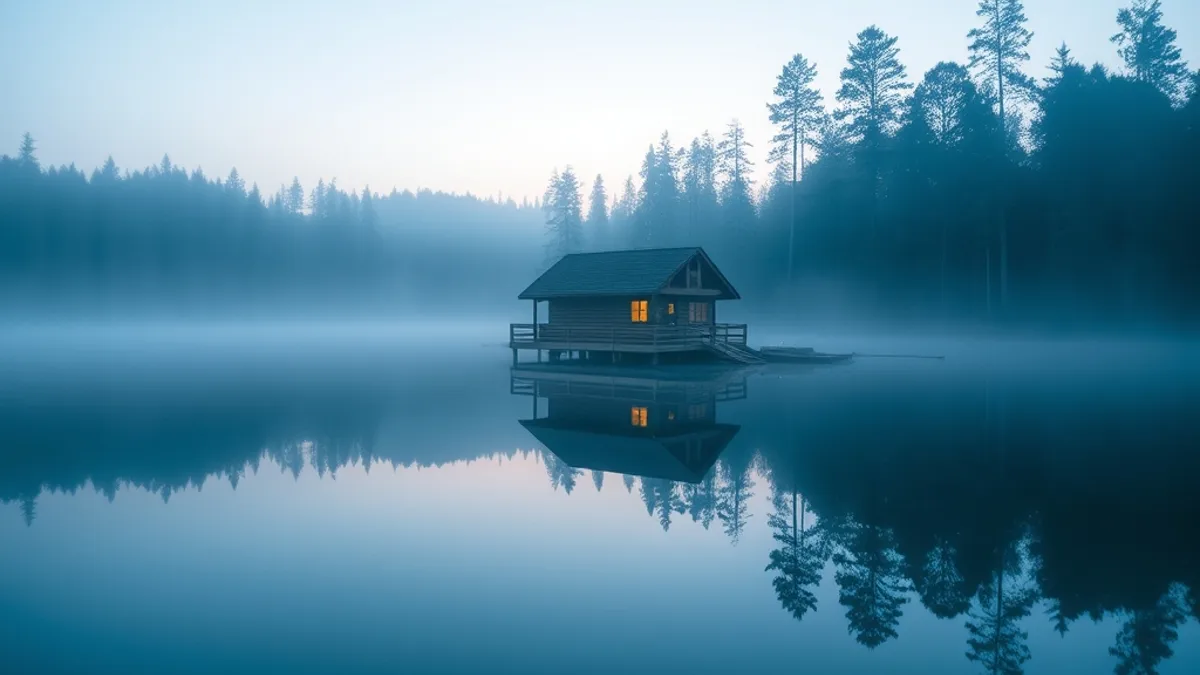
A lakeside lodge works on a different clock. Early mornings often bring mirror-still water that doubles the treeline, and the silence can feel almost total. Because a lake reads like a horizon, the view stays wide and open all day, changing mainly with light and weather rather than with the water itself.
So which one is for you?
Choose a river if you want your trip to have a pulse: movement, sound, guides heading out at dawn, and a sense that the landscape is alive and passing by. Choose a lake if what you’re craving is calm and reflection, both literally and otherwise. Neither is better; they simply suit different moods. Many travelers find that a river lodge charges up an itinerary, while a lakeside stay slows it right down. If you can, decide first what you want your quiet hours to sound like, then book the water that matches.
Wildlife and scenery along each water setting
Rivers are natural gathering lines for wildlife, and this is where they quietly beat lakes in safari regions. Animals need to drink, and a river corridor concentrates that traffic. At dawn and dusk, the banks come alive: elephants file down to the water, hippos grunt from their pools, and crocodiles lie flat and patient at the edge. If you’re considering a river lodge in southern Africa, have a look at river-side safari resorts in Botswana where wildlife sets the pace of the day for a sense of how dramatic those bank-side moments can be.
What lakes attract instead
Lake settings trade big-game drama for quieter company. Waterbirds rule the shoreline, from diving ducks to herons working the reeds, and otters are a real possibility in many lake regions. In forested or mountain country, deer, moose and other shy wildlife come down to drink at the shore, usually in the low-light hours.
The scenery works differently too. A river view is a moving picture: every bend brings new banks, rapids or channels, and the scene changes as you drift or walk along it. A lake view is a wide, panoramic frame that stays put all day, which is exactly why lakeside decks are so good for long, unhurried sits. If you want constant variation, pick the river; if you want one perfect view you can watch for hours, pick the lake.
Activities: what each water type is actually good for
Water type decides your activity list more than anything else about a lodge. Rivers are built for guided, moving-water pursuits: white-water rafting runs, drift-boat fishing where a guide works the oars while you cast, slow river cruises, and boat safaris that let you approach animals along the banks. Lakes flip the script toward self-powered and leisurely water time: swimming off the dock, kayaking to a quiet bay, paddleboarding at dawn, sunset boat trips, and the classic sauna-then-swim routine in colder lake regions like Finnish Lakeland. If that last one sounds like your kind of evening, lakeside cabins with a sauna and still morning water show the routine at its best.
One safety point matters more than any brochure line: currents make most rivers unsafe for casual swimming, even when they look calm on the surface. Calm, shallow lake bays are the swimmer’s choice, and summer lake water often sits around 18-24°C, while rivers typically run a few degrees cooler.
- Guided vs self-powered: river activities almost always need a guide or outfitter because of current and rapids, while lake gear like kayaks and paddleboards is often free for lodge guests to use whenever they like.
- Skill and fitness barriers: rafting and drift-boat fishing reward some prior enthusiasm, but lakeside swimming and sunset cruises welcome complete beginners and non-swimmers in life jackets.
- Evening rhythm: rivers tend to wind down with the last boat safari, while lakes carry the day into the night with swims under long summer light and steam rising off a dock sauna.
If swimming is a priority, check that the lodge actually has safe lake access with a gradual entry, not just a view of the water. Ask about water depth at the dock, whether the entry is sandy or rocky, and if lifeguarded swimming is available nearby. A quick email before booking saves a disappointing arrival.
Seasons and when each setting shines
Rivers follow the water calendar. In the northern hemisphere, most river lodges hit their stride from June through September, when water levels drop, gravel bars emerge and wildlife crowds the banks. In safari regions especially, the shrinking river becomes the neighborhood watering hole, so game viewing from the deck or a small boat gets noticeably better as the season dries out.
Lakeside cabins play a two-season game. Summer is for swimming, kayaking and long evenings on the dock, with water that often warms to a comfortable range while rivers nearby run several degrees cooler. Winter is the secret second act: frozen lakes, wood-fired saunas followed by a bracing dip, and snow-covered shorelines that photograph beautifully. If you want a sense of how good a still, cold-season lake can feel, look at these lakefront chalets with mountain views in Queenstown for inspiration.
The shoulder-season sweet spot
April-May and October are the quiet winners for both settings. You get thinner crowds, easier bookings and rates that often drop by 20-40% compared with peak season. Rivers still carry enough water for activities in most regions, and lakes are usually calm and swimmable in late spring. Check with your specific lodge, since high-altitude or far-northern properties can open later in spring and close earlier in autumn than lower-elevation ones.
Costs, booking lead times and how to judge a listing
Waterfront lodges cost more than inland rooms, and the premium varies a lot by season and region. Knowing the typical ranges and the right booking window helps you judge whether a listing is fairly priced or just trading on its view. The gap between a mid-range room and a luxury suite can be several hundred dollars a night for what may be the same stretch of water, so it pays to slow down before you pay. Work through a few checks in order, and treat any vague answer as a reason to keep looking.
- Compare the nightly rate to the season. Mid-range waterfront lodges typically run $150-400 per night, while luxury waterfront properties in peak season often start at $500 and can exceed $1,200. If a “budget” river lodge quotes luxury-season prices, ask what justifies the gap. Sometimes it is a genuine private frontage; sometimes it is just marketing.
- Book to your calendar, not the listing’s urgency. For June-September stays, plan 3-6 months ahead; the best-facing rooms go first. In shoulder season, 4-8 weeks is usually enough, and you may even find last-minute deals. Rates in April-May and October often drop by 20-40%, so a flexible schedule can matter more than haggling.
- Verify the true water distance. River lodges typically sit 10-50 meters from the waterline and lakeside lodges 20-100 meters. Listings often quote the nearest point of the property, not your room, so check the map and photos. A lodge “on the water” may still mean a five-minute walk from your terrace.
- Confirm private frontage and the view. Ask whether you get your own stretch of bank or shore, and whether trees, other buildings or a road sit between your terrace and the water. A single screenshot of the view from your specific room type is a fair request, and honest hosts usually send one happily.
None of these checks takes more than an email or two, and together they separate genuinely waterfront lodges from properties that simply mention water in their name. Do them before you commit, and the price you pay will match the experience you actually get.
Matching the setting to your travel style
The best water setting depends less on the water and more on who is traveling. A couple celebrating an anniversary and a group of rafters can look at the same river and want completely different things from it. Match the setting to your style and both types of lodge deliver, whether that means quiet mornings on a dock or a full day of guided action on moving water.
- Honeymooners and slow-travel fans: lakeside lodges usually win. Still evenings, mirrored morning water and a private shoreline create the kind of quiet that makes long dinners and unhurried days easy, and many lake properties offer sunset boat trips that feel made for two. In summer, lake water often sits around 18-24°C, so a pre-breakfast swim or an evening dip is genuinely comfortable rather than a dare.
- Adventure travelers and safari-goers: river lodges give you more to do. Guided boat safaris, drift-boat fishing and rafting outings start right at the dock, so you spend your time on the water instead of driving to it. Just note that rivers usually run 2-5°C cooler than nearby lakes, which matters if you plan to get in rather than on the water.
- Families with young children: a calm lake shore is generally the safer and easier choice. Gentle, shallow bays let kids paddle, swim and try a kayak under your supervision, while a river current, even a mild one, demands constant vigilance and usually rules out casual swimming altogether.
Mixed groups can split the difference by picking a lake lodge with river access nearby, or a river lodge with a calm side channel. Ask the property directly what water activities are possible on-site versus a short drive away, and confirm whether equipment like paddleboards or fishing gear is included or rented. A few questions before booking will save you from a setting that fits only half your group, and help you decide whether to prioritize the dock, the deck or the day trips.
Wrapping up the water-setting choice
So, river or lake? Rivers bring motion, wildlife action and guided days on the water, while lakes offer stillness, swimming and wide panoramic calm. In practice, the biggest difference is simply how each setting shapes your mornings and evenings: active versus quiet.
In the end, your season, budget and travel companions matter more than the water type itself. Whichever you lean toward, verify the true water distance and frontage before you commit, and you’ll rarely be disappointed. If this helped you decide, leave a comment or share the article.