Sleeping in a tree sounds magical right up until you start booking one and realize you have no idea what you are actually paying for. Some treehouse glamping stays turn out to be polished cabins with hot tubs and en-suite bathrooms, while others are closer to a climb-up camping trip with a shared wash block at the bottom of a ladder. The photos rarely tell you which is which.
This guide sorts it out. It explains what a treehouse stay actually is, breaks down the main types from simple stilt cabins to glass-walled canopy suites, and maps the comfort tiers from rustic to full luxury. You will also get a realistic picture of a night in the trees, the best times to book and what rates to expect, plus practical advice on choosing the right build for your trip. By the end, you will know exactly which questions to ask before you commit.
What Treehouse Glamping Actually Means
Treehouse glamping means an elevated, permanently built cabin among trees. It combines the height and setting of a treehouse with hotel-style bedding and services, so you get real beds, linens and usually some form of housekeeping rather than a sleeping bag on a platform. The key word is permanent: these are fixed structures, not tents hoisted into branches for the season.
That permanence changes how you enter the building. Unlike a walk-in tent or a safari lodge at ground level, a treehouse is fixed on stilts or anchored to living trees, which means stairs, a spiral staircase or a ladder instead of a door at grade. If you have mobility concerns or heavy luggage, this is the first detail to check with a host.
How High Up Are We Talking?
Most builds sit 3 to 10 meters above ground. That range shapes two things at once: the views and the practicalities. Higher builds look out over the canopy and feel properly detached from the ground, while lower ones are easier to reach and often better suited to first-timers.
The height also affects the small stuff people forget. Carrying a suitcase up three flights of outdoor stairs in the rain is a different experience from rolling it across a parking lot, and narrow hatches or landings are common. Think of the climb as part of the deal rather than an afterthought, and pack accordingly.
The Main Types of Treehouse Stays
The treehouse market has matured into distinct categories, and knowing them before you search makes browsing listings far faster. Most stays fall into one of four types, each with its own price logic and ideal guest. Understanding which category a listing belongs to also tells you what questions to ask the host about insulation, water supply and access.
The classic wooden cabin on stilts is the most common type you will find. It is usually a single room with a private deck, and that compact footprint makes it especially well suited to couples who want the experience without needing much space. Because the structure stands on its own posts rather than leaning on living trees, operators can build them in more locations and maintain them more easily, which is why they dominate listings in most regions. For many first-timers, this type hits the sweet spot between atmosphere and predictable comfort.
At the other end of the spectrum, luxury canopy suites are multi-level builds with floor-to-ceiling glass, en-suite bathrooms and sometimes a private hot tub. They are designed to feel like a boutique hotel room suspended in the branches, and they are priced accordingly. Expect the same service standards you would find at a small design hotel, often with on-site dining or in-room breakfast delivery.
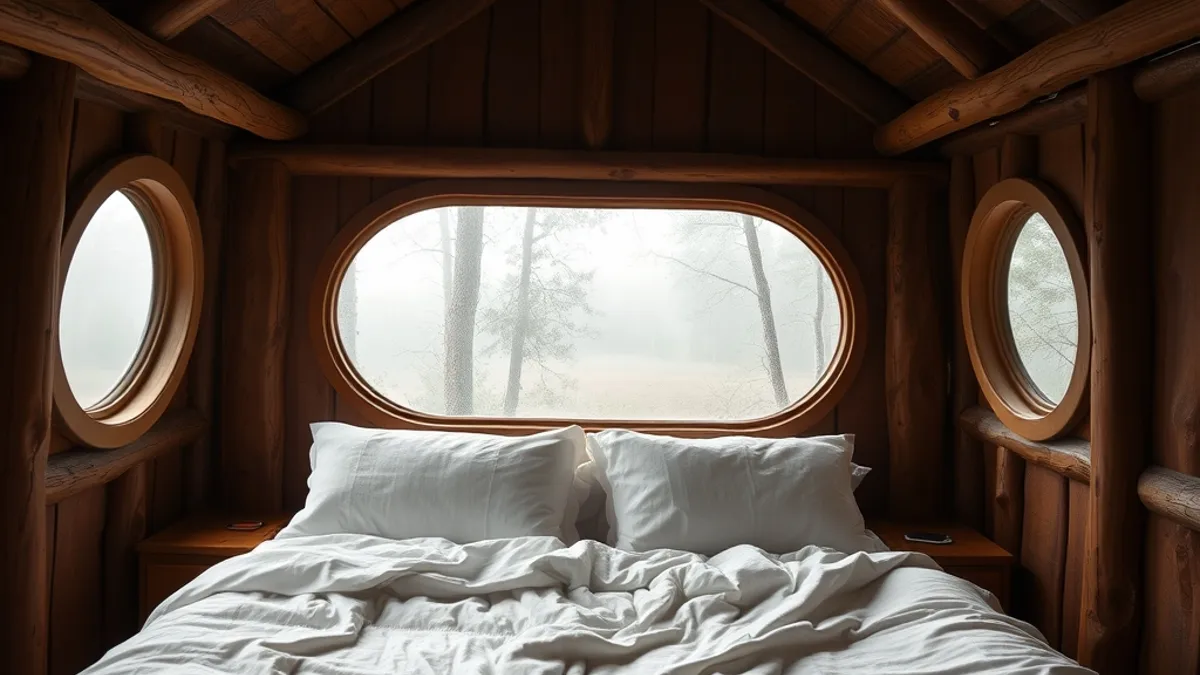
Comfort Levels: From Rustic to Full Luxury
Comfort in treehouse glamping is less about star ratings and more about three practical questions: where you sleep, where you wash and how the building handles cold nights. Rates generally fall into three tiers, and each tier buys a clearly different level of convenience.
The rustic tier runs roughly $150 to $250 per night. You get heating or a wood stove and quality bedding, but bathrooms are often shared blocks a short walk away, and cooking happens in an outdoor or communal kitchen. It is a genuine step up from camping without pretending to be a hotel.
The mid tier, around $250 to $400 per night, is where most couples end up happiest. Expect a private en-suite bathroom, a small kitchenette, insulated walls and reliable electricity. Insulation matters more than people assume: it is the difference between a cozy winter stay and shivering through the night in a pretty cabin.
The luxury tier starts around $400 and regularly exceeds $600 per night. Here you get a full bathroom with proper hot water pressure, climate control, a full kitchen or on-site dining, and extras like hot tubs or fireplaces.
- Water supply: remote builds may run on solar with limited hot water windows, meaning showers are only reliably warm at certain times of day. Ask the host directly, because this single detail affects your mornings more than any decor choice.
- Power supply: solar setups can also mean limited outlets or no hairdryer. If you need to charge cameras or work devices, confirm what the electrical system can actually handle before booking.
- Seasonal operation: some rustic and mid-tier builds close or downgrade services in colder months. A wood stove that seems charming in a listing is less so if it is your only heat source and you have never lit one before.
What a Night in the Trees Is Really Like
The first thing most guests notice is the sound. Treehouses are not silent the way a hotel room is. You will hear wind moving through the canopy, birds starting up at dawn, and the occasional creak as the structure shifts slightly in the breeze. That creaking is normal and by design: a treehouse that moves a little is a healthy one. Light sleepers should bring earplugs, and anyone hoping for hotel-grade quiet should choose an insulated mid-tier or luxury build rather than a canvas model.
Luggage logistics are real, and they start before you arrive. Since most cabins sit 3 to 10 meters up and are reached by stairs, spiral staircases or ladders, a hard-shell suitcase becomes a liability. Pack a soft duffel instead. It is easier to carry up, easier to fit through narrow hatches, and far less awkward on a spiral staircase in the rain.
Wildlife and Food
Wildlife comes close by design, which is part of the appeal. Squirrels on the deck rail and birds at the window are the upside; the downside is that food left out attracts more determined visitors. Store food exactly as the host instructs, and confirm before booking that the windows have mesh screens. Good screens mean you can sleep with the air moving without sharing your bed with insects.
Most sites also enforce quiet hours and cap guest numbers to reduce impact on the surrounding trees. The result is evenings that feel calm rather than party-like, and social areas that stay small. If you want a lively resort atmosphere, a treehouse is the wrong pick; if you want a quiet deck and a dark sky, it is exactly right.
When to Book and What You Will Pay
Timing shapes both the price and the experience. Peak season runs from June to August, when rates sit at the top of each comfort tier and the canopy is at its fullest. Leaves overhead mean privacy, shade, and that enclosed, nest-like feeling many guests book treehouses for in the first place. The trade-off is paying peak prices and competing for limited dates.
The Shoulder-Season Sweet Spot
May and September are the sweet spot for most travelers. Rates often drop 20 to 30 percent compared with peak dates, the trees still have their leaves, and midweek availability is much easier to secure. You lose a little of the deep-summer lushness but gain quieter decks and more negotiating room on which unit you get.
Whatever dates you choose, book early. A treehouse property usually has one or a handful of units, so it sells out far faster than a hotel with dozens of rooms. For summer weekends, plan on booking 3 to 6 months ahead. Last-minute availability does appear, but it tends to be midweek or off-season rather than a July Saturday.
Winter stays are possible, and can be genuinely cozy in insulated builds with a wood stove or heating. Before committing, confirm two things with the host: that access paths are cleared and safe in snow or ice, and that the water systems are properly winterized. A heated cabin with frozen pipes is not the trip anyone plans.
How to Choose the Right Treehouse for You
The right treehouse depends less on the photos and more on how you actually travel. A classic wooden cabin on stilts suits a first-timer on a budget: one room, a deck, and enough comfort to test whether sleeping in the trees is for you. A luxury canopy suite, with its glass walls and en-suite bathroom, is the better match for anniversaries and special occasions where the stay itself is the point.
When comparing options, prioritize the comfort factors you cannot fix once you arrive. A private bathroom, reliable heating, and real insulation change a trip far more than stylish decor does. You can live with plain furniture; you cannot live with a cold night or a walk to a shared bathroom block in the rain.
Access is the detail travelers most often skim past. Because these builds are raised several meters into the canopy and reached by stairs, spiral staircases or ladders, getting up and down shapes your whole stay. Anyone with limited mobility, young children, or a bad knee will feel every step, so read the access description carefully and message the host with questions.
Sleep capacity deserves the same scrutiny. Most units are built for 2 adults, and a host who states that honestly is a good sign. A few practical checks before booking:
- Ask how the third sleeper is accommodated. If a unit claims to take three, find out whether that means a real bed or a fold-out that blocks the only walkway.
- Confirm the bathroom situation in writing. “Bathroom nearby” can mean en-suite or a shared block a short walk away; these are very different stays at the same price point.
- Check what powers the build. Remote units may run on solar, which can mean limited hot water windows; ask when hot showers are available rather than assuming around-the-clock supply.
The Takeaway: Sleeping Among the Trees, Minus the Guesswork
Treehouse glamping covers a wide range, from rustic stilt cabins starting around $150 per night to luxury canopy suites past $600. That spread is why the type you pick sets the whole experience: the same word “treehouse” can describe a climb-back camping trip or a glass-walled suite with a hot tub.
The good news is that comfort is easy to predict before you book. Run three checks: a private bathroom, proper heating, and honest access details covering the stairs or ladder. Then time it right — book 3 to 6 months out for June through August, or aim for May and September for lower rates and quieter decks. If this helped you plan a night among the trees, leave a comment or share the article with a fellow traveler.