Planning a family trip with both toddlers and grandparents usually raises one big question before anything else: should you book a two-story villa or a single-level one? The two-story vs single-level villas debate matters more than most travelers expect, because the layout shapes everything from nap times to how easily grandma gets to breakfast. A staircase that delights a five-year-old can become a daily hurdle for someone with sore knees.
This guide walks through how each layout works in practice, what to check before booking, and how to match the floor plan to your group’s ages and mobility. We’ll also cover destinations where both layouts sit side by side, typical nightly price ranges, and the booking windows that give you the best chance of securing the right villa. By the end, you’ll know exactly which questions to email the resort before you pay.
Why villa layout matters when kids and seniors share a trip
Three-generation trips live or die on the floor plan. Grandparents often turn in early and nap after lunch, while kids crash out by seven or eight in the evening. At the same time, the whole point of traveling together is sharing meals, pool afternoons, and evening chats on the terrace. A good villa layout delivers both: quiet, separated bedrooms for sleeping, and one generous shared space where everyone gathers without feeling cramped.
Stairs are the single biggest divider in any multi-level villa. For energetic kids, a staircase is practically an attraction, and older children treat the upstairs as their own territory. For grandparents, those same stairs become a daily obstacle, especially at night or after a long day of sightseeing. Every trip up and down requires attention, and one misstep can end a holiday early.
What the layout quietly controls
Your layout choice also affects three things that rarely appear in resort photos. First, safety: stairs, balconies, and split levels all add supervision points to manage. Second, noise: footsteps on wooden upper floors carry straight down into the living room, which matters when grandparents nap while toddlers play. Third, sightlines: in a single-level, open-plan villa, parents can watch the pool, the living room, and the kids’ bedroom doorway from the kitchen. In a two-story villa, that visibility splits across floors, so parents rely more on baby monitors and hallway checks. Thinking through these details before booking saves a lot of reshuffling once you arrive.
Two-story villas: space, separation and the stair trade-off
Two-story villas shine when your group wants genuine separation. Teens and adults can claim the upstairs bedrooms as a quiet retreat, while younger kids sleep downstairs near their parents, or the arrangement flips if grandparents take the ground floor. Either way, one floor becomes the late-night, grown-up zone and the other stays calm for early bedtimes. That physical split is hard to replicate in a single open space.
Space is the other big advantage. At the same price point, you can typically expect 15-30% more floor space than a comparable single-level unit at the same resort, because the footprint stacks rather than spreads. Ground-floor bedrooms in these villas usually sleep 2-4 guests, while upper-floor rooms handle 2-6, which gives you flexibility in pairing roommates.
The trade-off, of course, is the staircase. Before booking, treat the stairs as a safety checklist item, not a given. Ask the resort directly about the following:
- Stair gates: confirm the resort supplies and installs them at both the top and bottom, and ask whether they fit the actual stair width rather than a generic model.
- Railings on both sides: a single railing forces toddlers or unsteady seniors to grip one side only; double railings make the climb far safer.
- Night lighting: ask whether stairways have motion-sensor or switch-controlled lights, since dark staircases after bedtime are where most stumbles happen.
Two-story villas are the best fit for families with mobile kids and no mobility-limited travelers. If everyone in your group can climb stairs comfortably, the extra space and privacy are well worth it.
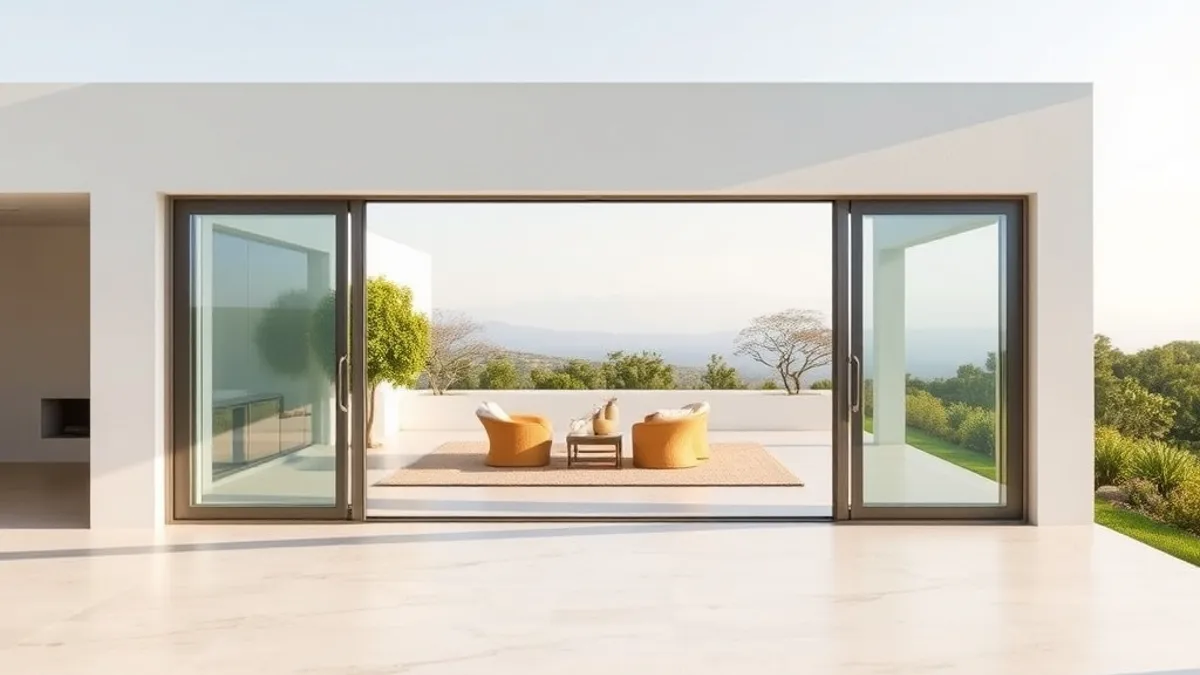
Single-level villas: effortless flow for seniors and toddlers
Single-level villas remove the biggest hazard from the equation entirely: there are no stairs to supervise, gate, or navigate in the dark. Grandparents can wander to the kitchen for a glass of water at midnight without a thought, and toddlers still finding their footing can move around freely without an adult stationed at a staircase. That freedom benefits everyone, including parents who no longer have to shadow every movement.
The design details matter just as much as the missing staircase. Wide doorways and flat thresholds suit walkers and strollers alike, so nobody has to lift equipment over lips or squeeze through narrow frames. These villas generally suit most seniors well, with doorways wide enough for walkers to pass through comfortably. Open-plan living then ties it all together: the kitchen, dining area, and lounge share one sightline, so the adult cooking dinner can still watch a toddler stacking blocks and a grandparent dozing on the sofa at the same time.
This layout is the best fit for groups with seniors, infants just learning to walk, or wheelchair users. A few extra details worth confirming with the resort:
- Shower access: ask whether bathrooms have walk-in or roll-in showers with grab bars, since step-over tubs can undo much of the accessibility advantage.
- Pool entry: in single-level pool villas, check whether the pool has a graduated step entry or a handrail rather than a ladder only.
- Flooring: smooth, non-slip flooring matters for both stroller wheels and walkers, so ask what the bedroom and terrace surfaces are made of.
How to match villa layout to your group’s ages and needs
Once you know whether a two-story or single-level villa suits your family in principle, the next step is matching the specific floor plan to the actual people in your group. A villa that looks perfect in photos can fall apart in practice if the senior’s bedroom sits upstairs or the toddler’s room is across an open staircase landing. The good news is that most of these problems are avoidable with a handful of targeted questions, asked before you hand over a deposit rather than after you arrive. Resort staff deal with these requests every day, so you won’t be asking anything unusual. Work through the checks below in order, and you’ll know within a single email exchange whether a villa truly fits your group or just photographs well.
- Count bedrooms by sleep pairs. List who shares which room: grandparents in one, parents plus a toddler in another, older kids together. A villa with 3-4 bedrooms and around 120-250 sqm of space fits most three-generation groups comfortably, giving each pair privacy without paying for rooms you won’t use.
- Ask about ground-floor bedrooms in two-story units. Many duplex villas place one bedroom on the ground floor. If that room can host the grandparents, the stairs become optional for them rather than a daily requirement, and you get the extra space of a two-story layout without the mobility problem.
- Prioritize en-suite bathrooms on the senior’s floor. Nighttime bathroom trips are the most common fall risk for older travelers. A private bathroom a few steps from the senior’s bed matters more than a second living area. Put the kids in a shared room elsewhere, where noise and early bedtimes bother nobody.
- Confirm step-free pool access in single-level pool villas. “Pool villa” doesn’t always mean the pool is reachable without steps or a raised lip. Ask specifically whether there is a gradual entry or handrail, especially if a grandparent or stroller will use the pool area daily.
Resort booking teams can usually answer all four questions in one email, and many will send a floor plan PDF on request. If a sales team hesitates or gives vague answers about bedroom locations, treat that as useful information too — a resort confident in its floor plans will happily clarify them. Getting these details in writing before you pay is the cheapest insurance you’ll ever buy for a family trip, and it gives you something concrete to reference at check-in if the room you’re shown doesn’t match what was promised.
Where to find both layouts: destinations with villa variety
If you’ve decided on a layout, the destination often decides how easy it is to find. Some regions naturally build up, others build out, and a handful of tropical resort areas offer both styles side by side on the same property, which is ideal when your group is still undecided. Rather than locking into a floor plan before you know what’s available, start by choosing a destination where both options exist, then compare real layouts.
- Bali, Langkawi and the Maldives. Resorts in these destinations commonly list duplex and single-level pool villas in the same inventory, so you can compare stair setups and garden flow within one booking. On Langkawi, some resorts pair hillside duplexes with flat beachfront villas, and you can get a feel for the island in Langkawi Getaways hidden in Green Hills Above the Sea.
- Hill and mountain regions. Sloped terrain favors multi-level houses, and ground floors are often taken up by garages or living areas rather than bedrooms. Verify in writing that a bedroom actually sits on the entry level before booking a mountain villa for a group with seniors, and ask for a floor plan rather than relying on photos.
- Coastal and island destinations. Flat land and resort-style development mean the widest selection of single-level villas, often with outdoor bathrooms, shaded terraces and pools that suit both strollers and walkers without any interior stairs at all.
A practical tactic is to shortlist two or three resorts in a flat, coastal area and email each one asking for both layout options. Request the exact villa category you’d be assigned, since even the same resort can mix duplexes and single-level units across its inventory. You’ll quickly see which properties genuinely cater to mixed-age groups and which simply list “family villa” without thinking about who’s in the family. The replies themselves are telling: resorts that answer with detailed floor plans and bedroom locations tend to handle special requests well once you arrive, too.
Budgeting and booking the right layout
Villa layout and villa price are closely linked, so it pays to know typical ranges before you fall in love with a floor plan. As a broad guide, two-story family villas in tropical resort destinations commonly run $250-600 per night, while single-level pool villas commonly range $200-500. The overlap is real: a well-located single-level villa can cost more than a basic duplex, so compare what you get per square meter, not just the nightly rate.
Timing your booking
High season in most tropical regions runs from December to March, and the best villas in that window go first. Book 3-6 months ahead if you’re traveling then, especially if you need a specific layout, since resorts often have only a handful of single-level pool villas each. If your dates are flexible, target the May-June or October-November shoulder seasons: rates tend to drop and the pools are quieter, which suits both toddlers and grandparents.
Confirm before you pay
Whatever the season, email the resort directly before paying. Ask for the floor plan, confirm which bedrooms sit on which floor, and check whether stair gates and night lighting are available if you’re considering a two-story unit. A short email exchange also tells you a lot about how responsive the resort will be once you’re on site, which matters when you’re traveling with three generations under one roof.
Choosing with confidence
The choice comes down to who needs what most. Two-story villas win on space and separation, giving everyone room to spread out, while single-level villas win on safety and flow, keeping seniors and toddlers moving freely without a staircase in the way. Neither layout is better in the abstract; the right one depends entirely on your group.
The simplest way to decide: match the layout to the least mobile member of your group first. Then verify floor plans, stair safety and bedroom placement directly with the resort before you pay, and book early for high season or aim for the shoulder months to balance cost and comfort. If this helped you weigh the options, leave a comment or share the article with someone planning a multi-generation trip.