Booking a villa with a “fully equipped kitchen” sounds reassuring, until you arrive and discover it means a kettle, a two-burner hot plate and one tired frying pan. Many travelers have been there: groceries in hand, a roast planned, and no oven in sight. Villa kitchens vary enormously, and listing photos rarely tell the whole story.
This guide walks you through what “fully equipped” usually means, which appliances you can reasonably expect, what cookware and tableware typically come with the rental, and the small appliances that make breakfast easier. We also cover pantry staples, what you should buy yourself, and how to verify the kitchen setup before you book. By the end, you’ll know exactly which questions to ask a host, so your villa kitchen matches your cooking plans rather than disappointing them on arrival day.
What ‘Fully Equipped’ Usually Means in Villa Kitchens
The phrase “fully equipped” is one of the most flexible terms in vacation rental listings. In most cases, it means you’ll find a stovetop, a fridge, a sink and some basic cookware. That’s it. An oven is not guaranteed, and many travelers only discover this when they arrive with plans to bake or roast.
Budget and mid-range villas often skip the gas range entirely. Instead, you’ll typically find a two-burner hot plate or an induction cooktop. These handle simple meals like pasta, eggs and stir-fries perfectly well, but they limit anything requiring simultaneous high heat or long, multi-pan cooking. If your vacation style involves proper home cooking, this distinction matters more than the difference in nightly rate.
Indoor, outdoor or semi-open?
In tropical destinations, villa kitchens are frequently covered outdoor or semi-open spaces rather than enclosed indoor rooms. This changes the cooking experience in practical ways: ventilation is excellent, but humidity, insects and afternoon rain can affect food prep and storage. Before booking, check the listing description or ask the host whether the kitchen is indoor, outdoor or semi-open, and look at photos closely enough to see where the fridge and cooktop actually sit. An open-air kitchen can be a delight for grilling-style meals, but less pleasant for anyone planning elaborate baking projects.
Core Appliances to Expect in a Villa Kitchen
The core appliance set in most villa kitchens is fairly predictable. You can expect a full-size fridge, sometimes paired with a small freezer compartment, a four-burner stovetop, and either a microwave or a toaster oven for reheating. That combination covers the majority of everyday vacation cooking, from breakfast eggs to reheating leftovers after a day out.
The full-size oven is the main variable. It appears in roughly 60-70% of villa listings, which means a meaningful share of kitchens manage without one. If baking bread, roasting a chicken or making a lasagna is part of your plan, confirm the oven exists before you book rather than assuming it does. A microwave is not a substitute.
Higher up the price scale, the appliance list grows. Dishwashers and wine fridges are luxury-tier features, common in villas above roughly $400 per night. In more modest villas, dishwashing is by hand, so factor that into your evening routine.
- Freezer capacity: the freezer compartment in many villa fridges is small, often just enough for ice trays and a few frozen items, so plan meals around fresh ingredients rather than bulk-frozen shopping.
- Washing machines: in many villa layouts the washing machine is housed in or near the kitchen, sometimes tucked behind a cabinet door, so don’t be surprised to find laundry facilities sharing the space.
- Counter layout: luxury villas often add generous prep surfaces and breakfast bars, while budget units may leave you with a narrow strip of counter, worth checking in photos if you cook a lot.
Cookware, Tableware and Utensils You Can Rely On
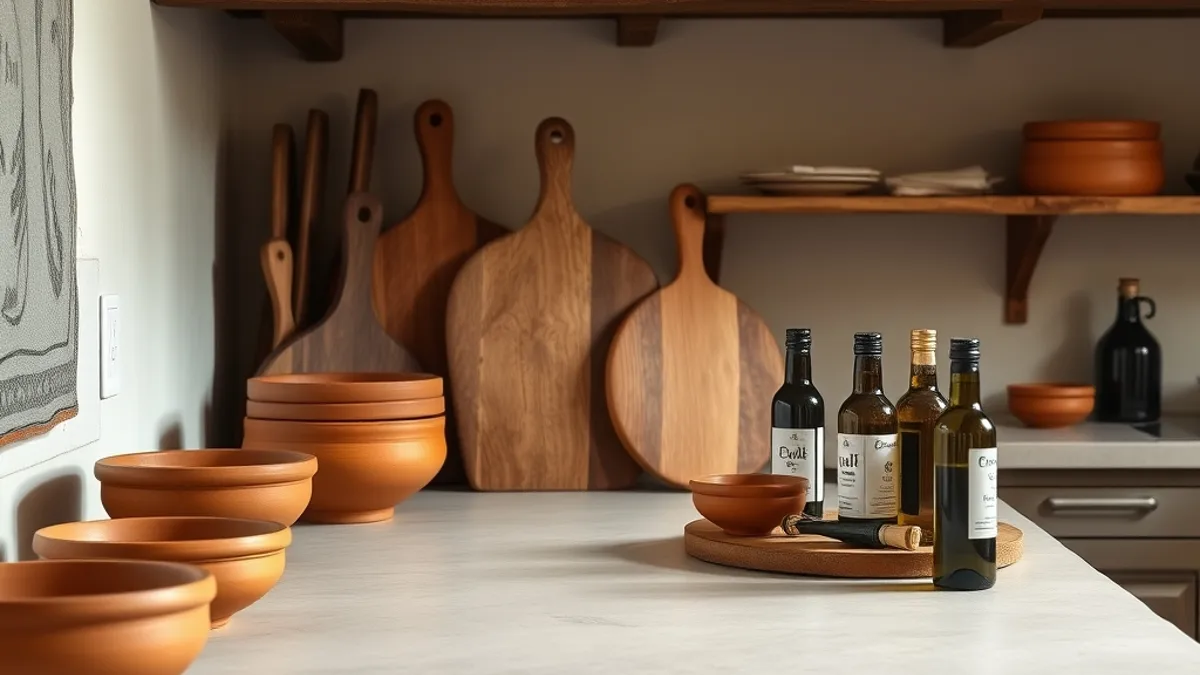
Once you know which appliances to expect, the next question is what you’ll actually cook with. The standard cookware inventory in a villa kitchen is modest but workable: 2-4 pots, 1-2 frying pans and a baking tray. Alongside these, most kitchens include a colander and a set of mixing bowls, which covers the basics of boiling, frying and simple oven or stovetop dishes.
Tableware follows a similar logic. In villas sleeping 4-6 guests, expect 4-8 place settings of plates, cutlery and glasses. That’s usually enough for your group, though a chipped plate or a missing wine glass is not uncommon, so a quick inventory on arrival saves surprises later.
Knives are the weak point in most villa kitchens. Blades are often dull, lightweight and better suited to slicing fruit than prepping a full dinner. Serious cooks frequently pack their own knife in checked luggage; if you do, wrap it securely and check airline and local regulations first.
- Utensil drawers: you can usually count on spatulas, ladles, tongs and a corkscrew, but measuring cups are hit-or-miss, so bring a small set if you follow recipes precisely.
- Pan condition: villa frying pans often show heavy use, with scratched non-stick coatings; if searing or delicate cooking matters to you, check photos or ask the host about recent replacements.
- Cutting boards: most kitchens provide one or two boards, but they may be small or deeply scored, which matters for both hygiene and knife care if you brought your own blade.
Coffee, Breakfast and Small Appliances
Coffee gear is one of the clearest signals of a villa’s overall level. In simpler rentals you’ll typically find a French press or a moka pot on the shelf, which works fine if you’re happy with good, strong coffee. High-end stays are a different story: bean-to-cup machines that grind fresh beans at the touch of a button are increasingly common in the luxury tier, and some hosts leave a starter bag of local beans to match.
Kettles and toasters are near-universal across every price range, so you can count on morning toast and hot drinks without asking. Blenders are more selective. They show up mainly in wellness-oriented properties and luxury villas, where guests expect to make smoothies and fresh juices as part of the stay. If a green breakfast is part of your routine, a blender is worth confirming rather than assuming.
Juicers and the resort-style breakfast effect
Some tropical villas go a step further and add dedicated juicers or smoothie makers, mirroring the breakfast routines guests enjoyed at resorts. It’s a small detail that makes a self-catered morning feel more like vacation. Villas that lean into wellness often extend this thinking beyond the kitchen, and if that appeals to you, this look at Nosara wellness havens built around tropical reset and quiet design shows how whole properties can be shaped by that philosophy.
One practical tip: if the listing photos show a blender or juicer, check whether it’s a full-size model or a compact personal blender. The latter handles a single smoothie well but struggles with larger batches, which matters if you’re traveling with a family. When in doubt, ask the host directly for the exact model before you book, the same way you would confirm an oven or a dishwasher.
Pantry Staples, Consumables and What You Must Buy
Here’s the rule that saves the most frustration: never assume anything edible will be waiting in the cupboards. Roughly half of villa rentals provide starter staples such as salt, pepper and cooking oil, and some go a little further with tea or sugar. But the other half leave you with empty shelves, and even stocked kitchens rarely include more than the bare minimum.
Spices beyond salt and pepper, condiments like soy sauce or vinegar, and fresh basics such as milk, butter, bread and eggs should all be on your shopping list. Plan a grocery run on arrival day, ideally before you reach the villa, so you’re not cooking your first dinner with nothing but a fridge of drinks.
Before you travel, ask the host or manager where they shop. That one question tells you a lot about your options, and it’s worth covering a few specifics:
- Distance to the nearest shop: in remote villa areas there may be only one small store within a 20-30 minute drive, which shapes what you can realistically buy midweek.
- Market days: many towns hold a fresh produce market once or twice a week; timing your arrival near one means better fruit, vegetables and local ingredients.
- Refrigerator space: if you’re stocking up for several days in a remote spot, ask whether the fridge is full-size so you can plan quantities accordingly.
- Delivery options: some areas have grocery delivery services that can bring an order to the villa, a useful backup if you arrive late or don’t want to drive.
A short shopping list written before you fly covers the gaps: oil, salt, pepper, coffee or tea, bread, eggs, milk and a couple of condiments you actually use. Everything else can wait until you’ve seen what the kitchen already holds.
How to Verify Villa Kitchens Before You Book
Villa kitchen listings can be vague, and photos don’t always show what matters. A few targeted checks before you book will tell you whether the kitchen matches your cooking plans, and they take less than an hour combined. The goal is simple: replace guesswork with specifics, so you know whether you’re working with a proper kitchen or a hot plate and a kettle before money changes hands.
- Message the host for a full list. Ask specifically for the appliance and cookware inventory, including whether there’s an oven, and do it 2-4 weeks before arrival. This window matters most for holiday-season stays, when hosts are busy and you need enough time to adjust plans or pick a different villa if the answer falls short. A short, direct message works best: list the items you care about, such as oven, knives, blender and coffee setup, and ask for yes-or-no answers rather than a general description.
- Zoom into the photos. Look for shots of open cabinets and drawers. You can often spot oven size, the condition and type of knives, and roughly how many place settings are stacked on the shelf. A photo of a stovetop with no oven in sight is a useful clue in itself. Also check whether the kitchen is indoor, semi-open or fully outdoors, since that changes what you can realistically cook in hot or humid weather.
- Read recent reviews with intent. Search reviews for phrases like “well stocked kitchen” or “only a hot plate.” Guests are surprisingly specific about kitchen setups, and recent comments reflect the current state of the cookware better than listing photos that may be years old. Pay attention to comments from guests who cooked regularly rather than those who just made breakfast once.
If the host’s answers are slow or vague, treat that as information too. A host who can’t confirm whether the villa has an oven probably hasn’t spent much time thinking about the kitchen, which tells you what to expect. On the other hand, a host who sends a detailed inventory, or offers to add a missing item before you arrive, is a good sign the kitchen is genuinely usable. When the details check out, you can book with confidence and spend your pre-trip energy on the grocery list instead.
Wrapping Up Your Villa Kitchen Checklist
So what does “fully equipped kitchen” really mean when you book a villa? In most cases, it covers the essentials: a stovetop, a fridge, basic cookware and 4-8 place settings of plates, glasses and cutlery. A full-size oven, dishwasher or wine fridge is a pleasant extra rather than a given, so never assume one will be waiting for you.
The safest approach is to confirm the appliance and cookware list with your host 2-4 weeks before arrival, especially for holiday-season stays, and plan a grocery run for staples like oil, spices and fresh basics. Most importantly, match the kitchen’s real setup to your cooking plans before you book, not after you walk in with a bag of groceries. If you have arrived at a villa expecting a proper oven and found only a hot plate, share your experience in the comments or pass this article along to a fellow traveler.