Every family has seen the photos: towering slides, smiling kids, a lazy river glowing in the sun. But water park resorts vary enormously in what they actually offer, and a resort that looks perfect online can turn out to have a single toddler pool and nothing for your ten-year-old. The difference between a great trip and an expensive disappointment usually comes down to matching the park to your children’s ages, checking the safety setup and understanding the true cost before you book.
This guide walks you through the decisions that matter most. We cover how to match slides and splash zones to each child, what to verify about lifeguards and supervision, which room layouts work for families, when to travel and book, how to calculate the real nightly cost, and the extras that make rest days enjoyable. By the end, you will know exactly which questions to ask before paying a deposit.
Match the Water Park to Your Kids’ Ages
The single biggest mistake families make is booking a resort based on its biggest, most photogenic slide. That slide might be brilliant for one child and completely off-limits to the rest. Before comparing prices, work out what each of your kids can actually ride and play on.
Toddlers and younger children
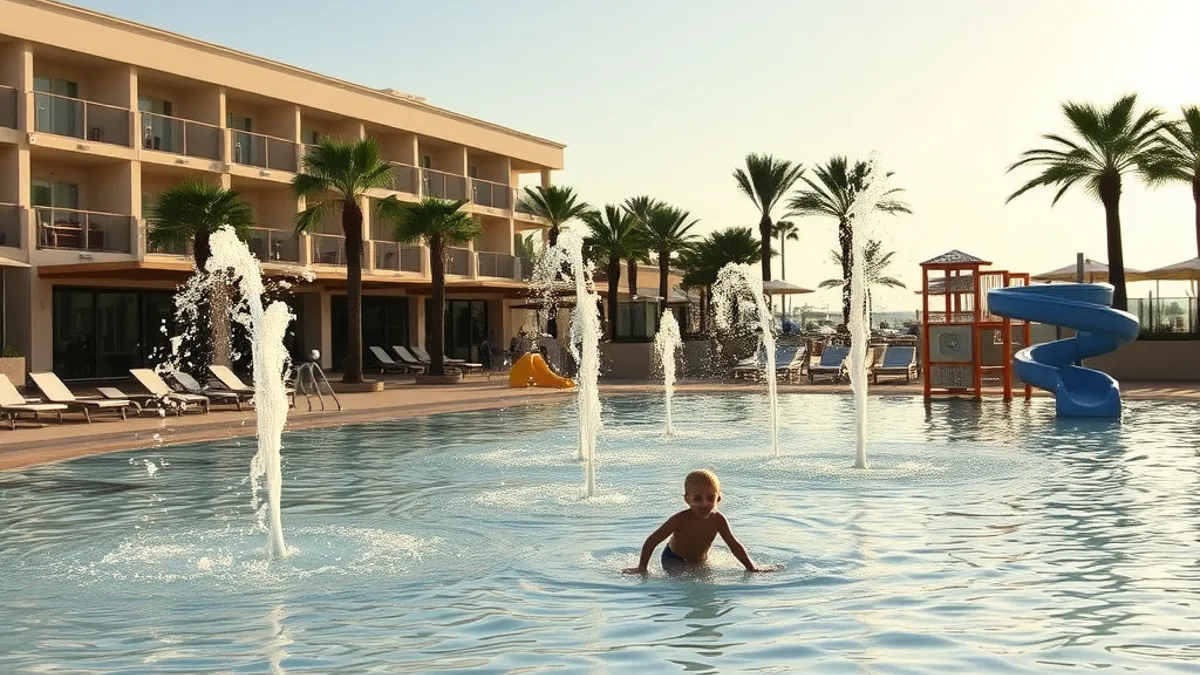
Toddlers and preschoolers need a dedicated splash zone, not a corner of the main pool. Look for shallow water, ground-level fountains, gentle spray features and zero-depth entry, where kids can walk straight in without steps or a sudden drop. Most splash zones are designed for ages 2-7, so if your youngest falls in that range, check that this area is genuinely a highlight of the park rather than an afterthought.
Kids 8-12 and teens
Children in the 8-12 range quickly outgrow toddler areas. They want mid-level body slides, a lazy river to float along and a wave pool with a bit of drama. A park that is mostly shallow splash zones will bore them within a morning. Teens are the toughest audience: they stay engaged only if there are genuine thrill slides, and those typically require riders to be at least 1.2 m tall. If your teen is close to that height, confirm the rules before you book.
Finally, count the slides per age group rather than trusting the headline number. A resort advertising “twelve slides” might have ten aimed at thrill-seekers and two tiny ones for little ones. A quick breakdown by height category tells you whether the park suits all your children, or just one of them.
Check Safety, Supervision and Lifeguard Setup
Water safety at a resort is not something to take on trust. Lifeguard coverage and slide height rules vary from one property to the next, so it pays to ask specific questions before you hand over a deposit. A beautiful pool complex means little if supervision is thin where your children will actually swim. Treat this part of your research exactly as you would room sizes or pricing: ask directly, get details, and write down the answers.
Start with lifeguards. Certified lifeguards should be posted at every pool and at the top and bottom of slide towers, not only at the main pool where the crowds gather. Quiet back pools and kids’ areas are exactly where attentive coverage matters most, because that is where a struggling child is least likely to be spotted quickly. Ask how many guards are on duty during peak hours and whether coverage changes midday or in the evening. Also remember that slide height and age rules differ by resort, so verify them against your children’s actual heights before booking rather than assuming your home pool’s rules apply.
- Fencing and gates: the best resorts fence and gate their pool zones, so young children cannot wander from a play area straight into deep water unsupervised. Ask whether gates are self-closing and whether the barrier surrounds every pool, not just the main one.
- Depth markings: clear, visible depth markings in kids’ areas let you judge at a glance whether a zone matches your child’s ability, without testing it yourself first. Faded or missing markings are a small detail that says a lot about overall maintenance.
- Life jackets: ask in advance whether the resort provides life jackets free of charge for young children, and whether they carry sizes for toddlers as well as school-age kids, since renting or buying them on site can be awkward. If your child is a weak swimmer, bring your own properly fitted jacket anyway.
A resort that answers these questions easily and in detail is usually one that takes supervision seriously. Staff who can name their safety procedures without hesitation give you real confidence. Vague answers, on the other hand, are a reason to keep looking, no matter how impressive the slides look in the photos.
Choose Rooms and Layouts Built for Families
Even the best water park loses its appeal if your family is crammed into a room built for two. Room size and layout deserve as much attention as the slide count, because you will spend evenings, naptimes and rainy afternoons there.
Space and practicalities
Family rooms or suites typically start around 40-45 sqm. Anything smaller usually means bunk beds squeezed together and no privacy for anyone, which gets old fast on a multi-night stay. Check the exact floor plan, not just the “family room” label, and confirm whether the sleeping arrangement is two proper beds, a sofa bed or a bunk ladder your four-year-old will attempt at midnight.
A kitchenette, or at the very least a fridge, makes a bigger difference than most parents expect. Chilled water, snacks, baby bottles and leftover breakfast all become simple, and you are less dependent on poolside snack bars every time someone is hungry.
Location within the resort
Ground-floor or pool-access rooms are worth requesting: they cut wet-walk time dramatically when you are carrying a tired, dripping child back from the water park. Just as important, check how far the family wing sits from the water park itself. A 5-10 minute walk is ideal; anything longer means repeated treks for forgotten goggles, towels and sunscreen, and you will feel every one of those minutes by the third day.
Time Your Stay: Season and Booking Lead Time
When to go for the best mix of price and sunshine
Water park resorts follow a simple pattern: the hotter the weather, the bigger the crowds and the higher the prices. Peak water park season runs from June to August in the Northern Hemisphere, which means long lines at the slides, packed pools and the steepest nightly rates of the year. If your schedule is flexible, it pays to look at the edges of that window.
May and September are the classic shoulder months, and they can cut your rates by 20-40% while the pools stay comfortably warm. The atmosphere is calmer too, so you can actually find loungers near the wave pool and let older kids roam the lazy river without losing sight of them. For many families, this is the sweet spot between value and good swimming weather.
Booking lead time matters more than you think
Family rooms are the first category to sell out at any resort, especially in peak season. Book 3-6 months ahead if you are traveling in summer, because by the time you start comparing options in spring, the larger suites may already be gone. Early booking also gives you a better choice of room locations, which matters if you want to be close to the water park.
Traveling in winter does not have to mean skipping the water park entirely. Indoor water park resorts sidestep season limits altogether, keeping the water heated and the slides running no matter what the weather is doing outside. They are a reliable option for school-break trips when you cannot shift your dates.
Work Out the Real Cost per Family
The nightly rate on the booking page rarely tells the whole story. All-inclusive family packages often run $250-500 per night for a family of four, and what that price actually covers varies enormously from one resort to the next. Before you compare two resorts on price alone, break down exactly what each package includes, because the gaps add up fast over a week.
Food is the expense families underestimate most. Some parks have one main restaurant and little else, which pushes everyone toward costly snack bars and poolside kiosks by mid-afternoon. If a resort has several dining options at different price points, or rooms with at least a fridge, you have far more control over your food budget.
- Towels: some resorts charge a rental fee per towel per day, which quietly adds up with a family that swims twice daily.
- Lockers: secure lockers near the slides are often coin- or card-operated and are not part of the package rate.
- Kids’ clubs: supervised activities are sometimes bundled in, but at many resorts they carry a separate daily or half-day fee.
- Park access: confirm whether unlimited water park entry is included or limited to certain hours or days of your stay.
Finally, think about trip length. Shorter 3-4 night stays often deliver better value than a full week at peak rates, since you get the same full water park experience without the extra nights of food and extras. Check the current package details directly with the resort before booking, as inclusions change from year to year.
Look Beyond the Slides: Family-Friendly Resort Extras
A great water park resort keeps everyone happy even when nobody is in the water. The single biggest quality-of-life upgrade for parents is a kids’ club or supervised activity program, because it gives you genuine downtime between swim sessions instead of another round of “watch me jump in.” Look for resorts that publish a daily activity schedule rather than a vague promise of entertainment.
Comfort details that matter in summer
Shade is underrated. In the hottest months, covered loungers, shaded play structures and indoor play areas can be the difference between a full day at the park and a retreat to the room by early afternoon. When comparing resorts, look at photos of the pool areas specifically for umbrellas, pergolas and covered seating near the kids’ zones, not just around the main pool.
Plan for rest days too
Not every day of a week-long trip will be a swim day, and tired kids need low-energy options. Mini-golf, a small cinema, evening shows or a games room give you something to do on rest days without leaving the resort. These extras are also what save you on rainy afternoons or when someone needs a break from the sun.
If you are considering a tropical destination, some luxury resorts pair their water parks with calm beaches, so your family gets wave-free swimming and variety in the same trip. A good example of this combination is covered in our guide to family-friendly luxury resorts in Malaysia with island-green quiet, which shows how a beach setting and a water park can complement each other well.
Wrapping Up Your Water Park Resort Choice
So how do you tell a genuinely family-friendly water park resort from one that just photographs well? Start with your kids, not the brochure. Match the slides and splash zones to each child’s age and height before anything else, and keep in mind that the tallest, fastest rides come with minimum height rules of their own. A resort can look spectacular in the photos and still leave half your family with nothing to do.
Then run through the practical checklist with your own crew in mind: how the pools are supervised, what your room actually offers, when to book, and what a night truly costs once the extras are added up. None of these details is glamorous, but together they decide whether the trip runs smoothly or falls apart by day two.
Get those pieces right, and the resort will fit your family instead of the other way around. Have a favorite water park resort? Share it in the comments or pass this article along to another family planning their next splash.