The photos look dreamy: a canvas tent glowing at dusk, a wood-fired hot tub, fairy lights strung through the trees. But glamping listings often leave out the details that decide whether your stay is magical or miserable — how the tent handles a cold night, whether there’s a real bathroom, and how far the nearest road actually is. That’s why it pays to know exactly what to ask a glamping host before you hand over money for a stay that can easily run $120 to $400 per night.
This guide walks you through the questions that matter, from confirming what’s actually included and how the site performs in bad weather, to checking access, meals, activities and cancellation terms. You’ll also learn how to read a host’s answers for signs of how they really operate. Ask first, book second, and your next glamping trip is far more likely to live up to the photos.
What Exactly Is Included: Amenities to Confirm With Your Glamping Host
“Glamping” covers everything from safari tents with full plumbing to canvas cabins where you still walk to an outhouse. Before you book, ask the host directly what the bathroom situation looks like. A private en-suite shower and toilet inside your unit is a very different experience from a shared washhouse a 50-100 meter walk down a gravel path, especially at night or in the rain.
Cooking arrangements vary just as much. Some sites give you a fully equipped camp kitchen with a stove and fridge, while others offer nothing more than a shared BBQ or fire pit. A few luxury tents expect you to bring a cooler and portable stove entirely, or to rely on nearby restaurants.
Then there are the small extras that quietly add up. Linens, towels and firewood are sometimes included in the nightly rate, and sometimes treated as add-ons. Firewood in particular is often sold per bundle, so if you are planning evenings by the fire, ask what it costs before you arrive.
Finally, get clear on power and connectivity. Ask whether the site runs on grid electricity, solar panels or a battery bank with limited capacity, because that determines whether you can charge laptops or run a hair dryer. Wi-Fi and phone signal are equally worth confirming if you need to stay reachable.
- Bathroom details: ask whether hot water is unlimited or on a timer, and whether towels at the washhouse are provided or bring-your-own.
- Kitchen equipment: confirm which items are supplied, such as pots, plates, cutlery and a cooler with ice, versus what you pack yourself.
- Firewood policy: bundles typically run $10-30, and some hosts allow only purchased wood to prevent pests arriving in outside logs.
- Power limits: on solar or battery setups, ask which outlets work, whether charging stops overnight, and if there is a shared charging station.
- Connectivity backup: ask which mobile carriers get signal on site, since dead zones are common in remote glamping areas.
Weather and Season: Questions That Decide Comfort
Glamping means sleeping in a tent, no matter how good the mattress is. Before you book, ask the host directly how the structure handles weather. A well-built safari tent or dome should shed heavy rain without leaks and stay stable in strong gusts, but not every site is equal. Also ask whether the unit stays open in the off-season at all. A tent that closes from October to April is often a sign that winters there are genuinely rough, which tells you something about shoulder-season conditions too.
Heat, Cold and Bugs
Nights can turn cold even in summer, especially in hills or near water. If temperatures drop below 10°C (50°F), ask what heating the tent actually has: a wood stove you feed yourself, an electric heater on a thermostat, or just a hot-water bottle left on the bed. A wood stove sounds romantic until you wake at 2 am and have to relight it, so ask how long the fire typically burns and whether extra firewood is on hand. If you plan to travel in July or August, flip the question. Ask about shade over the tent, ventilation or mesh insect screens, and whether afternoons turn the canvas into an oven.
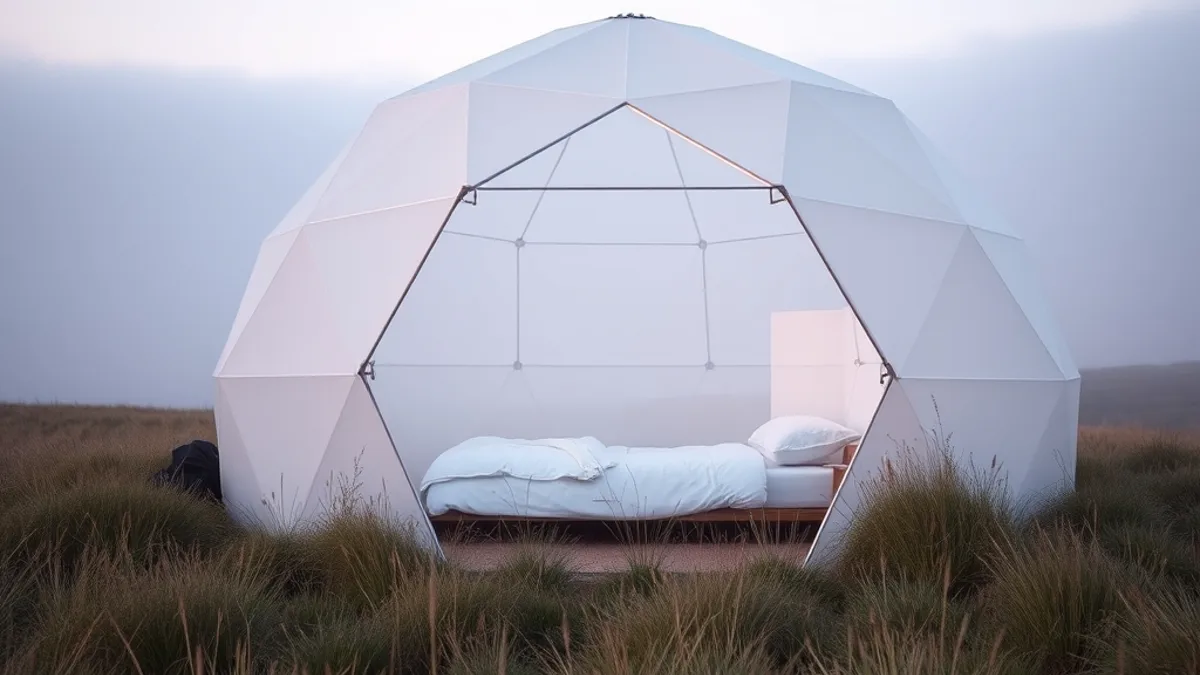
One request many guests forget: ask the host for photos of the site in bad weather, not just the sun-drenched listing shots. How does the ground look after a day of rain? Is there a covered porch or sheltered spot to sit outside? Hosts who can answer these questions quickly and honestly, like the operators behind these homes built for Atlantic weather and deep Irish quiet, usually run sites designed for real conditions rather than perfect ones.
Location and Access: How Remote Is Too Remote
“Nearby” means different things to different people. A host who says the site is “close to town” might mean a 10-minute drive or a 45-minute one down a mountain road. Before you book, ask for the actual driving distance and time to the nearest town, the closest grocery store and the nearest hospital. If anyone in your group has a medical condition, or you’re traveling with small children, the hospital answer matters more than you might think.
The road itself is the second big question. Many glamping sites sit at the end of a gravel track, and some of those tracks are rough enough that a low sedan struggles, especially after rain. Ask what kind of vehicle the host recommends and whether the final stretch is paved, gravel or unpaved dirt. If you’re renting a car, this answer can decide whether you book a standard model or pay extra for something with higher clearance.
Arrival logistics deserve their own message to the host. Some sites are easy to find in daylight but confusing after dark, and a tent you can’t locate at 9 pm is nobody’s idea of a relaxing start. Ask these specifics before you commit:
- After-dark access: Can you realistically arrive in the evening, or does the host prefer check-ins before sunset? Ask whether the entrance is signposted and lit, and whether the host will meet you or send written directions.
- Parking distance: Is parking right next to the unit, or do you walk your bags 50, 100 or more meters along a path? If it’s a walk, ask whether the host helps with luggage or provides a cart.
- Car-free travelers: Ask whether the site is reachable by taxi, shuttle or public transport, and whether the host can arrange a pickup. If not, treat a rental car as essential and price it into your trip.
- Seasonal road conditions: If you’re traveling outside the May-September peak, ask whether the access road stays passable in mud, snow or heavy rain, and whether any bridges or fords are along the way.
Meals, Activities and On-Site Experience
Food can make or break a glamping trip, especially when the site is far from any restaurant. Before you book, ask whether the host offers any meals. Some sites serve a cooked breakfast, others deliver a dinner to your tent, and many greet arrivals with a welcome basket of local goods. If meals exist, ask what they cost per person and whether you need to order a day or two in advance.
Next, dig into the activities. A listing might advertise kayaks, hiking trails or evening campfires, but that does not always mean they come free. Ask directly which of these are genuinely included in your rate and which are paid add-ons. A kayak that requires a separate rental fee or a firewood evening that only happens on request changes the value of the stay considerably.
Privacy and the company you will keep
Glamping photos rarely show the neighbors. Ask how far the nearest tent or cabin sits from the one you are booking, and whether the site hosts day visitors, weddings or group events while you are there. A quiet couple’s retreat feels very different from a field with three other units and a weekend party.
Finally, ask the host where they actually eat and shop nearby. Hosts who run a good site usually know which local restaurants and farmers markets justify the drive, and which ones look better on a sign than on a plate. Their honest recommendations often turn out to be the most useful part of the stay.
Booking Terms: Timing, Minimums and Cancellation
Good glamping sites are usually small operations with only a handful of units, which means the best tents and cabins for peak dates disappear early. A few pointed questions before you pay will tell you whether the dates, rates and cancellation terms actually work for your trip, and they will also give you a quick read on how professionally the host runs the site. Send them as one short message rather than a string of separate emails, and you will likely have everything you need to decide within a day.
- Book on the right timeline. For May to September weekends, aim to reserve 2-4 months ahead, and for holiday periods plan 6 or more months out. Rates at popular sites typically run $120-400 per night depending on the structure and location, so ask what your specific dates cost rather than relying on the listing’s base price. If your schedule is flexible, mention it; hosts sometimes suggest quieter midweek dates that cost less.
- Confirm the minimum stay. Many hosts require a 2-night minimum on weekends, which can turn a quick overnight trip into a two-day commitment. Ask whether single nights are possible midweek, since some sites offer them and that can be an easy way to save money and avoid crowds.
- Get the cancellation window in writing. Small sites often set their window at 7-14 days before arrival. Ask exactly when the cutoff falls, what happens if you cancel inside it, and whether a weather closure triggers a refund, a credit or a rebooking on another date.
- Clarify check-in logistics. Check-in windows are often 3-5 pm, because tents cannot handle self-check-in the way a hotel can. Ask what happens if your flight or traffic delays you and you arrive after dark, and whether someone will still be around to walk you to your unit.
Once these four points are settled, put the agreed terms in your booking message so there is a written record. It protects you if plans change, gives the host a clear reference for your arrival, and saves you from repeating the same questions later. Keep the confirmation email on your phone, since cell coverage at remote sites can be patchy when you need it most.
Reading the Host: Questions That Reveal How They Operate
A glamping stay depends heavily on the person running it, so pay attention to how the host behaves before you commit. Send a question or two and note how quickly they reply. A host who answers within a day is likely to be just as responsive when something goes wrong during your stay. Also ask directly whether someone is on-site or reachable around the clock while guests are there, since a remote tent with no one to call is a very different experience from a staffed property.
The way a host communicates also tells you what kind of stay to expect. Some hosts send a pack of local tips with your confirmation, pointing you to trailheads, markets and quiet swimming spots. Others deliberately leave you self-sufficient. Neither approach is wrong, but it helps to know which one you are getting before you arrive with no plan.
- Ask for recent reviews that mention specifics. Request guest feedback from the past season that discusses weather performance, noise from neighbors or cleanliness, not just general praise.
- Ask about equipment failures mid-stay. Find out what happens if the wood stove goes out, the hot shower stops working or the power cuts off at night, and how fast someone comes to fix it.
- Test their local knowledge. Ask one concrete question, such as where to eat after a late arrival, and see whether the answer is specific and confident or vague.
Hosts who handle these questions openly usually run the kind of site worth returning to. Hosts who dodge them are telling you something too.
Ask First, Then Book With Confidence
Those dreamy listing photos can hide a lot: a shared washhouse down the path, a tent that turns into a sauna in July, or a gravel track your rental car will hate. The fix is simple. Before you pay, send the host one short message covering the essentials: what is actually included, how the tent handles bad weather, how remote the site really is, whether meals or activities cost extra, and what the cancellation terms are.
That single message filters out weak listings fast. Hosts who answer clearly and quickly usually run the kind of site that justifies the $120-400 nightly rate, while vague or slow replies tell you what the stay might feel like. With the right questions asked before booking, glamping delivers the comfort-plus-nature promise the photos advertise. Have a question of your own to add, or a glamping story to share? Leave a comment below or pass this article along.