Many travelers book villas designed for summer and only discover at check-in that they are cold, damp and poorly heated in winter. The listing photos showed a sunny terrace and a barbecue, but nobody mentioned that the radiators barely reach the upstairs bedrooms or that the “fireplace” is a decorative frame around a gas insert. A villa that feels perfect in July can be genuinely uncomfortable in January, and the difference has nothing to do with luck.
Winter villas are a different category of property, and they deserve a different set of questions before you book. This guide walks through the standards a true cold-season rental should meet, from underfloor heating and glazing to a fireplace that actually puts out heat. It also covers the comfort features worth paying for, the regions that deliver the best winter settings, realistic booking windows and price ranges, and the exact questions to send the host before you confirm. Read it before you pay the deposit, not after you arrive shivering.
Why Winter Villas Need Different Standards Than Summer Rentals
A villa built for the summer season is designed around a simple assumption: the weather will do the work. Open terraces replace enclosed living rooms, ceiling fans replace climate control, and insulation stays light because nobody expects guests to need warmth. That assumption collapses fast once temperatures drop below 10°C. Rooms that ventilate beautifully in July turn cold and damp in December, and a property that never planned for heating often has no proper system to switch on.
A genuine winter villa advertises its cold-weather credentials openly. Look for underfloor heating in at least the main living areas and bathrooms, double or triple glazing on the windows, and some form of indoor humidity control. Humidity matters more than most guests realize: a sealed, poorly ventilated villa can feel clammy at 20°C, while a well-balanced one feels warm and dry at the same temperature. If a listing mentions none of these features, ask directly before assuming they exist.
Heating costs: included or metered?
The other detail that catches winter travelers off guard is how heating is billed. Some chalets include full heating in the nightly rate, while others meter it separately or charge it as an add-on, which can turn an apparently affordable week into a much pricier one once the system runs around the clock. Check whether heating is included in the rate or billed separately, and if it is metered, ask how the charges are calculated. A host who answers clearly is usually a host whose villa actually performs in winter.
Fireplaces: What to Ask Before You Book
Every winter villa listing seems to feature a fireplace in the main photo, but the word covers three very different things. A decorative fireplace is essentially a frame with no working flue, a gas unit lights instantly and puts out steady heat, and a real wood-burning fireplace delivers both warmth and the crackle that makes a winter evening. Confirm which type you are booking, because the difference shapes your entire stay. Ask whether the fireplace heats the main living space or just one room, since a unit tucked into a snug reading corner will not do much for an open-plan living area.
Firewood: what is included?
If the fireplace is wood-burning, the next questions are practical. Find out whether firewood is included in the rate or sold per crate, with crates typically running $15-40 depending on the region and the wood. Ask whether logs are delivered to the villa or whether you are expected to carry and stack them yourself, which matters a lot after a day on the slopes. A host who keeps a ready supply of dry, seasoned logs is telling you the fireplace is meant to be used, not admired.
Finally, think about the layout of the villa itself. A working fireplace matters most in properties with high ceilings or open-plan living, where radiators alone feel uneven and the warm air drifts up and away from where people actually sit. In those spaces, a real fire is not atmosphere but the difference between a comfortable evening and everyone huddling in one warm corner. In a compact, well-insulated villa with low ceilings, the fireplace is a pleasant bonus rather than a necessity, so weigh it accordingly.
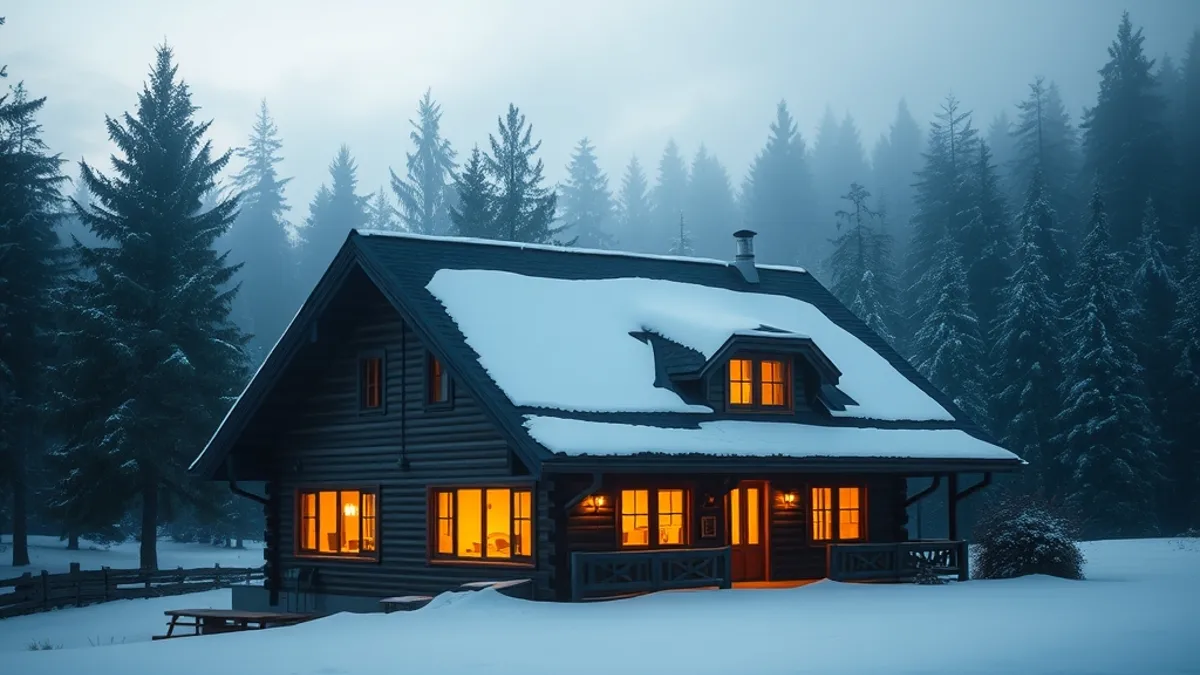
Cold-Season Comfort Features Worth Paying For
The features that separate a good winter villa from a great one are the ones that turn a short stay into a recovery trip. A sauna, a hot tub or a heated indoor pool changes the rhythm of a winter break entirely: a day on the slopes ends with sore legs and cold fingers, and coming home to a soak and a steam is what makes the trip feel restorative rather than exhausting. These wellness features appear in roughly the majority of serious alpine winter villas, so their absence is worth noticing. If a property in a mountain region lists none of them, that is often a signal it was built and furnished for the summer season, when guests spend their evenings outdoors instead. For a closer look at what mountain recovery can feel like, this guide to Tatras alpine sanctuaries for scenic recovery and mountain silence shows the standard well-designed winter retreats aim for.
The smaller cold-weather details matter just as much as the big-ticket wellness features, and they are the ones summer rentals almost never think about. Heated towel rails mean a dry, warm towel after every shower instead of a damp one that never quite dries in winter air. Boot warmers by the entrance dry out ski boots and snow-soaked shoes overnight, so the next morning starts comfortably rather than with frozen toes. And a heated driveway or path is a quiet luxury that saves you from chipping ice off the access route before you can even reach the car.
- Heated towel rails also cut down on bathroom humidity, which helps the whole villa feel drier and warmer in damp weather.
- Boot warmers protect your footwear as much as your comfort, since boots left wet by a door in freezing conditions can stiffen and crack over a week-long stay.
- A heated driveway or path reduces the risk of slips on icy mornings and means you are not booking a shovel session before breakfast.
- Underfloor heating in bathrooms pairs naturally with these features, turning the coldest room in most houses into the one you linger in.
When you compare villas, treat this list as a filter rather than a wishlist. A property that has thought about wet boots and icy paths has usually thought about everything else too, from insulation to firewood supply. The amenities that matter in winter are almost the exact inverse of the ones that matter in summer, and the listing will tell you which season the owner had in mind.
Where Cold-Season Villas Deliver the Most
Not every mountain villa is built for winter. Some properties look great in summer listing photos but turn cold and damp once temperatures drop. The regions below have a long tradition of cold-season stays, which means hosts there generally take heating, insulation and snow access seriously.
Classic alpine settings
The Tatras and the Black Forest are two of the most rewarding choices for a woodland or mountain winter. Both offer villas surrounded by snow-covered forest, with trails, small towns and thermal or spa options nearby. Because winter tourism is a core part of the local economy, rental properties in these regions are typically designed around cold-season comfort rather than added as an afterthought.
Location within a ski region also changes the price. A true ski-in/ski-out villa, where you step outside and clip into your skis, usually commands a premium of roughly 20-40% over a valley villa a 10-15 minute drive from the lifts. If you drive anyway, or plan mostly non-ski days, the valley option often gives you more space and a warmer budget for the same comfort level.
Scenery without the resort scene
Some travelers want mountain views and deep snow, but not lift queues, apres-ski crowds and rows of chalets. That is where quieter mountain retreats come in. Places like Kazbegi in Georgia combine dramatic winter scenery with warm, wood-heavy interiors that feel genuinely cozy. If that mix appeals, it is worth reading more about Kazbegi peak retreats beneath giant mountains and warm interiors before choosing between a resort village and a standalone mountain hideaway.
Whichever region you pick, match it to your plans. Skiers should weigh the ski-in/ski-out premium against how often they will actually use the lifts. Scenery-seekers often get more value from a well-heated retreat with a view than from a pricier position right beside a gondola.
Booking Windows and Winter Price Ranges
Winter villa pricing swings more than summer rates do, and the calendar matters more than the destination. A villa that costs one amount in mid-January can cost half again as much over New Year. The same property, with the same fireplace and the same view, moves between two very different price brackets depending on which week you pick. Planning around three date categories keeps both your budget and your options open.
- Lock in peak weeks early. Christmas and New Year weeks are the most demanded dates of the winter season. Reserve 4-6 months ahead for those weeks, because the best-heated, best-located villas are typically gone well before autumn ends. Families with fixed school holidays compete for the same handful of properties, so waiting rarely improves your choice.
- Expect the peak premium. Over Christmas and New Year, rates typically run 30-60% above low-season winter prices for the same property. Knowing this in advance helps you decide whether the holiday week is worth it or whether shifting your dates by a week saves a meaningful amount.
- Use the shoulder weeks for value. January after the holidays and early March offer quieter slopes, snow that is usually still reliable, and rates closer to low-season levels. These weeks usually need only 6-8 weeks of lead time, so you can plan them more spontaneously, even around a short-notice break.
- Check minimum-stay rules before you commit. Many winter villas set 5-7 night minimums over peak holiday dates. Ask about this when you first enquire, because a villa that fits your group may not fit your dates.
The pattern is simple: flexibility buys savings, and certainty costs a premium. If your travel dates are fixed around school holidays, book early and budget for peak pricing rather than hoping for a late deal that is unlikely to appear. If you can travel in January or early March, you get the same comfort at a noticeably friendlier rate with far less booking pressure, and hosts often have more time to answer your questions properly before arrival.
Questions to Send the Host Before Confirming
Listing photos are shot in summer for a reason: villas photograph better in sunshine, and hosts know it. A garden full of lounge chairs and a sun-drenched terrace tell you nothing about what the property is like when temperatures drop and days end at four in the afternoon. Before you confirm a winter booking, shift the conversation to cold-season specifics. A host who answers these questions clearly and quickly is usually running a genuine winter property with guests arriving year-round; vague or evasive replies are a warning sign worth taking seriously, because they often mean the villa empties out between October and April.
Start by asking for winter evidence rather than summer gloss. Then get precise about access and heating, because these are the two things that most often disappoint guests after arrival. Useful requests include:
- Photos of the heating system and fireplace in use. Ask for images of the boiler or heat pump, the radiators or underfloor controls, and the fireplace actually burning. A staged photo of cold logs in an unused hearth tells you little.
- Bedroom temperature photos or readings. Living rooms are usually warm; bedrooms are where winter bookings fail. Ask the host what temperature the bedrooms typically hold on a cold night.
- Snow clearance arrangements. Confirm who clears the driveway and the access road, and how quickly after heavy snowfall. Also ask whether a 4WD car is recommended in deep-winter months, since some villas sit on steep or unpaved roads.
- The exact heating setup per floor. Loft bedrooms under the roof and garden annexes or converted outbuildings are the coldest spots in many villas. Ask whether each floor has its own heating zone or thermostat, and whether the annex is on the same system or a separate one.
Send these questions as a single message before paying any deposit, and keep the replies on file in case a dispute arises later. The quality and speed of the answers will tell you more about the villa than any photo gallery. A host who can produce bedroom readings and boiler photos within a day or two is someone who has answered these questions before, which usually means winter guests come back. You will arrive knowing exactly what to expect from the heating on each floor, and you can pack and plan accordingly instead of discovering problems on your first cold night.
Finding a Winter Villa That Actually Keeps You Warm
The disappointment of arriving at a cold, damp villa is entirely avoidable. A true winter villa combines real heating such as underfloor systems, a functional wood-burning or gas fireplace, and cold-weather extras like a sauna, hot tub or heated paths. Properties built for summer rarely hide this well, so the absence of these features is your clearest warning sign before you book.
Timing matters too. Peak weeks over Christmas and New Year reward early booking, while January and early March offer the same comfort at noticeably lower rates with far shorter lead times. Before you confirm, send the host a short list of questions about the heating setup per floor and the fireplace in use. Those few answers separate warm, comfortable stays from disappointing summer rentals. If this guide helped you plan a winter escape, leave a comment or share it with a fellow traveler.