Glamping with kids sounds like the perfect family trip until the worries set in. Will your toddler actually sleep in an unfamiliar tent? What if the weather turns cold and rainy? And how do you keep a bored six-year-old entertained when there’s no TV and no backyard? These concerns stop a lot of parents from booking, even though the whole point of glamping is to skip the hard parts of camping.
The good news is that a little planning solves most of these problems before you ever leave home. In this guide, we’ll look at why glamping beats a first camping trip with young children, how to pick the right site and season, and how to book a family unit without overpaying. We’ll also cover packing for big temperature swings, planning days that keep kids happy, and simple meal and campfire routines that make evenings outdoors feel easy rather than exhausting.
Why Glamping with Kids Beats a First Camping Trip
The biggest reason family camping trips fall apart is sleep, or the lack of it. Young children who sleep badly on night one are cranky on day two, and tired parents make poor decisions. Glamping removes the main culprit: instead of a thin mat on cold ground, your kids get real beds, and most units include heating for chilly nights. A warm, comfortable child usually sleeps through the night, even in a strange place.
Bathrooms and peace of mind
Private bathrooms matter more than you might expect. Anyone who has walked a half-asleep child across a dark campsite to a shared restroom knows the routine: shoes, flashlight, mud, and a wide-awake kid by the time you get back. With your own bathroom a few steps away, a midnight bathroom trip stays quick and low-drama.
Then there’s the evening. Once the kids are down, a solid roof and a lockable door change everything. You can sit outside your unit with a drink and an actual conversation instead of listening for every rustle in the bushes. Parents who finally relax on night one often say it’s the moment they decided glamping was worth it.
Choosing the Right Site and Season
Timing makes a bigger difference with kids than with adults. Aim for late May through June or September, when nights are mild and sites are noticeably quieter. You’ll deal with fewer crowds at shared facilities, and your children will have more room to roam without you constantly counting heads.
Distance matters just as much. For a first trip, keep the drive to around two to three hours from home. That’s short enough that a traffic delay or an unexpected bathroom stop won’t push everyone into meltdown territory, and it makes the trip feel doable on a regular weekend.
Once you have a shortlist of sites, check the practical details before you book:
- Kid-friendly features close by: look for a playground, farm animals or a lake within a 10-minute walk of your unit, so you can pop back for snacks, naps or forgotten sun hats without a production.
- True sleeping capacity: confirm the unit sleeps your whole family, including adults; family tents and domes usually fit four to six, and some count a bench as a “bed.”
- Layout, not just numbers: ask whether beds are in one space or separated, since a screen or curtain between adult and kid sleeping areas helps everyone rest better.
A site that looks great online can still be a poor fit if the nearest playground is a 20-minute hike away. Ten minutes there and back is a reasonable outing; half an hour each way with a tired preschooler is not.
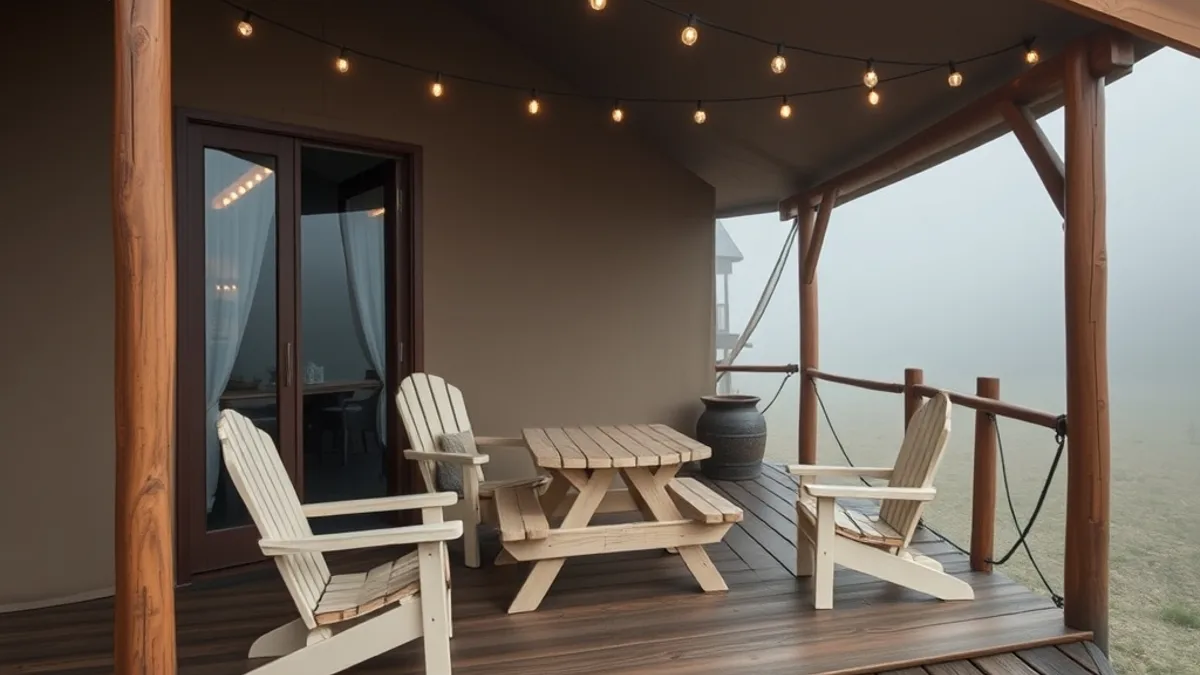
Booking Family Glamping Units Without Overpaying
Good family units are popular, so booking early is the single best way to control costs. For summer dates, reserve three to six months ahead. For shoulder season, one to two months is usually enough, and you may even find last-minute deals if you’re flexible.
What a family unit costs
Expect roughly $150-400 per night for a unit that sleeps four to six. Midweek stays often drop toward the lower end of that range, so if you can shift your dates to Sunday through Wednesday, you’ll stretch the budget further. Weekend prices in high summer sit at the top, which is exactly when the early booker has the most choice.
Before comparing prices, compare what’s actually included. Linens, a kitchenette and firewood can offset bringing your own gear, and those extras add up fast. A unit that includes bedding saves you hauling sleeping bags for four; a kitchenette means fewer restaurant meals; free firewood is one less errand on arrival day. A slightly pricier unit with these inclusions can end up cheaper than a bare-bones one plus rentals and supplies, so read the listing carefully before you book.
Packing for Comfort and a 10-15°C Temperature Swing
The single biggest packing challenge with kids is not what to bring, it is handling the temperature swing. In most family-friendly glamping windows, daytime can run 10-15°C warmer than the night that follows. A child in a t-shirt at lunch may need a fleece and beanie by the campfire. The fix is simple: dress kids in layers you can add or peel off in seconds, and pack one extra layer per child beyond what you think they will need.
Comfort at bedtime matters just as much. Glamping gets you real beds, but a strange room, different sounds and dimmer light can still delay sleep. Familiar items from home do most of the work here, so treat them as essentials rather than extras.
- A favorite blanket or comfort object: the smell and feel of home shortens the settle-down time dramatically, even in an unfamiliar tent or dome.
- Pajamas they already know: keep the same bedtime outfit as at home rather than packing new “camping” pajamas that feel different against the skin.
- A small battery night light: useful for midnight bathroom trips and reassuring in a dark field where there are no streetlights outside the window.
- Headlamps for everyone: kids love wearing their own, and it frees your hands for unlocking doors or pouring drinks after dark.
- Wet wipes: faster than walking to a washroom for sticky fingers, muddy shoes and pre-dinner face cleaning.
- A child-sized first-aid kit: include children’s pain relief, plasters, insect bite cream and any personal medication, and check doses are appropriate for your kids’ ages.
Finally, pack one shared bin of dry snacks and refillable water bottles. Between-meal hunger is the top trigger for meltdowns on active outdoor days, and having crackers, fruit bars and nuts within arm’s reach solves it before it starts.
Planning Days That Keep Kids Happy
Glamping removes the hard physical work of camping, but kids still need structure to stay happy. The most reliable approach is one anchor activity per day. That could be a nature trail, a lake swim or a visit to a farm with animals. Plan it for the morning when energy and patience are highest, then let the afternoon stay loose. One planned highlight gives the day shape without turning your holiday into a schedule.
Trip length matters more than most parents expect. For a first family glamping trip, 2-3 nights is the sweet spot. That is long enough for routines like bedtime stories and quiet mornings to survive the change of scene, but short enough that nobody burns out. Longer trips can work well, but they suit families who already know how their children handle sleeping away from home.
Build in quiet time before you need it
Even with a great site, there will be a stretch of midday heat or a rainy afternoon when everyone needs downtime. A quiet-time kit solves this: a small bag of books, card games and maybe a colouring pad that only comes out during rest hours. Keeping it special makes it effective.
Ownership is the other secret ingredient. Give each child a small job: helping with campfire cooking, carrying the lantern on the evening walk to the bathroom, or refilling the water bottles. Kids who feel responsible for part of the trip complain less and engage more, and these small tasks often become the memories they talk about on the drive home.
Meals and Campfire Routines Made Simple
Feeding a family outdoors sounds intimidating, but glamping gives you enough equipment to keep it genuinely simple. Most units come with a stove, a grill or at least a fire pit, and that is all you need to eat well for a few nights. The trick is to match each meal to the effort level you can handle at that time of day: low effort when everyone is tired, almost no effort when everyone is hungry and impatient. Work through the steps below before you leave home and the food side of the trip will run itself.
- Prep one-pot dinners at home. Cook a chilli, pasta sauce or curry before you travel, store it in a sealed container in a cooler, and the first night needs only reheating on the stove or grill. Arriving, unpacking and entertaining tired kids is enough work for one evening without cooking from scratch. A second prepped meal covers night two if you would rather not cook at all.
- Use the kitchenette or grill for breakfasts. Eggs, pancakes or porridge take minutes on a proper stove, and a warm breakfast sets a calm tone for the day. Check what your unit includes before you pack pans and utensils, because many operators supply the basics.
- Keep lunches no-cook. Bread, cheese, fruit, hummus and pre-washed vegetables mean lunch is assembled in five minutes, right when kids are at peak hunger and lowest patience. This also works well packed for a day out.
- Set a fixed wind-down routine. A warm drink, a story, then lights out, in the same order every night. Familiar steps signal sleep is coming, which makes settling down in a tent or dome far easier than an improvised bedtime.
With dinners prepped, breakfasts quick and lunches effortless, you spend your time with the kids instead of in front of a stove. Bring a few familiar treats and let children help with simple tasks, and meals become part of the adventure rather than a chore. The wind-down routine ties it all together: fed, warm and settled on schedule, children fall asleep outdoors almost as easily as they do at home, and you get a quiet evening by the fire.
Your Family Glamping Trip, Wrapped Up
Glamping with kids does not have to end in tears over a strange bed, a cold night or a bored afternoon. The worries that keep parents from booking are all solvable: real beds and heating take care of the sleep question, layers handle the weather, and one planned activity per day keeps boredom at bay.
The easiest first step is a 2-3 night trip within a 2-3 hour drive of home, in late May to June or September. Book early and check what your unit includes, and your costs stay predictable in the $150-400 per night range. From there, layered packing, one daily anchor activity and simple meals carry the comfort the whole way. If this helped you plan your first family glamping trip, leave a comment or share the article with another family.