You’ve seen the photos: a steaming sauna on a wooden dock, a glass-roofed cabin under green auroras, a swim in a mirror-calm lake at what looks like midnight. But planning a trip like that raises real questions. Which season gives you warm water? When do the northern lights show up? And what exactly does lake glamping in Finland involve beyond a stylish tent?
This guide walks you through it all, season by season. We’ll explain why Finland’s lake country feels so different from other destinations, what summer’s endless daylight and winter’s frozen silence actually offer, and how to choose between a traditional cabin, a glass igloo, or a sauna pod. You’ll also find advice on where to base yourself, from the Lakeland south to Saimaa and Lapland, plus practical tips on booking windows, typical prices, and sauna etiquette. By the end, you’ll know exactly which month, region, and stay type fits the lake escape you’re imagining.
Why Lake Glamping in Finland Feels Different From Anywhere Else
Most countries would kill for a single great lake. Finland has roughly 188,000 of them, which changes the entire logic of a lakeside stay. Glamping here doesn’t mean paying a premium for a distant water view; nearly every site sits on genuine waterfront, with your cabin or pod just steps from the shore. Water isn’t a backdrop in Finland, it’s the address.
That geography shapes a daily rhythm you won’t find elsewhere: the sauna-to-swim cycle. In Finland, the sauna isn’t an occasional spa treat booked at a resort. It’s a nightly ritual, often wood-fired and right at the water’s edge, followed by a plunge into the lake, then back to the heat, and repeat. Guests at lakeside cabins and glamping sites fall into this rhythm within a day, and it becomes the structure of the whole trip.
Quiet shores, dark skies
Finland’s low population density does the rest. Outside a handful of towns, you can have an entire bay to yourself, and strict everyman’s rights keep public access to shores open without turning them into crowded beaches. At night, the lack of light pollution means genuinely dark skies, which matters whether you’re hoping for stars, silences, or, further north, the aurora. The result is a version of lakeside life that feels unhurried and uncrowded in a way few destinations can manage.
Summer: Midnight Sun and Warm-Water Swimming
If you want the classic Finnish lake experience, aim for the heart of summer. High season runs from mid-June to mid-August, when lakes are at their warmest and the water often reaches 16-22°C in July. At those temperatures, swimming stops being a bracing dare and becomes something you do several times a day, often straight from your own dock.
Swimming at 11 pm
The real magic, though, is the light. In late May to late July, the sun barely sets, especially in the north, and even in the south the evenings stretch on in a soft golden glow. That means you can swim or paddle at 11 pm in full daylight, an experience that quietly rearranges your sense of time. Dinners drift later, and nobody is in a hurry to go inside.
Those long evenings are made for slow lakeside pleasures. Many glamping sites offer wood-fired hot tubs, which pair perfectly with a late-night dip in the lake. Rowboats are a staple at most cabins, and a quiet paddle across a glassy bay at ten in the evening is something you’ll remember long after the trip. Add a dinner grilled on the dock and a sauna as the sun refuses to set, and you have summer in Finland exactly as it should be.
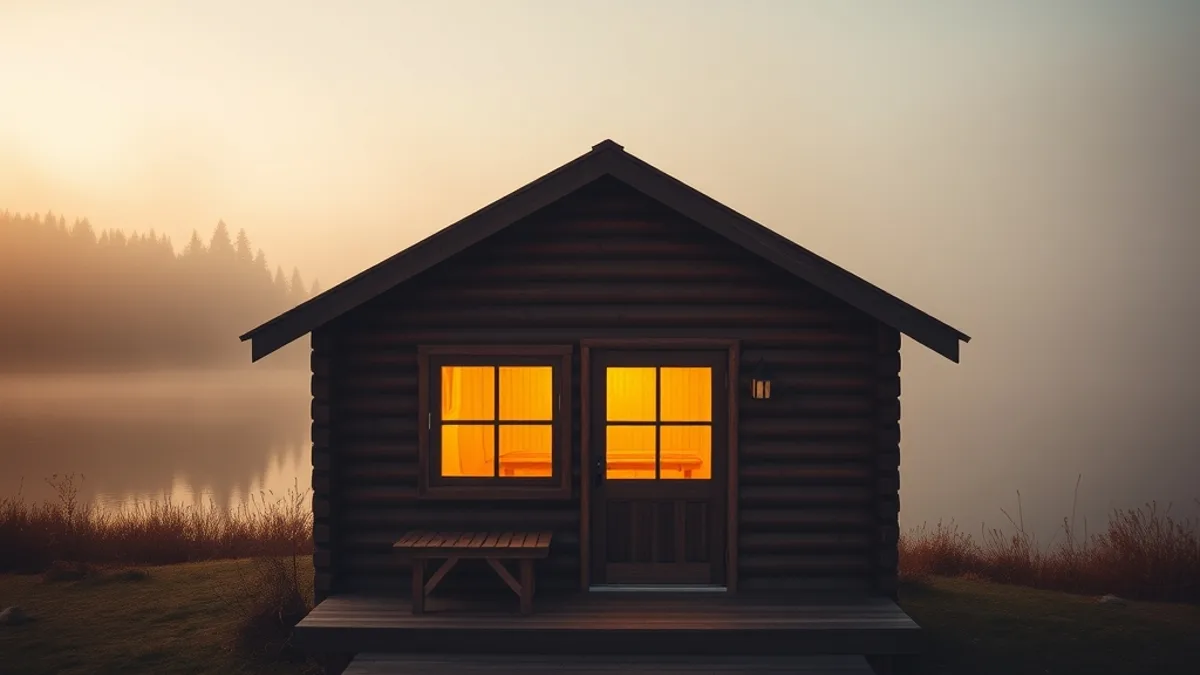
Autumn Ruska and Winter Ice: The Off-Season Rewards
Summer gets the crowds, but the off-season may be when Finnish lakes are at their most beautiful. From around mid-September to early October, ruska turns the forests red and gold, and in Lapland the color show can be spectacular. Guest numbers drop sharply, and rates fall with them, so you get the same waterfront cabins and saunas for noticeably less, with more of the shoreline to yourself.
Winter: ice, silence, and auroras
From November to April, the lakes freeze over and the landscape turns silent and white. This is the season for ice swimming after sauna, a ritual that sounds extreme until you try it: a hot sauna, a short run across the snow, a hole cut in the ice, and an invigorating plunge followed by total body calm. Between dips, there’s snowshoeing across the frozen surface and long, quiet days where the main sound is your own footsteps.
Winter also brings your best chance of the northern lights. Dark winter nights improve aurora odds, particularly in Lapland, and glass-roofed cabins let you watch the sky from the warmth of your bed. If the lights appear, you won’t even need to get dressed. Check aurora forecasts during your stay, but even a quiet night of stars through the glass is a memorable way to end a day on the ice.
Choosing Your Stay Type: Cabin, Glass Igloo or Sauna Pod
Finland’s lake glamping comes in a few distinct flavors, and picking the right one shapes your whole trip. Traditional lakeside cabins are the workhorse option: you get four walls, a wood-burning sauna of your own, a private dock and a kitchen for self-catering. They suit groups and families best, since splitting a cabin between several people brings the per-night cost down while giving everyone space to spread out. Stock up at a village grocery on the way in, and you can cook dinner while the lake goes still outside.
Glass-roofed pods and igloos flip the priorities. You trade the kitchen and extra space for an unobstructed view of the sky from your bed. That makes them the strongest choice in winter, when the aurora can appear at any hour and you don’t want to get dressed to see it, and in summer, when the midnight sun keeps the sky bright well past bedtime. Bring an eye mask if you’re a light sleeper in the bright season.
Before you book, compare the details that actually change the experience:
- Wood-fired versus electric sauna: a wood-fired sauna right at the shoreline gives you the classic hiss-and-steam ritual and a short dash to the water; electric units are easier but lose some of the atmosphere.
- Private shoreline: some sites share a beach with neighboring cabins, so check whether the stretch of water in front of your stay is yours alone.
- Firewood policy: many Finnish cabins include firewood in the rate, but a few charge separately or ask you to split logs yourself—worth confirming before a cold-weather stay.
- Rowboat or sauna raft access: some cabins throw in a rowboat or a floating sauna raft, which turns an ordinary evening into the highlight of the trip.
Where to Base Yourself: Lakeland, Saimaa and Lapland
Most first-time visitors base themselves in the Finnish Lakeland, the belt of forest and water that stretches north and east of Helsinki. Towns like Kuopio and Jyväskylä make easy anchors: you can reach either by train or a short drive, then fan out to lakeside cabins surrounded by pine and birch. This is the classic postcard scenery, and it works for every season from warm-summer swimming to frozen-winter saunas.
Saimaa for Water Lovers
Head a little further east and you reach Saimaa, Finland’s largest lake, a maze of islands, channels and peninsulas that feels more like an inland archipelago than a single body of water. It’s the best region for paddling and boating, and the rare Saimaa ringed seal draws visitors onto guided boat trips—book those in advance, since sightings depend on season and small-group departures. Waterside towns such as Savonlinna add a castle and summer festival atmosphere to the lake life.
Lapland for Light and Color
Lapland lakes play by different rules. Above the Arctic Circle, summer swimming water stays cool, but you get the midnight sun for roughly late May to late July, ruska foliage that peaks around mid-September to early October, and dark winter nights that give you the best odds of seeing the aurora. If your priority is sky rather than swimming, point north.
Booking Windows, Prices and Sauna Etiquette
Lakeside cabins in Finland are popular with locals as well as international travelers, so the best waterfront spots go early. For a summer stay in the high season, aim to reserve 3-6 months ahead. Winter aurora cabins, especially glass-roofed ones in Lapland, typically need booking 2-4 months ahead. If you’re flexible, last-minute cancellations do appear, but don’t count on them for a specific cabin in July. When you book, read the cancellation terms carefully: many Finnish cabin owners ask for a deposit and offer stricter policies than large hotel chains. It’s also smart to message the host directly about access to the dock, firewood and the sauna, so there are no surprises on arrival day.
On budget, expect roughly €100-250 per night depending on the season, the region and whether you have a private sauna. Autumn is where the value sits: ruska color, quieter shores and rates at the lower end of that range. Winter aurora season and midsummer command the top prices, and weekends cost more than midweek year-round. If your dates are flexible, shifting a midsummer weekend to midweek can noticeably cut the bill while giving you the same water and light. Factor in extras too, such as final cleaning fees or bed linen rentals, which some smaller cabins charge separately.
Sauna etiquette worries first-timers more than it should. The rules are simple and everyone follows them:
- Sit on your own towel: Finns sauna nude, and laying a towel on the bench under you is both standard practice and basic courtesy in shared saunas.
- Keep the mood calm: saunas are quiet places for slow conversation or silence; save the lively talk for the dock afterward.
- Cool off between rounds: alternate heat with a swim or a roll in the snow in winter—two or three rounds is a typical session.
- Ask before throwing water: in a shared sauna, check that others want more steam before you ladle water onto the stones, since tolerance for heat varies.
Your Finnish Lake Escape, Season by Season
So which season is right for your Finnish lake escape? If you want warm water and endless light, aim for summer, when swims stretch late into bright evenings. Autumn rewards you with ruska color, quieter shores and better rates. Winter trades warm swimming for ice dips after sauna and, in Lapland, the chance of aurora from a glass-roofed cabin.
Whatever month you pick, the rhythm stays the same: sauna, lake, repeat. Match your stay type and region to the season, book 2-6 months ahead for the best lakeside spots, and let the sauna-swim cycle do the rest. That simple routine is the heart of lakeside life in Finland, and it works just as well in July as it does under the ice. If this helped you plan your trip, leave a comment or share the article with a fellow traveler.