Picture yourself zipped up in a cozy geodesic dome, a wood-fired hot tub steaming outside, and a snowcapped volcano filling the window. That’s the dream behind glamping in Chile’s Lake District. The catch? Show up in the wrong month and you might get sideways rain, mud up to your ankles, and a dome you can’t leave. This region doesn’t just change with the seasons—it changes personality.
So which month actually delivers that postcard experience? This guide walks through it all: why timing matters so much here, what summer (December to February) offers at its 20-25°C peak, why the shoulder seasons of October-November and March-April are often the sweet spot, and what winter’s frequent rain and 10-12°C days mean for your dome stay. We’ll also compare bases like Pucón and Villarrica, help you choose and book the right dome or tent, and pull everything into a simple plan for your trip.
Why Glamping in Chile’s Lake District Depends So Much on Timing
The Lake District sits in a temperate rainforest zone, and that single fact shapes everything about a glamping trip here. The same dome that feels magical in January — warm evenings, lake water warm enough to swim in, the volcano sharp against a blue sky — can feel damp and dim in July, when rain arrives on an almost daily basis. There’s no bad month to visit if you know what you’re signing up for, but there are plenty of disappointing trips built on the wrong expectations.
Prices swing with the seasons
Timing also decides what you pay. High-season rates for the same dome can run 50% or more above what the operator charges in the quiet months, so a unit that feels like a splurge in February may be a genuine bargain in June. If your dates are flexible, it’s worth comparing the same property across two or three months before committing.
Then there’s the view everyone comes for. Volcanoes here are weather-dependent: in summer you can often see Villarrica clearly for days at a stretch, while winter clouds frequently swallow the summits entirely. If the volcano panorama is the whole reason you booked a transparent dome, aim for the clearer months and check recent guest photos rather than the operator’s best shots.
Summer (December to February): Peak Season for a Reason
December through February is when the Lake District shows off. These are the warmest and driest months, with daytime temperatures typically between 20-25°C, and they’re the only stretch of year when most travelers actually swim in the lakes. Kayaking across glassy morning water and hiking up Villarrica volcano both work best now, and tour operators run their full schedules.
Long days and late sunsets
The region sits at roughly 39°S latitude, which means the days stretch out dramatically around the December solstice — expect 15+ hours of daylight. In practice, that means you can finish a volcano hike, swim off your dome’s private deck, and still watch the sun set over the water close to 9 pm. Book a west-facing deck if you can; the sunset-over-the-lake photos are half the reason glamping here went viral.
The cost of perfect weather
All of this makes summer the most expensive and busiest time by far. Rates sit at the top of the range, popular domes sell out, and beaches and trailheads around Pucón get crowded, especially in January when Chilean families are on vacation. For Christmas and New Year weeks, book 3-6 months ahead — the best lakeside domes genuinely do fill that early. If you want summer conditions with fewer people, aim for early December rather than mid-January.
Shoulder Seasons (October-November and March-April): The Sweet Spot
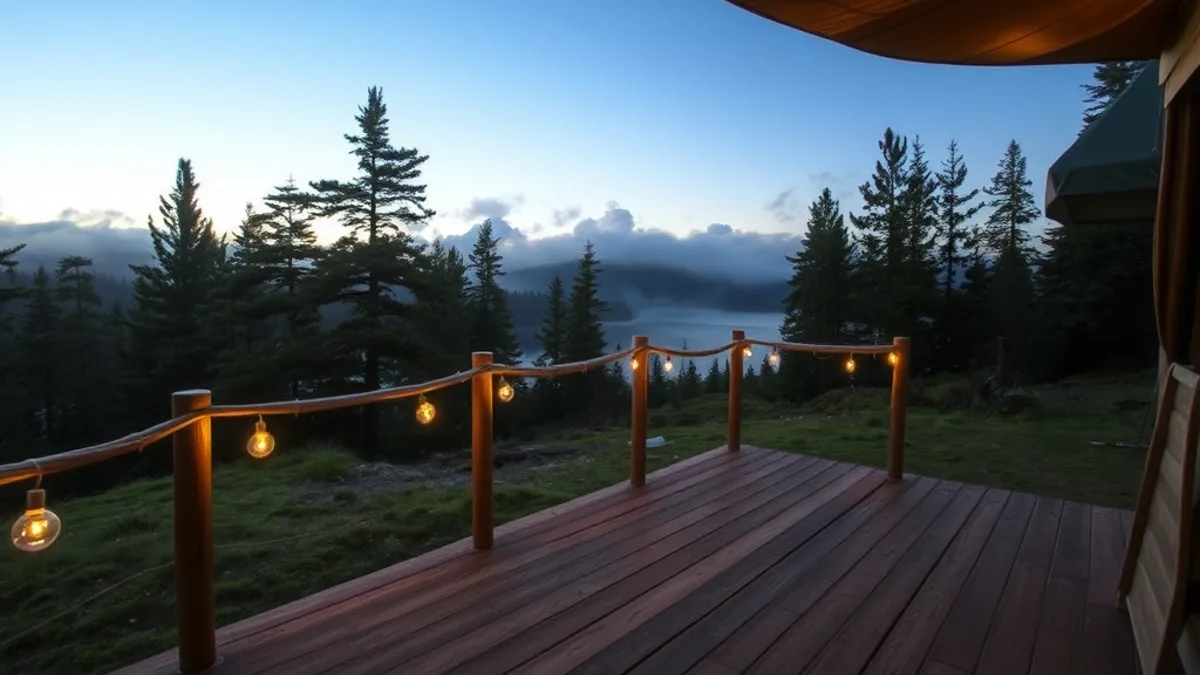
Ask anyone who lives in the Lake District when they’d travel, and many will say the shoulder months: October-November or March-April. Temperatures are milder than the peak of summer, the landscape is at its greenest, and rates drop noticeably below high-season levels. Crowds thin out too, so you share the lake and the trails with a fraction of the January traffic.
April’s autumn color
March-April brings a bonus most visitors never see: the southern beech forests around the lakes turn red and gold, and the drive between Pucón and Villarrica becomes one long photo stop. Daytime temperatures are comfortable for hiking, evenings are cool enough that the wood stove in your dome actually earns its keep, and the lakes are often calm and glassy in the morning.
The best value equation
For travelers with flexible dates, the shoulder seasons offer the best balance of availability and value. You’ll find the same domes that command premium summer rates at gentler prices, and operators usually have space even for shorter-notice bookings. The trade-off is weather that’s less predictable than summer — pack a rain layer and have a backup plan for volcano day. But if your priority is a beautiful dome, a quiet lake and a lower bill, October-November and March-April are hard to beat.
Winter (May to September): Cozy Domes and Hot Tubs
Winter in the Lake District is not the postcard version of glamping. From May to September, rain arrives often and daytime temperatures hover around 10-12°C, so the same dome that felt airy in January can feel damp and dim if you are not prepared for it. That said, this is when the region’s cozy side shines, and travelers who plan for the conditions rather than fight them tend to come away with the trip’s best stories.
Wood-fired hot tubs and stoves are the winter selling points, and for good reason. There is something genuinely memorable about soaking in steaming water while rain taps on the dome above you, with a fire crackling a few steps away. Trails around Villarrica and the smaller lakes are near-empty, wildlife feels more present in the quiet, and prices drop to their lowest of the year. Shorter days also mean you can settle in with a book and a glass of Chilean wine well before dinner.
Before you book, keep these practical points in mind:
- Confirm the operator is actually open. Some sites close entirely or run reduced service in winter, with fewer meals, no daily housekeeping or limited staff on site.
- Ask about heating hours. A wood stove that is only lit in the evening matters a lot when you return from a hike at midday.
- Plan for muddy access. Remote sites often sit down gravel or dirt roads that turn to churned mud after rain, so waterproof footwear is non-negotiable.
- Build in a weather buffer. If you have a fixed departure flight, consider staying closer to Pucón rather than at an isolated property, since heavy rain can slow the drive to Temuco airport.
For travelers who value solitude over sunshine, winter can be the most rewarding time to go — just pack waterproof layers, bring a headlamp for those early dark evenings, and adjust your expectations accordingly.
Where to Base Yourself: Pucón, Villarrica and Beyond
Pucón is the region’s hub, and it shows. You will find the widest selection of glamping sites here, along with restaurants, rental shops and tour operators running everything from volcano ascents to hot springs day trips. If you want options and easy logistics, base yourself here.
Villarrica, roughly 45 minutes away by car, and the Lago Caburgua area trade convenience for calm. These quieter pockets have more secluded lakeside domes, and you will often have a stretch of shoreline nearly to yourself. The trade-off is fewer dining choices and longer drives for tours or supplies, so stock up before you arrive.
Going Further Afield
For a wilder stay, look at the Huilo-Huilo reserve, about two hours from the main lake towns. Its rainforest canopy lodges put you deep in temperate rainforest rather than beside a lake, with a completely different atmosphere from the Pucón scene. It works well as a second stop on a longer itinerary rather than a replacement for the lakes themselves.
Getting in is straightforward: Temuco airport sits about 1.5 hours away by car, and most travelers rent a vehicle to reach their site. Check whether your accommodation offers airport transfers before committing to a rental, since some remote properties arrange pickups.
How to Choose and Book the Right Dome or Tent
Glamping in the Lake District covers everything from basic safari tents pitched on a grassy clearing to fully insulated domes with private bathrooms, wood stoves and wraparound decks, and the photos rarely tell you which is which. Two sites can look almost identical online while offering completely different levels of comfort, especially once the evening chill sets in or a rainy spell moves through. A few deliberate checks before booking will save you from a cold, damp surprise — and from paying a high-season rate for a unit that doesn’t deserve one.
- Verify the unit’s construction. Ask directly whether the dome or tent has real insulation, a proper heating source and a private bathroom. Quality varies widely between operators, and a thin, uninsulated unit can feel uncomfortable even on summer nights, when temperatures drop noticeably after sunset.
- Compare rates against what’s included. High-season prices typically run USD 80-250 per night, so ask exactly what that covers. Find out whether breakfast, use of the hot tub, kayaks or guided activities are part of the rate, since a mid-priced dome with everything included can easily beat a cheaper one where you pay for each extra.
- Confirm how you actually get there. Some sites require a high-clearance vehicle, and a few are reachable only by boat transfer, a situation that becomes more complicated after rain. Ask the host to describe the final stretch of the journey in detail, including parking arrangements.
- Read recent reviews for weather performance. Guests who stayed during a storm will tell you whether the dome leaked, the stove kept up or the access road became impassable. Look for reviews from the same season you plan to visit.
Once you have clear answers to these questions, booking becomes much simpler and far less stressful. Hosts who respond promptly, honestly and specifically are usually a good sign of how the stay itself will go, so treat your pre-booking exchange as a test. If a host dodges questions about insulation or access, that silence tells you something too — and it’s better to learn it before you pay than after you arrive with wet boots and a cold dome.
Wrapping Up Your Lake District Glamping Plan
So which month delivers that postcard dome with the volcano in view? There’s no single answer — it depends on what you want most from your stay. If clear mornings looking out at Villarrica and long days on the water top your list, aim for the height of summer. If you’d rather pay less and share the lake with fewer people, the shoulder months are your friend. And if your idea of luxury is rain drumming on the canvas while you soak in a wood-fired hot tub, the cooler months have real appeal.
One last tip: match the dome to the month, not just the destination. A unit that feels effortless in January can be a very different experience once the weather turns, so ask operators direct questions about heating, insulation and access before you commit — especially if you’re traveling outside the driest stretch of the year.
Have you glamped in Chile’s Lake District, or are you starting to plan a trip? Drop your questions, favorite sites or hard-won lessons in the comments below — your experience might be exactly what another traveler needs to read.