Planning glamping in Corsica sounds simple until you actually start looking. The island offers two completely different settings: coastal sites where you can fall asleep to the sound of the Mediterranean, and mountain sites in the interior where the nights are cool even in midsummer. Choosing between them is hard enough, but figuring out which season suits each one trips up most travelers.
This guide breaks the decision down for you. We look at how coastal and mountain trips differ, when the coast works best for swimming, and what the interior is like from spring thaw to autumn color. You’ll also find a sample itinerary that combines both, realistic booking windows and costs, and a practical checklist for picking a quality site. By the end, you should know exactly which corner of the island and which month fit the trip you have in mind.
Why Glamping in Corsica Splits into Two Very Different Trips
Corsica is small enough to drive end to end in a day, but the island splits cleanly into two glamping worlds, and they feel nothing alike. Along the coast, sites cluster near beaches and sheltered coves, where your mornings start with salt air and your evenings stretch long over the water. In the interior highlands, the same canvas-and-real-bed setup sits among pine forest and granite peaks, trading sea breeze for cooler air, hiking trails and skies dark enough for proper stargazing.
The practical differences go beyond scenery. A coastal site usually means you can walk to a beach, swim before breakfast and rely on nearby towns for restaurants and evening life. A mountain site means quiet, thin air and a jacket on your chair after sunset, even in July. Neither is better — they simply suit different trips, and the season that works for one can be the wrong one for the other.
Decide the setting first
This is why the setting should be your first decision, not your last. Once you know whether you want sand or summit, everything else falls into place: which months make sense, how far ahead to book, what to pack and even what a fair nightly rate looks like. Trying to choose a site first and fit the season around it usually leads to compromises — a mountain tent booked in May that hasn’t opened yet, or a coastal lodge in August at the year’s highest price. Start with the landscape, and the rest of the plan writes itself.
Coastal Sites by Season: When the Mediterranean Works Best
For most travelers, the coastal sweet spot is June and September. The Mediterranean is genuinely warm — around 22-24°C — the crowds thin out noticeably, and rates sit well below the August peak. You get the long, slow evenings that make coastal glamping special without the shoulder-to-shoulder beaches, and campsite owners have time to look after you properly. If your priority is swimming and relaxing by the sea, these two months deliver the best balance of comfort and value.
July and August are a different proposition. This is peak season: the hottest weeks of the year, beaches at their fullest and the highest prices you’ll pay anywhere on the island. That’s not automatically a bad thing — if you want a lively atmosphere, beach bars, boat trips running on every corner and that classic busy Mediterranean summer, August delivers it in full. Just book early and expect to pay for it.
The May question
May is tempting on paper, and the landscape makes a strong case. The maquis is in full bloom, the beaches are close to empty and the air smells of herbs and flowers. The catch is the sea: it’s still too cool for most swimmers, so if your trip revolves around the water, May suits hikers and coast-walkers more than beach lovers.
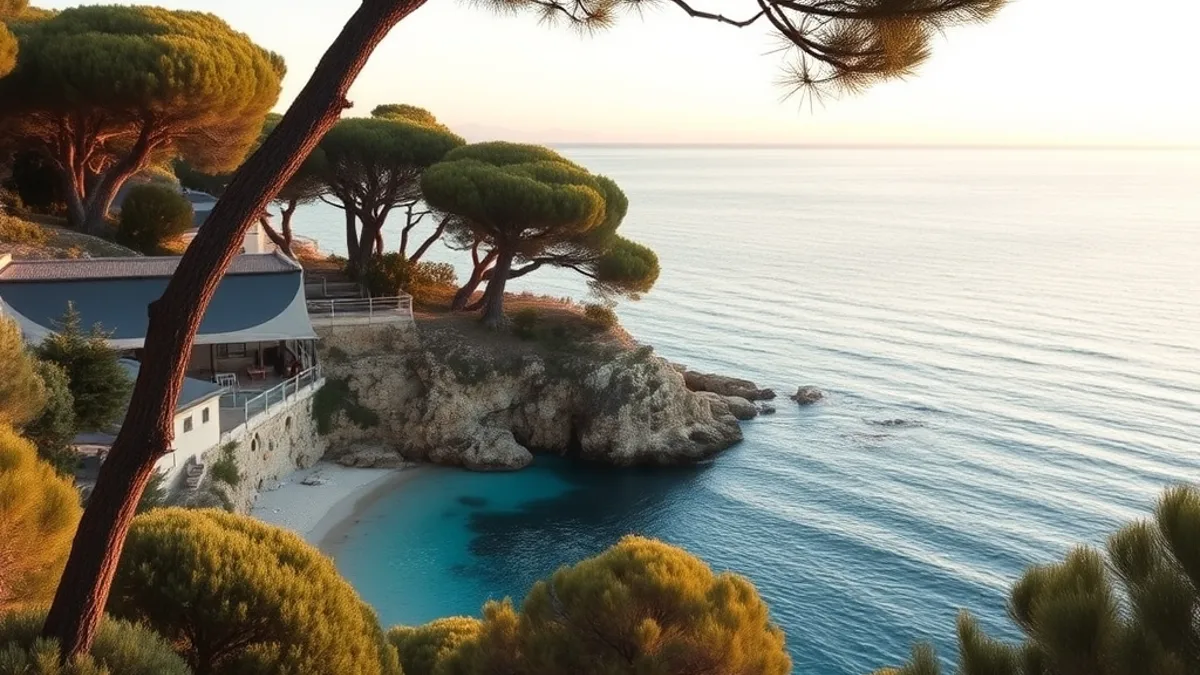
Where you base yourself matters as much as when. The areas around Calvi, Porto-Vecchio and the Cap Corse peninsula offer the best mix of pretty coves and glamping sites with real infrastructure nearby. Porto-Vecchio in particular pairs southern beaches with a good spread of tented accommodation, while Cap Corse suits travelers who want a wilder, quieter coastline. For a sense of how refined a Mediterranean coastal stay can feel, have a look at these hillside Mediterranean homes with soft golden evenings — the same calm, warm-evening atmosphere is what the best Corsican coastal sites aim for.
Mountain Sites by Season: The Interior from Spring Thaw to Autumn Color
The interior mountains play by different rules, and timing is everything. The reliable window for high-altitude glamping sites runs from late June to mid-September, when the passes are clear of snow, the access roads are dry and the nights are mild enough to sleep comfortably. Outside that window, you’re gambling with weather, and some sites simply close.
Even within that window, altitude keeps things honest. Mountain sites in the interior sit between roughly 800 and 1,500 m, and July nights at 1,000-1,500 m can still drop to 10-15°C. Pack layers even in midsummer — a fleece for the evening, warm sleepwear and something to pull on when you step out of the tent at dawn. Days are warm and bright; it’s the nights that surprise people who packed only for the beach.
Autumn color and spring waterfalls
September may be the interior’s best month. The landscape turns golden and quiet, the summer crowds are gone, and conditions are ideal for hikers following stages near the GR20 corridor — the famous long-distance route that threads through Corsica’s high country. You don’t have to hike the full trail to enjoy it; day stages and nearby valley paths give you the same granite scenery with far less commitment.
Spring, from April to May, brings its own rewards: waterfalls at full flow, green valleys and empty trails. The limitation is access — some high routes and mountain sites only open from late May, once the thaw is complete. If you’re planning a spring trip, check opening dates with each site directly before booking, and build a plan that keeps you at lower elevations early in the season.
Combining Coast and Mountains in One Itinerary
The best Corsican trips rarely stay in one place. The island is compact enough that you can wake up to the sound of waves and end your holiday watching stars from a mountain terrace, provided you plan the switch sensibly. A split itinerary takes a little more logistics than a single-base trip, but it shows you both sides of the island instead of just one. The good news: distances are short, so even a mid-holiday move feels more like an excursion than a travel day.
- Start with a 7-10 day trip as your framework. Anything shorter and you will spend more time moving than relaxing. This length gives you room to settle in at both settings without rushing the drive between them, and it leaves a buffer day in case weather slows you down.
- Split your nights 4-5 coastal and 3-4 interior. This balance lets you enjoy beach days and long seafront evenings first, then finish in cooler highland air. Many travelers prefer ending in the mountains, where the quieter pace works as a decompression before the journey home.
- Plan the switch around Ajaccio if you can. The town sits roughly 1.5-2 hours by winding road from the Bavella mountain area, so a mid-trip move is entirely realistic. Leave in the morning, stop for lunch along the way, and you can be settled into your lodge by mid-afternoon. Fill the tank before you leave the coast, as fuel stations thin out quickly once you climb into the interior.
- Travel light with soft luggage. Duffel bags and foldable packs beat hard-shell suitcases here, because tented lodges and safari tents offer limited storage compared to hotel rooms. Soft bags slide onto a shelf or under a bed; rigid cases often end up blocking the walkway. If you are renting a car, a soft bag also makes it easier to repack quickly on transfer day.
Build in one practical reset at the switch point. A mid-trip laundry stop means you can pack lighter overall, and a supermarket run in a larger town covers snacks, water and breakfast supplies for the mountain stretch, where shops can be few and far between. Keep a small day bag with layers, swimwear and toiletries accessible so you are not digging through the whole car at your next site.
One final note: confirm check-in and check-out times at both sites before you fix your driving day. Tented accommodations sometimes have narrower windows than hotels, and mountain roads are best driven in daylight. A relaxed transfer day turns the switch itself into part of the experience rather than a chore.
Booking Windows and What Glamping in Corsica Really Costs
Glamping in Corsica rewards early planners, especially if your heart is set on the coast in high summer. The most desirable lodges near the best beaches are limited in number, and demand in July and August far outstrips supply. Mountain sites are generally easier to secure, but the popular ones still fill up in the heart of the season.
As a rule of thumb, reserve peak-season coastal sites 4-6 months ahead, with July and August luxury lodges selling out first. Shoulder-season trips in May, June and September usually need only 4-8 weeks of lead time, which makes them far more flexible for spontaneous travelers. Pricing follows the same pattern, so timing affects both availability and what you pay.
- Tents in shoulder months: expect roughly €90-150 per night for standard glamping tents in May, June or September, when sites compete more actively for bookings.
- Luxury lodges in August: budget roughly €180-350 per night for the top-tier safari-style lodges at peak season, when every extra square meter of canvas commands a premium.
- Extras that may not be included: bedding, towels and final cleaning are priced differently from site to site. Some operators bundle them into the nightly rate, others add them at checkout, so always ask before booking.
Before you confirm anything, request a full price breakdown in writing. A lodge that looks like a bargain can grow noticeably more expensive once linen rental, cleaning fees and local tourist taxes are added. Checking current rates directly with the site is always worthwhile, since prices shift from year to year.
How to Pick a Quality Site: Checklist Before You Book
Not every tent marketed as glamping delivers a genuinely comfortable night, and the gap between marketing photos and reality can be wide. A stylish canvas lodge photographed at golden hour may still have a sagging mattress, a floor that turns muddy in rain, or a pitch that catches every gust coming off the sea. The difference between a memorable stay and a disappointing one usually comes down to a handful of practical details that no listing gallery will show you. Run through a short checklist before you pay any deposit, and treat vague or evasive answers as a warning sign rather than an inconvenience.
The fundamentals matter most: what you sleep on, what is underfoot, and how the tent handles heat, cold and insects. Beyond that, location-specific factors change the picture. Coastal sites face wind and mosquitoes, while mountain sites face cold nights that no amount of stylish bedding can fix on their own. Use the list below to compare sites on the things that actually affect your comfort, and ask each operator direct questions about them before committing.
- Real beds and proper flooring: look for solid bed frames, wooden or raised deck flooring and insulated canvas walls, rather than thin camping tents on bare ground relabeled as glamping. Ask exactly what bedding is provided and whether it is changed during longer stays.
- Shade, mosquito protection and dining: shaded pitches keep the tent livable through the afternoon heat, screened windows and nets matter enormously near the coast, and on-site dining is valuable because remote locations often limit evening options to a drive on dark, unfamiliar roads.
- Heating for mountain stays: confirm the lodge has a wood stove or a proper heating system before booking a high-altitude site, because nights stay cold even in midsummer. Ask whether firewood is included or charged separately.
- Targeted recent reviews: read reviews from the last season that specifically mention wind exposure on coastal sites and temperature comfort in the interior — general star ratings hide exactly the details you need.
Ten minutes of this kind of checking will tell you more than any brochure or carefully styled photo gallery ever could. If a site answers your questions about bedding, heating and wind quickly, clearly and without hedging, that responsiveness usually says something good about how the whole stay will run once you arrive.
Wrapping Up Your Corsican Glamping Plan
Deciding between Corsica’s coast and its mountains comes down to one simple move: pick your setting first, then match the season to it. If the sea is the point, aim for June or September, when the water is warm, the crowds thin and rates sit below the August peak. If the highlands call, plan for late June through September, when interior sites are reliably open and nights are mild enough to enjoy the stars. Budget roughly €90-350 per night depending on season and lodge type, and remember that peak coastal stays sell out early — booking 4-6 months ahead makes a real difference.
The good news is you don’t truly have to choose. A split itinerary of a few coastal nights followed by a few in the interior gives you the fullest picture of the island in a single trip, from beach evenings to mountain mornings. Whichever way you go, Corsica rewards the planning. If this helped you shape your trip, leave a comment or share the article with a fellow traveler.