Glamping in Andalusia promises something few European destinations can: golden, almost-desert light, badlands that double as film sets, and whitewashed hill villages — all experienced from the comfort of a safari tent or geodesic dome. The catch is that the region’s climate swings hard. Pick the wrong month and you’re either melting in inland heat or shivering through a canvas night; pick the wrong region and the “desert escape” turns out to be a two-hour drive from anything resembling it.
This guide helps you match the season to the region so you get the atmosphere you’re picturing, without the 38°C afternoons or the school-holiday crowds. We’ll compare Almería’s desert landscapes with the greener Alpujarras, Ronda and Cádiz hills, show you how to spot a genuinely well-built glamping site, break down realistic budgets and booking windows, and suggest slow days out — from village lunches to stargazing under some of Europe’s darkest skies.
Why Glamping in Andalusia Feels Like a Desert Escape in Europe
South-east Andalusia is the part of Europe that looks least like Europe. Around Tabernas in Almería, semi-arid badlands fold into ochre ravines and rocky ridges, and the light turns everything gold by late afternoon. It’s the kind of scenery Westerns were filmed in, and it’s remarkably rare on this continent.
Head inland and west, and the canvas changes character. The Alpujarras south of the Sierra Nevada, the Ronda highlands and the Cádiz mountains layer olive groves, cork oaks and whitewashed villages over the hillsides. You wake to birdsong and the smell of herbs instead of dust, and evening walks end at a village bar rather than an empty horizon.
What you’ll actually sleep in
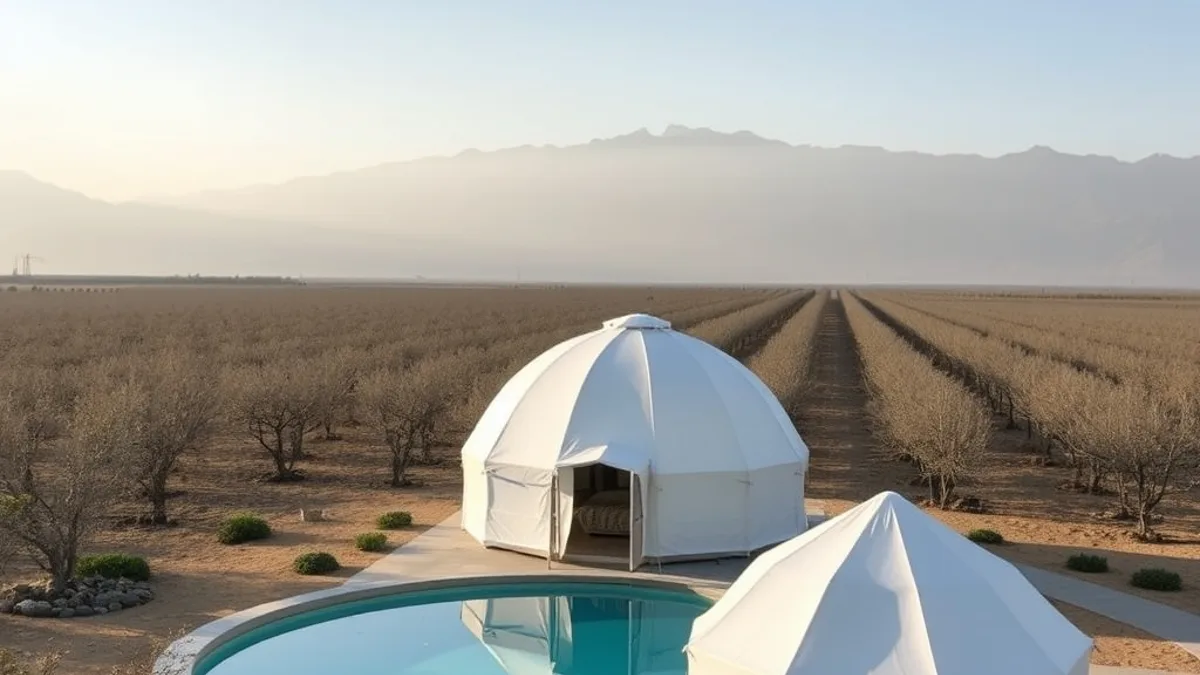
The stay types here go well beyond a basic tent. Safari tents with proper wooden decks, yurts, geodesic domes and eco-cabins are all part of the mix, and many come with the touches that make a hot afternoon bearable: private plunge pools, outdoor baths, shaded terraces and wide views over the hills. Some sites sit alone in the landscape; others cluster a handful of units around a shared pool, which changes the social feel considerably.
The practical point is that variety works in your favor. Desert-light seekers can base themselves near Tabernas, while anyone wanting greenery and village life has three distinct hill regions to choose from — each with its own season and mood, which is exactly what the next sections untangle.
Best Seasons for Glamping in Andalusia
Timing is the difference between a dreamy Andalusian glamping trip and a sweaty endurance test. April and May are the sweet spot for inland sites: the hills are still green, almond and orange blossom scents the air, and daytime highs sit comfortably between 22 and 28°C. You get long evenings outside without needing to hide from the sun, and trails that were muddy in March are firm and fragrant again.
Late September through October repeats that warmth with a different mood. The harvest atmosphere — grapes, olives, village fiestas — gives your stay a local rhythm, and you’ll share sites with couples and walkers rather than the family groups that fill spring weekends. Ask your hosts what’s being picked nearby; some small farms let guests join an olive or grape harvest for a morning, which turns a relaxing stay into something you’ll actually remember a year later.
Summer needs strategy. Inland temperatures regularly exceed 38°C in July and August, so canvas alone becomes a liability unless you pick wisely. Winter, meanwhile, is quietly excellent on the coast, and it’s the season when hosts are most flexible about arrival times and last-minute extensions.
- For July and August, choose high-altitude Sierra Nevada sites, where evenings cool enough for a blanket, or coast-adjacent domes where a sea breeze and a pool do the heavy lifting.
- In November through February, coastal Almería and Cádiz offer mild 15–20°C days — perfect for walking and village lunches — and the lowest prices of the year, though inland hill sites can be cold at night.
- Should you travel in the shoulder weeks of late May or June, book early: these combine near-summer warmth with spring prices, so they sell out faster than the headline seasons.
Where to Base Your Stay: Regions Compared
Almería and Tabernas deliver the desert fantasy most literally. The badlands here are the driest, most otherworldly scenery in Andalusia, yet the coast sits only about 30 km away, so you can combine a morning among the ravines with an afternoon swim. Almería airport keeps transfers short, which matters more than you’d think with luggage and a rental car. Because the area is compact, it also works well for shorter breaks — two or three nights is enough to get a feel for the landscape rather than rushing through it. Just remember that summer heat inland is serious business, so plan your drives and walks for the cooler hours.
The terraced villages on the southern slopes of the Sierra Nevada offer the opposite mood: whitewashed houses clinging to dramatic hillsides, chestnut and olive trees, and winding roads that reward slow travel. Ronda and the surrounding Grazalema hills are greener and cooler thanks to their altitude, while the Cádiz hinterland blends forest, vineyard and white-village scenery with the region’s gentlest winters. Each zone has its own rhythm, so it pays to match your base to the kind of days you want.
- In the Alpujarras, villages like Pampaneira and Bubión sit stacked up the Barranco de Poqueira gorge, so a glamping base here puts marked walking trails within minutes of your tent.
- Grazalema’s hills see noticeably more rainfall than the rest of Andalusia, which is why they stay green into early summer — and why late spring and early autumn are the comfortable windows there.
- The Cádiz hinterland around villages like Medina Sidonia mixes grazing land, cork woodland and sherry-country vineyards, giving you a landscape that changes with every drive rather than one fixed panorama.
- Almería’s desert zone lets you split your week: badland stargazing inland, beach time on the Cabo de Gata coast, all from one base with no repacking.
How to Spot a Genuinely Great Glamping Site
Glamping photos can be deceiving. A stylish safari tent looks just as inviting in a listing shot as a genuinely well-built one, but the difference shows up the first time you sleep in it during a summer heatwave or a cold January night. Canvas alone offers little protection against either extreme, so the first thing to check is what sits behind the fabric: proper insulation, real heating for winter stays, and fans or air conditioning for the hotter months.
Shade matters just as much. When daytime highs push past 30°C, a tent with no shaded terrace, no pool and no natural tree cover becomes uncomfortable well before lunchtime. The best sites design around the heat rather than simply photographing well in it, placing units under mature trees or orienting terraces away from the afternoon sun.
Before you book, work through these practical checks:
- Insulation and climate control: ask specifically whether the unit has insulated walls or double canvas layers, working heating, and fans or air conditioning — and confirm these are included in the rate rather than offered as paid extras.
- Shade and water: look for covered terraces, pergolas, a private plunge pool or mature trees on the pitch itself, not just a shared pool some distance away.
- Atmosphere and audience: check whether the site is adult-oriented or family-friendly; a quiet couples’ retreat and a site with a children’s playground create very different evenings, and listing photos rarely reveal this.
- Real distance to a village: many sites marketed as Andalusian sit 30 or more minutes from the nearest shops and restaurants, so verify the actual drive time before you plan to buy groceries or eat out.
A quick message to the owner asking two or three of these questions will usually tell you more than any gallery of sunset photos. Owners who answer promptly and specifically tend to run sites that match their listings, while vague replies are often a warning sign worth heeding.
Budgets and Booking Windows
Glamping in Andalusia spans a wide price range, and knowing the typical figures helps you spot both bargains and overpricing. In peak weeks, expect roughly €180–€400 per night for a well-equipped tent, dome or eco-cabin. In shoulder season, the same units typically drop to €100–€220 per night, often with identical facilities and quieter surroundings.
Timing your booking matters as much as choosing the season. Spring and autumn weekends in the most popular areas — particularly the Alpujarras and the Cádiz hills — sell out early, so reserve 3–6 months ahead if you want a specific unit or a weekend date in April–May or September–October.
How to Pay Less Without Compromising
Midweek stays in shoulder months often come in 20–30% below weekend rates for the same accommodation. If your schedule allows a Monday-to-Thursday trip, you get the same golden light and warm days at a noticeably lower price, plus emptier pools and quieter villages.
The best value of all, though, is winter on the coast. From November to February, coastal sites in areas like Almería and Cádiz enjoy mild days of 15–20°C, and rates sometimes fall under €100 per night. If your idea of glamping involves long walks, village lunches and reading on a shaded terrace rather than swimming, a winter coastal stay delivers the experience at a fraction of peak prices. Always confirm what the rate includes, since heating costs and minimum-stay requirements can vary between sites.
Pairing Your Tent with Slow Days Out
The best Andalusian glamping trips are built around one anchor per day, not a checklist of sights. Pick a single focus — a long lunch in a whitewashed village, a short walk through a gorge or among olive groves, or an evening devoted to the stars — and let the rest of the day stay unhurried. The stargazing option deserves special mention: the skies over Tabernas in Almería are among the darkest in Europe, so a clear night from your terrace can be the highlight of the whole stay.
Getting Around
Rent a car. Most glamping sites sit 1–2 hours from Málaga or Almería airports, and public transport to remote hillside or desert locations is limited or nonexistent. A hire car turns a 40-minute drive to a village market or a viewpoint into an easy errand, while relying on taxis would quickly become expensive and restrictive. Book the car at the same time as your accommodation, especially for spring and autumn weekends.
Working With the Heat
In the warm months, structure your day around the sun rather than against it. Plan outdoor time — walks, village visits, drives — before 11am and after 5pm, when the light is softer and the air is bearable. Keep the midday hours for what your site does best: shade, the pool, a long lunch and a proper siesta. This rhythm is not a compromise; it is how the region itself lives, and it means you experience the golden early and late light that makes Andalusia’s landscapes so photogenic, instead of trudging through a gorge at two in the afternoon.
Wrapping Up Your Andalusian Glamping Plan
If you want that golden, almost-desert atmosphere without the heat or crowds, the answer is simple: aim for April–May or late September–October, when daytime highs sit at 22–30°C and the hills are at their best. Each region then adds its own mood — Almería for raw desert light near Tabernas, the Alpujarras for terraced slopes, Ronda for greener highlands, and Cádiz for milder winters and forest settings.
Plan ahead and the trip comes together easily: book 3–6 months ahead for spring and autumn weekends, budget roughly €100–€400 per night depending on season, and always check heating, shade and the real distance to the nearest village before you commit. Do that, and your canvas stay under Andalusian skies should deliver exactly the escape you pictured. If this helped you plan yours, leave a comment or share the article.