Many travelers eye the small metal box bolted to the closet shelf with a healthy dose of suspicion. You have heard the stories: default codes that never change, staff with override access, safes that pop open with a light shake. Yet when you are on the road, you still need somewhere reliable for your passport, spare cash, second credit card and the electronics you cannot carry everywhere. That is exactly where hotel safe boxes earn their place.
This guide walks you through the whole picture. We will explain how hotel safe boxes actually work, how secure they really are, and what belongs inside them. You will also learn what to keep out of the safe, how to use one correctly, and what to do when your room has no safe at all. By the end, you will know exactly how to make that little steel box work for you instead of worrying about it.
How Hotel Safe Boxes Work
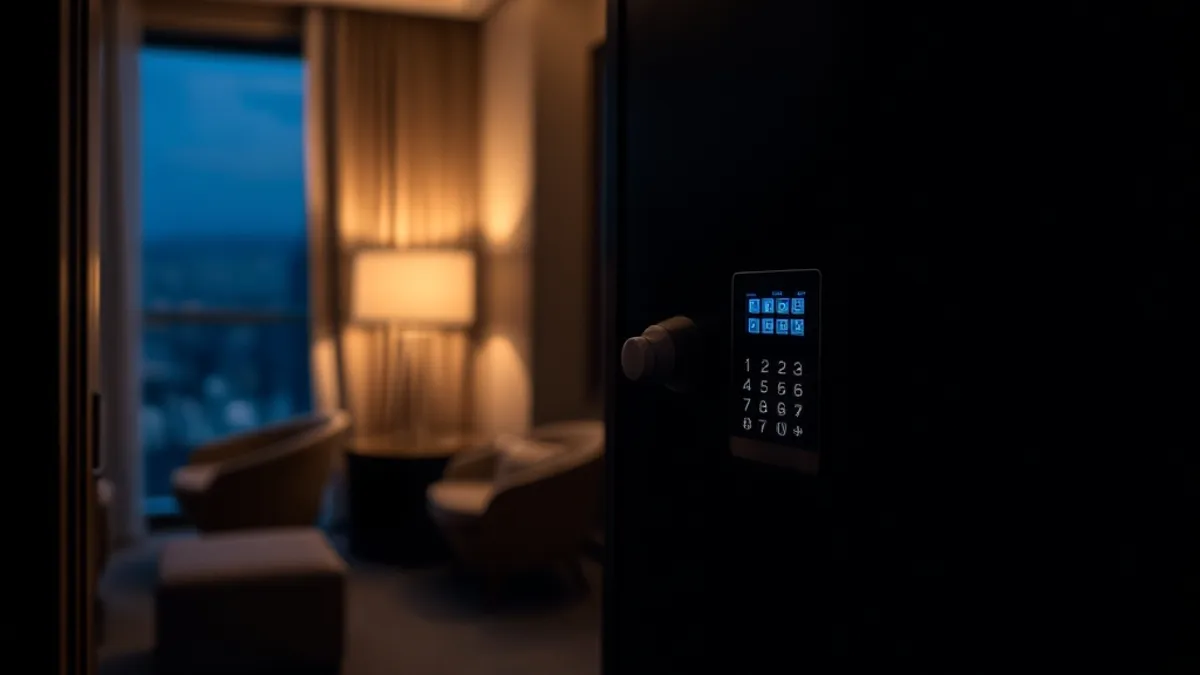
Most modern hotel safes are electronic keypad models, and they are simpler than they look. When you arrive, the safe is typically reset, and you set your own personal code for your stay. This code is usually 4-6 digits long, which gives you room to pick something memorable but not obvious. Avoid birthdays and repeated digits like 1111, since those are the first combinations anyone would try.
What happens inside the lock
Many models use motorized locking bolts. When you enter the correct code, a small motor retracts the bolts and the door swings open. If the code is wrong, the bolts stay firmly engaged. These safes also have an override mechanism, usually a key or a master code, which is how the hotel regains access when a guest forgets the combination or the batteries die mid-stay.
That override system matters to understand. Hotels usually keep a master or override code so staff can open a safe if a guest forgets the code or the electronics fail. In practice, this means the safe is a deterrent rather than a vault, but it also means you will rarely be locked out of your own belongings for long.
A few older properties and boutique hotels still use key-operated safes instead of digital ones. These work much like a small home safe: you get a physical key, sometimes two, and there is no keypad to program. If your room has one of these, ask at check-in what happens if the key is lost, since some hotels charge a replacement fee.
Interior space is worth checking too. Typical hotel safe interiors measure 20-40 liters, which comfortably fits laptops up to 15-17 inches, a passport wallet, a camera and some jewelry. If you travel with bulkier gear, open the safe before unpacking to see what actually fits.
Are Hotel Safe Boxes Really Secure?
The honest answer is that hotel safe boxes are good at one specific job: deterring opportunistic theft. They are not rated like home or bank safes, and a determined professional burglar with time and tools could defeat most of them. But that is not the threat you actually face in a hotel room. The vast majority of in-room theft is opportunistic, meaning someone grabs cash, a phone or a camera that is left out in plain sight. A locked safe removes that easy opportunity entirely.
The override question
It is true that master codes and override keys mean hotel staff can technically gain access to your safe. This is worth knowing, not panicking about. Hotels keep these codes controlled and their use is typically logged, because staff abuse would quickly cost a property its reputation. If it makes you more comfortable, you can ask the front desk about their safe access procedures at check-in.
One practical check makes a real difference: look at whether the safe is anchored. Lift the door gently or look underneath. A safe that is bolted to a shelf, wall or wardrobe cannot simply be carried out of the room, which is the most common way safes get stolen in bulk. A loose, portable safe is far less useful as protection, so if yours is not anchored, mention it to reception or store your valuables at the front desk instead.
In short, treat the in-room safe as a solid first line of defense. It stops the casual thief, slows down anyone serious, and for most stays it is exactly the level of protection you need.
What to Store in a Hotel Safe Box
Now for the useful part: what actually belongs in the safe. The general rule is simple. Anything valuable that you do not need on your body during the day should go in the safe before you leave the room. Think of it as your fixed base of operations, holding the things you would hate to lose but do not need at lunch.
Many hotels also expect it. Insurance policies frequently require valuables to be in a locked safe to be covered, so using the safe is not just caution, it can be the difference between a paid claim and a denied one.
A good baseline list looks like this:
- Passport: carry a photocopy or digital copy while sightseeing, and keep the original locked away unless you are traveling to a border, airport or anywhere you know you will need it.
- Spare cash and a second credit card: keep an emergency stash and a backup card in the safe so a stolen wallet does not leave you stranded without access to money.
- Electronics you are not using: a laptop, tablet or spare camera body left charging in the room belongs in the safe, since these are among the most commonly grabbed items.
- Jewelry, watches and small heirlooms: anything with sentimental value or a difficult replacement process should never be left on a nightstand, even for a quick trip to the pool.
- Backup documents: printed travel insurance details, booking confirmations and a spare passport photo can save you real trouble if your phone dies or your bag disappears.
One tip that experienced travelers swear by: keep your daily-carry items out of the safe and everything else in it. That way you never empty the whole safe into a day bag, which is exactly when things get lost or stolen in crowds.
What to Keep Out of the Safe
Knowing what belongs in the safe is only half the equation. Just as important is knowing what should stay out of it, because a safe you cannot reach quickly is useless for items you need throughout the day, and concentrating everything valuable in one spot creates its own risk.
The biggest mistake travelers make is locking away something they suddenly need. Your main phone, the wallet you pay with, and the credit card you use daily should stay with you, not sit behind a keypad. The same goes for any medication you might need at unpredictable hours, such as painkillers, an inhaler or an EpiPen. If a safe requires a code you only half remember, retrieving these items becomes a stressful detour instead of a ten-second task.
Concentration risk matters too. If your passport, cash, cards and camera all sit in one box, a single failure puts your entire trip on hold. Many travelers split valuables between the room safe and a money belt or day bag, so no single point of loss wipes them out. Insurance adds another wrinkle: many policies only cover valuables kept in a locked safe, which means cash above your policy limit may be unprotected no matter where you put it.
- Backup credit card: keep your primary card on you and store the backup in the safe, so losing your wallet does not leave you paymentless.
- Evening essentials: if you return to the room at night, retrieve the next day’s cash and card before heading out, rather than making midday trips back.
- Prescription details: carry a photo of your prescriptions on your phone, so a locked medication bag never becomes a barrier to a pharmacy visit.
- Decoy wallet: some travelers carry an old wallet with a small amount of local cash, keeping the real stash split between the safe and a money belt.
Using a Hotel Safe Box Correctly
A hotel safe is only as good as the way you use it. Most problems come not from the safe itself but from rushed setup or a forgotten code at checkout. Interiors are typically small, often around 20-40 liters, so plan what actually goes inside rather than emptying your whole bag. A simple routine, done the moment you arrive, removes almost every common failure and takes barely any time.
- Set your own code first. Never accept a default factory code such as 0000 or 9999, which previous guests or anyone familiar with the model may know. Choose a 4-6 digit combination that is meaningful to you but not obvious, like part of an old address rather than your birth year.
- Test it with the door open. Before placing anything inside, close the door without locking it or run a test cycle with the door open, then enter your code to confirm it works. Discovering a bad code after the door is shut is the classic hotel safe mistake.
- Document what goes in. Take a quick photo of the contents with your phone every time you add or remove items. Save your code in a password manager as a backup, so a memory slip at midnight is not a crisis.
- Do a final sweep at checkout. Open the safe, check the drawer and any inner shelf, and run your hand along the bottom edge. Passports, spare cards and chargers are the items most often left behind in the rush to catch a transfer.
Two minutes on arrival and thirty seconds at departure are all this routine takes. It also matters for insurance reasons: many policies require valuables to be in a locked safe for coverage to apply, so a properly set and working safe is part of protecting your claim, not just your belongings. If anything feels wrong, such as a safe that will not accept a new code, report it to the front desk immediately and ask for a different room rather than gambling with your passport inside a faulty lock.
Alternatives When Your Room Has No Safe Box
Not every room comes with a safe, especially in guesthouses, hostels and smaller boutique properties. That does not mean you have to carry your passport everywhere or accept the risk of leaving valuables loose in a suitcase. There are several practical workarounds.
Use the front desk
Many hotels offer safety deposit boxes at reception or behind the counter, often at no extra charge or for a small daily fee. Ask at check-in rather than assuming, and get a receipt or numbered ticket for anything you deposit. Front-desk boxes are usually more secure than in-room safes because access is logged and supervised, though you will only be able to retrieve items during staffed hours.
Secure your belongings yourself
A portable travel safe, essentially a slash-resistant bag with a steel cable, can be locked to fixed furniture such as a bed frame, pipe or heavy wardrobe. It is not theft-proof, but it turns a grab-and-go opportunity into a slow, noisy effort that deters most opportunists. Combine this with a simpler habit: carry only what you need for the day and leave minimal valuables in your luggage, ideally locked inside a zipped compartment rather than the outer pockets.
If safeguarding valuables is a priority for your trip, make it a booking criterion. Filter or read listings for accommodations that advertise in-room safes, and confirm the detail with the property before you reserve if the description is unclear. A few minutes of checking before you book beats improvising with a cable lock on arrival.
Final Thoughts on Hotel Safe Boxes
That distrust of the small box glowing on the closet shelf is understandable, but hotel safe boxes are more useful than many travelers assume. They work with a guest-set electronic code, usually 4-6 digits, and they do a solid job of deterring the everyday opportunistic theft behind most in-room losses. They are not bank vaults, yet for the items that matter most, they are usually protection enough.
The practical approach is simple: store your passport, spare cards, electronics and jewelry inside, and treat the safe as one layer of your plan rather than your only one—keep a backup stash of cash and a card on your person during the day. Set and test your own code instead of a factory default, and if your room has no safe, ask about front-desk deposit boxes instead. Have a hotel safe story or a tip of your own? Leave a comment or share this article.