Travelers often book these three stay types interchangeably, then arrive to find the setting, service level and season fit nothing like they imagined. Someone books a “cabin” expecting a cozy hideaway and gets a ski chalet with a driver. Another group rents a “villa” in a cool month and wonders where the pool weather went. The villa vs cabin vs chalet question matters because each stay type is built around a different climate, a different purpose and a very different level of service.
This guide breaks down what actually defines each one, then walks through villa stays, cabin stays and chalet stays in detail, including typical rates, sleeping capacity and booking windows. You will also find a practical way to match each stay type to your trip, plus a side-by-side look at costs and lead times. By the end, the choice should feel obvious rather than confusing.
What Defines a Villa, a Cabin and a Chalet
The confusion usually starts with the words themselves, because listings use all three loosely. In practice, each stay type has a clear identity built around where it sits and what it is for.
A villa is a standalone, staffed home in a warm climate, usually with a private pool and open-air living spaces. Think coastal regions where you can live outdoors most of the day: terraces, shaded lounges, dining areas that never need a roof. Staff are part of the package, which is what separates a villa from a large holiday apartment.
Cabins and chalets: wood, but very different worlds
A cabin is a small, rustic, self-catered wooden retreat in forest or lakeside terrain, built for simplicity. Cabins sit in lowland settings, close to trails and water rather than ski lifts, and they trade daily service for quiet and self-sufficiency.
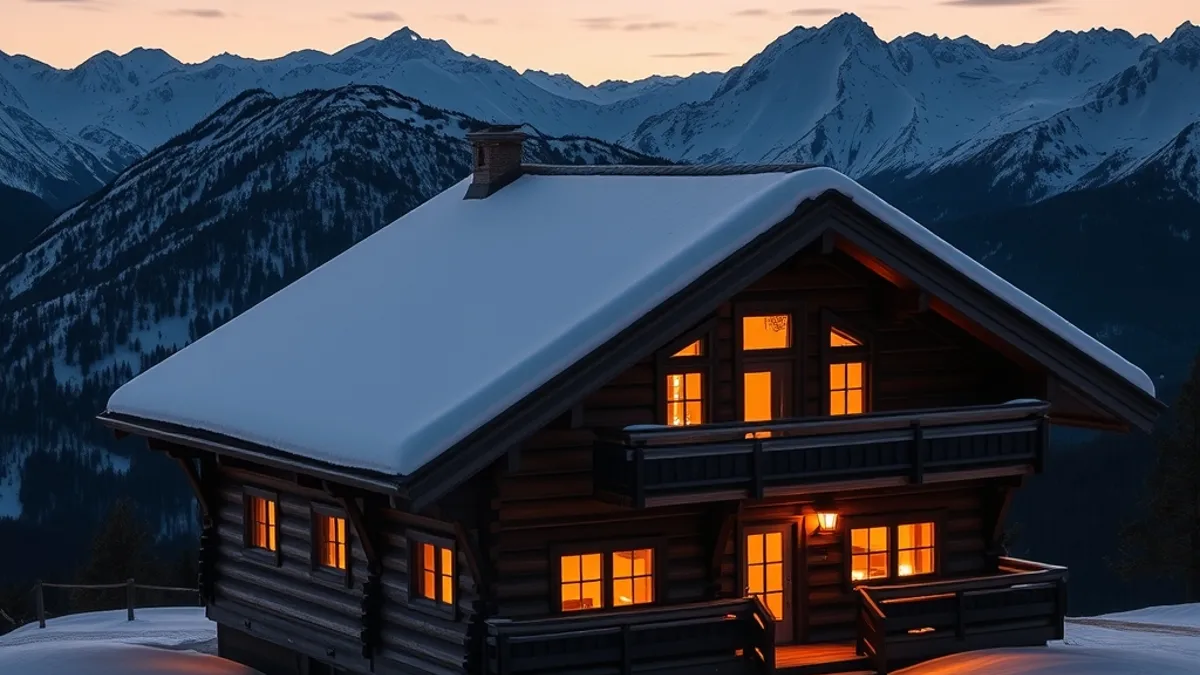
A chalet is an alpine timber house with sloped roofs and wide balconies, designed around snow and ski access. Chalets sit at 1,200-2,500 meters elevation near ski lifts, and features like boot rooms and fireplaces exist because winter is the point. So the core difference is climate and purpose: villas serve heat, cabins serve nature, chalets serve winter sports. Get that right, and most other decisions fall into place.
Villa Stays: Space, Staff and Tropical Settings
Villas are built for groups. They typically sleep 6-12 guests across en-suite bedrooms, which means everyone gets privacy and a bathroom without anyone booking a second property. When a group of eight or ten splits a nightly rate of $250-800, the per-person cost often undercuts booking several hotel rooms, and you get far more shared space in the deal.
Service is the real difference
What you are really paying for is staff. Expect included services such as daily housekeeping, a private cook on request and a concierge who arranges boats, transfers and restaurant bookings. It is resort-level service, but you never share a pool, a lobby or a breakfast room with anyone else. For many travelers, that combination is exactly why they choose a villa over a hotel in the first place.
Timing your booking around the season
In tropical destinations, the high season runs roughly November to April, when weather is at its best and rates rise 30-50% over shoulder months. Book 4-6 months ahead for those peak weeks, especially for larger properties. Shoulder months can deliver nearly the same weather at a noticeably lower rate.
Villas are the best fit for milestone trips, multi-family gatherings and travelers who want resort service without shared facilities. If your trip is built around a group and a warm coast, this is your stay type.
Cabin Stays: Rustic Simplicity in Forest and Lakeside Terrain
Cabins are the most affordable of the three stay types, typically sleeping 2-6 guests at rates of $100-250 per night. That smaller footprint is part of the appeal: one living room, one or two bedrooms, and a porch or deck looking straight at trees or water. For couples and small families, it is an easy way to get a genuine nature reset without a big trip budget.
Simple by design
Cabins are self-catered, with basic kitchens, wood stoves or fire pits, and little or no daily service. Nobody comes to make your bed, and that is the trade-off you accept for the price and the privacy. Bring groceries, plan simple meals and let the stove do the evening entertainment. If that sounds like your kind of trip, woodland settings such as Black Forest woodland retreats for restorative green seclusion show how restorative this format can be.
Season and booking window
Cabin country peaks in summer, roughly June to September, when lake swimming, hiking and canoeing define the stay. Unlike villas and peak chalets, cabins often need only a 1-3 month booking window, though popular lake areas fill faster on summer weekends.
The best fit is a couples’ getaway or a short family break where the goal is trails, water and quiet evenings. If you want staff, pools or ski lifts, look at the other stay types instead.
Chalet Stays: Alpine Comfort Built Around the Ski Season
Chalets were built for one thing: winter. These alpine timber houses typically sit at elevations of 1,200-2,500 meters, close enough to ski lifts that you can walk to the piste in your boots. The architecture gives them away immediately, with steeply sloped roofs that shed heavy snow and wide balconies made for surveying the mountain.
Step inside and the winter-first design continues. A boot room by the entrance, a fireplace in the living area and often a sauna are standard features rather than luxuries. After a day on the slopes, that combination matters more than any design detail.
What luxury chalets include
At the top end, luxury chalets run $500-1,500+ per night in peak weeks, and the rate usually buys more than space. A private chef and driver are commonly included, along with staff who handle everything from grocery runs to daily servicing. For a group of skiers splitting the cost, the per-person math can look surprisingly reasonable.
Demand peaks late December to March, and the calendar punishes late bookers. The most sought-after weeks of the season, especially around the holidays and school breaks, get snapped up early, so lock in your dates well ahead or you will be choosing from whatever is left.
Summer is the quieter secret. Chalet stays outside ski season trade lift access for hiking trails, wildflower meadows and crisp alpine air, all at lower rates. If your priority is mountain scenery rather than skiing, regions like the Tatras offer alpine sanctuaries for scenic recovery and mountain silence without the winter crowds.
How to Choose Between Villa, Cabin and Chalet by Trip Type
The fastest way to pick the right stay type is to start with your trip, not the property. Each of the three was designed around a specific season, group size and service level, so matching those first narrows the choice in seconds. Think about when you are traveling, who is coming and how much help you want on site before you even open a search page.
Take a large group trip to a warm destination. A villa split among guests usually beats booking multiple hotel rooms, and everyone shares a pool and living space instead of meeting awkwardly in a lobby. For a weekend escape for two on a budget, a cabin is the easiest option to arrange, often with a short booking window and little planning stress. A winter sports holiday with friends points firmly at a chalet near the lifts, reserved well ahead for peak weeks, especially if your dates fall on school holidays.
- Season check first: warm-weather trips rule out chalets, snow trips rule out villas, so confirm your destination’s peak window before browsing properties at all.
- Group size second: an oversized group squeezed into a cabin means booking two properties and splitting the gathering, so match capacity to your headcount early.
- Service level last: decide honestly whether you want daily housekeeping and a cook, or whether you are happy cooking for yourselves, because paying for staff you will not use wastes budget.
- Booking window as a tiebreaker: if your trip is only a few weeks away, cabins are often the realistic choice, since villas and peak-season chalets fill far earlier.
Work through those filters in order and the right stay type usually picks itself. Once the season, group and service level line up, you can move straight to comparing individual properties within that category instead of second-guessing the category itself.
Villa vs Cabin vs Chalet: Costs and Booking Windows Compared
On paper, the three stay types sit in clearly different price bands, and that ordering alone tells you a lot. But the real comparison starts once you look at what each rate actually includes, because the headline number rarely tells the whole story.
What the rate really buys
Villa rates typically bundle in staff: housekeeping, and often a cook or concierge on request. Cabin and chalet rates assume you self-cater, or that you pay separately if you want a chef. So a villa at $600 per night for ten guests may cost less per person, once fed and serviced, than a cheaper option where every meal is an extra line item. When you compare quotes, ask exactly what is included and what gets billed on top.
Booking windows compared
Lead times differ just as sharply as prices. Villas and peak-season chalets generally need 4-6 months of notice, with the most sought-after holiday weeks the tightest of all. Most cabins need only 1-3 months, which makes them the flexible choice for spontaneous trips. Check current availability with operators, since popular dates in all three categories can fill earlier than expected.
Shoulder seasons are where patient travelers save. Villa and chalet rates typically drop 30-50% outside peak weeks, while the weather and scenery keep most of their appeal. A tropical villa in May or an alpine chalet in summer delivers the same property for a noticeably smaller bill, often with more space and quieter surroundings as a bonus.
Choosing the Stay Type That Fits Your Next Trip
The confusion between these three stay types usually comes from booking them as if they were interchangeable. They are not. Villas deliver staffed space in warm climates, cabins deliver affordable nature, and chalets deliver alpine winter comfort built around the snow. Once you know which setting each one serves, the choice becomes much clearer.
Three filters decide the right stay type for your trip: season, group size and booking lead time. A summer lake escape points to a cabin, a tropical group gathering points to a villa, and a ski week points to a chalet. Match the stay type to the trip purpose and the differences stop being confusing. If this helped you sort out your next booking, leave a comment or share the article with a friend planning the same trip.