Most travelers pack for a resort with a rough idea of “vacation clothes” and then get tripped up at the door of the main restaurant on night two. Resort dress codes are rarely explained in one place: dinner rules live on one page of the website, pool policies in the fine print, and kids’ club requirements somewhere in a pre-arrival email you may not have opened.
This guide pulls it all together. We’ll explain what resort dress codes actually mean and how they differ venue by venue, break down what smart casual really requires at dinner, and cover the swimwear rules that apply around pools, beaches, and indoor spaces. We’ll also look at what children need for kids’ club sessions and family dining, share a practical packing approach for a one-week stay, and compare how dress codes vary across the Mediterranean, tropical islands, and mountain resorts. By the end, you’ll know exactly what goes in the suitcase.
What Resort Dress Codes Actually Mean
Most resorts work with two or three dress tiers rather than one blanket rule. Daytime is casual everywhere: shorts, t-shirts, and swimwear in the right zones. Evening dining usually calls for smart casual, and a small number of specialty venues at some resorts may ask for something more formal. That’s the whole system, but it’s the venue-by-venue detail that catches people out.
One resort, several rulebooks
The dress code applies per venue, not per resort. On the same night, the pool bar might accept flip-flops and swim shorts with a cover-up, while the main restaurant down the path expects long trousers and closed shoes. This is why a guest can feel perfectly dressed at lunch and underdressed at dinner without anything changing but the clock and the building.
Where to find the actual rules
Resorts publish their dress codes on their websites, usually on individual restaurant pages or in a FAQ section, and most repeat the key points in pre-arrival emails. Check them 2-3 weeks before travel. That timing matters: it’s late enough that the information reflects the venues actually open during your stay, and early enough that you can adjust your packing list if a formal venue turns out to be on the cards. A five-minute read at that point is far easier than borrowing a belt from the front desk at 7pm.
Dinner Dress Codes: Smart Casual Explained
Smart casual sounds vague, but at most resorts it translates into a short, consistent list: collared shirts or blouses, long trousers or dressy skirts, and closed or dressy sandals. Beachwear, tank tops, and flip-flops are the standard exclusions. If your dinner outfit would also work at a casual city restaurant, you’re generally fine.
Fine-dining venues at upscale resorts can tighten this further. Some request long trousers and closed shoes specifically for men, and a number restrict children under 12 during evening service. Meanwhile, buffet and beach-bar restaurants stay relaxed during the day, happily accepting shorts, t-shirts, and flip-flops until early evening, when the same spaces often shift toward the smarter standard.
- Collared shirts travel well: a knit polo or linen button-down resists wrinkles in a suitcase and reads as smart casual even after a day in a carry-on.
- Shoes are the most common sticking point: dressy sandals or loafers cover most venues, but men heading to a fine-dining restaurant should plan on closed shoes rather than the sandals worn all day.
- Skirts and dresses offer an easy shortcut: a single dressy skirt or sundress paired with different tops can stretch across multiple dinner nights without looking repetitive.
- Check the venue, not just the resort: if you’ve booked a specific specialty restaurant for an anniversary dinner, look up that venue’s page rather than the general dress code summary.
For a one-week stay, pack 2-3 dinner outfits. That’s enough to rotate so you never repeat the same look on consecutive nights, and it leaves room in the case for the daytime clothes that will actually take up most of your week.
Pool and Beach Rules: What You Can Wear Where
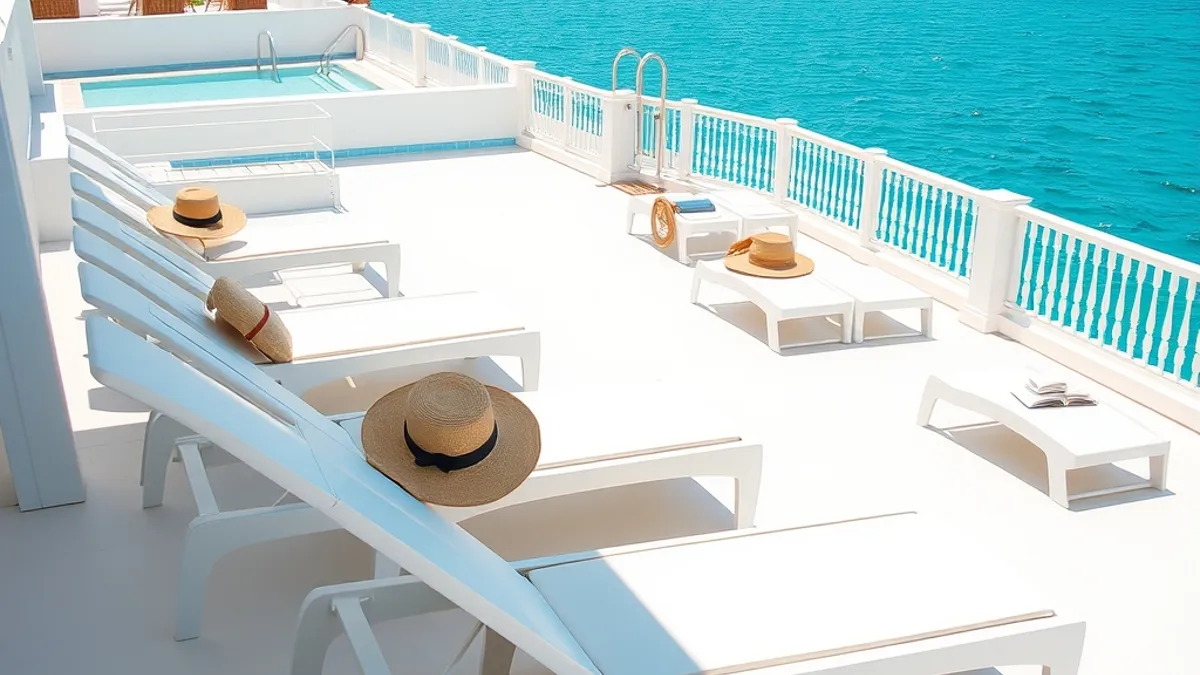
Swimwear has a clear boundary at almost every resort: it belongs to the pool and beach zones and nowhere else. Most resorts require a cover-up or dry clothing the moment you step into restaurants, lobbies, and indoor corridors. A sarong or light throw-on dress kept by the lounger solves this in seconds and saves the walk of shame back to your room.
The wet swimwear rule
Indoor restaurants and spas go a step further: guests are generally asked to change out of wet swimwear before entering. Think of it as damp fabric being treated like street clothes in reverse — the thing that’s acceptable poolside becomes unacceptable indoors, and dryness is the test. If you’re heading from the pool straight to a spa appointment or an air-conditioned buffet, build in ten minutes to shower and change. It also keeps you comfortable once the air conditioning kicks in.
Towels: one less thing to pack
Pool towels are normally provided at a towel desk or station near the pools, so there’s no need to pack your own or raid your room’s towel supply for a day by the water. Most resorts operate a simple swap system: hand in a used towel when you collect a fresh one, and return the last one at the end of your stay. Confirm the arrangement at check-in, since policies on exchanges and deposits vary from one property to the next, but in most cases this is one packing item you can confidently leave at home.
Dress Codes for Kids and Family Areas
Kids get a lighter version of the resort dress code, but it is not a free-for-all. If your children spend their days at the kids’ club, expect staff to enforce two basics: closed-toe shoes and sun-protected clothing for outdoor sessions. Kids’ club programs typically run from roughly 9am to 5pm, which means hours of outdoor games, crafts, and pool time, so sturdy footwear matters more than you might expect. Sandals that slip off or flip-flops can rule a child out of certain activities for safety reasons.
Family pools generally follow the same swimwear rules as the main pools, so proper swimwear rather than cutoffs or everyday clothing applies there too. Adult-only pools sometimes relax things slightly, but since children are not allowed in those areas anyway, this rarely affects your packing decisions.
The trickiest moment for families comes at dinner. A handful of fine-dining venues at upscale resorts set a minimum age for evening service, which can mean leaving the kids with the resort’s babysitting or activity staff for the night. The good news is that most resorts offer an easy workaround: buffet and terrace restaurants with looser codes that welcome kids in smart shorts and a neat t-shirt.
- Pack one pair of closed-toe shoes per child even in hot weather, since kids’ club sign-in sheets often list footwear requirements alongside activity schedules.
- A rash guard or lightweight long-sleeve swim top doubles as sun protection for club activities and saves sunscreen reapplication battles.
- Ask at check-in which restaurants allow children in the evening, so you can plan family dinners without a last-minute wardrobe scramble.
- Older kids heading to dinner venues usually need to meet the same smart casual standard as adults, so bring one presentable outfit for them too.
How to Pack for a Resort Dress Code
Packing for a resort dress code is easier than it sounds once you stop treating dinner clothes and daytime clothes as separate wardrobes. For a one-week stay, plan on 2-3 dinner outfits and 2-3 swim sets, so one swimsuit can dry on the balcony rail while another is in use. Add a light layer for air-conditioned dining rooms, which can feel genuinely cold after a day in the sun even in tropical destinations.
Choose pieces that do double duty
The smartest move is picking versatile items that cross over between buffet dinners and smart-casual venues. A collared shirt is the classic example: it pairs with shorts by day at the beach bar and with long trousers at night in the main restaurant. A simple dress or a dark pair of trousers works the same way for women, moving from lunch to dinner with a change of shoes.
Buffet and beach-bar restaurants keep things relaxed during daytime hours, so your everyday casual wear covers them without any extra packing. Rotate your dinner outfits rather than wearing the same look on consecutive nights, and you will feel appropriately dressed everywhere without filling the suitcase.
Check before you zip the bag
Well ahead of departure, look up the specific resort’s published dress code on its website or in your pre-arrival emails. If the property has a formal specialty venue you want to try, adjust your packing list now rather than discovering the requirement at the host stand. Checking early leaves plenty of time to buy or borrow anything missing, and it costs nothing but a few minutes online.
Resort Dress Codes Around the World
Dress codes shift noticeably depending on where in the world you are traveling, and knowing the regional style helps you pack correctly on the first try. Mediterranean and European resorts lean toward smart-casual dinners, with men often expected in long trousers at evening venues. The good news is that terrace restaurants stay relaxed through summer, so you can enjoy an outdoor dinner in lighter clothing while the indoor dining rooms keep a slightly sharper standard.
If you are considering Spanish resorts with warm swims and plenty of terrace dining, this pattern is exactly what to expect: polished indoors, easygoing outdoors.
Tropical and beach destinations
Tropical island and beach resorts keep codes lighter overall, with dressy sandals often accepted where European venues would ask for closed shoes. The one rule that survives every climate is the swimwear limit: even at the most easygoing island property, you will be expected to swap your swimsuit for regular clothes before sitting down to an indoor meal or walking through the lobby.
Mountain and wellness resorts
Mountain and wellness resorts add a practical layer to the equation. Dinner venues still follow smart casual, but outdoor areas demand genuinely weather-appropriate clothing, from warm layers at altitude to proper footwear on trails. Wellness-focused properties may also have spa-specific rules, so check what applies to treatment areas before your visit. The safest approach anywhere is to confirm the published dress code before you pack, since regional trends are guides rather than guarantees.
Wrapping Up Resort Dress Codes
Resort dress codes stop being confusing once you see that they work venue by venue, not resort-wide. Casual by day, smart casual at dinner, and swimwear confined to pools and beaches covers almost every situation you will encounter. That single framework is the answer most guests wish they had before packing.
Kids face the fewest restrictions, mainly closed-toe shoes at kids’ club and family-friendly dining alternatives when fine-dining venues have evening rules. For your suitcase, a couple of evening looks plus enough swimwear to rotate while one set dries will comfortably cover a week. Keep a light layer handy for air-conditioned dining rooms, and you are set.
If you still have a question about a specific resort’s dress code, or a packing tip that saved your own trip, leave a comment below or share this article with a fellow traveler.