Most couples want the same thing from a honeymoon: waking up somewhere beautiful, with real comfort and no crowds. Glamping promises exactly that, but the reality varies wildly. Some sites deliver a plush bed, a private bathroom and a hot tub under the stars, while others are closer to camping with better blankets. The difference comes down to knowing what to look for before you book.
This guide walks you through glamping honeymoons step by step. We’ll cover why a small site often beats a big resort, how to pick the right season for your dates, which stay type matches your comfort level, what a realistic budget looks like, and when to book to secure the best units. We’ll also share the romantic touches worth arranging before arrival, so your first days as a married couple feel effortless from the moment you check in.
Why Glamping Honeymoons Work for Couples Who Want Nature Without Roughing It
Glamping has quietly become one of the smartest choices for couples who want nature on their honeymoon without giving up comfort. The best sites pair hotel-grade beds with proper linens, private en-suite bathrooms and daily housekeeping, then set all of it a few steps from a forest trail, a coastline or a mountain view. You get the morning mist and the birdsong, then walk back to a hot shower and a made bed.
Privacy you won’t find at a resort
Most quality glamping sites are deliberately small, often just 5-20 units spread across the property. That scale changes the whole experience: no poolside crowds, no buffet queues, no neighboring balconies. On a honeymoon, that quiet and privacy is exactly what large honeymoon resorts rarely manage to deliver, no matter how polished their service.
A stay that becomes the memory
Then there’s the stay type itself. A safari tent on stilts, a glass dome under a dark sky, or a treehouse with a canopy deck is a one-off experience you’ll still talk about years later. A generic hotel room, however lovely, rarely becomes part of the story. With glamping, the accommodation isn’t just where you sleep — it’s the centerpiece of the trip, and that’s precisely what makes it worth planning carefully.
Choosing the Right Season for a Glamping Honeymoon
Timing shapes almost everything about a glamping honeymoon, from what you’ll pay to how the landscape looks from your deck. In most temperate regions, peak season runs May to September, and it delivers the best weather of the year. The trade-off is predictable: the highest nightly rates and the least availability, especially at the most photogenic sites.
The shoulder-season advantage
If your dates are flexible, look at the edges of the season. Shoulder months like May, late September and October often cut rates by 20-30% compared to July-August, while bringing cooler evenings and noticeably thinner crowds. For a honeymoon, that combination is hard to beat: you trade a few degrees of warmth for quieter trails, more attentive hosts and a lower total bill.
Winter honeymoons need a different stay type
If you’re set on winter dates, be selective about accommodation. Canvas tents in temperate climates suit roughly April-October, and booking one outside that window usually means a cold, damp disappointment. For colder months, choose heated cabins or geodesic domes instead — they’re designed for year-round use and let you watch snowfall from a warm bed rather than shiver through it. Match the structure to the season and the weather becomes part of the romance instead of a problem to endure.
Picking a Stay Type That Matches Your Comfort Level
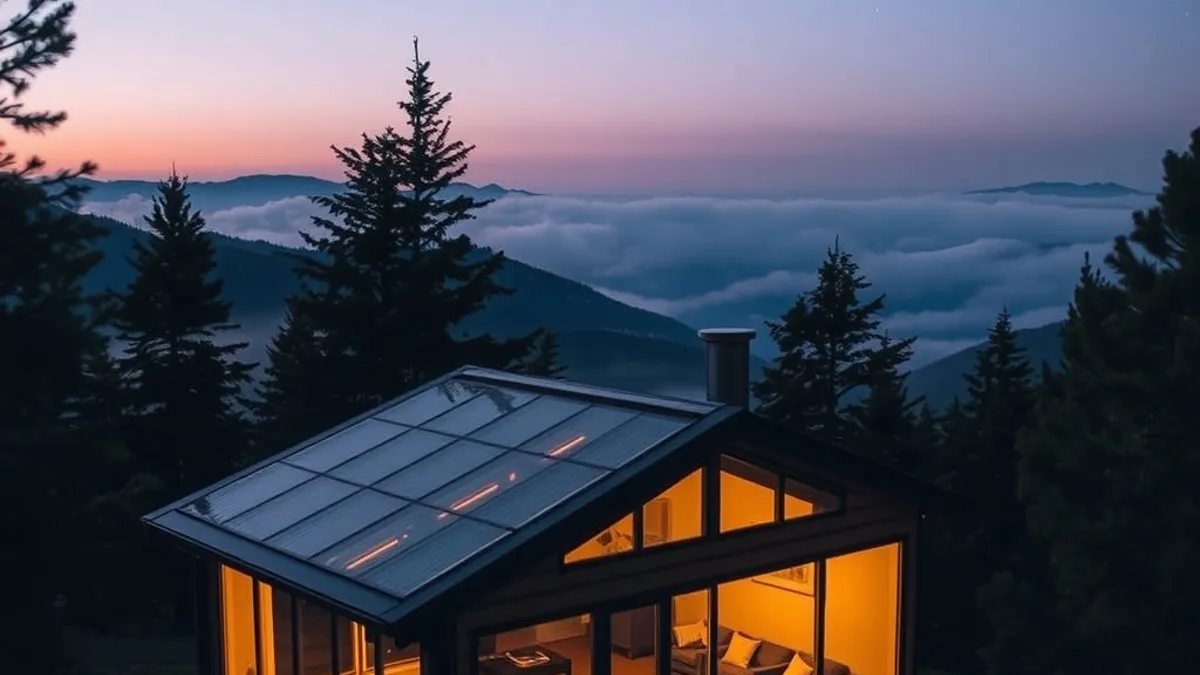
Not all glamping is equally comfortable, and the gap between stay types is bigger than most couples expect. The key is matching the structure to your season and to how much roughing it you’re genuinely willing to accept. Safari tents and yurts are the classic choice for warm-season trips — they deliver that under-canvas romance, with canvas walls, lantern light and the sound of wind in the trees. Glass domes and cabins, especially those with wood stoves or underfloor heating, work year-round and are the natural pick for stargazing-focused trips, since you can lie in bed and watch the sky through a clear roof.
Once you’ve narrowed the style, verify the essentials before you commit. These details determine whether the stay feels luxurious or rustic:
- En-suite bathroom: confirm the bathroom is private and attached to your unit, not a shared block a walk away — this single detail separates true glamping from upscale camping.
- A real bed: ask whether the bed is a proper frame with a quality mattress, not a pull-out or futon, since you’ll be sleeping in it every night of your honeymoon.
- Heating or cooling: check the unit has heating for cool nights and, in warm months, ventilation or air conditioning so afternoons stay comfortable.
- Reliable hot water: read reviews specifically for mentions of hot water pressure and consistency, a common weak point at otherwise lovely sites.
Ask the operator these questions directly before booking. A good site will answer confidently, and the answers tell you as much about the service as the amenities themselves.
Setting a Realistic Budget for a Romantic Glamping Stay
Romantic glamping usually sits between hotel pricing and boutique resort pricing. Most couples should expect to pay somewhere in the range of $150-$600 per night, with the exact figure depending on the region, the season and how much comfort the unit offers. A simple safari tent in a rural area will land at the lower end, while a heated glass dome with an en-suite bathroom and a private hot tub can easily reach the top of that range.
Before you commit to a nightly rate, look at what the base price actually includes. Some sites bundle in breakfast, firewood and kayaks; others charge for each of these separately. The extras are where honeymoon budgets quietly grow.
Extras That Push the Total Up
The add-ons that most often raise the final bill include private hot tubs charged per session, breakfast or dinner packages, airport transfers, and on-site dining beyond what is already included. None of these are rip-offs on their own, but four or five of them stacked onto a week-long stay can add hundreds of dollars. Decide in advance which one or two extras genuinely matter to you, and skip the rest.
Two Easy Ways to Pay Less
If you want to lower the nightly rate without dropping down a comfort tier, use dates rather than discounts. Shifting your trip into the quieter months on either side of the summer rush typically brings noticeably lower rates than July and August, and you still get pleasant days, just with cooler evenings and thinner crowds. Midweek stays are the second lever: many sites price Monday-to-Thursday nights noticeably lower than weekends. Combining a quieter month with midweek dates is often the single best value move a glamping honeymoon can make.
Booking Timeline and How to Secure the Best Sites
Glamping sites are small by design, and the most romantic units — the dome with the wide view, the treehouse with the private deck — are often just one or two structures on the entire property. That scarcity cuts both ways. It gives you an intimate, one-of-a-kind stay, but it also means the best dates and the best units disappear early, especially around summer weekends. A simple booking timeline keeps you in control of both, instead of leaving you scrambling for whatever is left six weeks out.
- Set your date range first. Agree on a window rather than a single fixed night, even a flexible span of a few days. This gives the operator room to place you in their best available unit, and it makes it far easier to satisfy minimum-stay rules without reshuffling your whole trip.
- Book 3-6 months ahead for peak-season dates. This is the standard lead time for a honeymoon trip within the May-to-September season. Booking in this window gives you a genuine choice of unit types and layouts, rather than accepting whatever leftover structure happens to be free.
- Book 6-12 months ahead for popular summer weekends. If your dates collide with a holiday weekend or the height of summer, the top units can sell out many months in advance. Early booking also locks in your rate before any seasonal increases kick in.
- Plan your itinerary around minimum stays. High-end glamping sites commonly require 2-3 nights on weekends. Build that minimum into your route from the start, so you are not forced to add a filler night somewhere else or pay for nights you will not actually use.
- Read recent reviews with three specific questions in mind. How did the tents or domes hold up in bad weather? Did guests hear noise from neighboring units at night? And how quickly and generously did the operator respond when rain or wind disrupted the stay? Reviews older than a season rarely answer these questions accurately, since sites change managers, add units and upgrade (or neglect) their canvas and hardware over time.
Once you have booked, message the operator directly with any special requests rather than hoping they read the booking notes. Confirming your honeymoon status and any arrangements in writing a few weeks before arrival avoids most last-minute disappointments, and it gives the site time to prepare the unit, the deck and any extras properly. A short follow-up call the day before you travel is worth the two minutes it takes.
Romantic Touches to Arrange Before You Arrive
The romance of a glamping honeymoon rarely happens by accident. The best stays are the ones where a few details were arranged before arrival, so you can walk in and simply enjoy the setting instead of negotiating with the front desk. Most operators are genuinely happy to help — they host honeymooners all the time — but only if you ask.
Start by telling the site you are on honeymoon when you book, not when you arrive. Then ask what they can arrange for you. Common options include private dinners served at your unit, a champagne setup on arrival, couples’ spa treatments, or a reserved private fire pit session in the evening. Operators differ widely in what they offer in-house versus what they bring in from local partners, so ask early to give them time to organize it.
Just as important is choosing the right unit in the first place. A private deck, a hot tub or an outdoor bath will shape your experience far more than whether you sleep under canvas or in a dome. These are the features you will actually use at sunrise and after dark, and they are what you will remember.
- A private outdoor bath or hot tub with a view. Position matters: ask whether the unit’s hot tub faces the valley, forest or sunset rather than the parking area, and whether it is lit for evening use.
- A private deck sized for two chairs and a table. A real deck lets you take breakfast and a bottle of wine outside; some operators will stock it with a coffee kit or a small cooler if you request it.
- One unhurried day with nothing scheduled. Plan a single slow day: coffee on the deck at sunrise, one short walk from the site, and an evening outside watching the stars. No bookings, no driving, no alarm.
Your Glamping Honeymoon, Wrapped Up
The real secret to a glamping honeymoon is that the decisions work as a package. Your season shapes which stay type makes sense, your stay type shapes the budget, and all three together determine how romantic the trip actually feels. Choose a heated dome in October and you get stargazing, thinner crowds and rates often 20-30% below peak, all without sacrificing comfort.
Timing does the rest. For peak-season honeymoon dates, reserving your unit as early as possible — within that 3-6 month window — keeps the best options from disappearing, while shoulder-season dates stretch your budget further at the same quality level. Above all, prioritize a private outdoor feature — a deck, hot tub or fire pit — and protect one slow, unhurried day built entirely around the landscape. That combination, more than any tent style, is what makes the stay feel genuinely romantic rather than just rustic. If this helped you plan your trip, leave a comment or share the article with your fellow travelers.