Choosing between a resort vs hotel vs boutique stay can feel like a gamble. Pick wrong and you either pay resort prices for a property you barely use, or book a bare-bones room when you actually wanted a pool, a spa and dinner steps from your lounge chair. The good news: the right answer depends on a few practical factors, not luck.
This guide breaks down what actually separates the three stay types, what each one typically charges per night, and when each fits your trip best. You’ll find a cost comparison, clear scenarios for resorts, hotels and boutique properties, a quick decision checklist to run through before you book, and a short wrap-up to help you match the stay type to your priorities. By the end, the choice should feel obvious rather than stressful.
What Defines a Resort, a Hotel and a Boutique Stay
The three stay types look similar on a booking site, but they’re built around different promises. Understanding what each one is designed to deliver makes the comparison much easier.
Resorts: everything under one roof
A resort is self-contained. Pools, spas, several restaurants, bars and organized activities all sit on one property, so you can arrive, park your suitcase and never really need to leave. That’s the whole point: the property itself is the destination. Many resorts add kids’ clubs, water sports, fitness classes and evening entertainment, which is why they tend to sit on larger plots of land, often in beach or mountain settings.
Hotels and boutique stays: two very different priorities
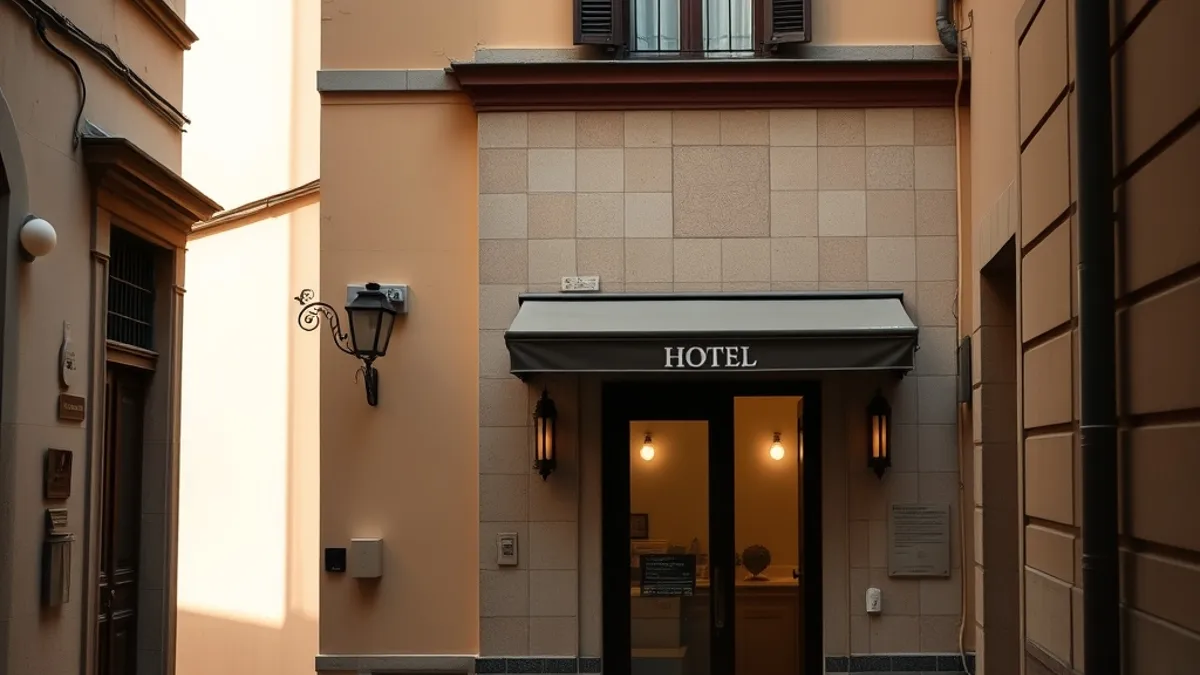
A hotel prioritizes location and convenience. Most city hotels are mid-rise buildings with standardized rooms and services, so you generally know what you’re getting before you walk in: a clean room, a front desk, housekeeping and often a restaurant or gym. You’re paying for a reliable base close to where you need to be, not for on-site entertainment.
A boutique stay is the opposite of standardized. These properties are small, commonly under 50 rooms, and each one leans hard into individual design and personal service. Rooms might differ from one another, the building could be a converted townhouse or a historic property, and the owner or hosts often greet guests themselves and share local recommendations. You trade the predictable uniformity of a chain for character and a more personal experience.
Cost Comparison: What Each Stay Type Really Charges
Price is where the three stay types really diverge, because each one charges for something different. Resorts bundle amenities into the rate, hotels charge for location and reliability, and boutique properties price design and intimacy. Understanding what sits behind each number makes it much easier to compare listings that look similar but deliver very different things. Knowing the typical ranges also helps you spot a fair deal in any market, and to recognize when a rate that seems expensive is actually covering far more than a room for the night.
Resorts typically run $150 to $600+ per night depending on destination and season, and all-inclusive options push the top of that range higher since meals, drinks and activities are folded in. City hotels commonly span $80 to $300 per night in most mid-range markets, with the rate driven largely by how central the property is. Boutique stays usually fall between $100 and $400 per night, with the rate reflecting the design, the setting and the level of personal service rather than a long amenity list. In practice, that means the same travel budget can buy very different experiences depending on which category you choose, so it pays to decide what you actually want covered before you compare rates side by side.
- All-inclusive math: at a resort, compare the quoted rate against what you’d spend on daily meals, drinks and activities elsewhere — the bundled rate can be better value if you’d use everything anyway.
- Location premiums: within the $80-$300 hotel range, expect rooms near major city centers or transit hubs to sit at the top of the spread, while the same chain a few metro stops out can cost notably less.
- What boutique rates include: some boutique properties fold in breakfast, afternoon drinks or curated local experiences, which offsets rates that look high next to a comparable hotel room.
- Seasonal swings: all three types move with demand, so the same property can sit at the bottom of its range in low season and near the top during peak weeks — always check current rates rather than assuming a fixed figure.
When a Resort Fits Your Trip
A resort fits a specific kind of trip: the kind where the property is the plan. If you want to wake up, walk to the pool, eat breakfast on-site, book a spa treatment and let the kids spend the afternoon at a supervised club without anyone getting in a car, a resort delivers exactly that. Everything is on-site — pools, dining, kids’ clubs and spa days — which means less logistics and more actual rest.
That makes resorts the natural pick for travelers who don’t want to research restaurants, arrange transport or plan daily activities. Families often fall into this camp, since on-site dining and kids’ programming remove the two biggest friction points of traveling with children. Couples on a wellness or relaxation trip fit too, especially when the resort has a serious spa and quiet zones built into the layout.
Long trips where you rarely leave
Resorts shine on week-long beach or wellness trips where you rarely leave the property. On a seven-night stay, the convenience of bundled amenities compounds: you settle into a routine, learn the property, and stop spending energy on decisions. If your itinerary involves sightseeing every day, that convenience goes unused and you’re paying for amenities you don’t touch.
Timing your booking
Resorts often require booking 3 to 6 months ahead for high season. The largest properties with the most desirable room categories sell out first, and early booking also tends to unlock better rates before demand drives prices up. If you’re aiming for a peak-week trip, treat that lead time as part of the plan rather than an afterthought.
When a Hotel Makes More Sense
If your days are packed with museums, restaurants and neighborhoods to explore, the property itself is just a place to sleep. That is exactly when a hotel makes the most sense. City breaks and short stays revolve around what is outside the front door, not around a pool deck or a kids’ club you will never use.
Hotels also take the guesswork out of a short trip. With 1-3 nights, you do not have time to learn a property’s quirks or test its restaurants. Predictable service and room standards mean you can check in, drop your bags and get on with sightseeing without surprises. Big hotel brands deliver roughly the same experience whether you are in Chicago or Lisbon, which is a feature, not a flaw, when your stay is brief.
Location Does the Heavy Lifting
Most city hotels sit in central districts close to transit, dining and the main sights. That central location quietly cuts both your daily transport time and your transport cost. Walk to dinner, hop one metro stop to the museum district and skip the taxi fares that add up fast when you stay farther out.
For short trips, this convenience often matters more than any amenity. A modest room near the center beats a fancier room an hour from everything you came to see.
When a Boutique Stay Wins
Boutique stays are for travelers who care how a room feels, not just what it costs. Their limited room count is the whole point: it shows up in individually designed interiors, buildings with real local character and hosts who actually know the neighborhood. You trade the long amenity list of a resort for something more personal, and for many travelers that trade is worth making.
What You Get for the Price
Design is the headline. Expect thoughtful interiors, a distinct sense of place and rooms that feel curated rather than standardized. The other big draw is personal service. Hosts and staff at small properties often give recommendations no guidebook can match, from the family-run restaurant two streets over to the quiet hour to visit a nearby market. In terms of nightly rates, boutique stays sit in the middle of the three stay types: more than a basic city room, usually less than a full-service resort. You are paying for character and intimacy rather than a long list of amenities.
Book Early, Travel in Shoulder Season
A limited number of rooms cuts both ways. A small property can sell out weeks in advance, so early booking matters, especially in shoulder season when demand from savvy travelers rises. The payoff for flexible timing is real: shoulder season, which falls in May-June and September-October in many destinations, can cut boutique rates by 20-40%. If you want design and character at a friendlier price, those months are your window.
Quick Decision Checklist Before You Book
Choosing between a resort, a hotel and a boutique stay comes down to three practical questions. Run through the checklist below before you book, and the right option usually becomes obvious. It takes five minutes and saves you from booking a property that looks great in photos but fights the way you actually travel.
- How long is your trip? Stays under 3 nights favor hotels, where fast check-ins and central locations make short visits efficient. A week or more favors resorts, where on-site pools, dining and activities keep long stays full without daily planning. Boutique stays sit in the middle, working well for trips of a few nights where the room itself is part of the experience.
- What is your budget per night? The three types spread across a wide nightly range, with city hotels generally at the lower end, boutique stays in the middle and resorts at the top. Match your realistic nightly range to the type that fits it before falling in love with photos, and remember that season and destination move each type up or down that scale.
- What matters most to you? Apply the priority test honestly. If amenities are the point, choose a resort. If location is the point, choose a hotel. If character and design are the point, choose a boutique stay.
Answer those three questions in order and one option will usually fit clearly better than the others. When two answers pull in different directions, let your priority test break the tie, since the reason you travel shapes the trip more than any single factor like price or room size. A family on a ten-day beach holiday and a couple on a two-night city break should almost never book the same type of property, even in the same destination.
Finding Your Fit
So which one is right for you? If your trip is a week or longer and you want pools, dining and activities all in one place, a resort fits. If you are heading to a city for a couple of nights and care more about location than the property itself, a hotel makes sense. If you want design, character and personal service, a boutique stay is your match.
Three factors settle it: your budget per night, how far ahead you can book, and how long you are staying. Weigh those against what matters most on this trip, and the right choice usually becomes obvious. If this helped you decide, leave a comment or share the article with a fellow traveler.