Many travelers assume resorts shut down outside peak season, yet most stay fully open with better prices and quieter pools — the trick is knowing which destinations and windows work. That is exactly what shoulder season resorts offer: the same rooms, pools and restaurants you would enjoy in high summer, but with shorter waits, more attentive service and rates that often sit well below peak pricing.
This guide walks through what these resorts actually offer during the quieter months, which regions have reliable shoulder windows, and when crowds and prices drop the most. You will also find practical advice on booking ahead, packing for changeable weather, and deciding whether this style of travel suits you. By the end, you should be able to pick a destination and a window with confidence — and enjoy a full-service resort stay without the peak-season crowds.
What Shoulder Season Resorts Actually Offer
The biggest myth about traveling outside peak season is that resorts go dark. In reality, most coastal and tropical resorts operate year-round, keeping their doors open through every month of the calendar. The exceptions are mostly alpine properties, where some hotels pause for maintenance in November and early April, between the winter ski season and the summer hiking season. If you are heading to the mountains in those windows, check directly with the property; everywhere else, assume the resort is running.
Amenities stay on normal schedules
At coastal and tropical resorts, the full amenity set usually remains available. Pools, spas and restaurants run on normal schedules, so you can book a morning massage, swim laps at midday and eat dinner at the same hour you would in July. The difference is not what is open but how easy it is to use: waits for sun loungers, spa appointments and popular dinner slots shrink noticeably once peak crowds thin out.
Service gets more personal
There is also a quieter advantage that is easy to miss until you experience it. With fewer guests on property, staff-to-guest ratios improve, so service is often more attentive than in peak months. Servers remember your usual order, the concierge has time for detailed planning, and housekeeping can accommodate special requests. Many regulars say this is the single best reason to travel in the shoulder months — the resort feels like the same place, but run for a fraction of the guests.
Best Regions for Shoulder Season Resorts
Shoulder season works everywhere, but some regions have especially reliable windows where the weather stays pleasant and the crowds have already gone home. The Mediterranean is the classic example: destinations like Croatia, Greece, Spain and Italy shine from mid-September to early November, when the summer rush has passed but the sea is still genuinely warm for swimming. If the Adriatic appeals to you, our guide to glimmer resorts in Croatia for Adriatic brightness and softly luxurious pacing shows how the region rewards a slower, off-peak rhythm.
Tropical Asia follows a different logic. In Thailand, Vietnam, Sri Lanka and the Philippines, the shoulder months fall between the peak dry season and the wettest monsoon weeks, which keeps prices down and beaches reasonably calm. Desert and Middle East retreats work on yet another calendar, with Jordan at its most comfortable in the mild spring and autumn months rather than the intense summer heat.
- Mediterranean sea temperatures: the water holds around 22-25°C through October in much of the region, so swimming and water sports remain genuinely enjoyable long after the summer crowds leave.
- Tropical Asia’s dual windows: the two shoulder stretches let you choose between early-summer warmth and autumn’s drier spell, which is useful if your dates are fixed by work or school schedules.
- Desert comfort margins: in Jordan and similar destinations, the April-May and October windows mean daytime sightseeing at Petra or in the Wadi Rum area is comfortable rather than punishing, and evenings at desert camps are cool enough for a fire.
When Crowds and Prices Drop
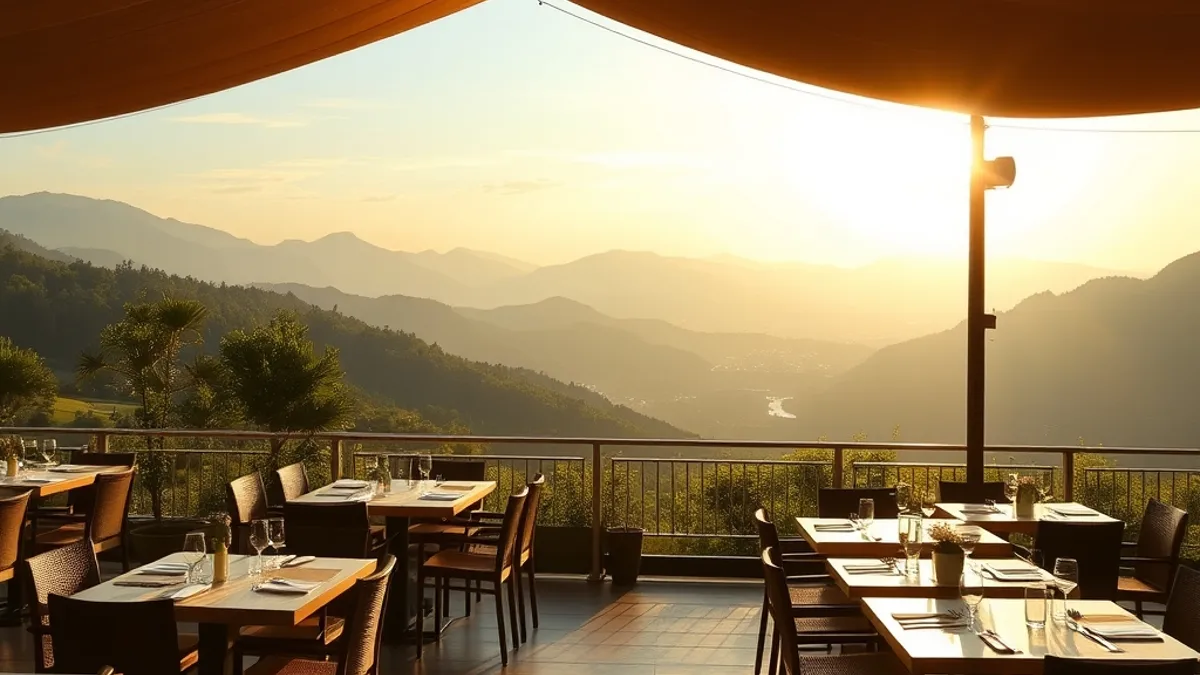
The numbers behind shoulder season are what make it so appealing. Visitor numbers fall roughly 30-50% compared with peak weeks, and you feel that drop everywhere: quieter pools where loungers are easy to find, beaches with space to spread out, and restaurants where you can walk in and get a table without a reservation made days ahead.
The pricing side of the equation
Rates typically sit 20-40% below peak-season pricing for the same rooms and views. That means the sea-view suite or the pool-access room that was out of budget in August may suddenly be within reach in October — same room, same view, same resort, just a different week on the calendar. Many travelers use this to upgrade a category or extend their stay rather than simply saving money.
Why the calendar matters
Shoulder weeks also avoid both school holidays and the busiest event calendars, which is why the crowds thin so dramatically. Families are back in school routines, and the major festivals and conferences that fill peak weeks have passed or not yet begun. The result is a resort town that feels local again: cafés filled with residents, easier parking, and a pace that lets you actually relax rather than queue. Check your destination’s event calendar before booking, since a single local festival can briefly reverse the trend in an otherwise quiet month.
How to Book Shoulder Season Resorts
Shoulder season booking rewards a little planning more than peak-season booking does. Inventory is usually there, but the best rooms go first, and a few properties quietly trim their schedules outside the busiest weeks. Because demand is lower, you also have more room to negotiate — it is a reasonable time to ask about upgrades, airport transfers or a late checkout, since managers are often more flexible when occupancy is down. A short checklist keeps the process simple and protects your budget.
- Book 2-3 months ahead. This window gives you the full choice of room categories — sea-view suites, pool-access rooms, the corner villa — before availability thins. Wait until the last few weeks and you may find only the room types nobody wanted in the first place. Booking early also gives you time to compare rates across dates within the same shoulder window.
- Check the resort calendar before you commit. Some properties run partial closures, spa maintenance days or reduced restaurant hours in quieter months. A quick email or a look at the resort’s own announcements tells you whether the infinity pool or the signature restaurant will be running on a normal schedule during your dates.
- Prioritize flexible cancellation. Shoulder weather can shift plans more than in peak season — a stormy stretch may make you want to move your dates or switch properties. A refundable rate costs slightly more up front but saves you from losing the whole booking if the forecast turns.
None of this takes more than an afternoon of research. Confirm the details directly with the resort where possible, since third-party listings do not always reflect temporary schedule changes, and keep screenshots of the cancellation terms you agreed to. If you are traveling during a shoulder window that overlaps a local holiday or festival, double-check that restaurants and excursions you care about will operate as usual. Finally, reconfirm your booking a week before arrival — a short email to the front desk catches any schedule changes early and often results in a better room assignment.
Packing and Planning for Shoulder Weather
Packing for shoulder season is really packing for two seasons in one trip. Mornings can feel like summer, evenings like early autumn, and tropical shoulder months often throw in a shower or two. A slightly smarter suitcase solves most of it, and it starts with a simple principle: bring less of one thing and more of a range.
Think in layers rather than in summer-only outfits. On the Mediterranean, shoulder days reach 20-26°C — warm enough for the pool — but evenings can drop to 12-15°C, which is genuinely cool once the sea breeze picks up. A light jacket or a couple of cardigans earn their space. Footwear matters too: one pair of sandals for the beach, one pair of closed shoes for cooler evenings and any inland walking. Add a light scarf, which works as an evening layer on the coast and doubles as sun cover at midday.
- Mix beach days with inland plans. One or two rainy days are common in tropical shoulder months, so line up a cooking class, a temple visit, a market morning or a spa day as backups. You will barely notice the rain if the wet day has a plan.
- Shift excursions earlier in the day. Sunset times move earlier as the season progresses, so book boat trips, snorkeling outings and guided tours for the morning or early afternoon. You get calmer water, better light and a full schedule before dusk arrives.
- Pack a compact rain layer, not a bulky umbrella. A thin shell or packable rain jacket handles a tropical shower and doubles as an evening windbreaker on the coast.
Build the itinerary with the same flexibility you pack into the suitcase. Leave one afternoon unplanned in each destination so a rainy stretch or an early sunset never derails the whole trip. And check the forecast a few days before departure: shoulder weather shifts quickly, so swapping one t-shirt for a sweater in your carry-on is easier than buying one at resort prices.
Who Shoulder Season Resorts Suit Best
Shoulder season travel is not for everyone, and that is exactly its appeal. It suits travelers who care more about calm than about perfect weather odds. If you recognize yourself in the profiles below, the quieter months will likely suit you better than any peak week.
Couples and remote workers
Couples who want long, unhurried mornings and remote workers who need reliable quiet for calls both thrive here. Pools are calm, spas run without a waiting list, and loungers by the water are actually free at mid-morning. You trade a small risk of a gray day for a resort that feels half-empty in the best way. If that trade sounds fair, a tropical option like spa rituals and beach-soft mornings in Thailand shows how rewarding the quieter months can be.
Flexible travelers and slow explorers
Travelers with loose dates get the clearest win: the same rooms, the same views and often the same suites at noticeably lower rates than in peak weeks. That difference in price can easily turn a five-night stay into seven nights for the same budget, or fund an extra spa treatment or two. And if you enjoy talking with locals rather than queuing behind tour groups, shoulder towns are livelier with residents going about their week — the café owner has time to chat, and the market feels like a market rather than a photo stop.
There is also a practical bonus that fits this style of travel: with fewer guests competing for the same slots, it is usually easier to book the treatments, tables and excursions you actually want, rather than whatever happens to be left over.
The Quieter Way to Resort Travel
The idea that resorts shut down outside peak season simply doesn’t hold up. Most stay fully open, running pools, spas and restaurants as usual — just with fewer people sharing them. With crowds dropping by roughly 30-50% and rates typically 20-40% below peak pricing, the same room and the same view suddenly cost less and feel calmer.
The trick is matching the destination to its reliable shoulder window: the Mediterranean from mid-September to early November, tropical Asia in May to early July and September to October, and desert retreats in spring and fall. Book 2-3 months ahead and pack for variable weather, and the whole trip comes together smoothly. Have you traveled in the shoulder season? Share your experience in the comments or pass this article along to a fellow traveler.