A safari quote that looks like a bargain can turn awkward on the last night. The drinks tab includes champagne you did not order, park fees were never part of the rate, and a conservation levy appears on the final invoice. Many travelers book all-inclusive safari lodges expecting one price to cover everything, only to discover the fine print says otherwise.
This guide walks through what a standard rate actually includes, how game drives are scheduled, and what the daily rhythm of meals and drinks looks like on the ground. It also breaks down what drives safari pricing, the hidden extras worth checking before you pay a deposit, and the timing that gets you into small camps during high season. By the end, you will be able to compare quotes on a truly like-for-like basis and know exactly where your money goes.
What All-Inclusive Safari Lodges Actually Cover
At their core, all-inclusive safari lodges bundle the essentials into one rate: your accommodation, three meals a day, and two shared game drives daily, one at dawn and one in the late afternoon. That covers the bulk of what you actually do on safari, which is why the model works so well in remote areas where there is nowhere else to eat or book activities.
Many mid-to-upper-tier lodges go further and include local house drinks, laundry service, and airport or airstrip transfers. These inclusions vary significantly between properties, so it pays to ask exactly which tier of drinks and which transfers are covered before you book.
What usually sits outside the rate
Excluded items tend to follow a pattern. Expect to pay separately for:
- Premium wines and spirits — champagne, cellar wines, and top-shelf labels are almost always billed to your room.
- Spa treatments — massages and wellness services are extras at nearly every lodge.
- Private vehicles — booking a vehicle for your group alone carries a daily surcharge.
- Shop purchases — curio shops and sundries go on your final bill.
None of this makes the rate a bad deal. It simply means the headline price covers the safari itself, while personal extras are added as you go. Knowing the split in advance lets you budget honestly and avoid the end-of-stay surprise.
How Game Drives Are Scheduled and Structured
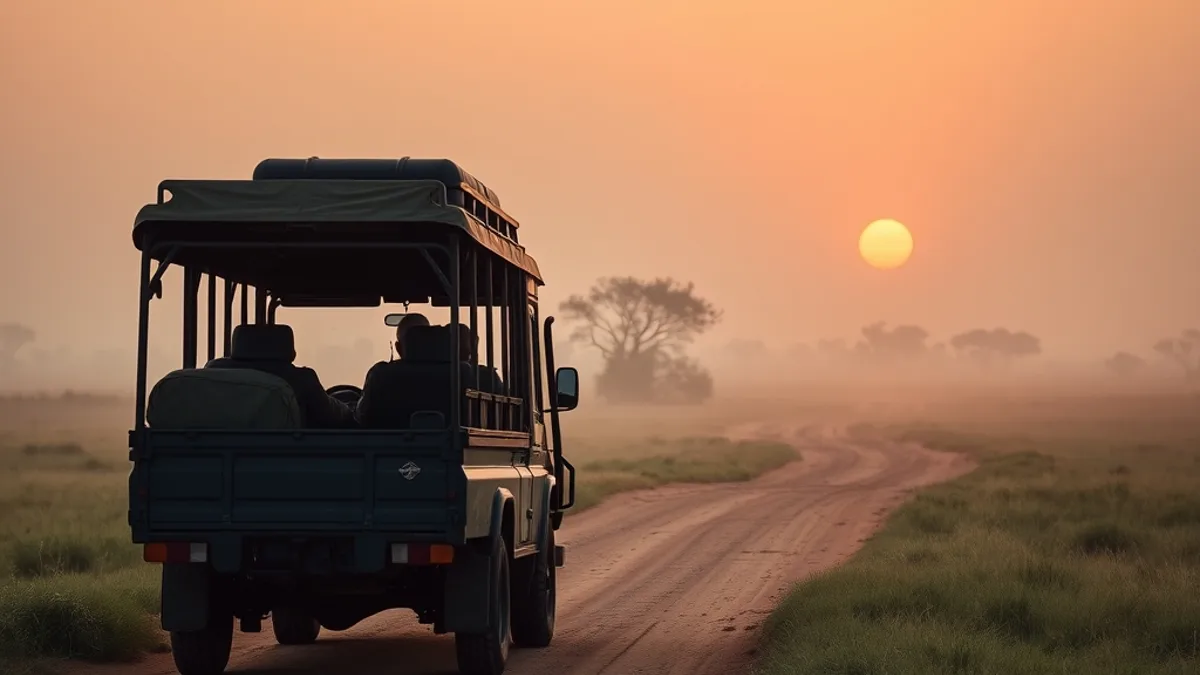
Game drives follow a rhythm that changes surprisingly little from lodge to lodge. Your day starts before sunrise with coffee and a light snack, then you head out at dawn for a drive of roughly 3-4 hours, when predators are most active and the light is at its best. You return mid-morning for a full brunch, followed by several hours of genuine downtime — reading, napping, or watching waterholes from the deck. In the late afternoon, you head out again for another 3-4 hour drive that ends at a sundowner spot, drinks in hand as the sun drops.
That two-drive structure is not arbitrary. Animals rest through the heat of midday, so lodges schedule activity around the cooler hours when wildlife is on the move. Some travelers base themselves outside the reserves in places like the homesteads near Nanyuki described in spacious and calm safari-country stays, but staying inside a concession is what makes the dawn-and-dusk rhythm possible.
Shared or private vehicles
Shared game drive vehicles typically seat 6-9 guests, with a row or window seat each. They work well and keep costs down, but the route and timing follow the group. A private vehicle costs extra and lets you customize everything: longer with a cheetah sighting, an early return for young children, or a full day out with a picnic lunch.
Night drives and walking safaris depend on the rules of the reserve or concession you are in — some allow them, others do not. Where they are offered, they are usually booked as paid add-ons rather than included in the standard rate, so ask at booking if they matter to you.
Meals, Drinks and Daily Rhythm at the Lodge
Food on safari is far better than most first-timers expect, and the daily eating rhythm is a big part of the experience. Mornings start with a light pre-drive snack, followed by a set or buffet breakfast — or more often a generous brunch once you are back from the morning drive. Afternoon tea with cakes and savories precedes the evening game drive, and dinner is either a communal affair at a long table or a plated, multi-course meal served under the stars.
Drinks follow a similar tiered system. House wines, local beers, and standard spirits are included at many lodges, but champagne, cellar wines, and top-shelf spirits carry surcharges that go on your room bill. If you care about what is in your glass, ask which labels count as house pours before you book.
What to know about lodge dining
- Menus are planned around remote supply runs — lodges restock weekly or even less often, so expect set menus rather than à la carte choice on some nights.
- Flag dietary needs at booking, not on arrival — vegetarian, vegan, gluten-free, and allergy requirements are accommodated well when the kitchen knows in advance.
- Meal times flex around game drives — brunch often replaces breakfast and lunch entirely, so plan snacks around the schedule rather than expecting three traditional meals.
- Dinner is a social event — guides and managers frequently join guests, making the evening table one of the best sources of safari stories and sighting tips.
For travelers pairing a bush trip with time on the coast, some South African properties blend safari elegance with beachside settings, as covered in these bluewater resorts with coastal appeal. Wherever you stay, treat the dining rhythm as part of the safari itself — it is designed around the wildlife, not against it.
How Safari Rates Are Priced and What Drives the Cost
Safari lodge pricing looks opaque until you break down what you’re actually paying for. In high season, all-inclusive rates typically run from about $400 to well over $1,500 per person per night. The spread comes down to two main factors: how exclusive the camp is, and the quality of the concession it sits on. A small camp with private access to productive wildlife habitat will command more than a larger lodge in a busier zone.
Why green season costs less
From November to March, rates often drop 20-40%. This period brings lush scenery, newborn animals, and noticeably fewer vehicles gathered at sightings. Photography is excellent in the softer light, and camps are quieter overall. The trade-off is less predictable wildlife viewing in some areas, since animals disperse when water is plentiful.
It also helps to understand what the rate has to cover. Safari camps have very low bed counts, often a dozen rooms or fewer, yet they still need to fund professional guides, vehicles, kitchen staff, and logistics in remote locations. Guiding is bundled into the rate, and park or conservation fees are frequently folded in too, though not always. These fees are charged per person per day and can add a meaningful amount to your total, so ask the lodge or your operator to confirm whether they’re included and check the current rate before you book. If you want a sense of what a high-quality, well-paced safari experience looks like, have a look at these resorts in Botswana built around safari serenity and beautifully paced comfort. Once you see what’s included, the nightly figure starts to make sense.
Hidden Extras and How to Read the Fine Print
The quoted nightly rate is rarely the whole story. Before you compare lodges, get clarity on exactly what sits inside the rate and what will appear on your bill at checkout. The most common surprises involve fees, occupancy rules, and the small services you assume are covered. A rate that looks expensive may actually be close to all-inclusive, while a cheaper quote can balloon once the extras are stacked on top.
Start by asking the lodge or your operator to confirm, in writing, whether park fees, conservation levies and community fund contributions are included or billed on top. These charges are often billed separately and can add a meaningful amount per person per day, so two quotes that look similar may differ sharply once fees are added. Ask for a sample final bill from a recent guest if you can, since it reveals charges no brochure mentions.
- Single supplements: many lodges charge solo travelers a surcharge, sometimes 30-50% above the per person sharing rate, though a few waive it in low season.
- Child policies: some camps welcome children of any age, others set a minimum age of eight or twelve, and family units often carry a different rate structure.
- Minimum stays: a stay of 2-3 nights is commonly required, and peak-season camps may ask for longer over holiday periods.
- Tipping norms: tips for guides and camp staff are usually expected and paid separately, so budget for them and ask about suggested amounts and the camp’s tip box system.
- Transfers: light-aircraft or road transfers between the airstrip and camp are sometimes excluded, and they can be a significant per-person cost.
- Rate basis: check whether the quote is per person sharing or per room, since this alone can change the total by a wide margin for couples and groups.
Once you have these answers in writing, you can compare lodges on real numbers rather than headline rates. Put everything into a simple spreadsheet with dates, inclusions and fees side by side, and there will be far fewer surprises when the final bill arrives at reception on your last morning in camp.
When and How to Book All-Inclusive Safari Lodges
Booking a safari lodge is less like reserving a hotel and more like securing a seat at a very small table. The best camps have a handful of rooms rather than hundreds, and demand in peak months far outstrips supply. That scarcity shapes everything about the process: how early you book, how flexible your dates need to be, and how carefully you compare what each quote actually covers. A little planning discipline goes a long way here, and the steps below will keep you from the most common mistakes.
- Pick your dates first. Everything else follows from this. If you’re targeting the June-October high season, decide early, because those months are when availability tightens fastest. If your schedule allows a green season trip instead, you gain flexibility on both timing and budget.
- Book 9-12 months ahead for high season. Small camps sell out first, and the most sought-after guides and room categories go with them. Last-minute bargains in peak months are rare, so treat an early booking as part of the price of getting your first-choice camp.
- Use a shorter lead time in green season. Booking around 3-6 months out is usually workable from November to March, and camps sometimes offer discounted long-stay rates to fill beds. It never hurts to ask.
- Request itemized quotes. Ask each lodge or operator to show inclusions, park fees and levies separately so nothing is buried in a headline number. A lower quote that excludes fees can easily cost more overall.
- Compare on a fully loaded basis. Put quotes side by side with the same dates, the same inclusions, the same fees, and always per person sharing. Only then can you judge true value rather than comparing apples to oranges.
One final tip: get your confirmation and deposit terms in writing, and ask about payment schedules and cancellation conditions before committing. Remote camps have strict policies because empty beds are costly to them, so knowing the terms up front protects you as much as them. Ask specifically what happens if illness or travel disruption forces a late change, since policies vary widely between operators. With a clear calendar and fully loaded quotes in hand, you can book with confidence and spend the months before departure simply looking forward to it.
The Bottom Line on All-Inclusive Safari Lodges
If a safari quote looked all-inclusive until the drinks tab, park fees and conservation levies appeared, you are not alone. The truth is that all-inclusive safari lodges do bundle a lot into one rate: accommodation, all meals, two shared game drives a day, and often local drinks at mid-to-upper-tier camps. That covers the core of the experience most travelers come for.
The real differences between quotes usually come down to a handful of things: whether park and conservation fees are inside or on top of the rate, how premium drinks are handled, whether a private vehicle costs extra, and how seasonal pricing shifts the total. Comparing fully loaded quotes on the same dates and inclusions, and booking early for high season, gives you the clearest picture of value. Have a question or a safari story of your own? Leave a comment or share this article.